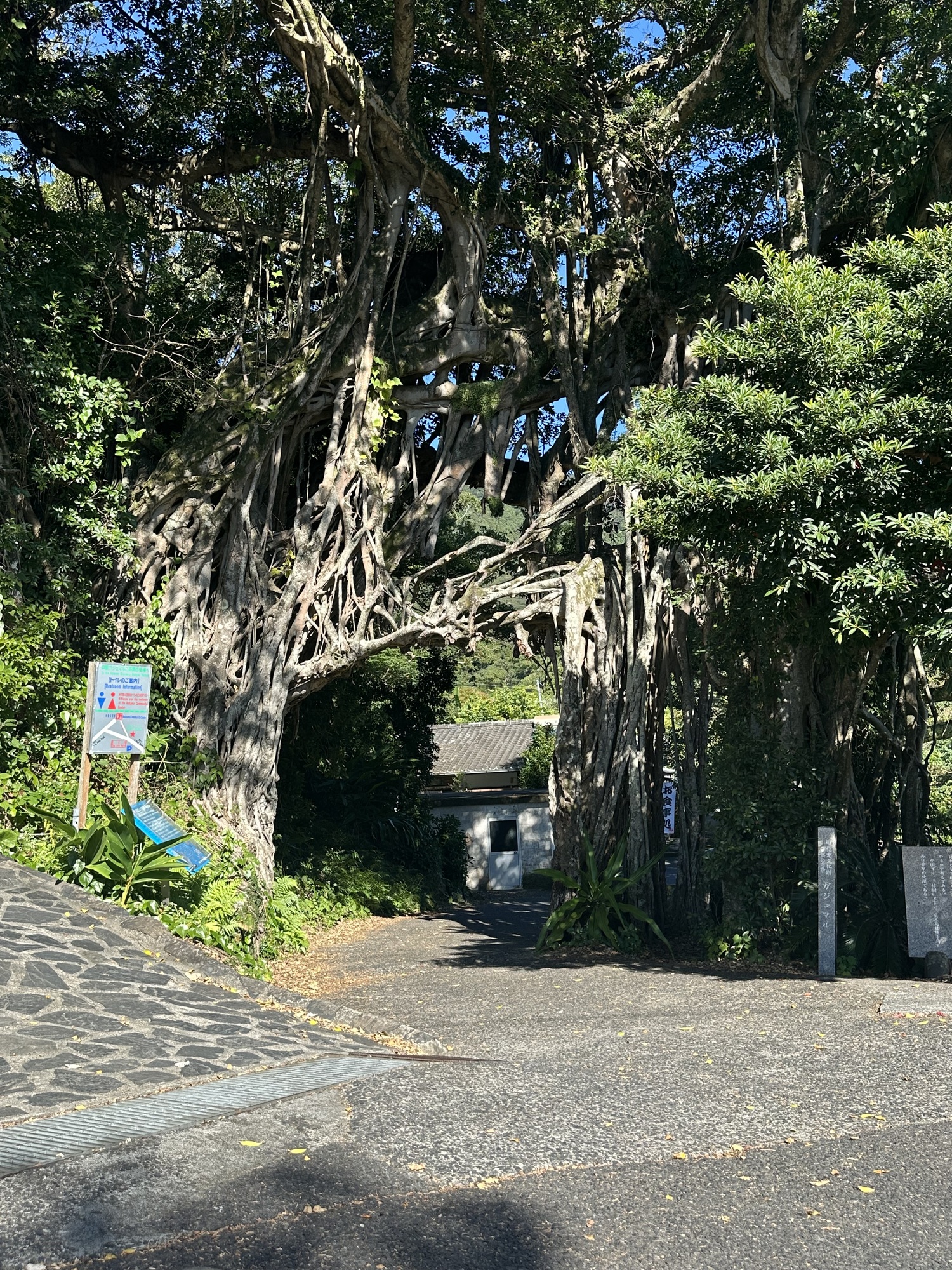
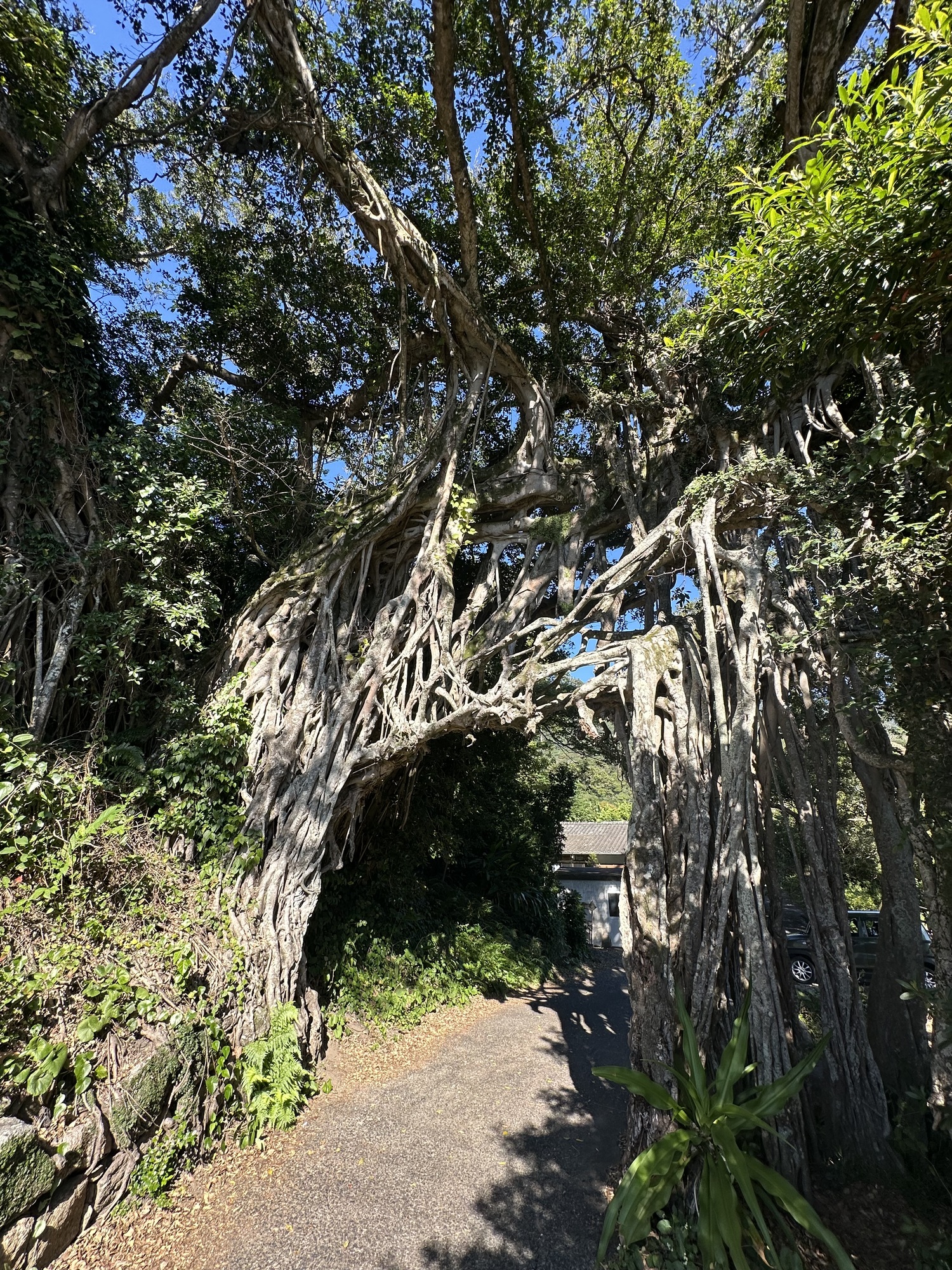
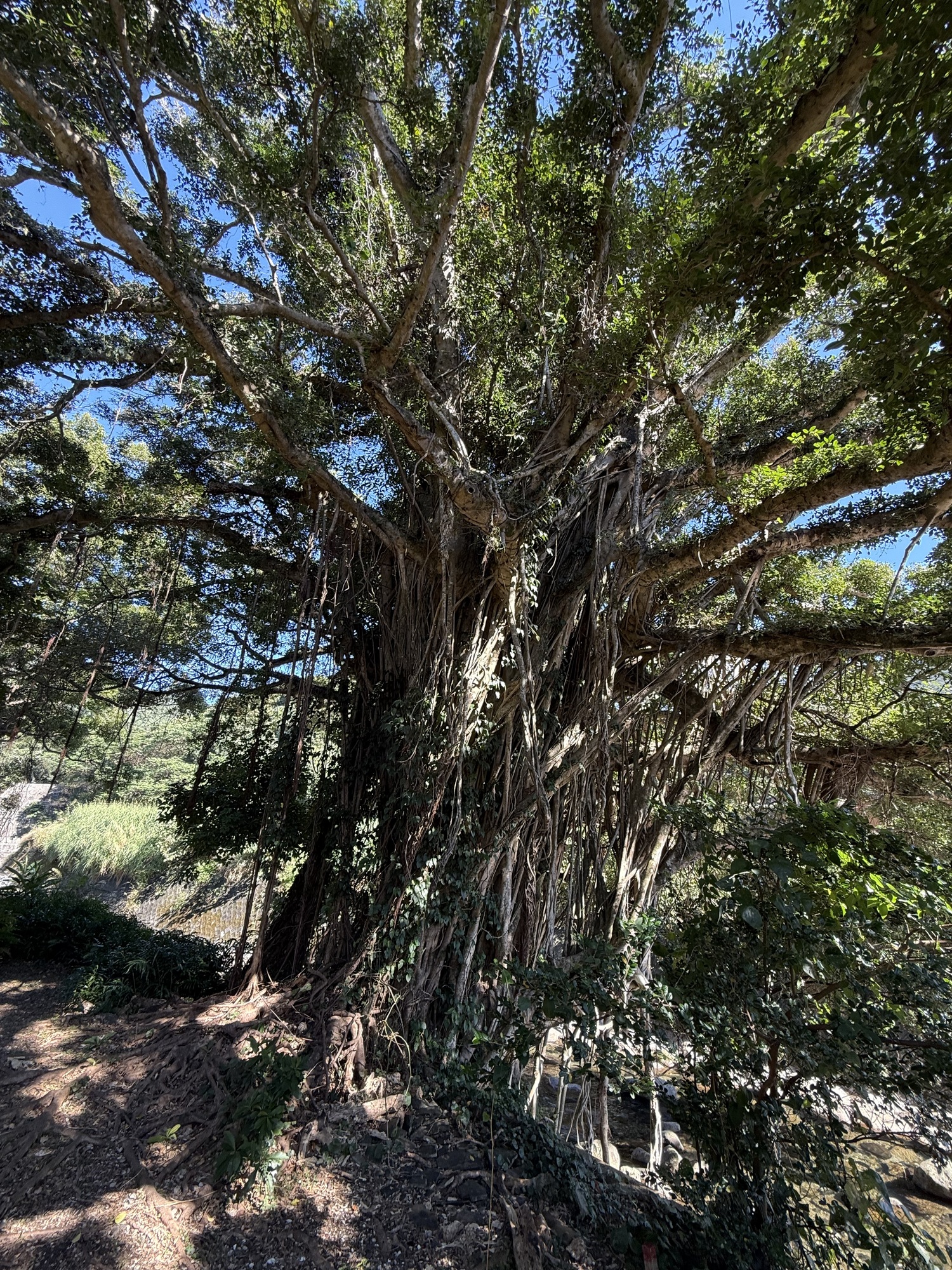
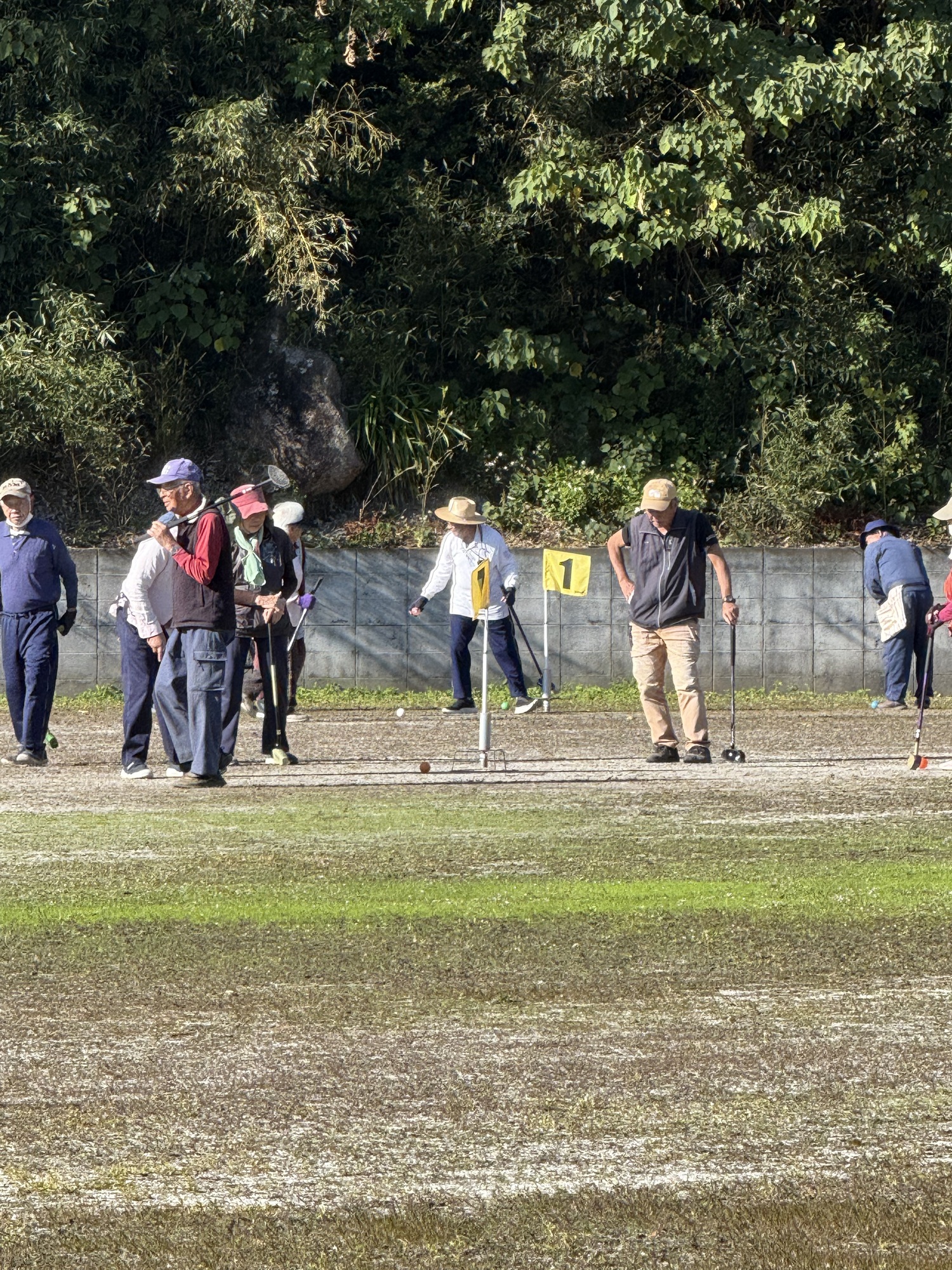
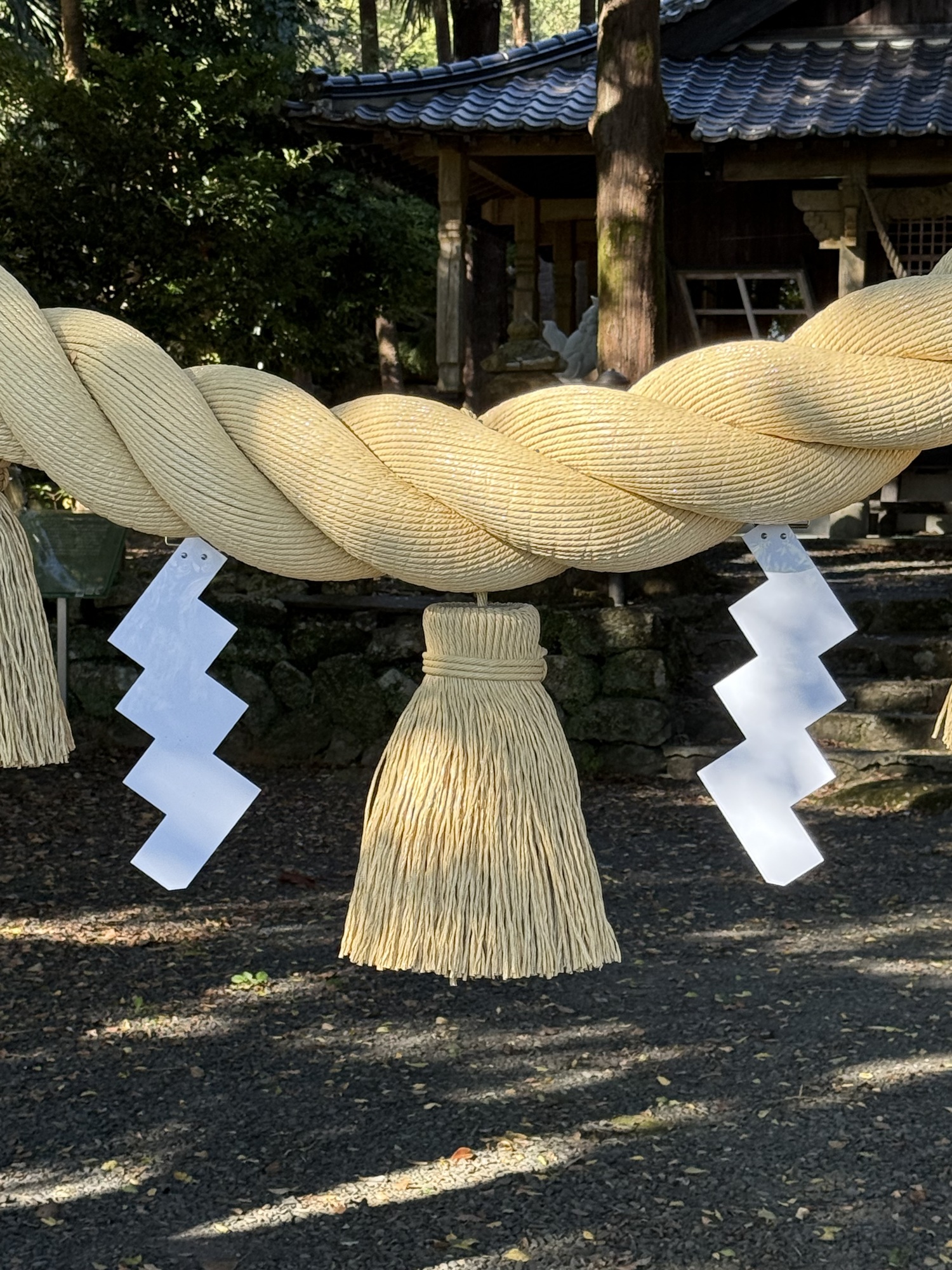
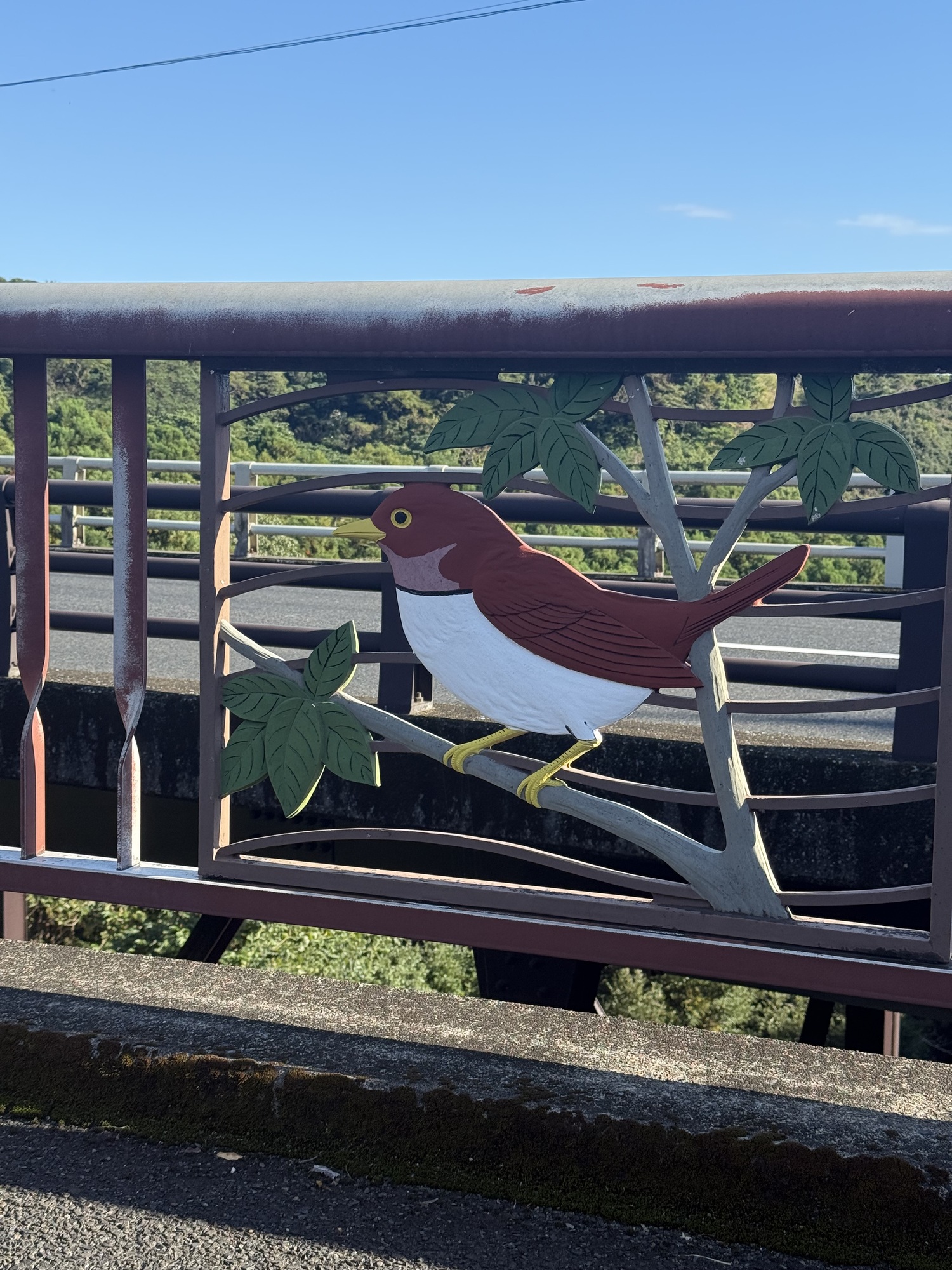
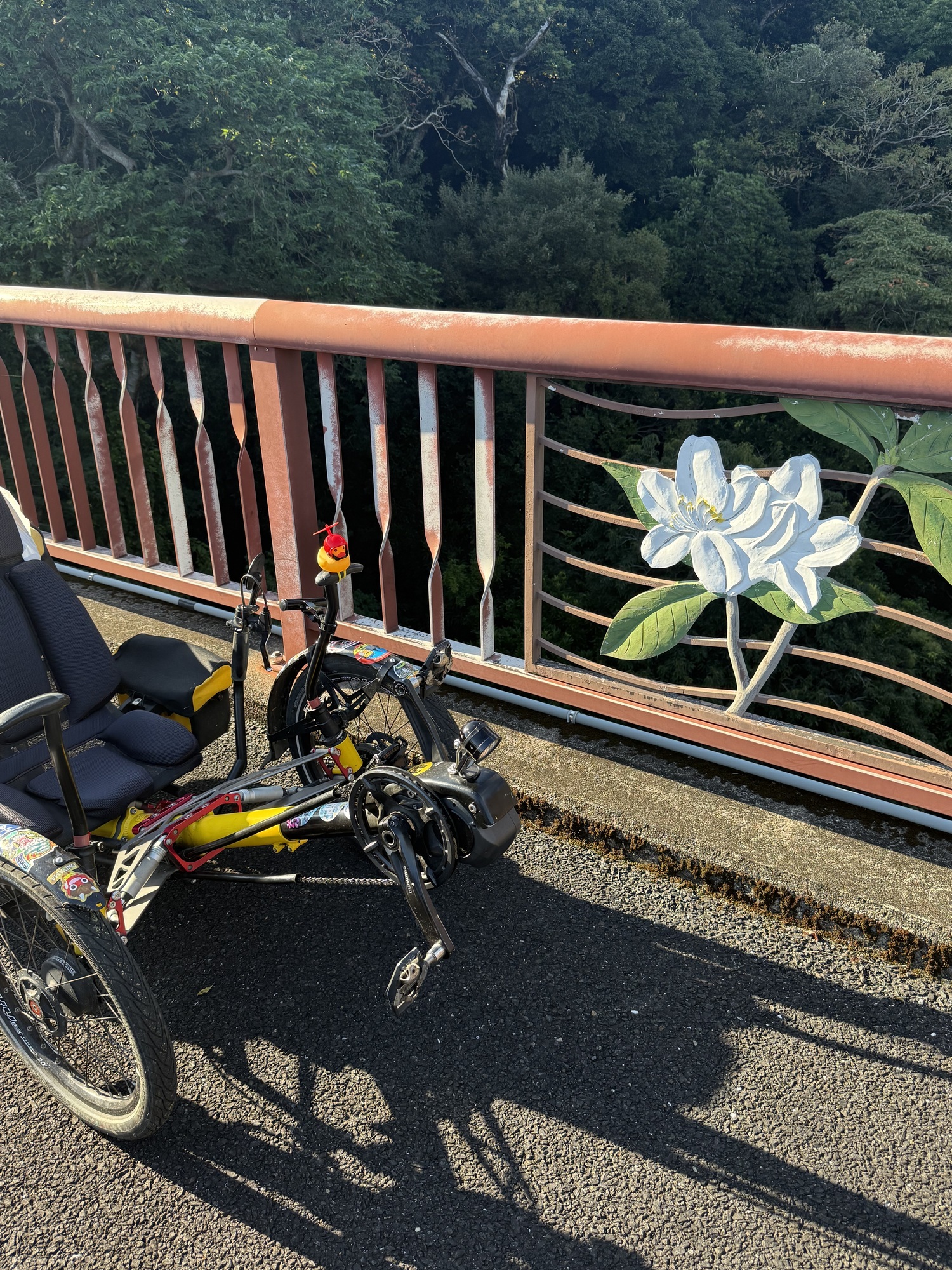
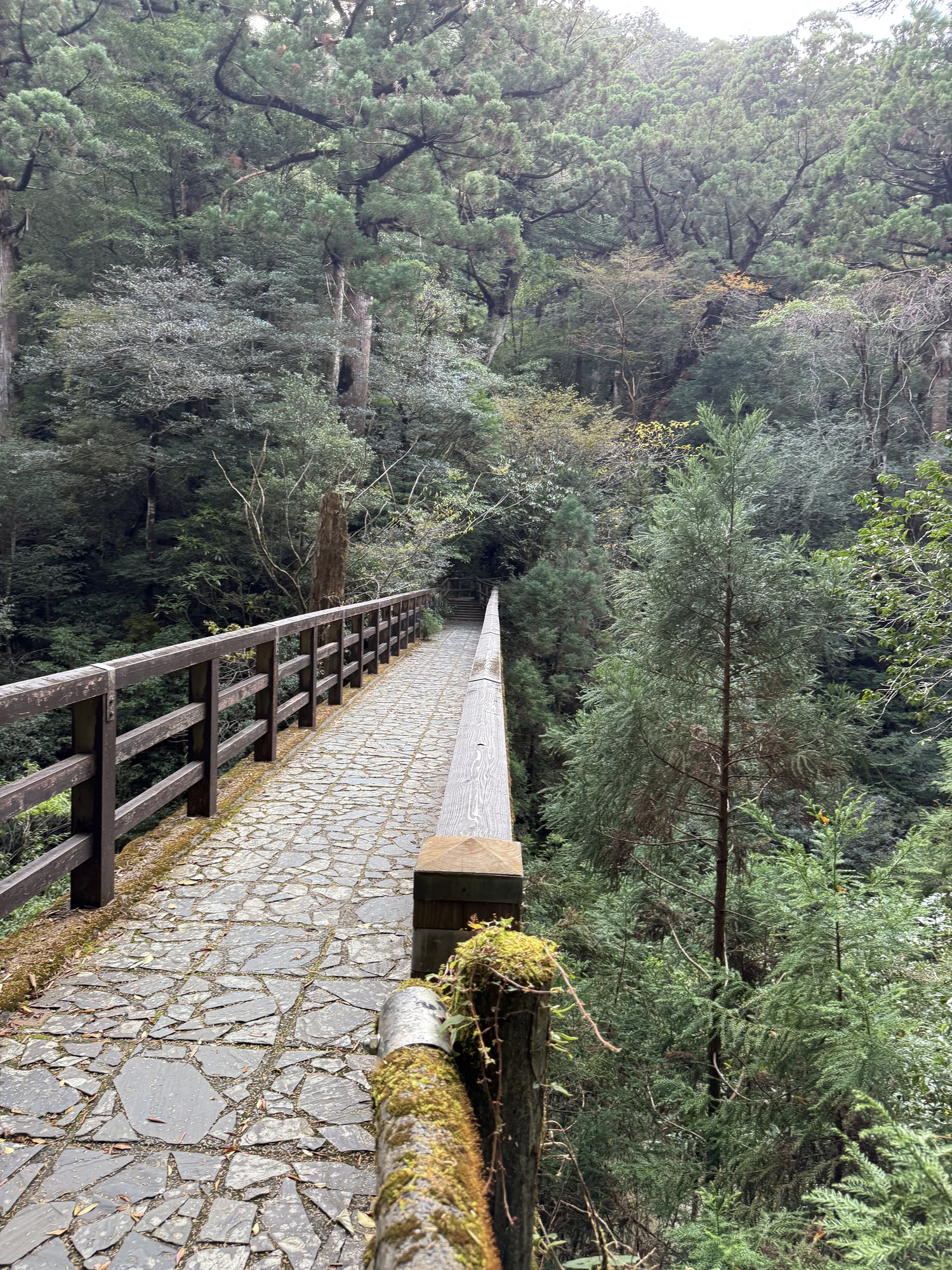
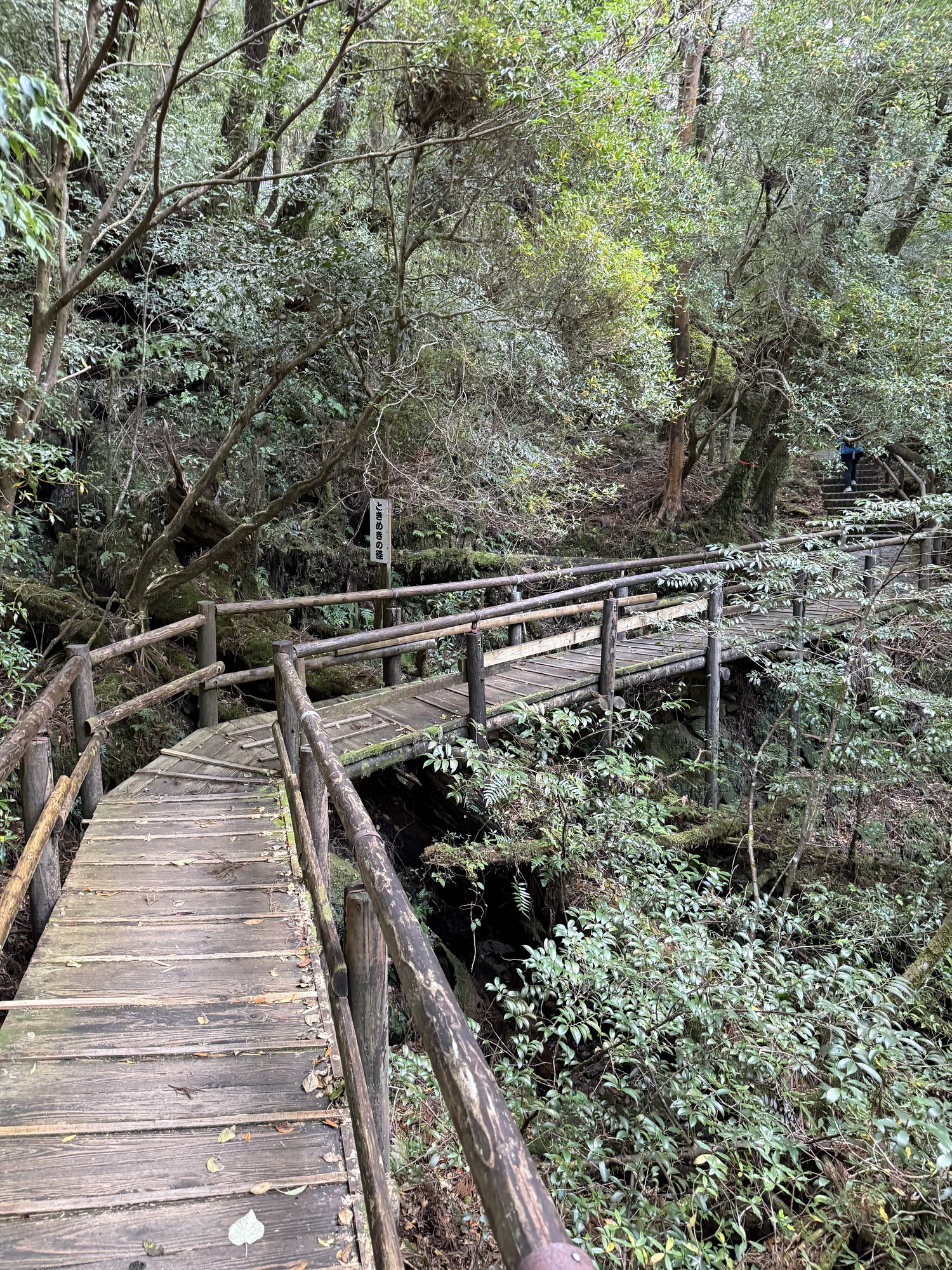
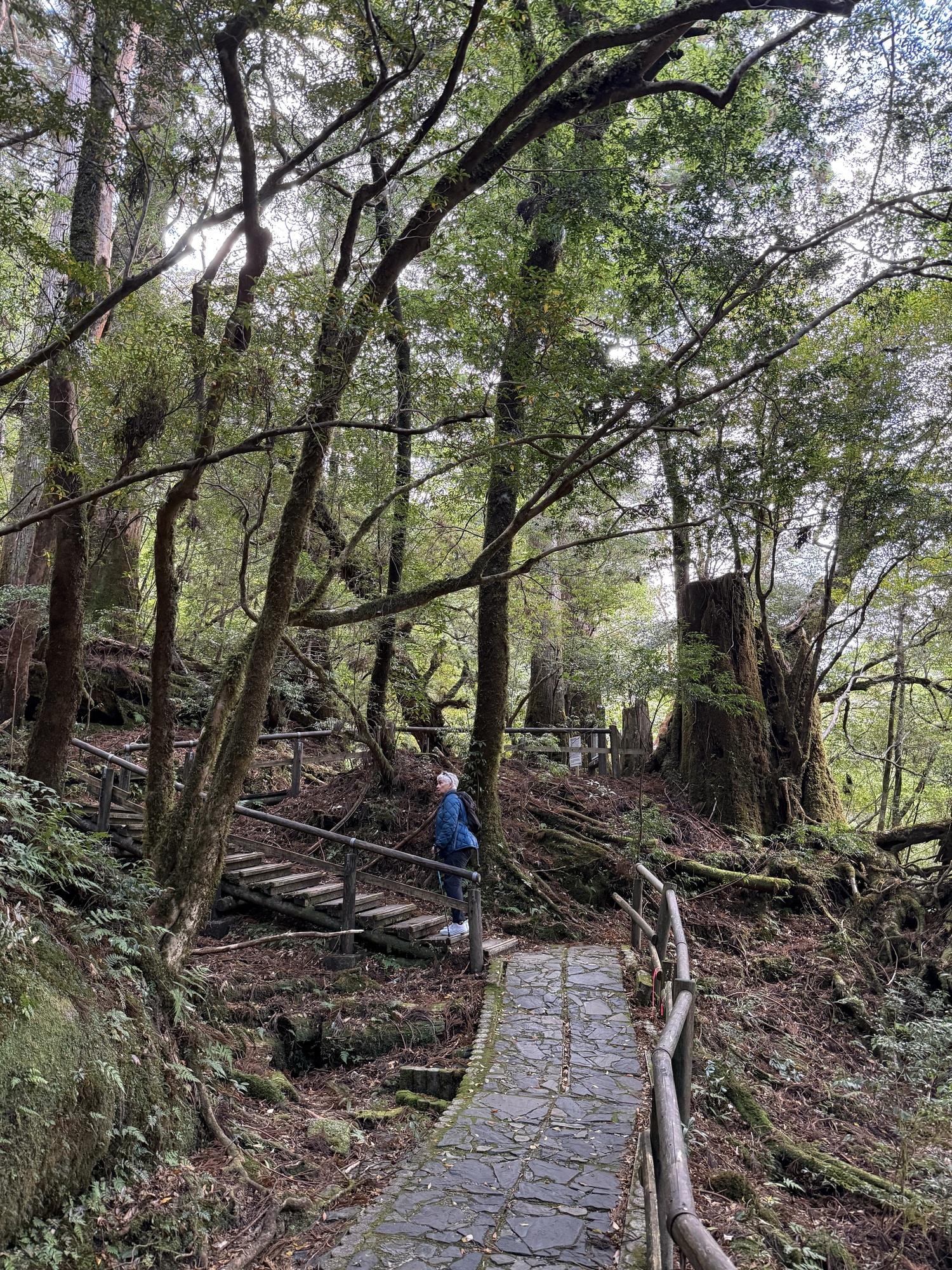
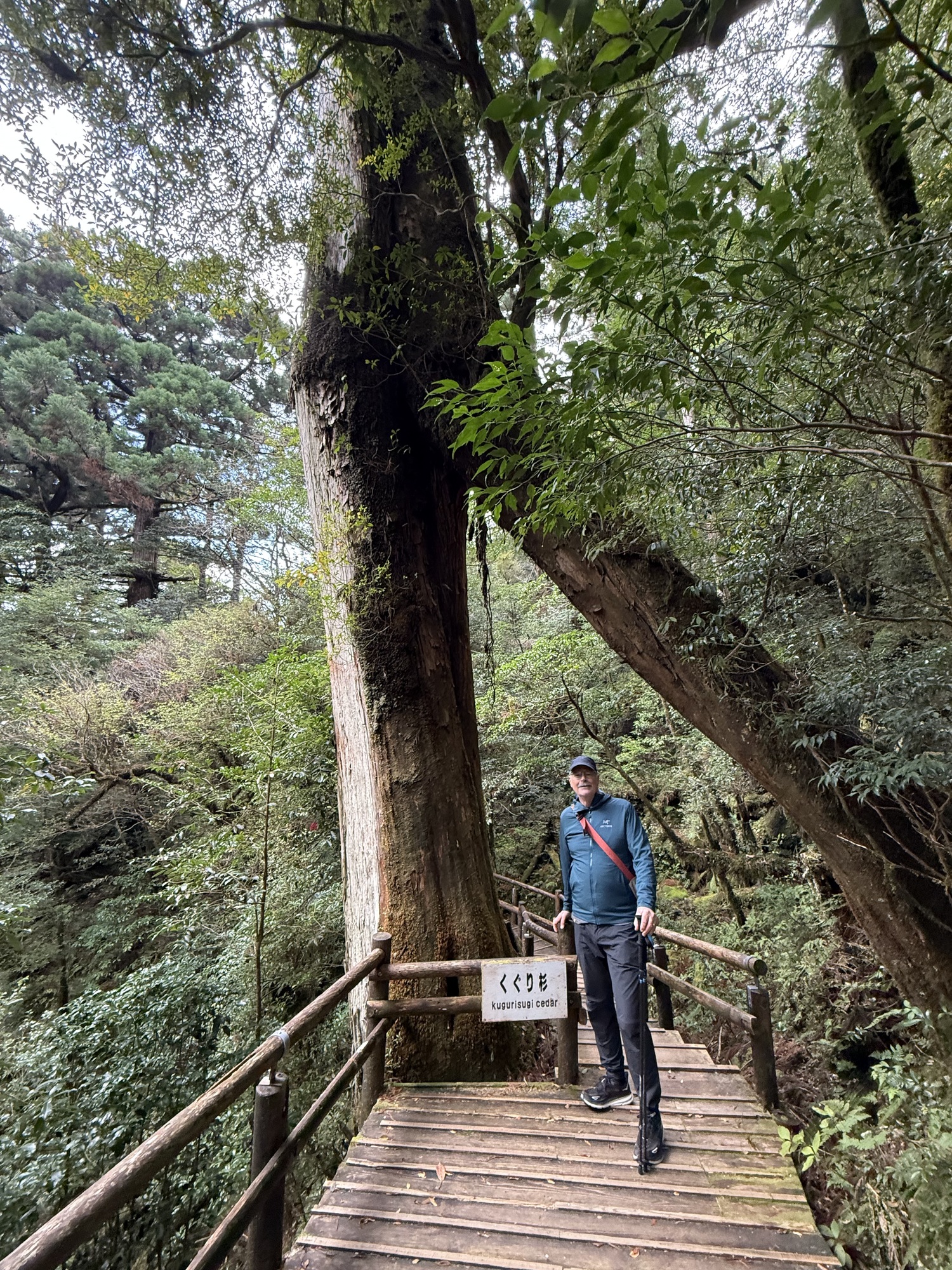
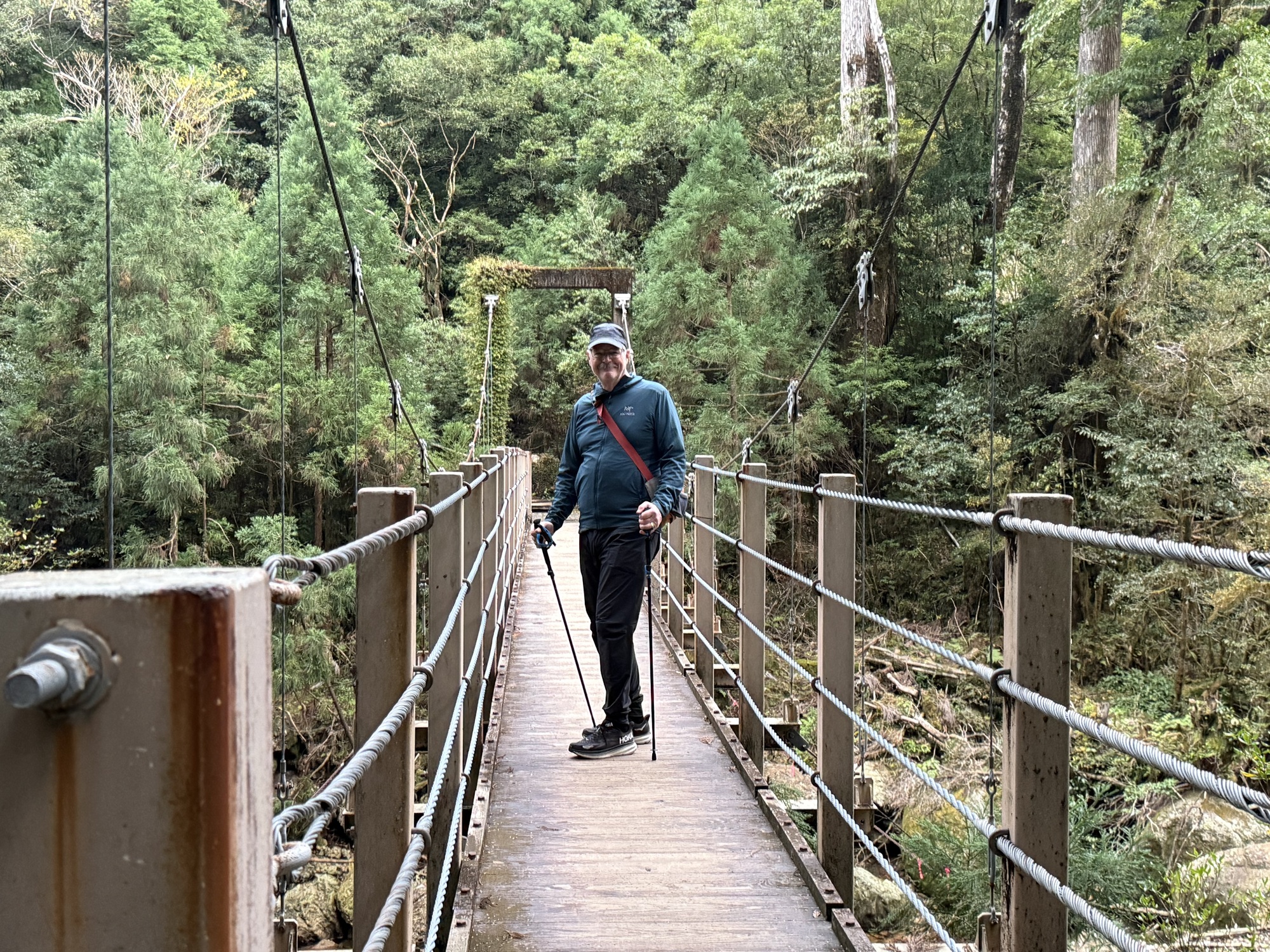
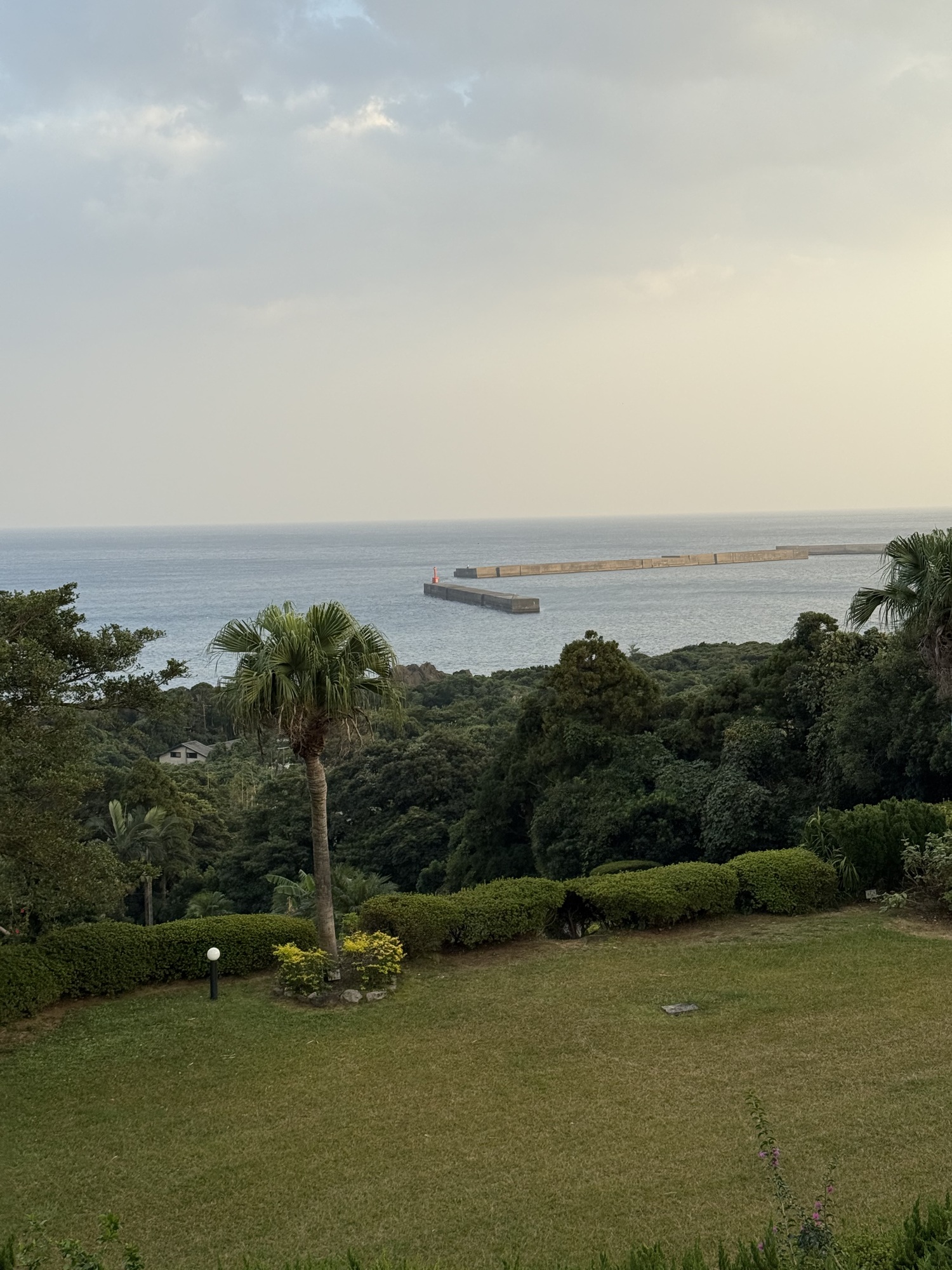
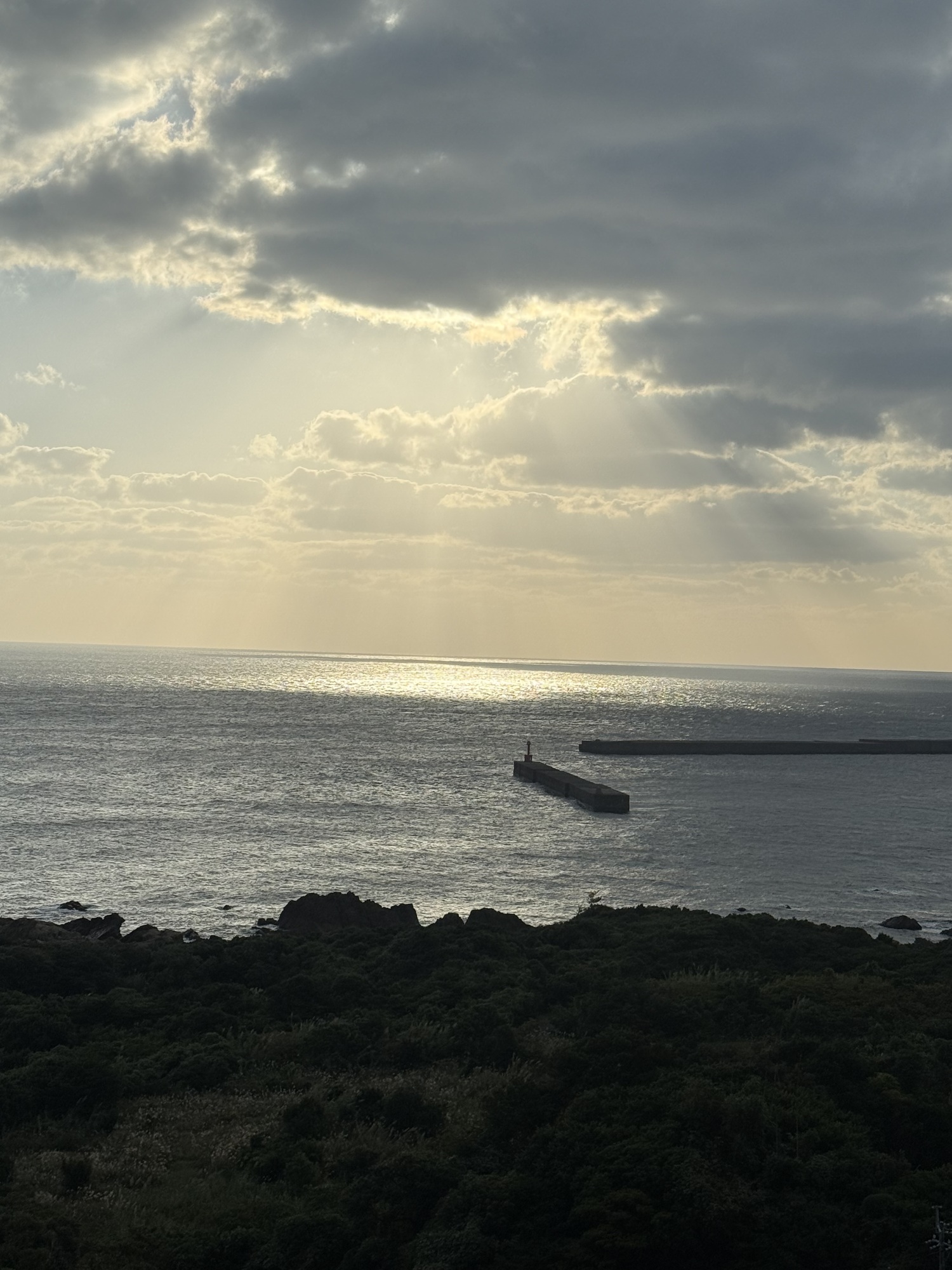
We are loving riding on Yakushima. Every day is full of new adventures on this small, extraordinary island. On paper, we knew that it was only 110 km around the island and that we could easily ride around it in two or three days. But what we have discovered is that there is so much to experience that we are glad we booked to stay a week. Last night we had counted on staying in one of the nearby villages, but we discovered that all were closed. Thank goodness for the campground. It was closed but we had everything we needed… bathroom, grassy pitch for our tent and great views. The only problem was that the electricity was shut down for the off season. Yikes, our trikes are just about out of juice…perhaps 10 km left.
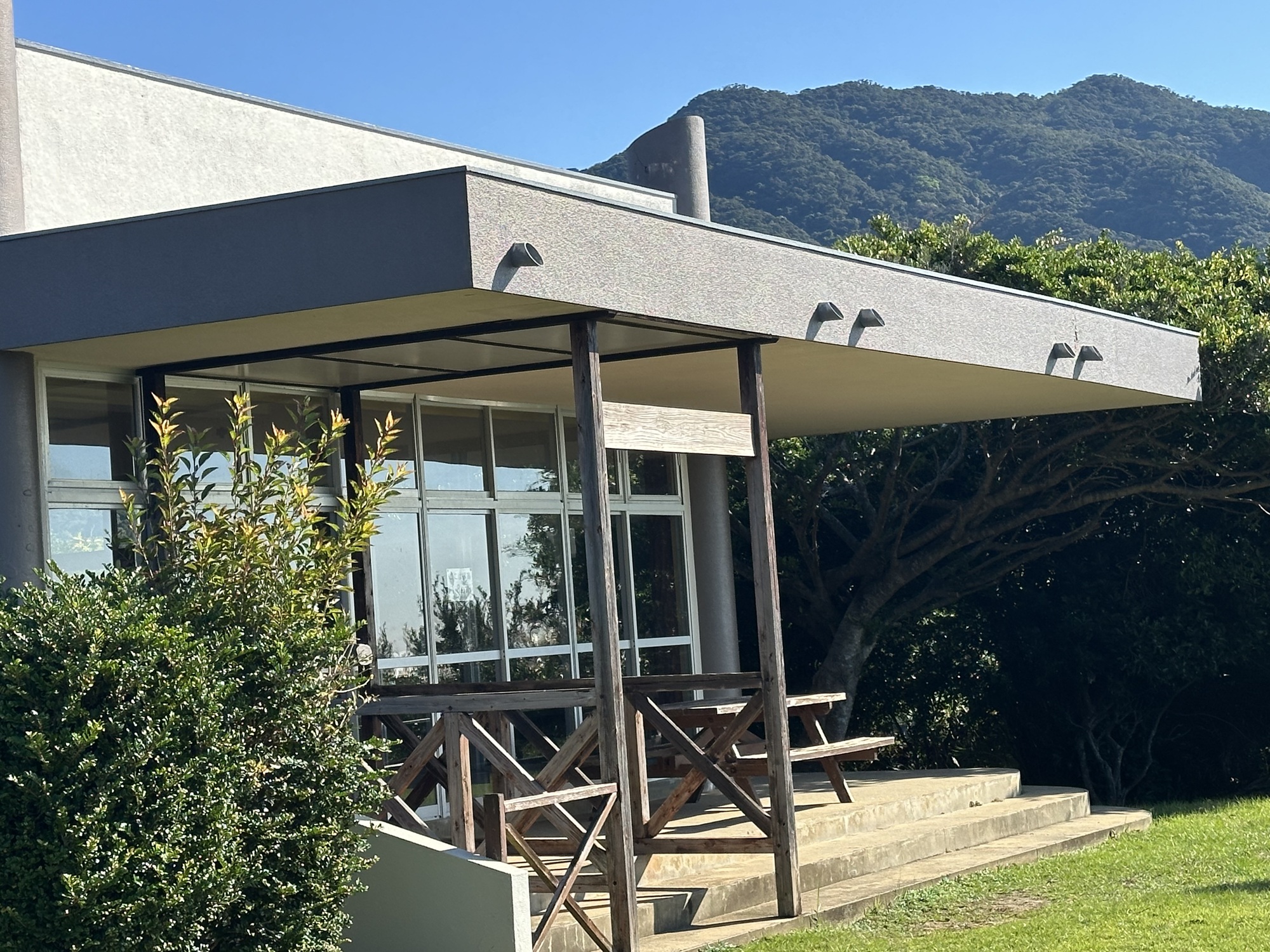
We liked it here…great location. It was good to camp close to this building and have a picnic table with a covered area.
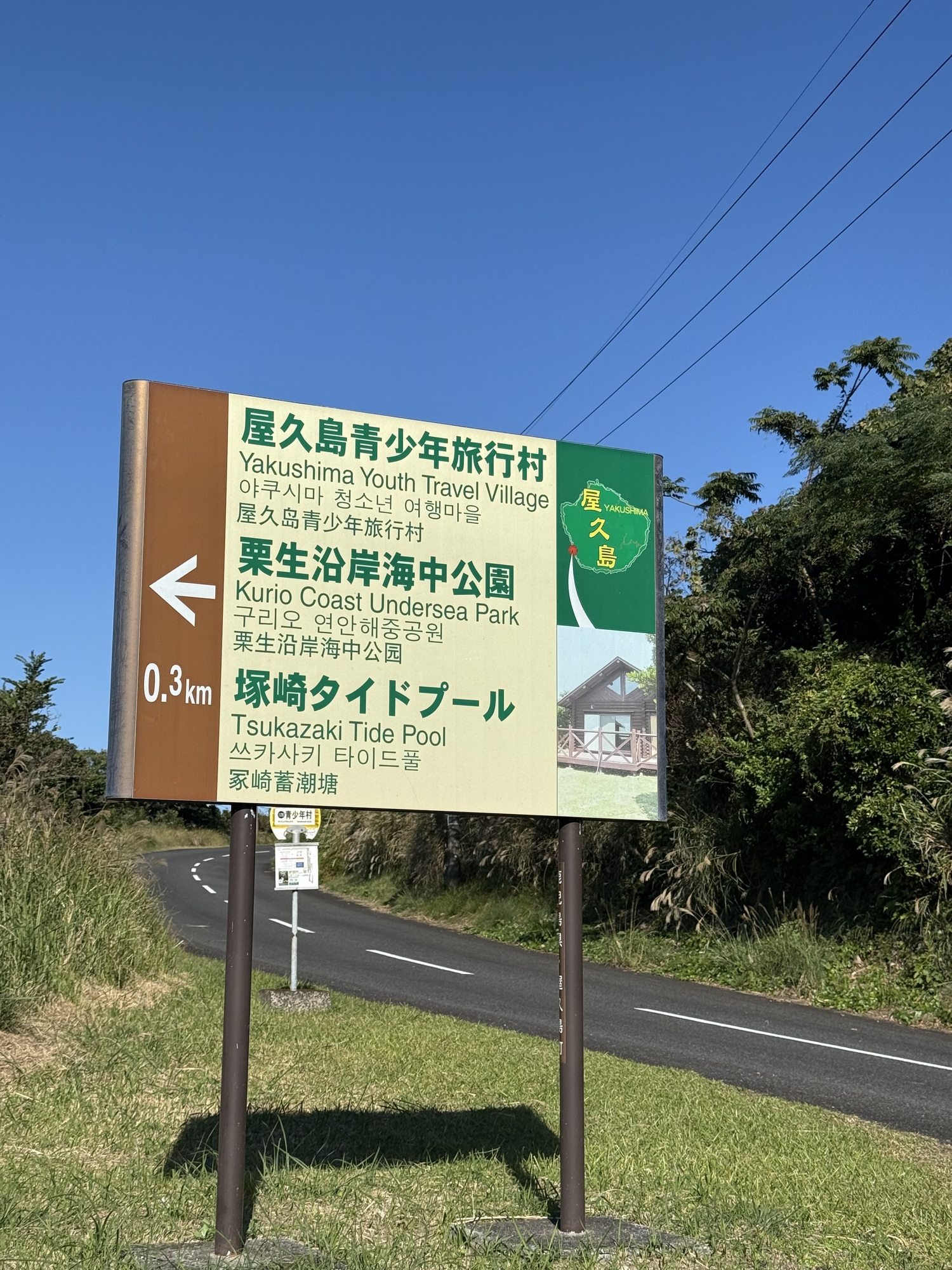
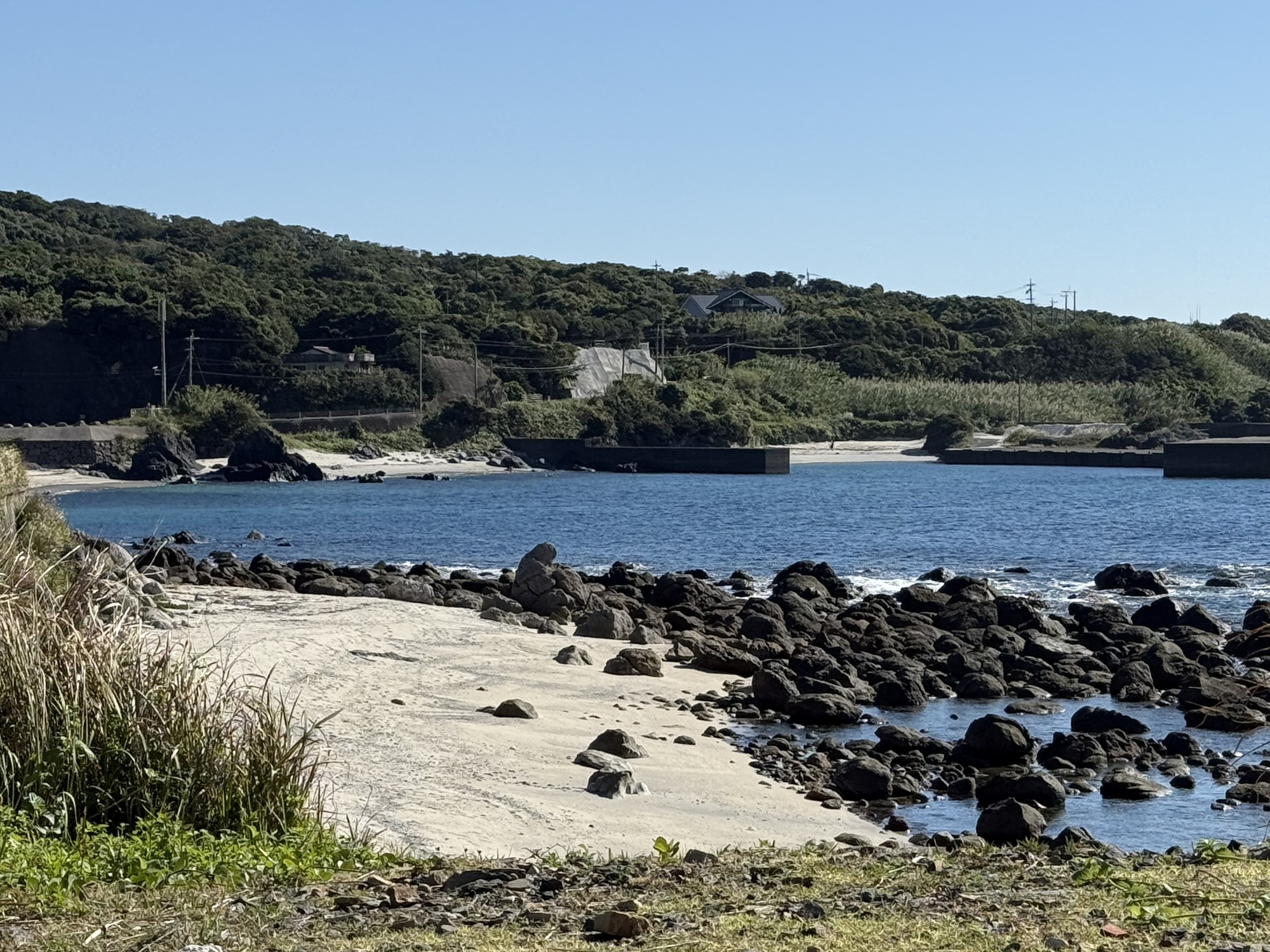
During the season when the campground is open, this must be a busy place with ocean frontage, tidal pools, about 9 cabins for rent and a vast camping area.
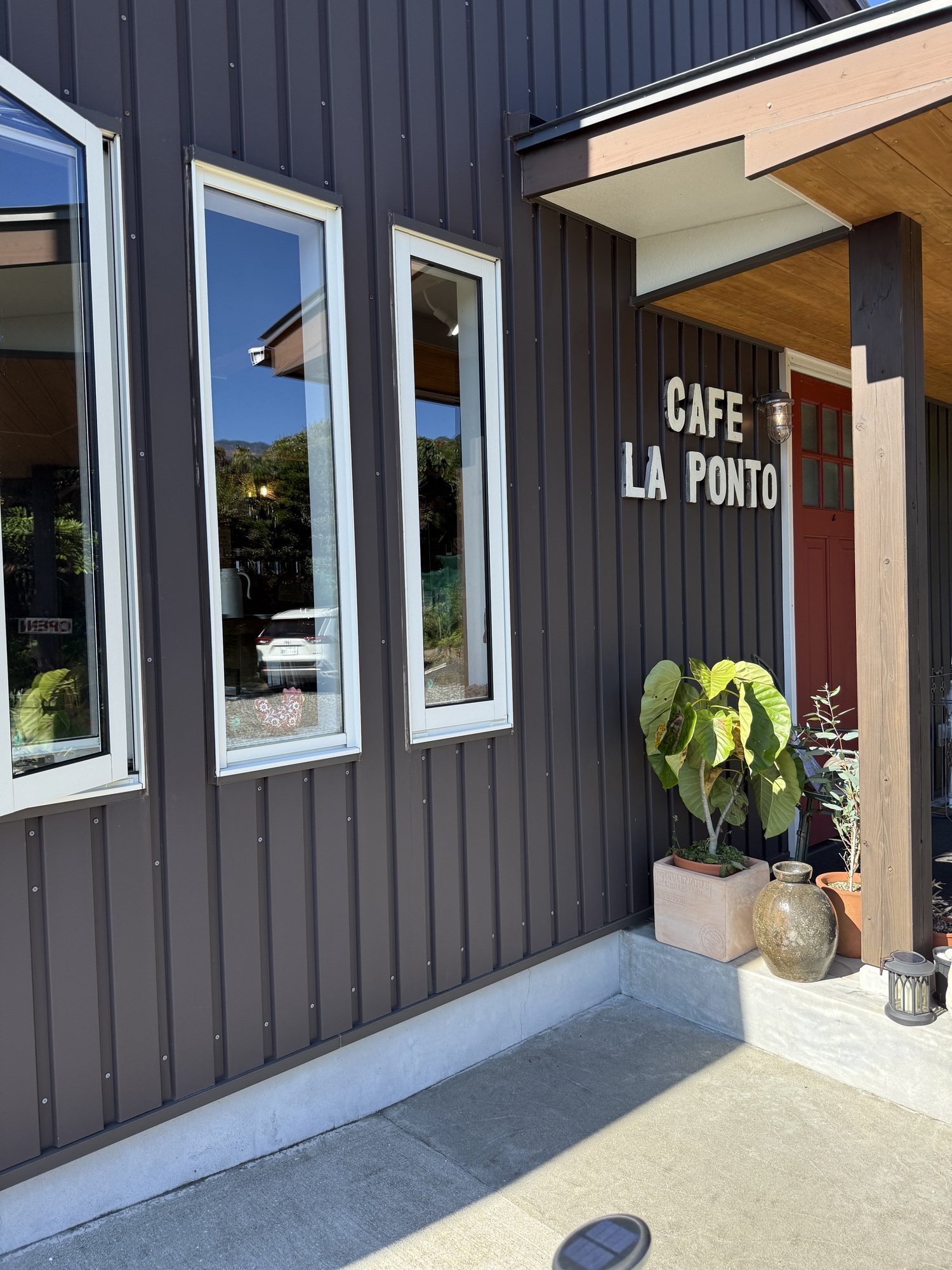
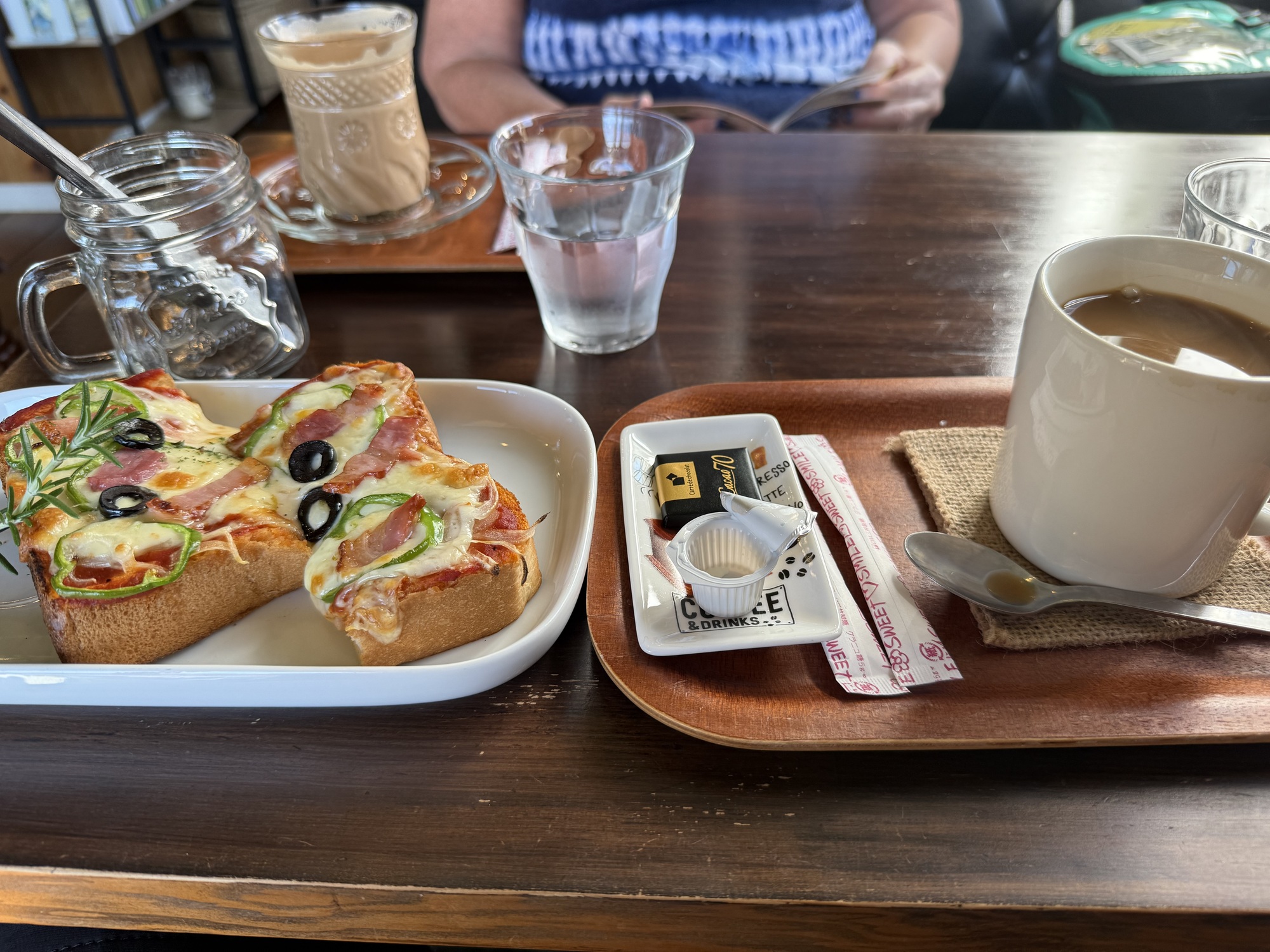
As we rode back and forth looking for accomodation last night, we noticed this cafe not far from the campground. We’ll check it out, have a second breakfast and hope that we can charge our batteries while we eat.
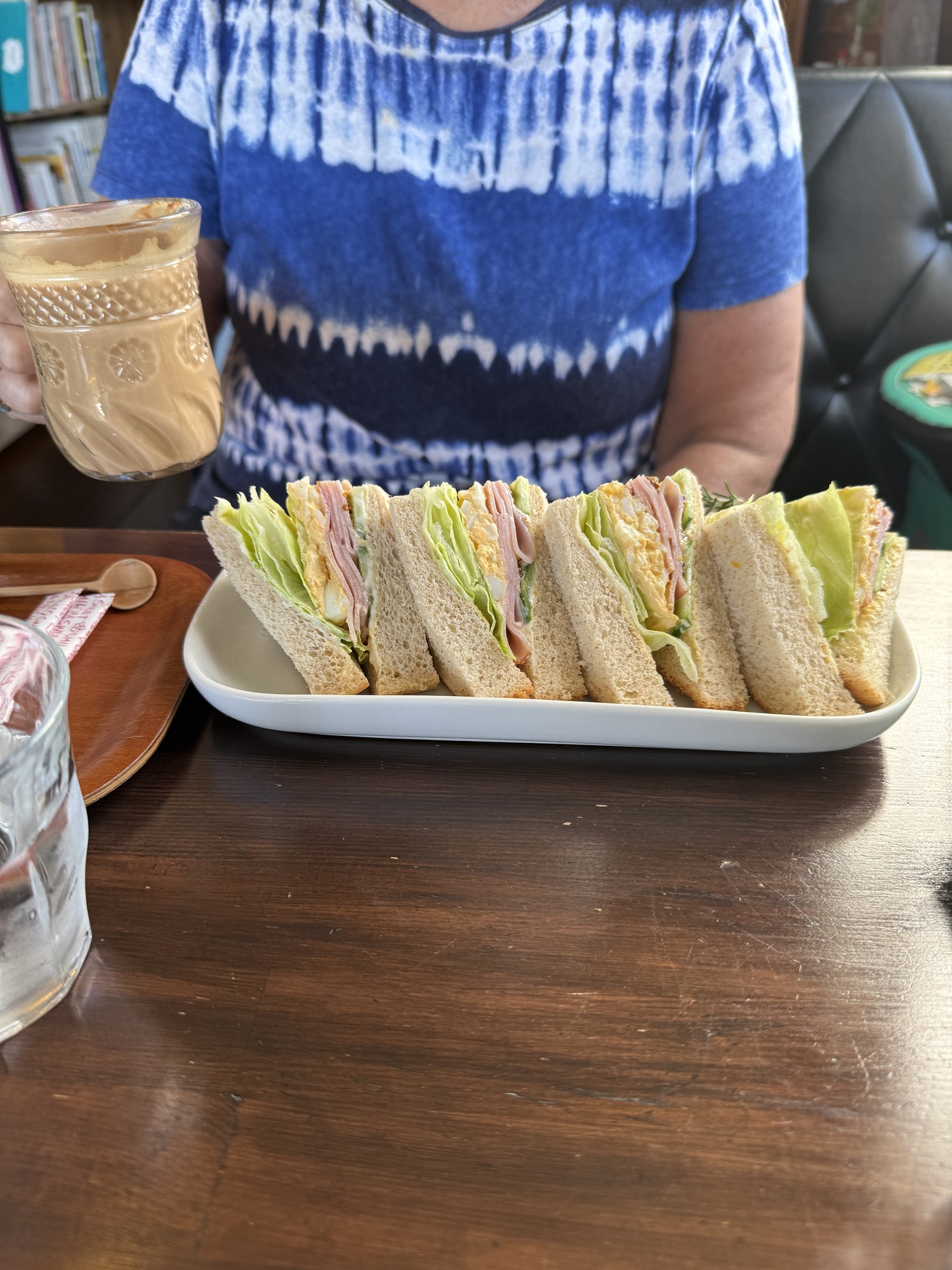
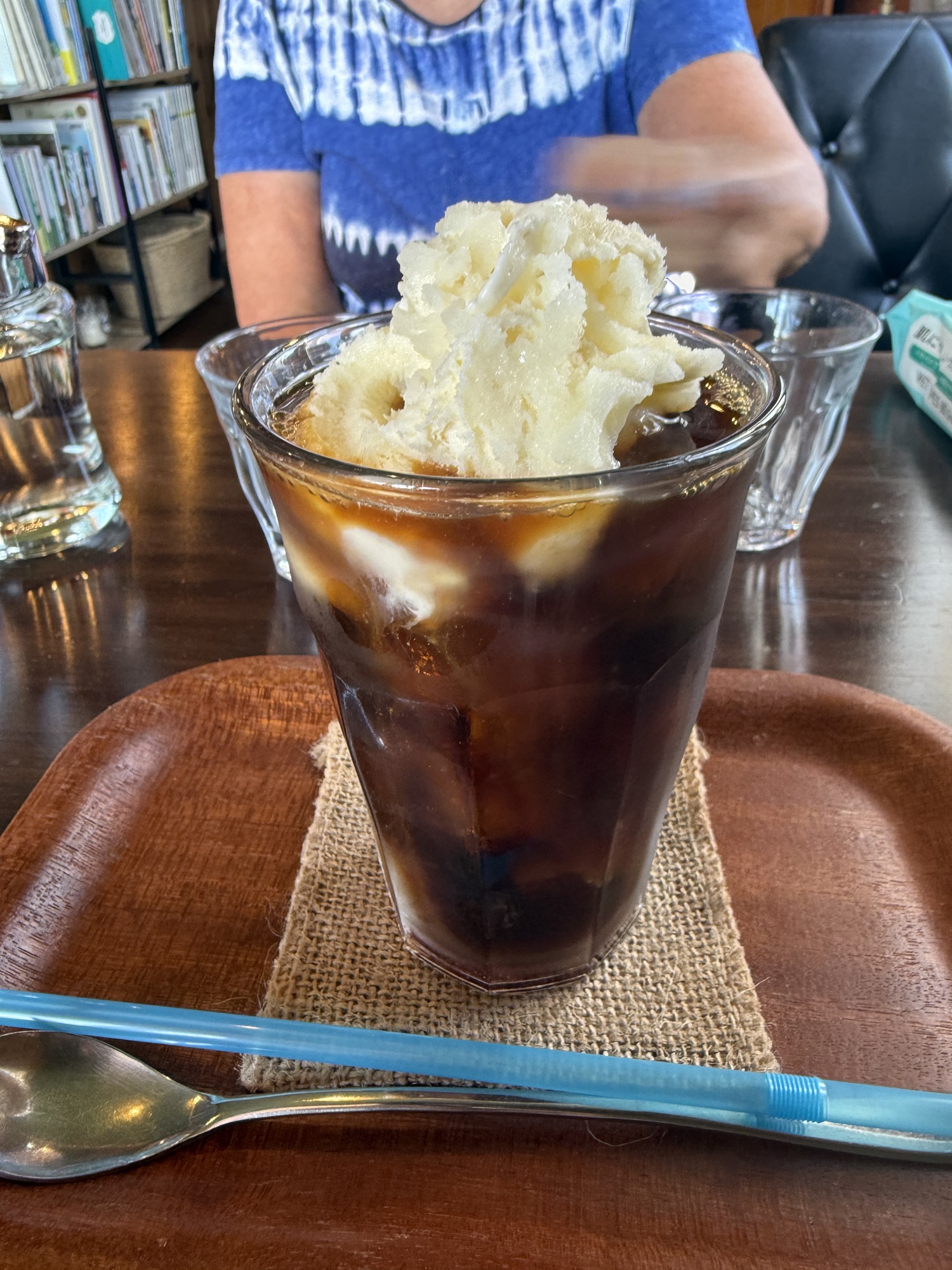
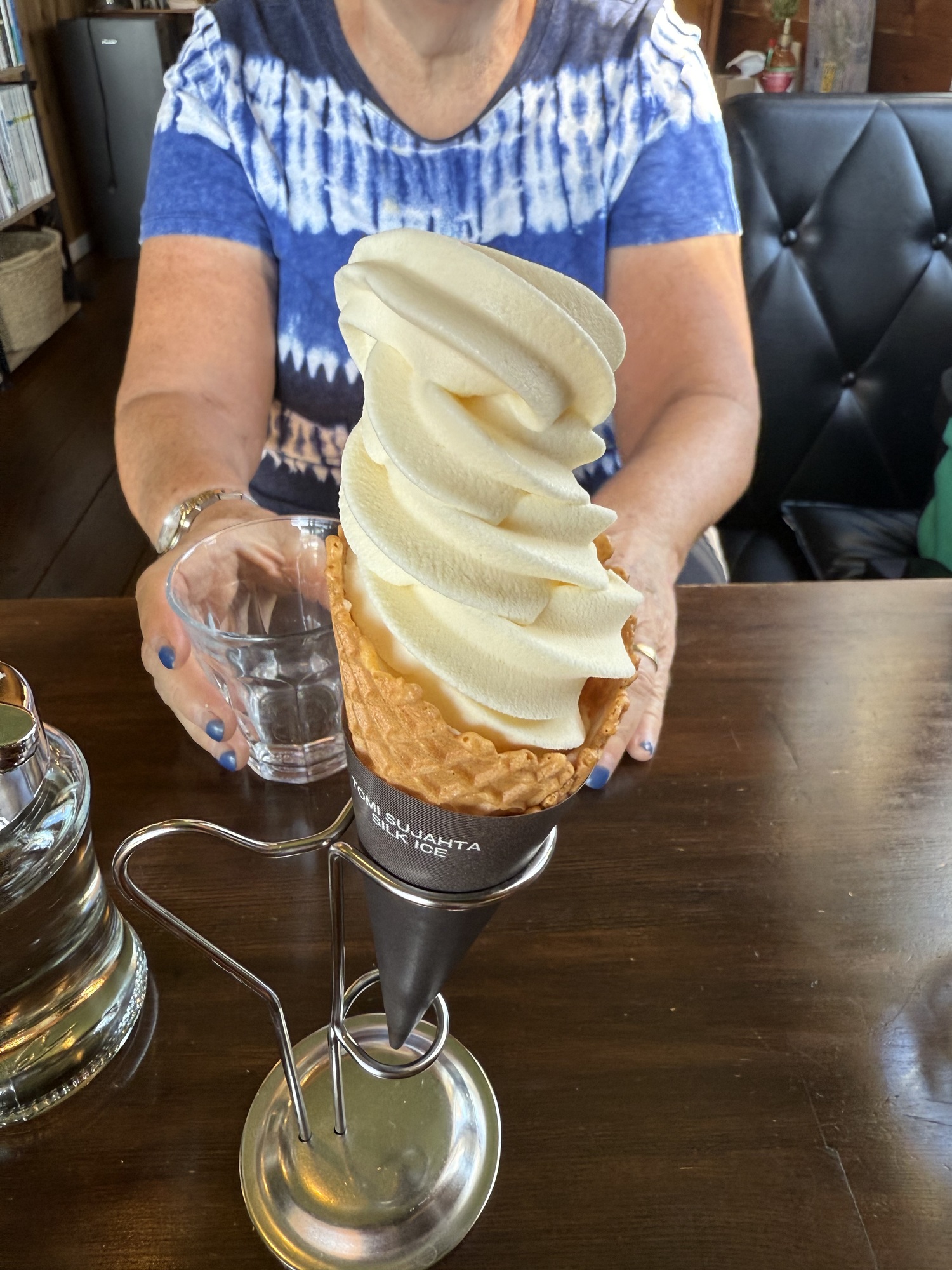
This cafe is a gem. It is owned and run by a local woman who cooks, serves and offers great hospitality. She was happy to let us charge our batteries while we ate.
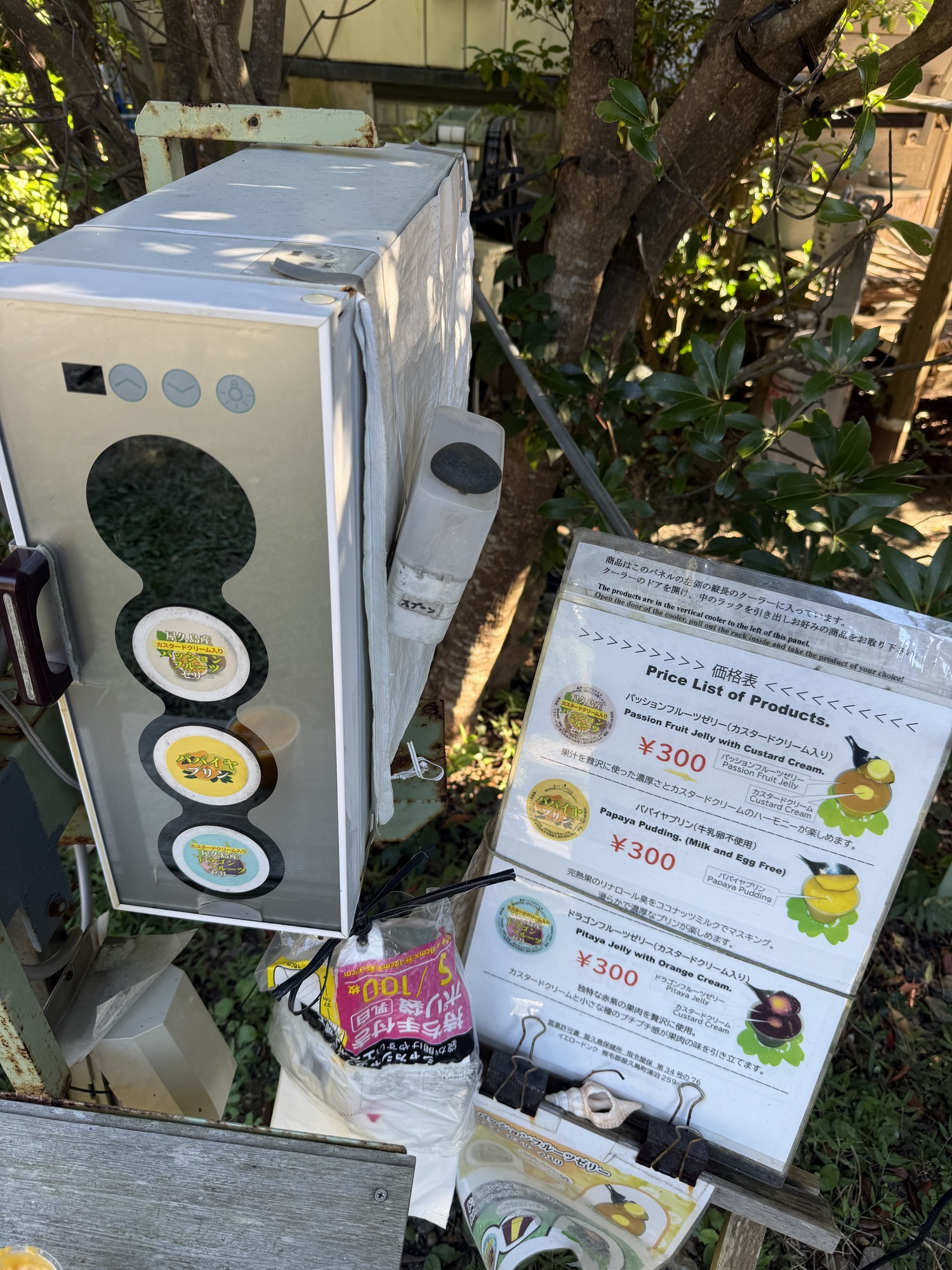
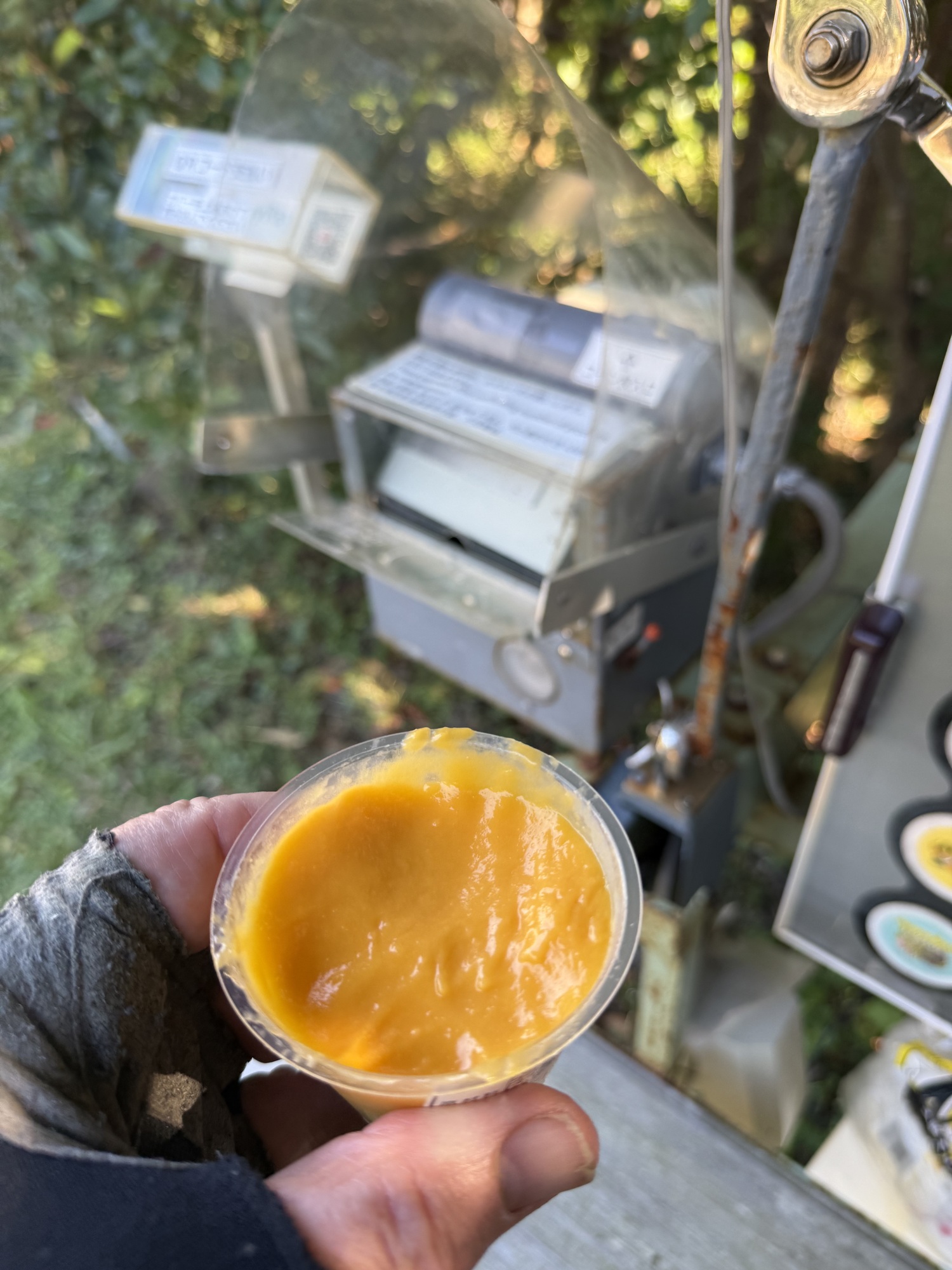
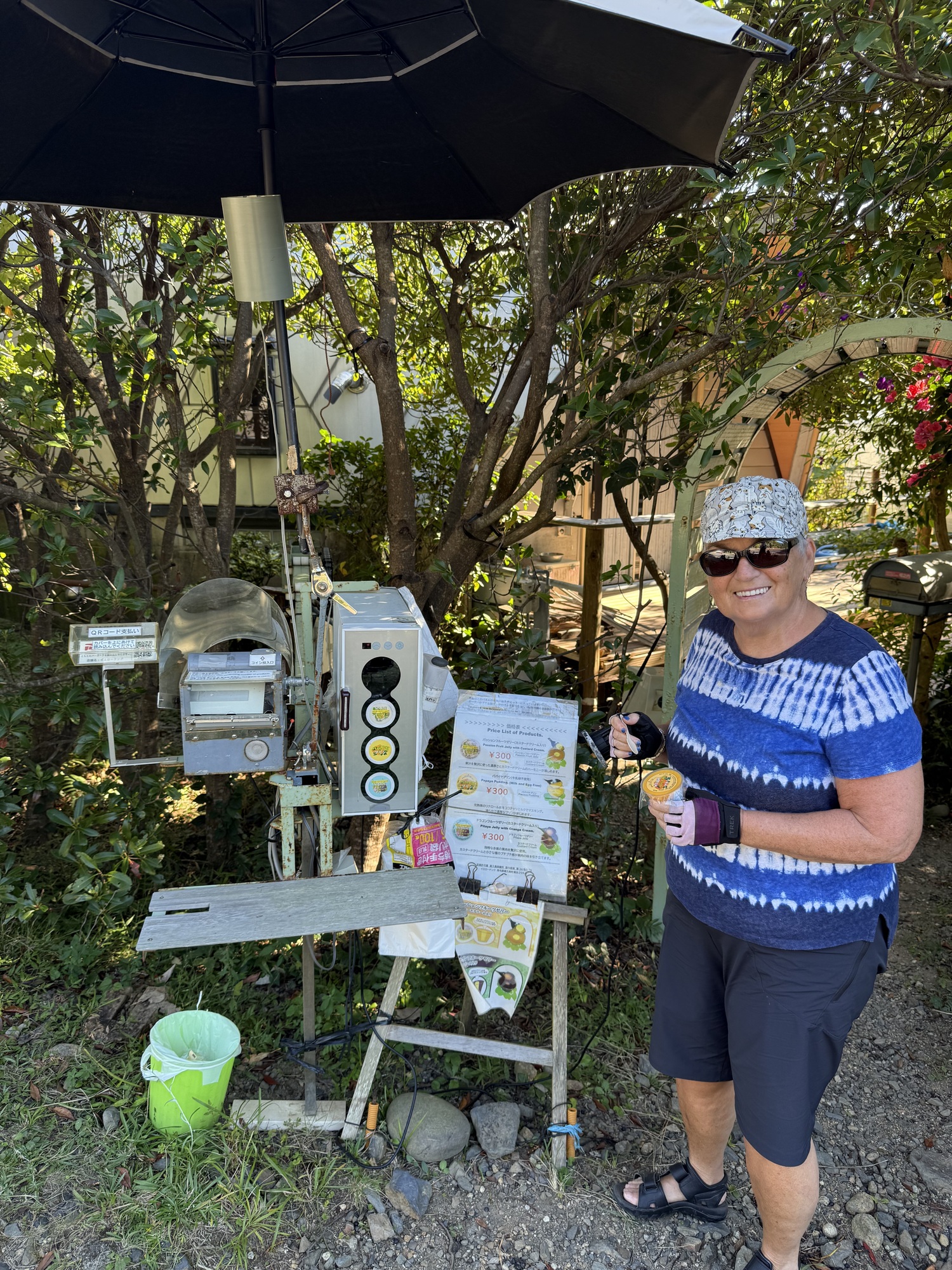
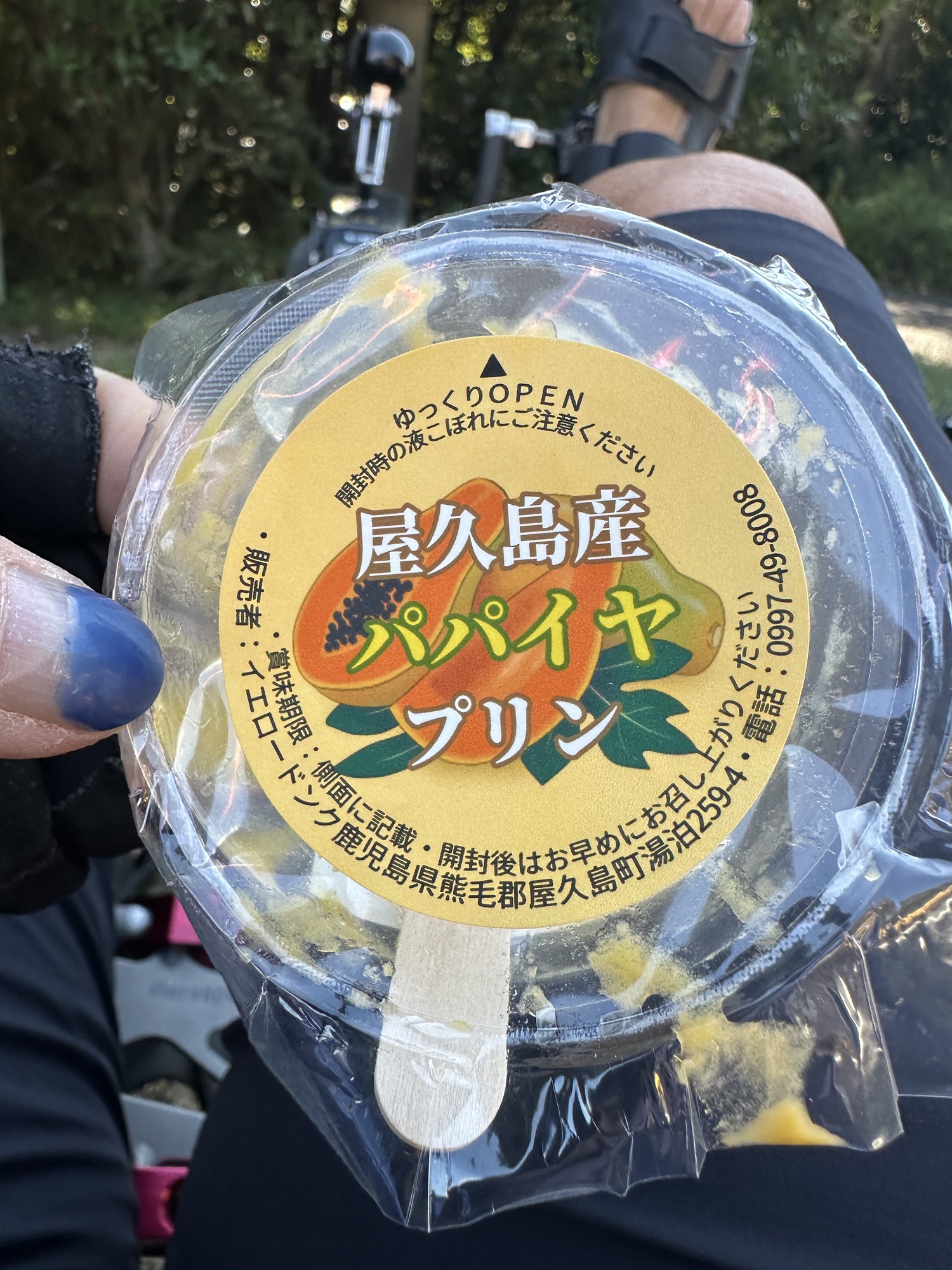
This local business has a dispenser at the road where you can self serve and pay. In Japan we have developed a fondness for jellies and puddings as they are so good. We tried one of each flavour that was available…delicious.
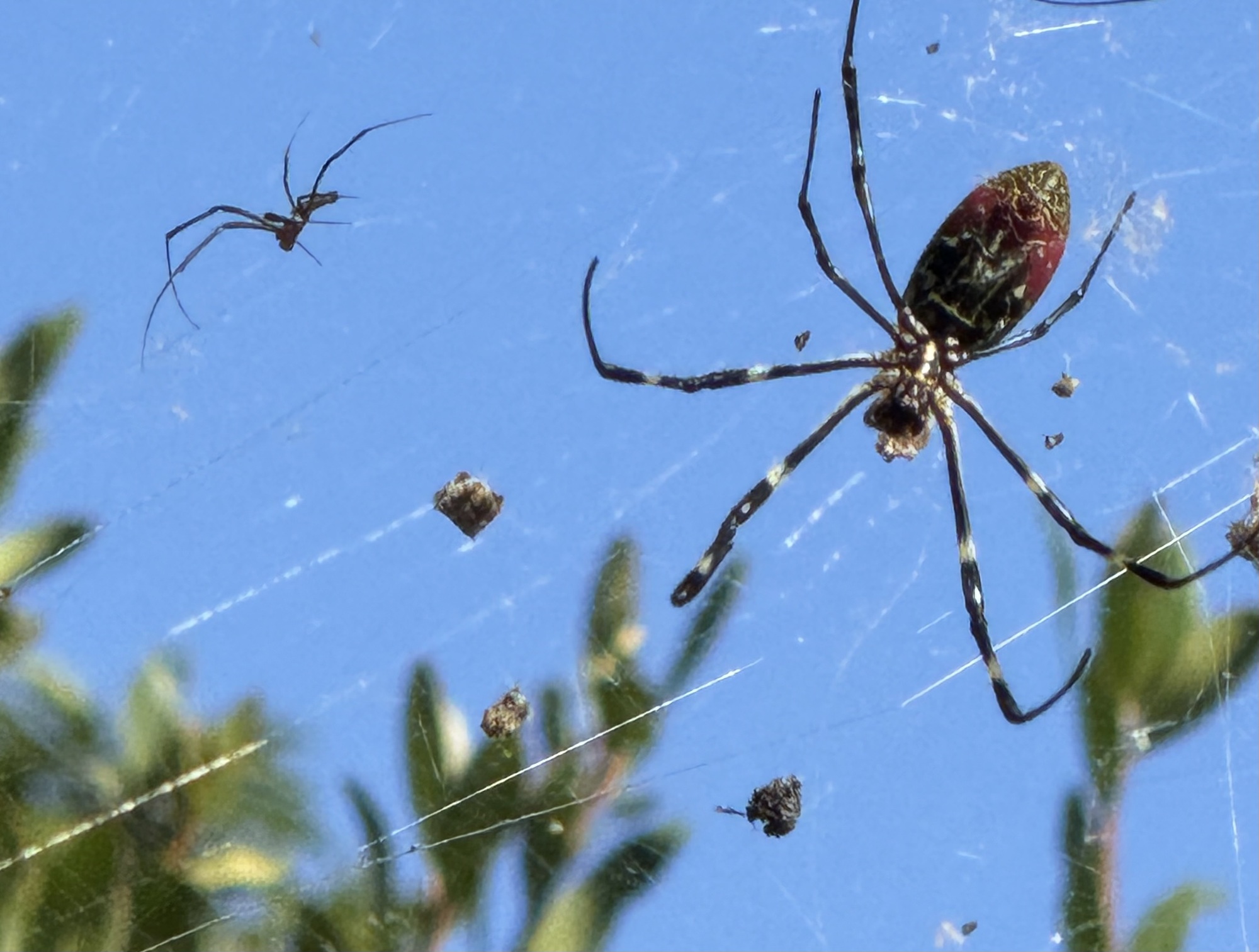
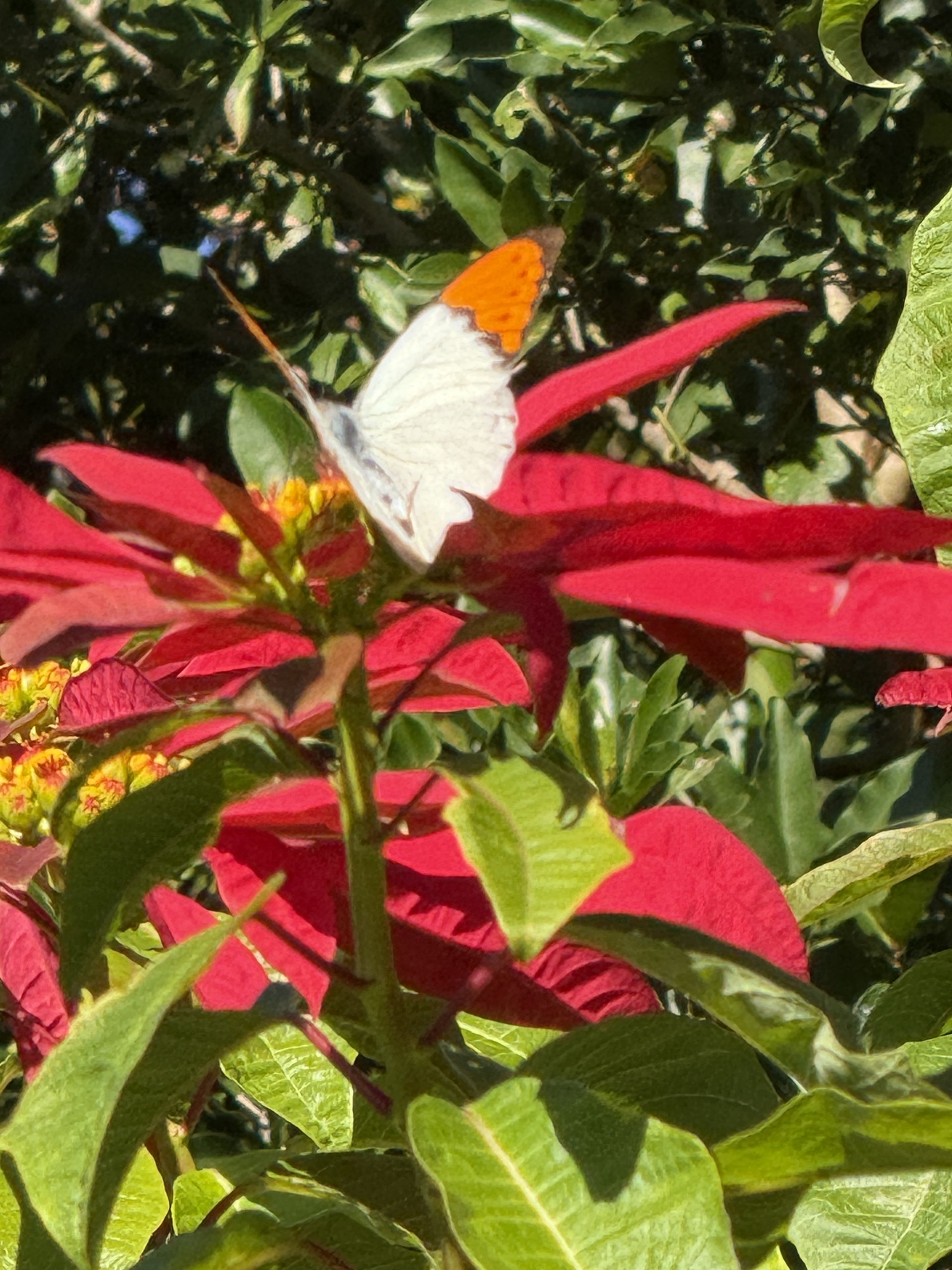
There are over 3,000 insect species found on Yakushima. There are multiple butterfly species on Yakushima, like the Red Helen which is the size of a human hand.
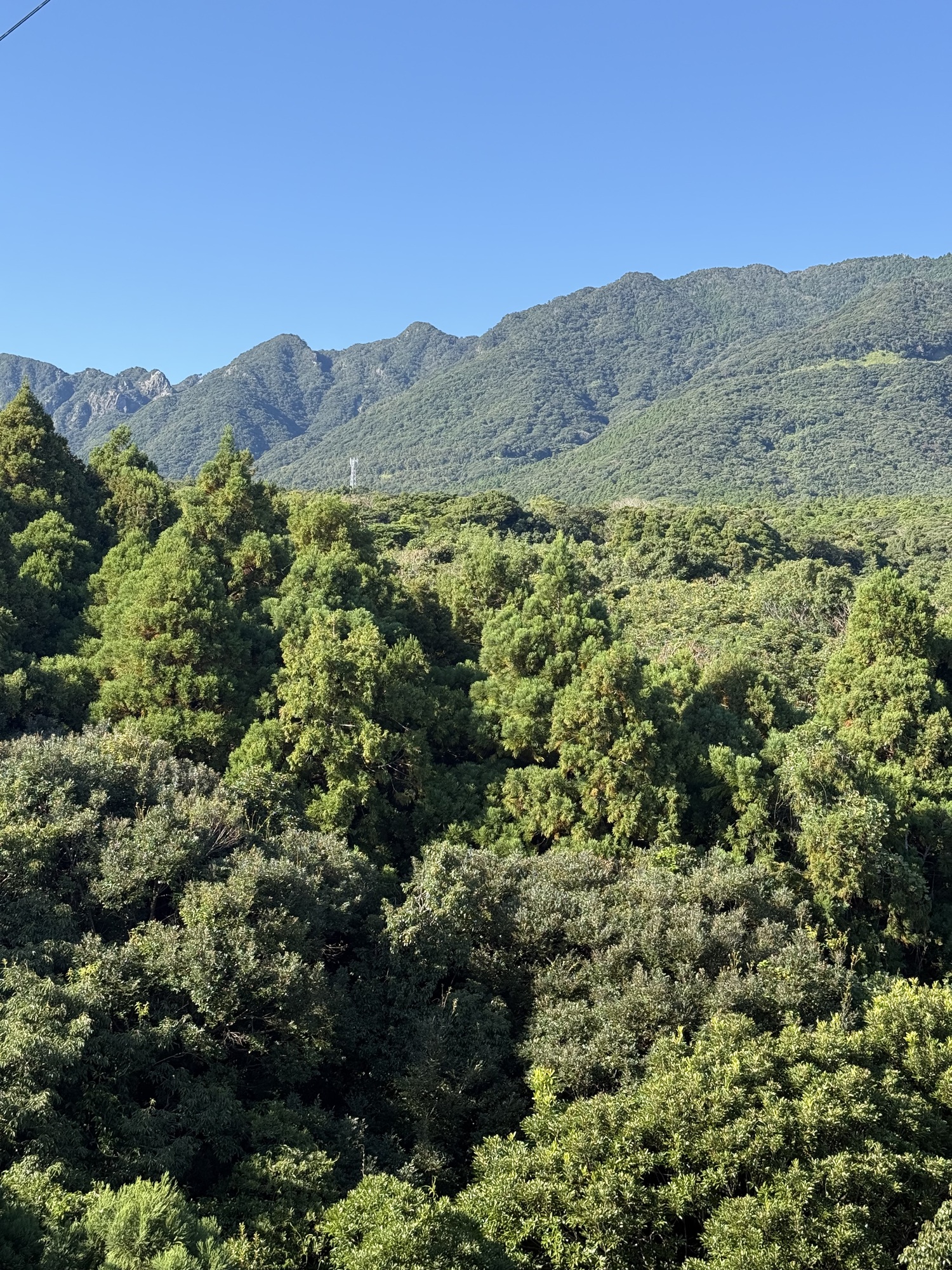
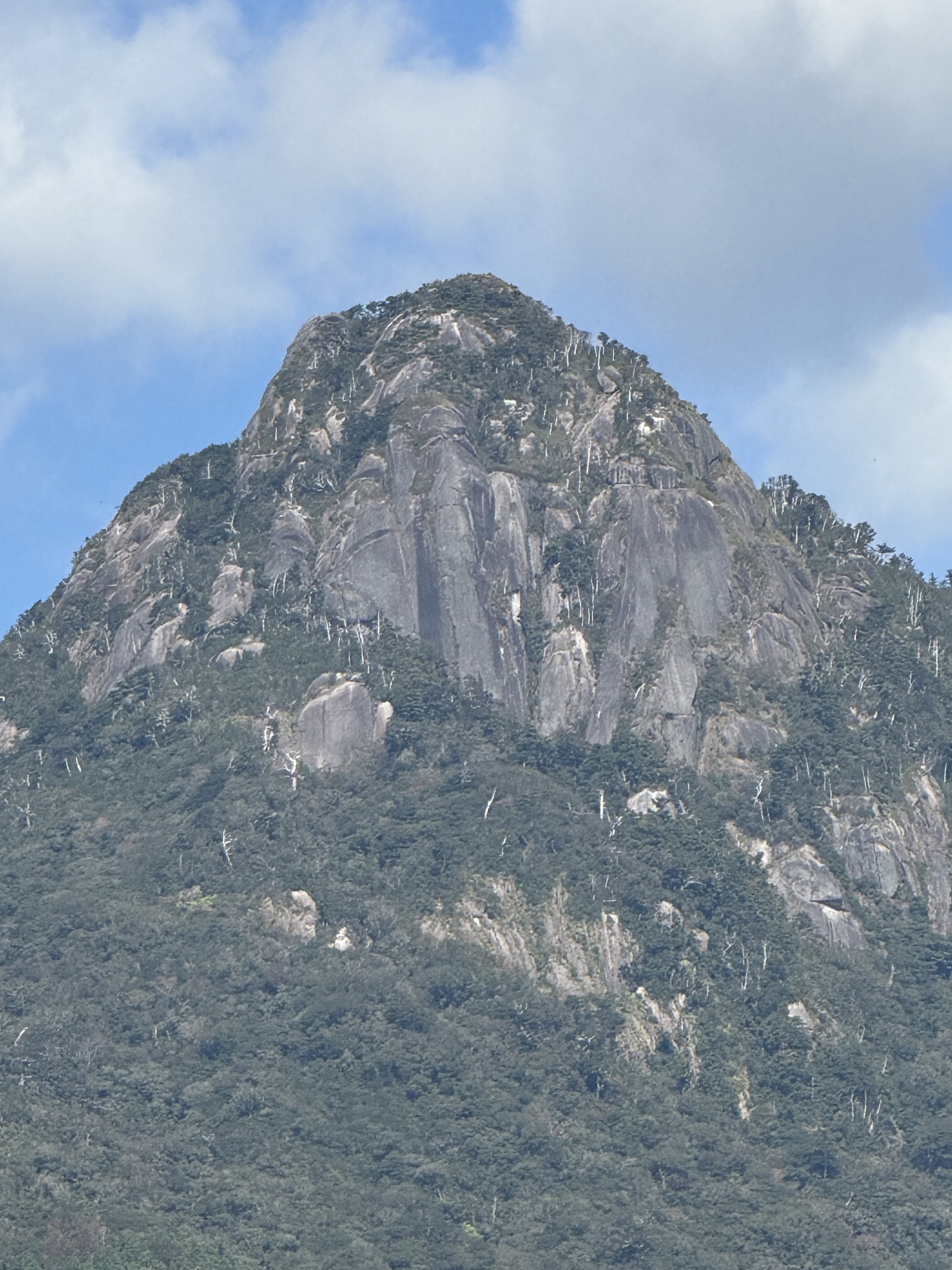
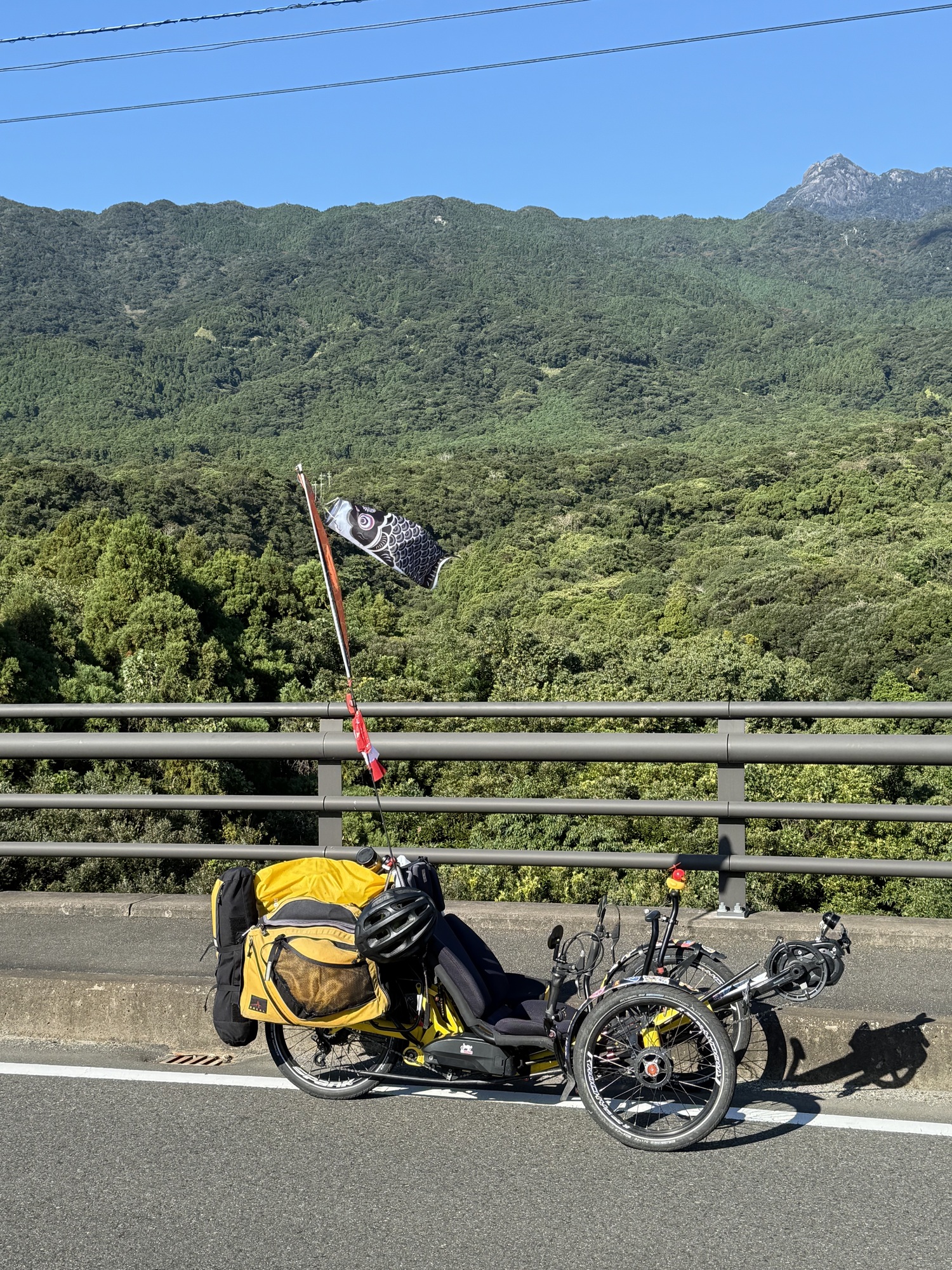
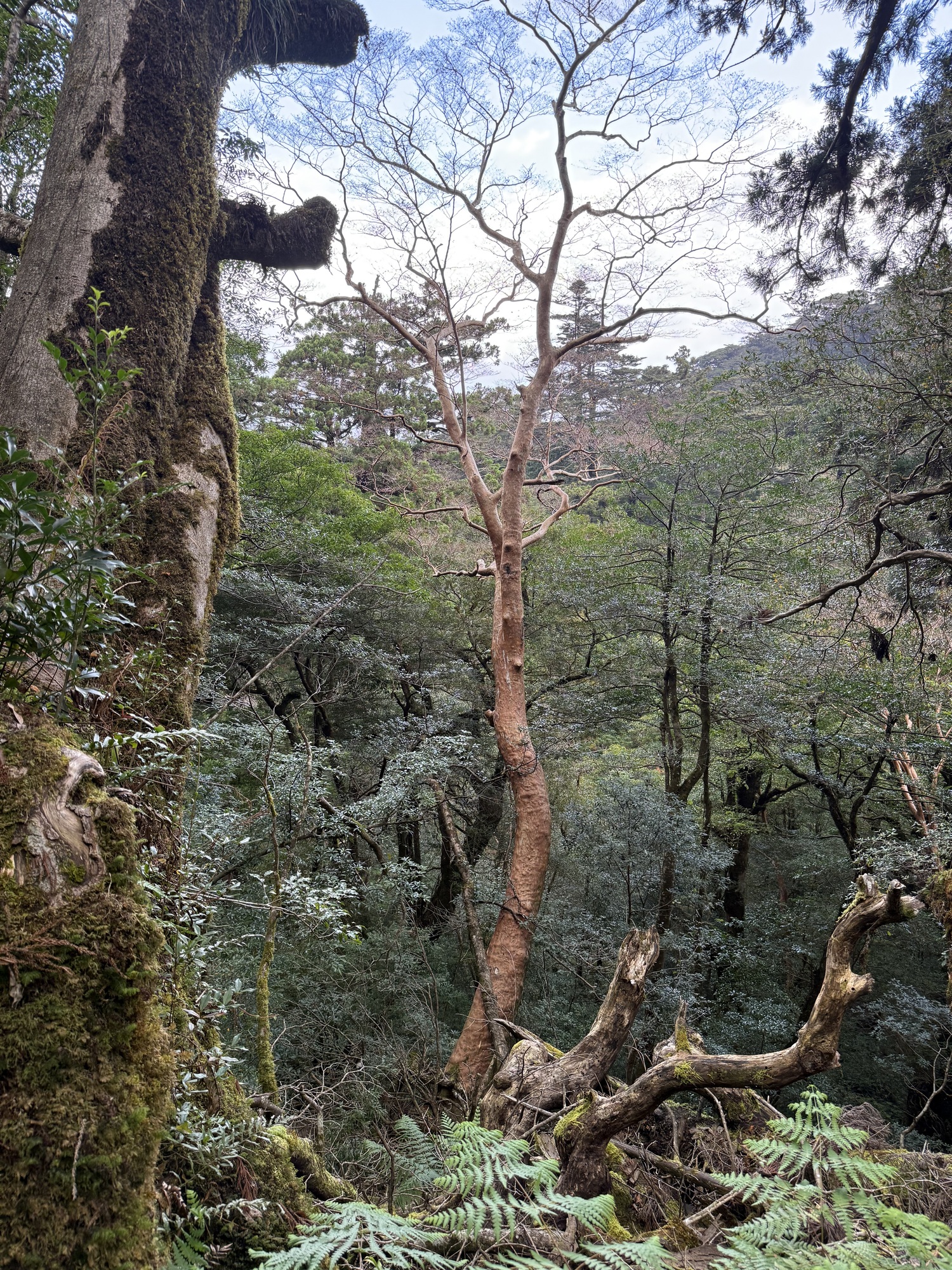
Stoppping to take in and admire the lush, forested mountainous terrain of Yakushima.
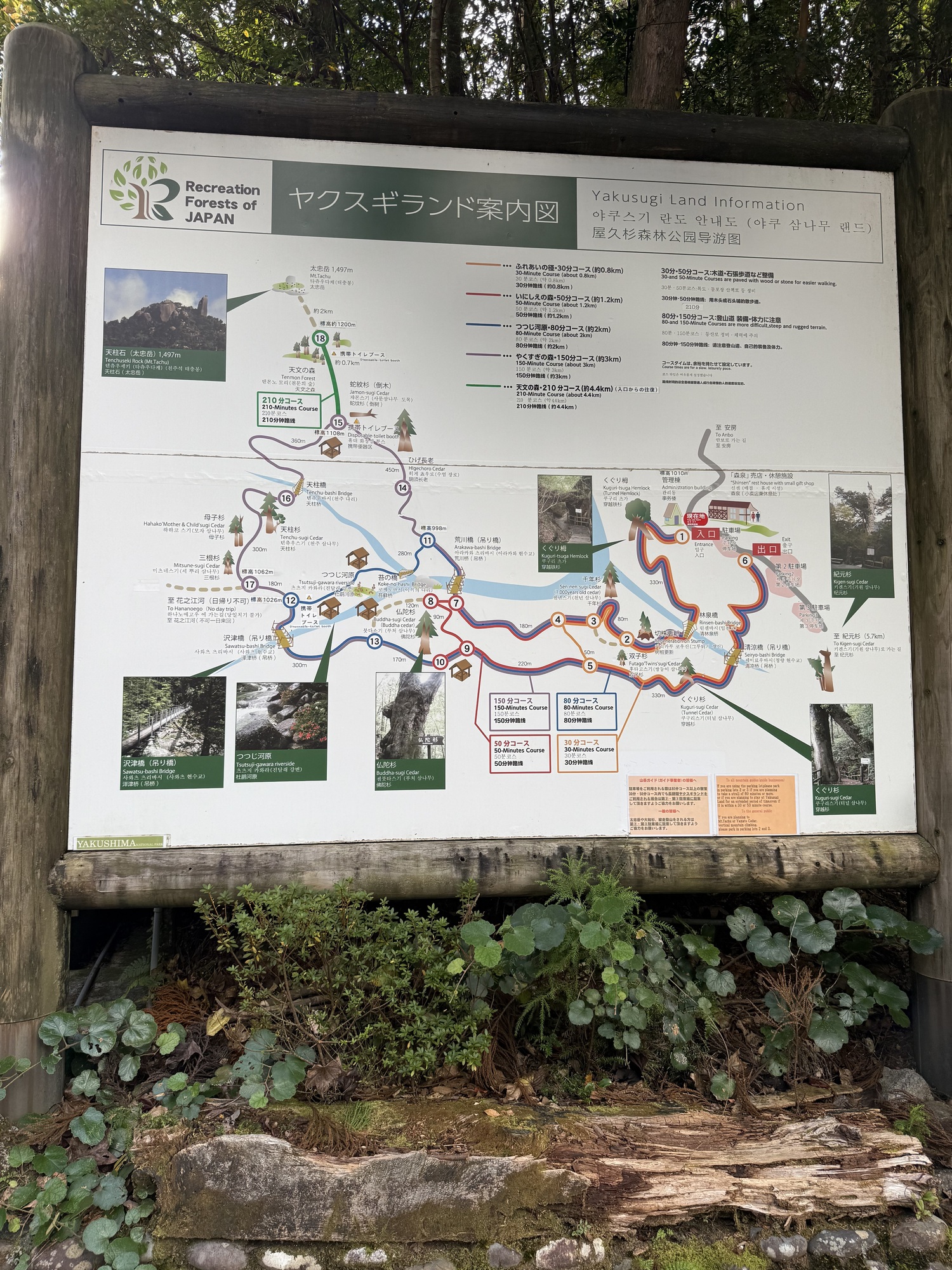
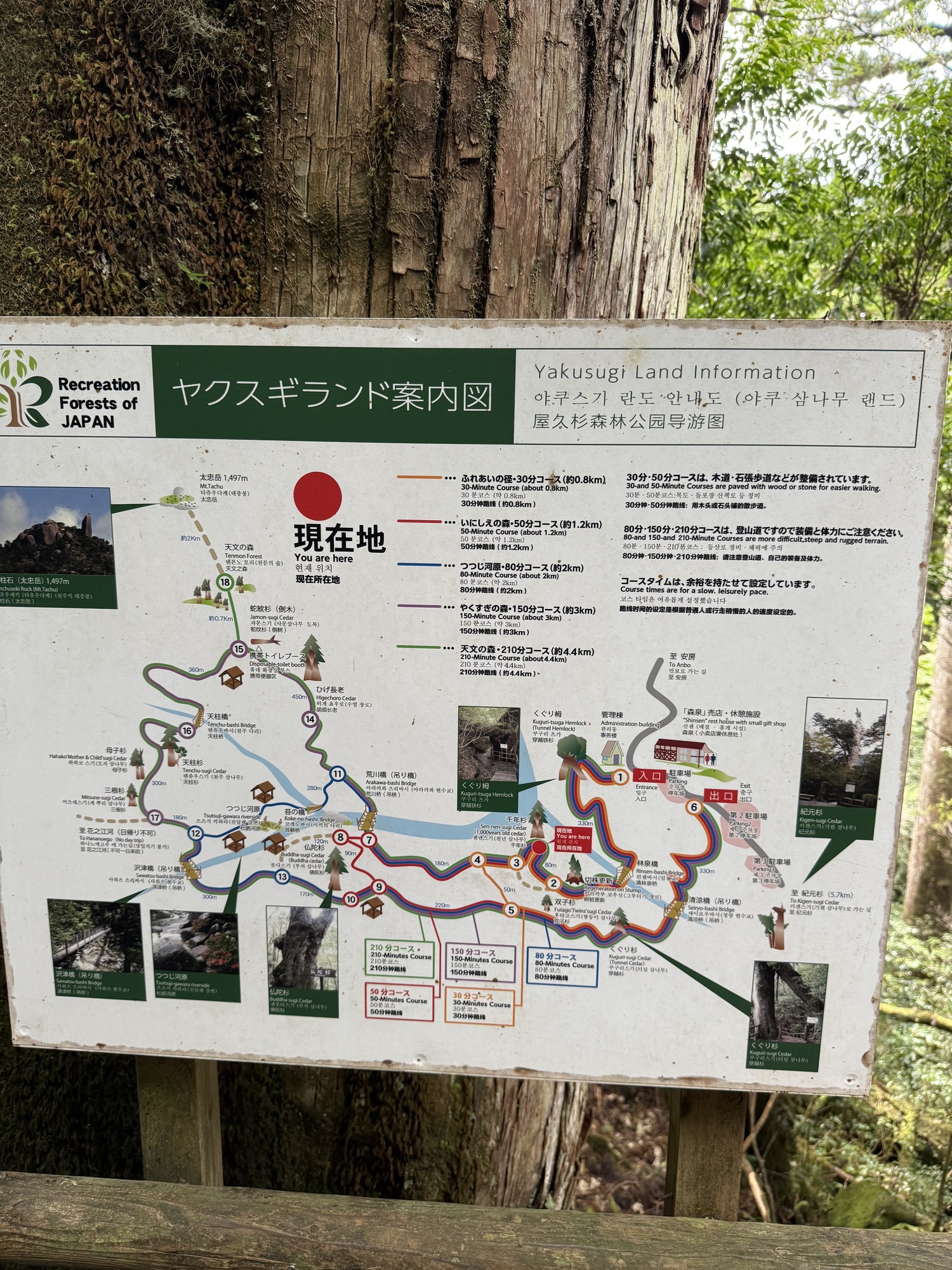
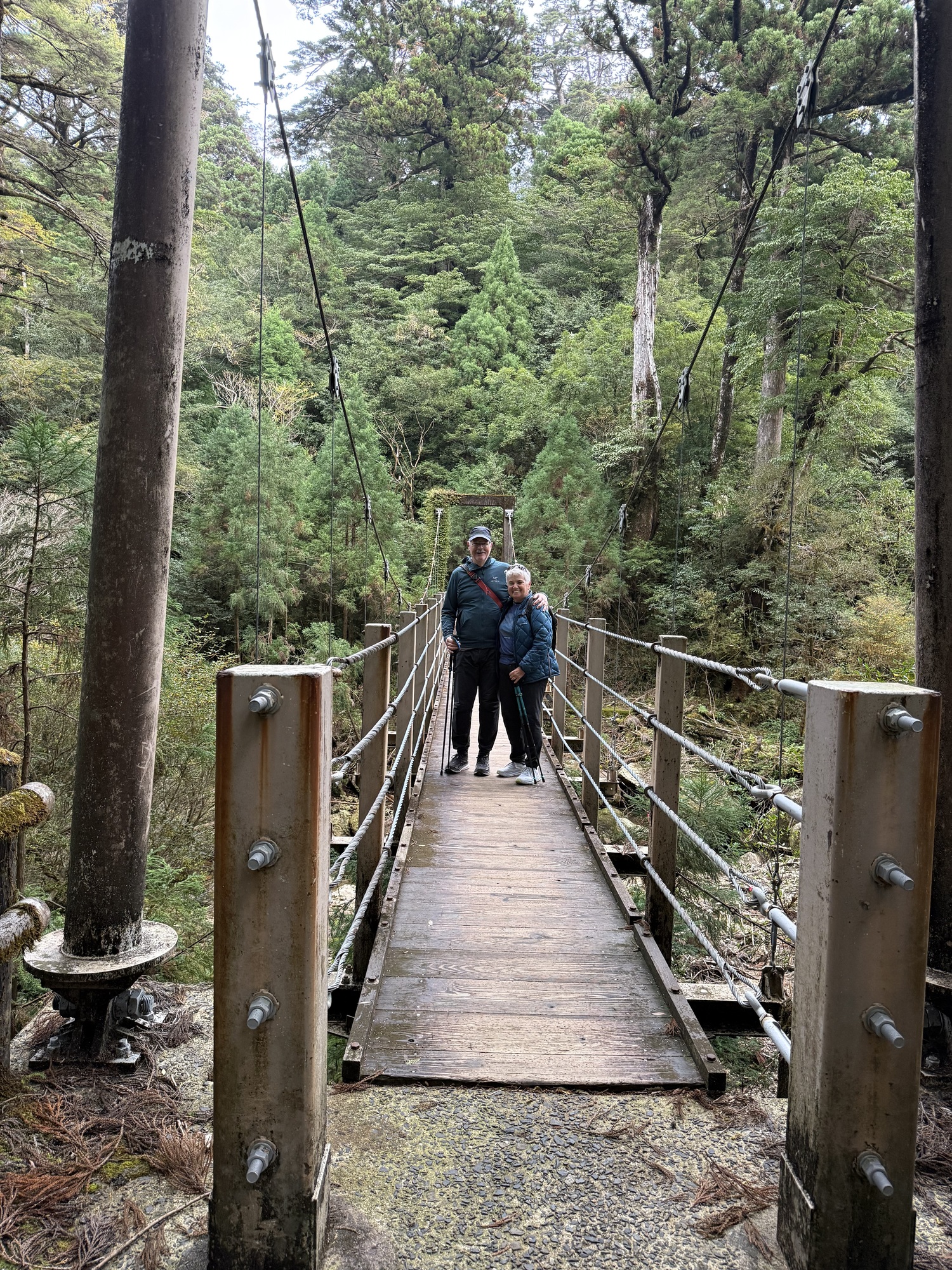
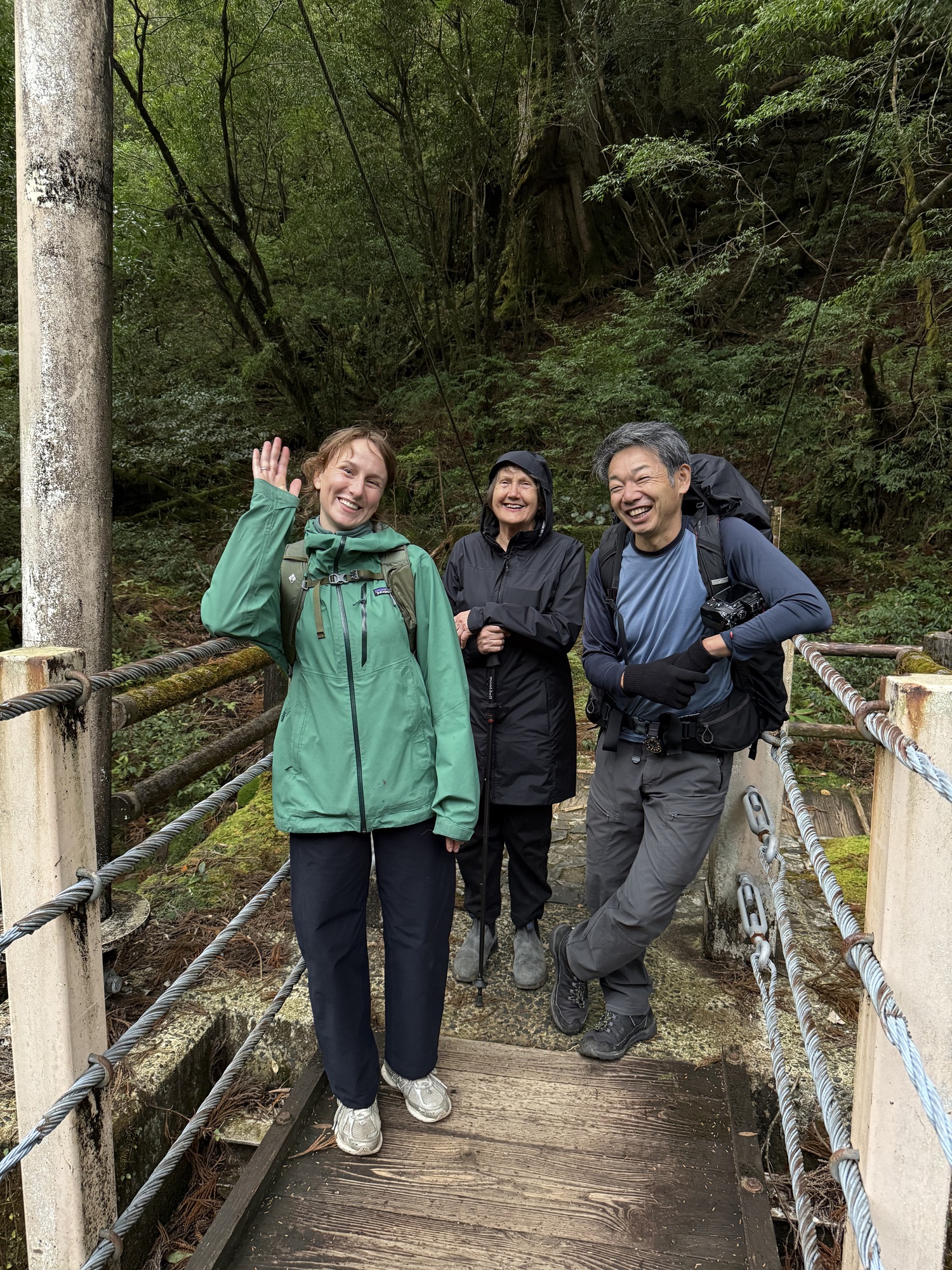
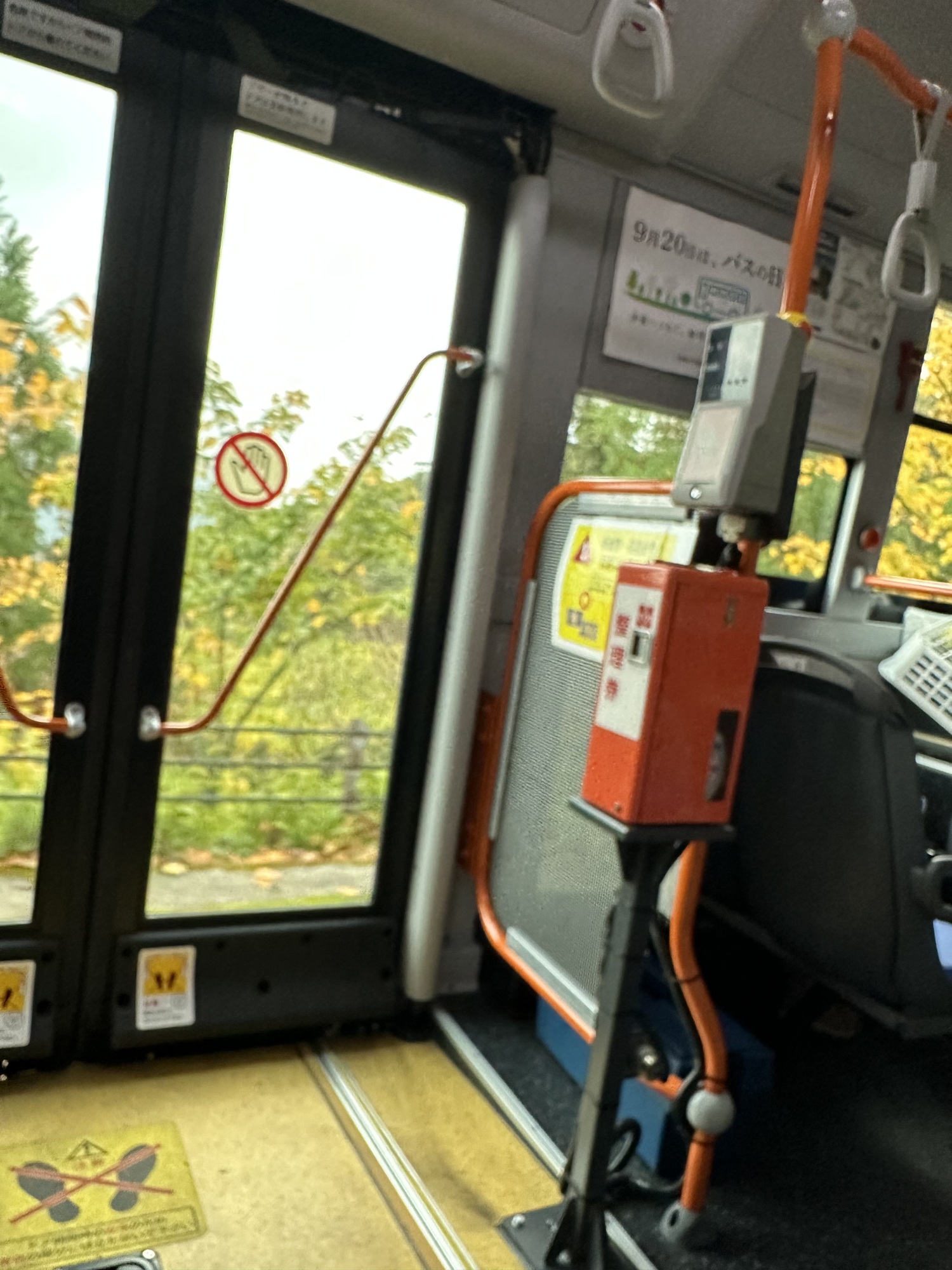
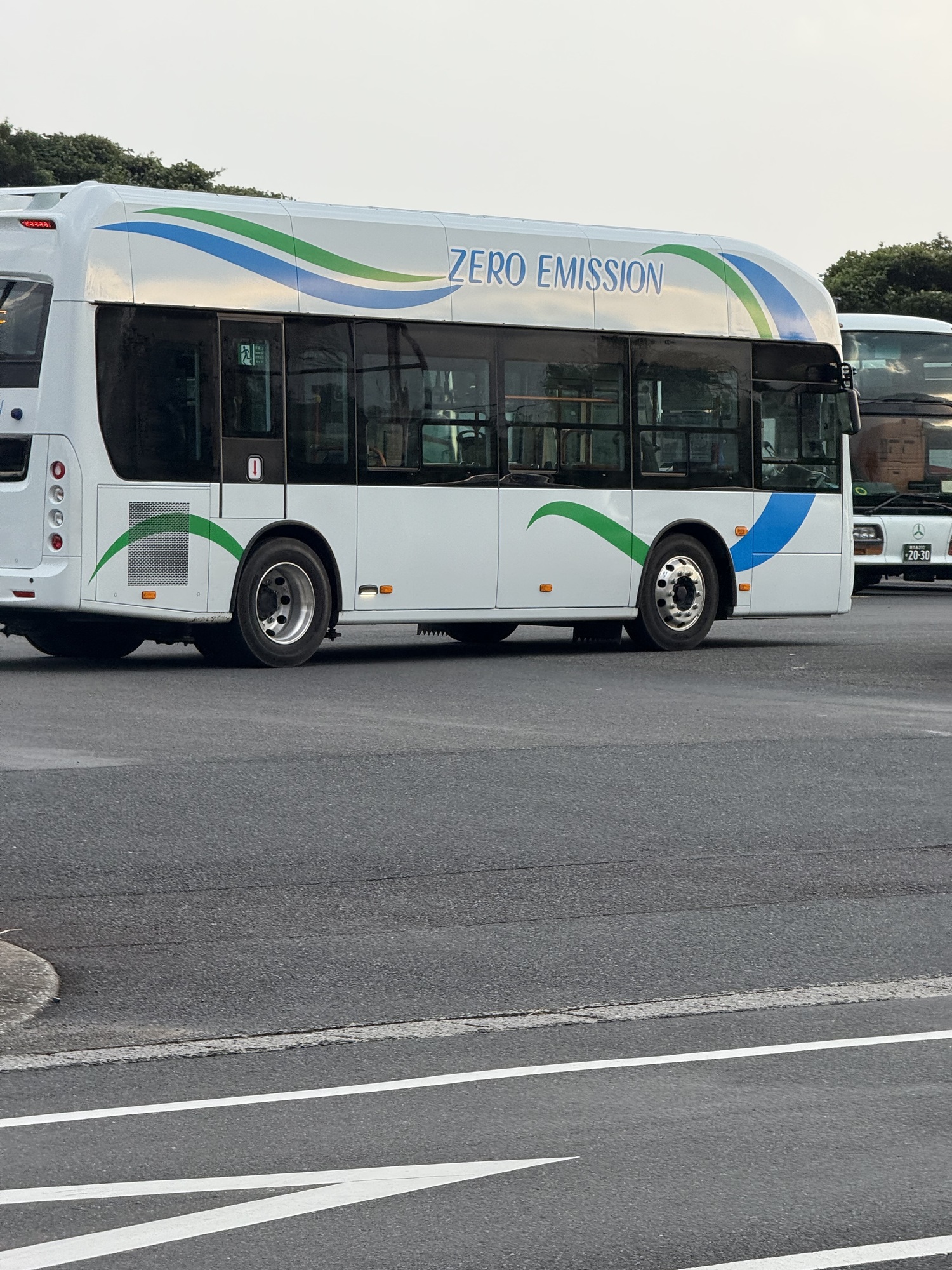
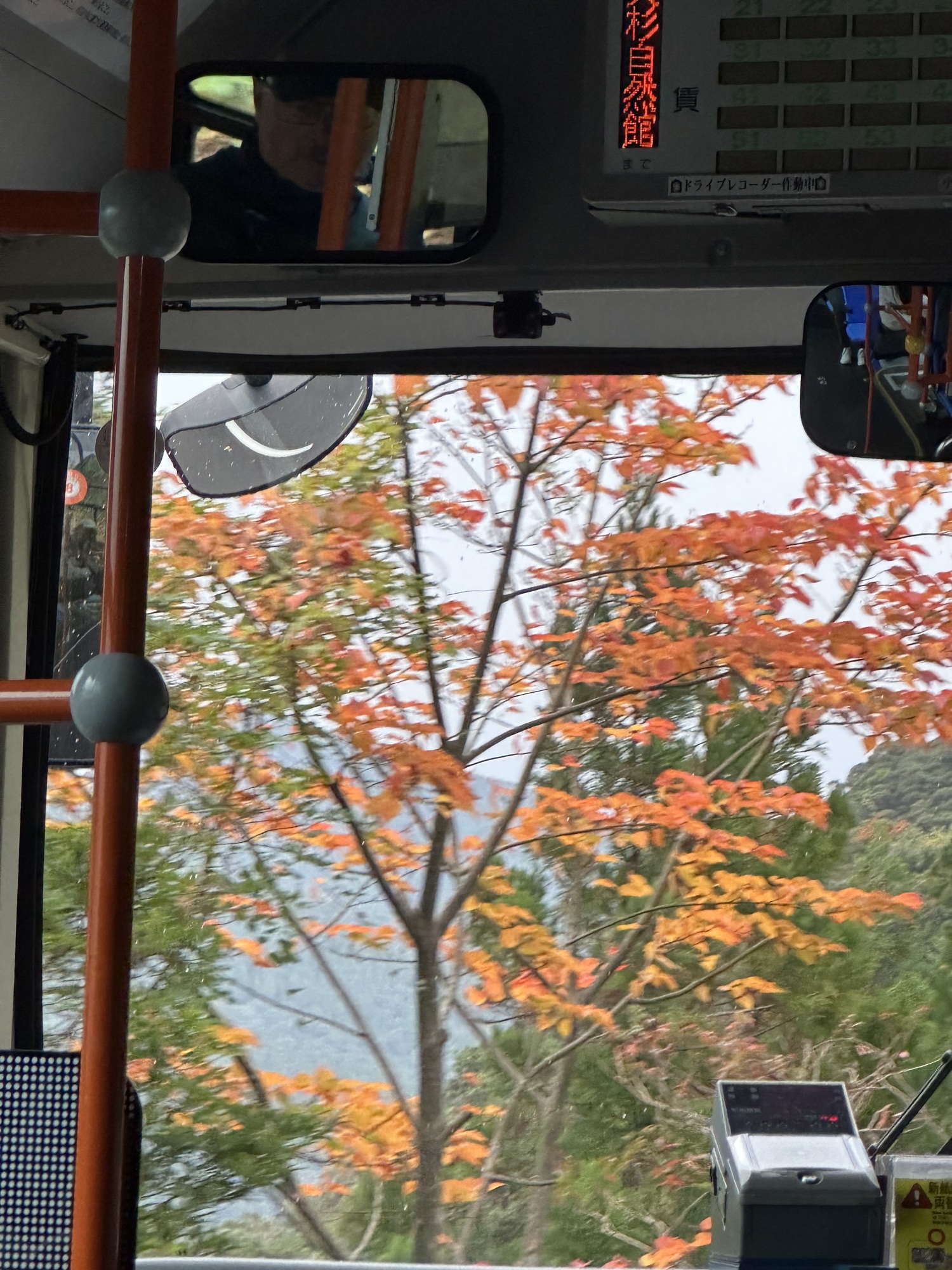
What fun it must be for people who come to mountain climb and hike here. We are planning a couple of hikes that are less difficult. We will take a bus up the mountain and explore.
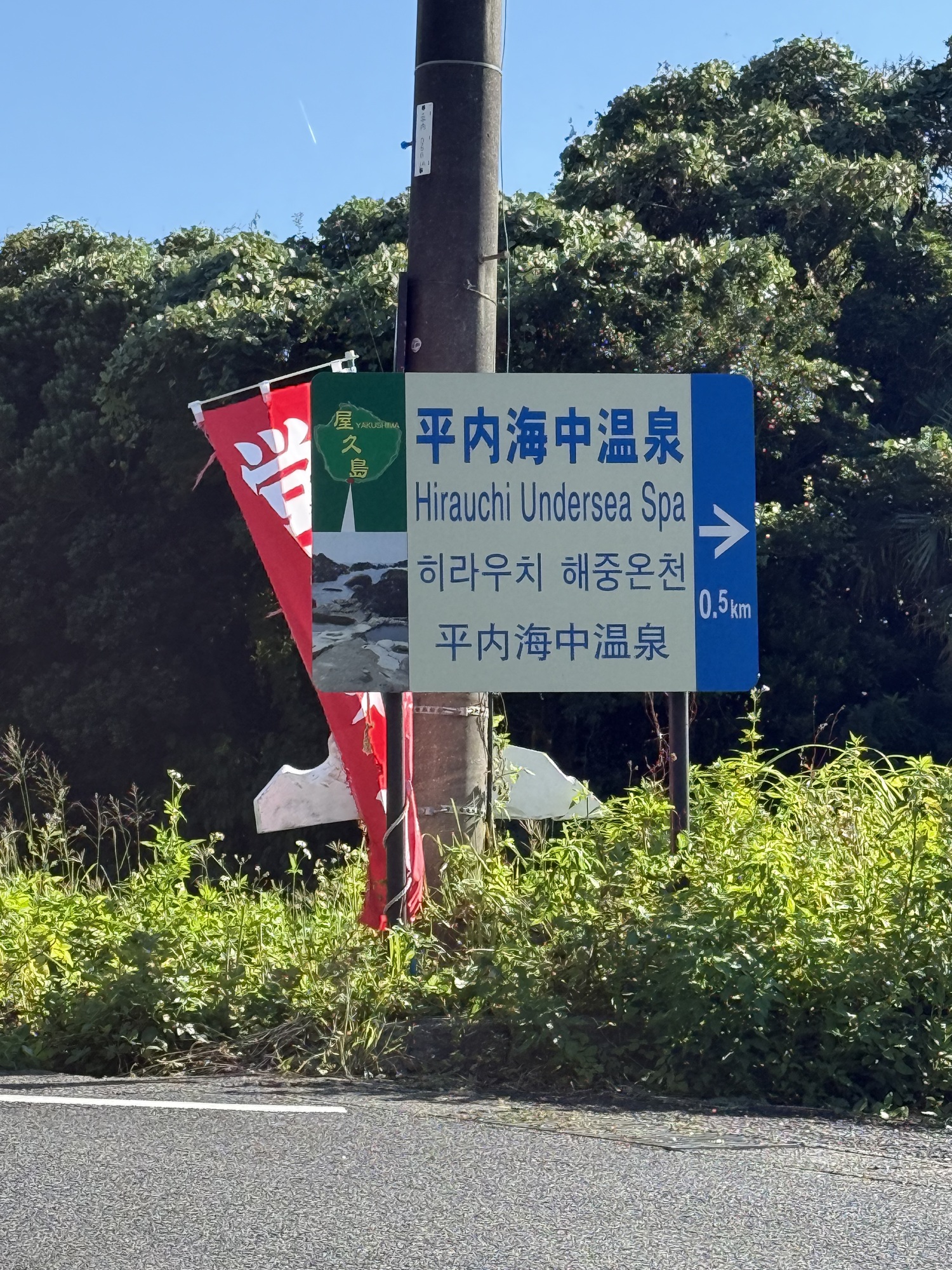
This outdoor hot spring bath only appears at low tide, twice a day and only two hours at a time. The water of this hot spring flows up from the bottom of the sea into natural rock pools. It has been used by locals for over 400 years. The Onsen is a shared, mixed gender, bath. Wearing any item of clothing, including bathing suits are not allowed.
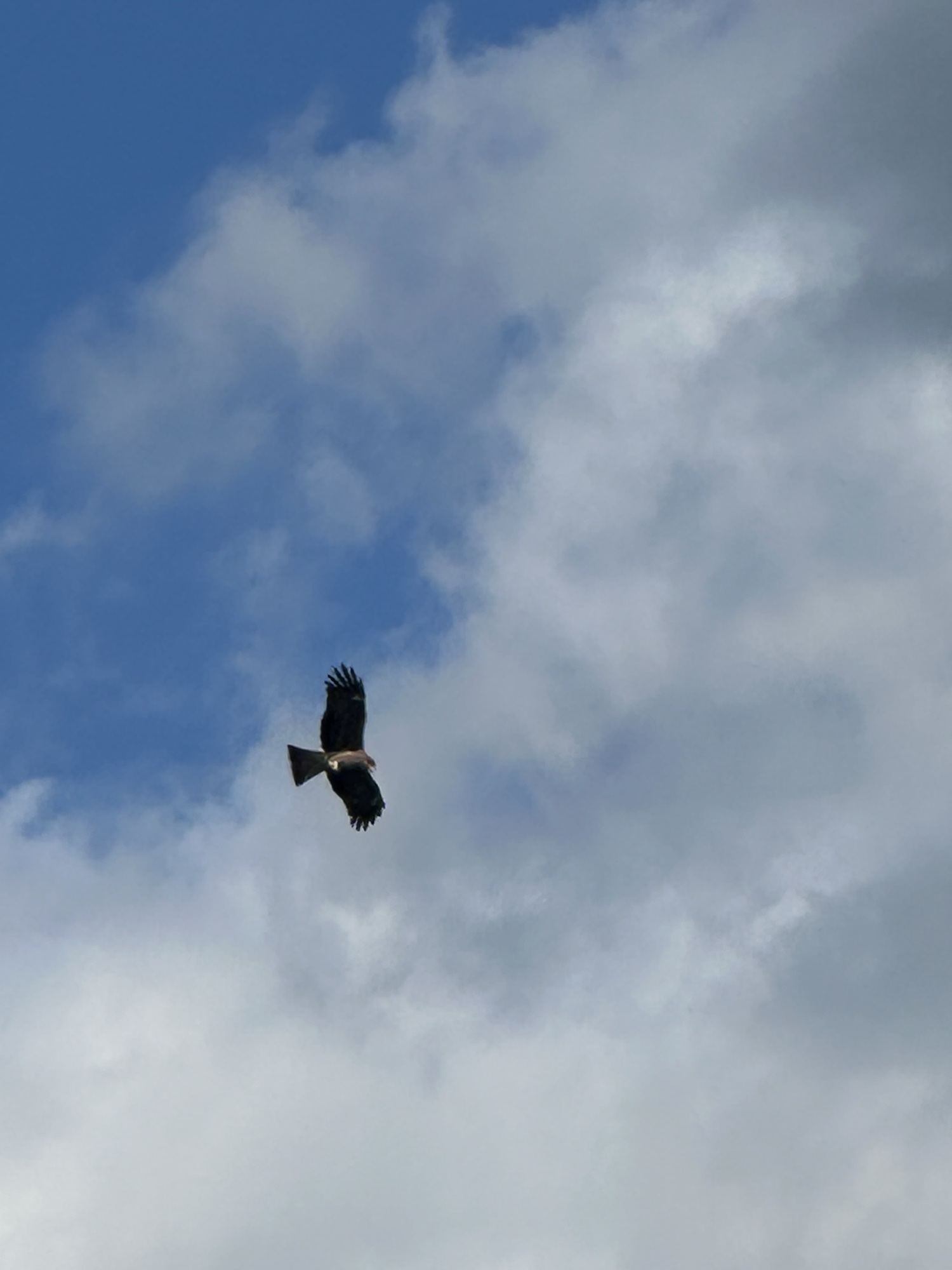
The Japanese Black Kite (or the Tobi in Japanese) seems to be a common companion for us in Japan. They are majestic and fun to watch. The Tobi (Black Kite) is 9 e of Japan’s most familiar raptors. They are an opportunistic scavenger/hunter. We enjoy watching them in a heavy wind as they soar on high cutting into the wind.
Mary Ellen learned on a previous trip to be careful when eating outside if a kite is nearby. One minute she had a sandwich in her hand and with lightning speed, it was no more. It was so fast and efficient.. They are attracted to smoke and fire where they search for escaping prey.
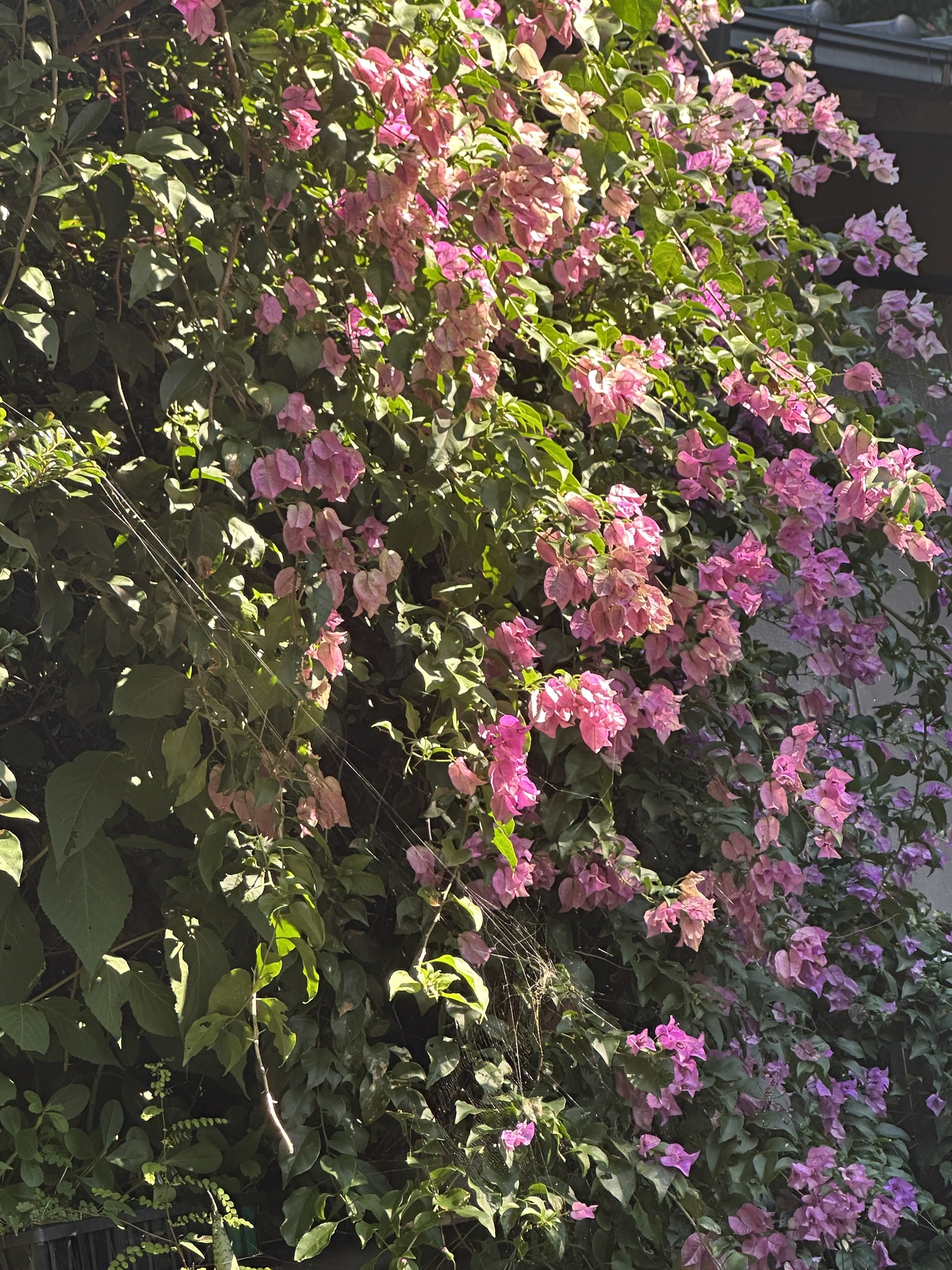
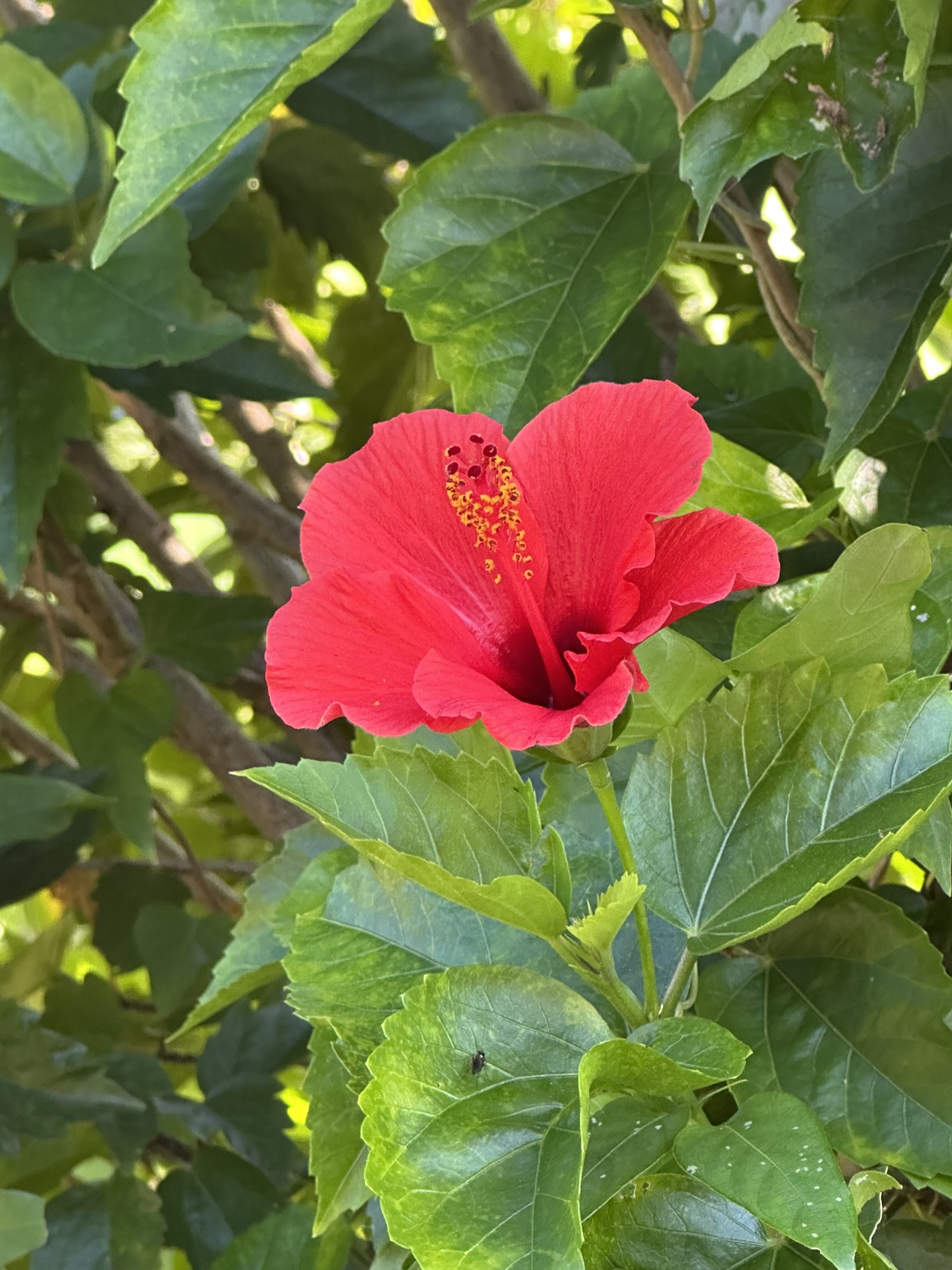
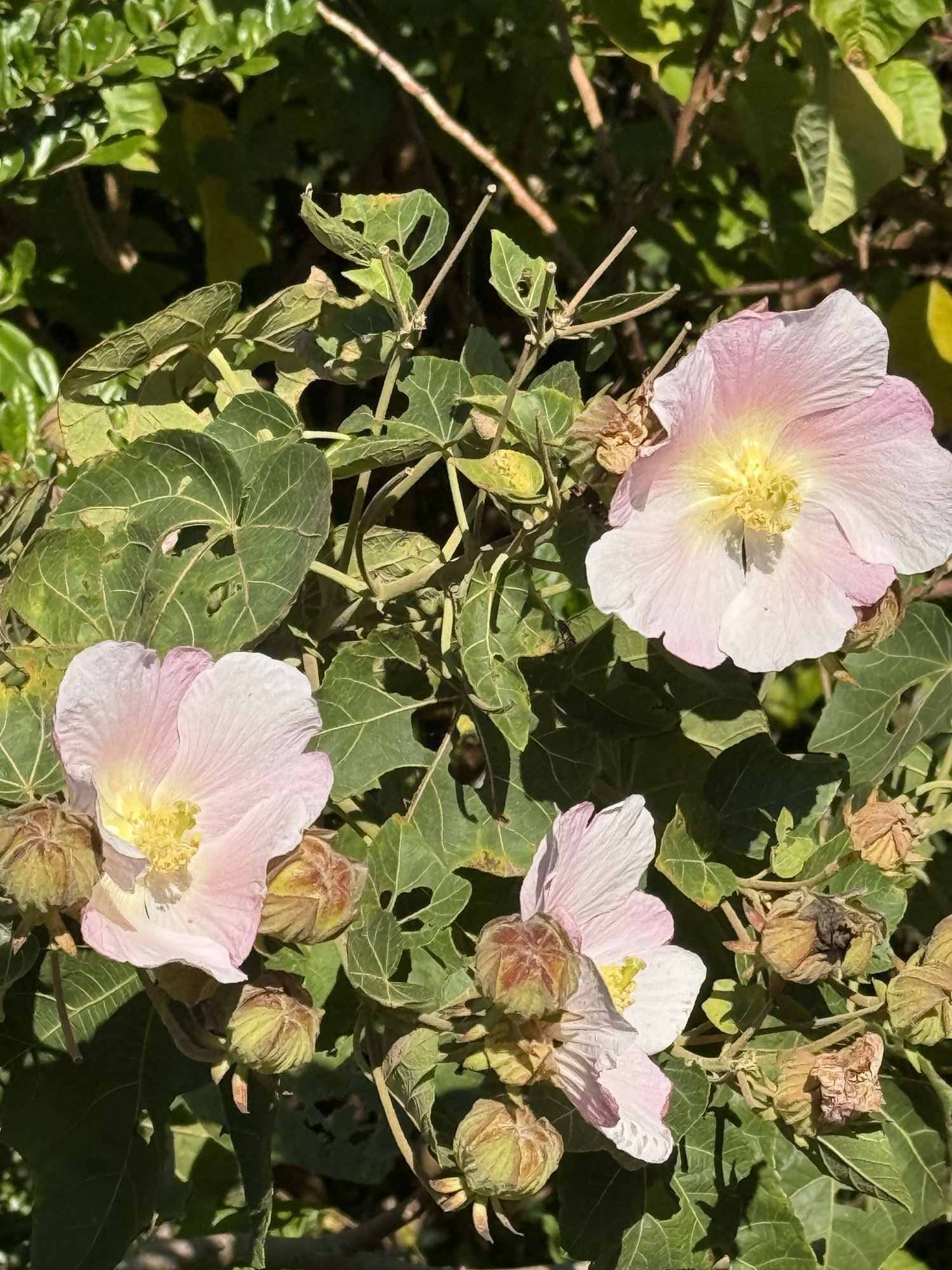
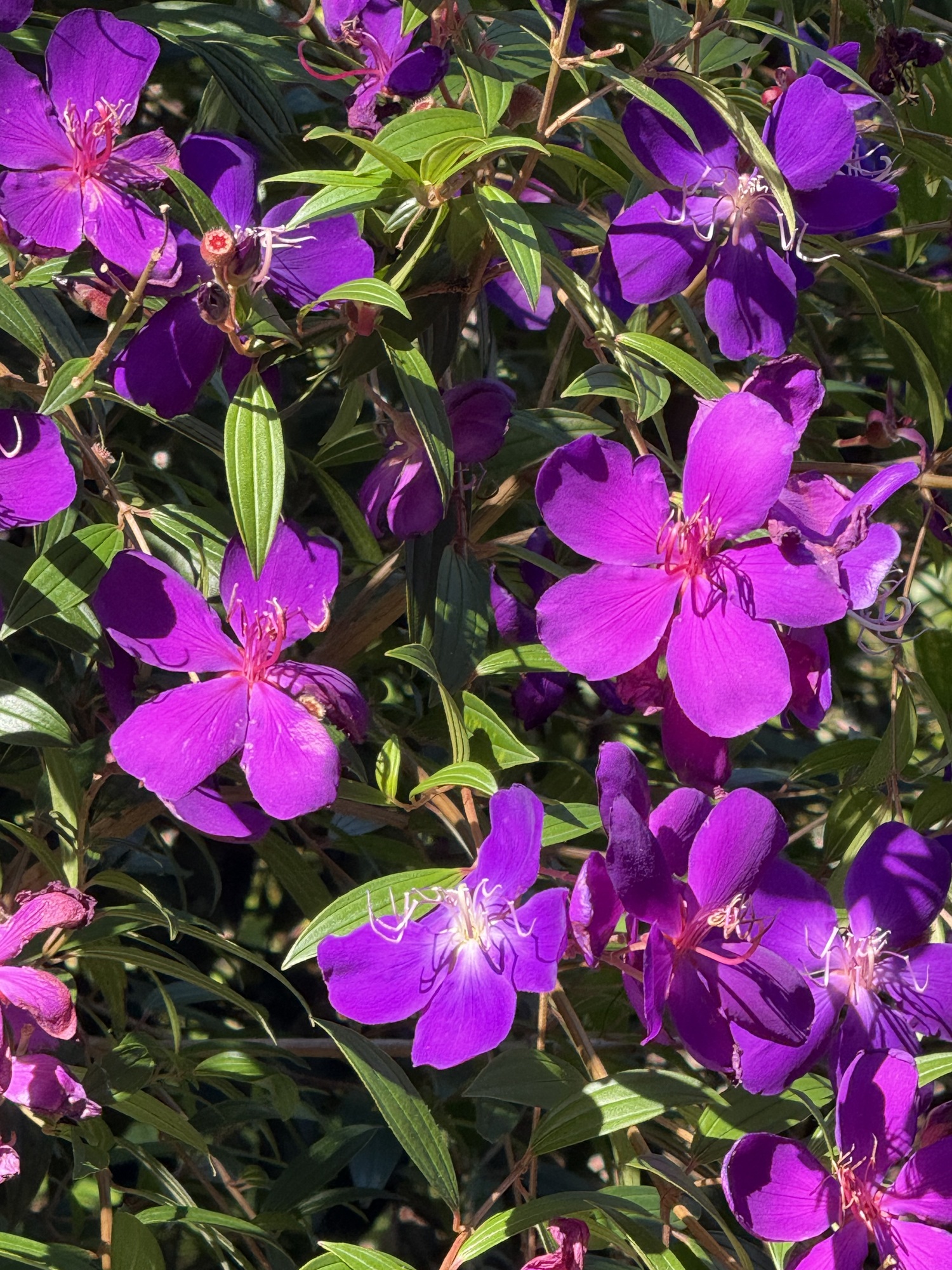
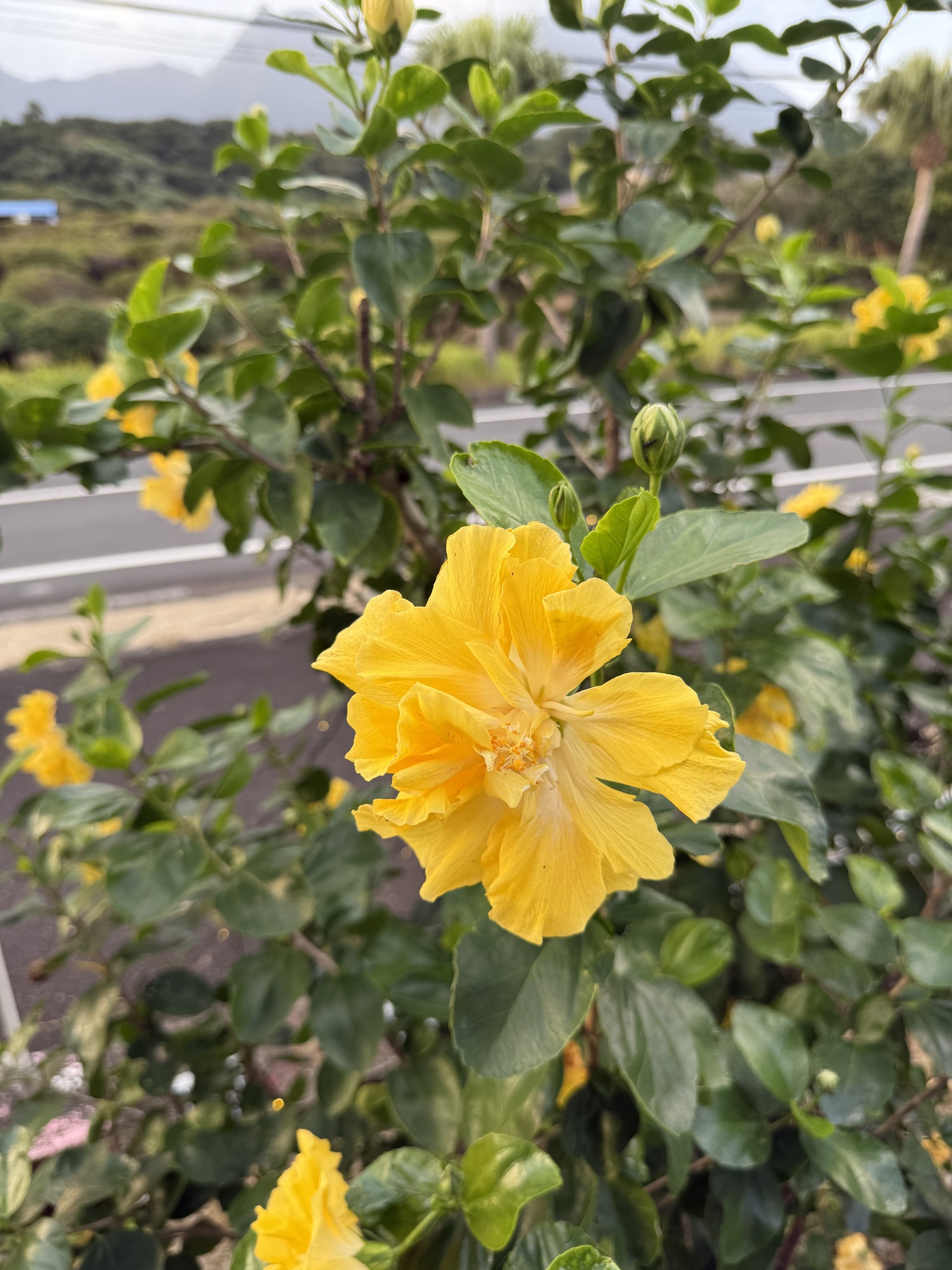
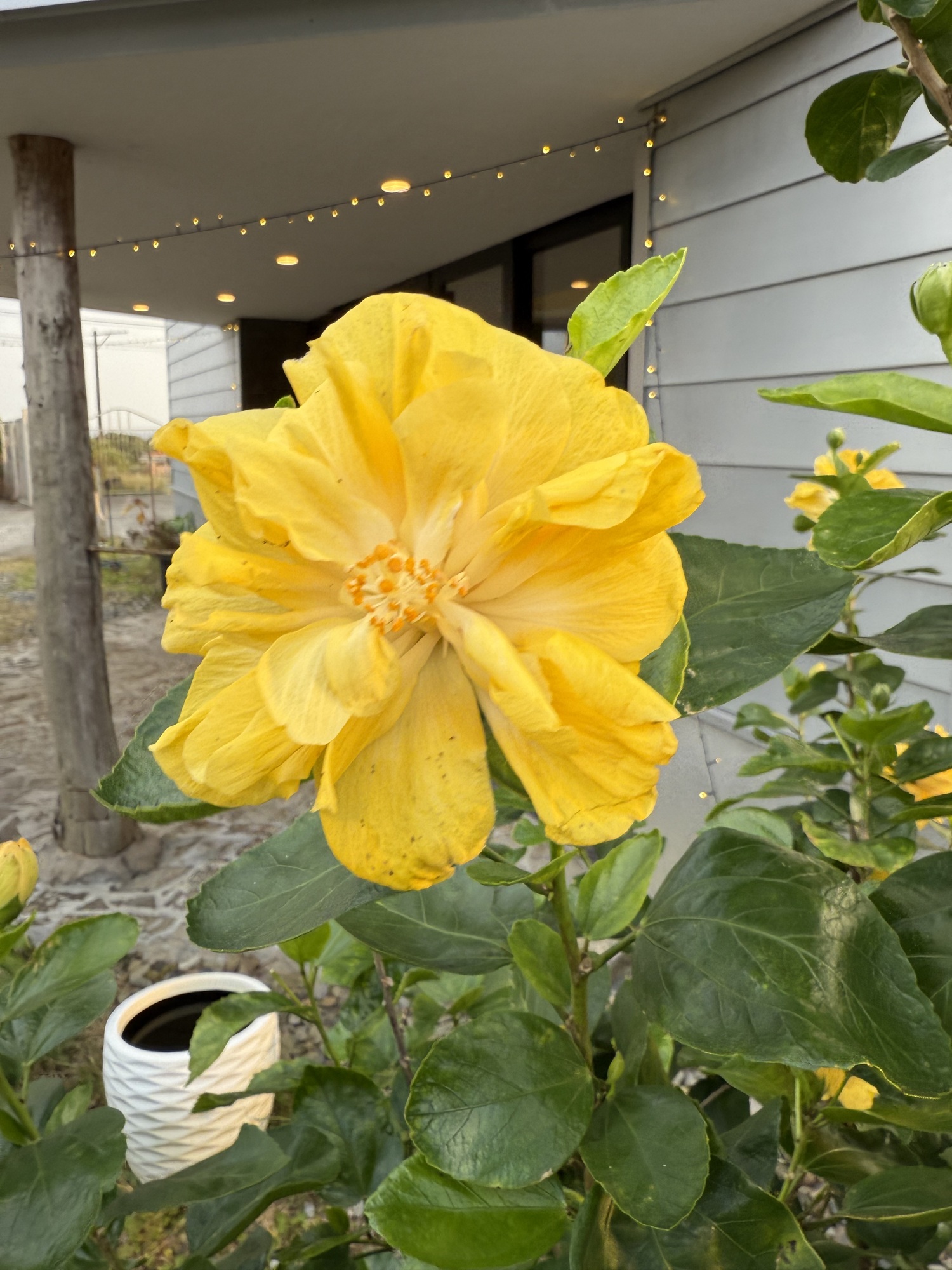
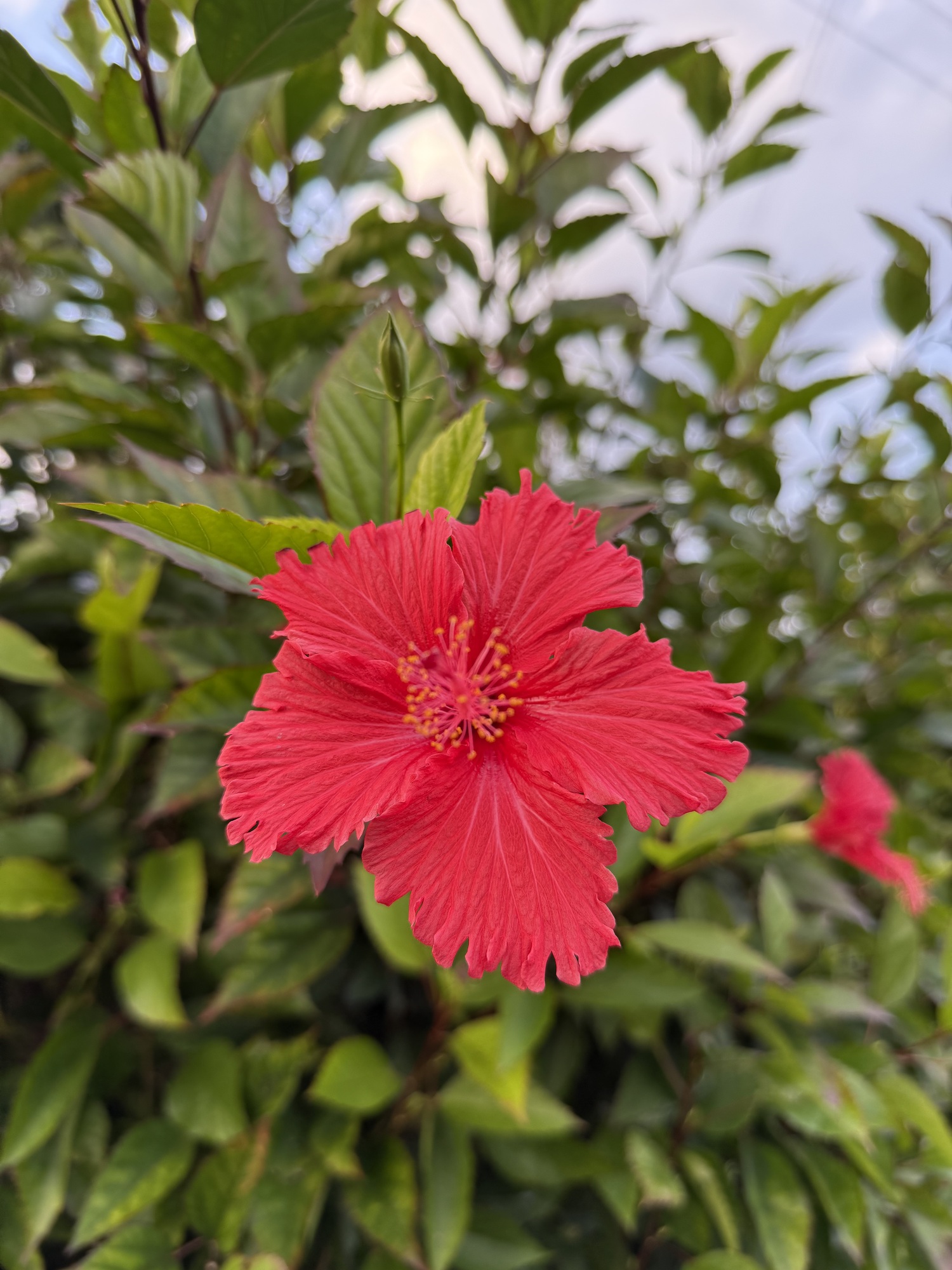
There are over 1200 species of flowering plants on Yakushima. We aren’t sure what this one is called. We really liked the unique leaves with the vertical lines and the beauty of the flowers.
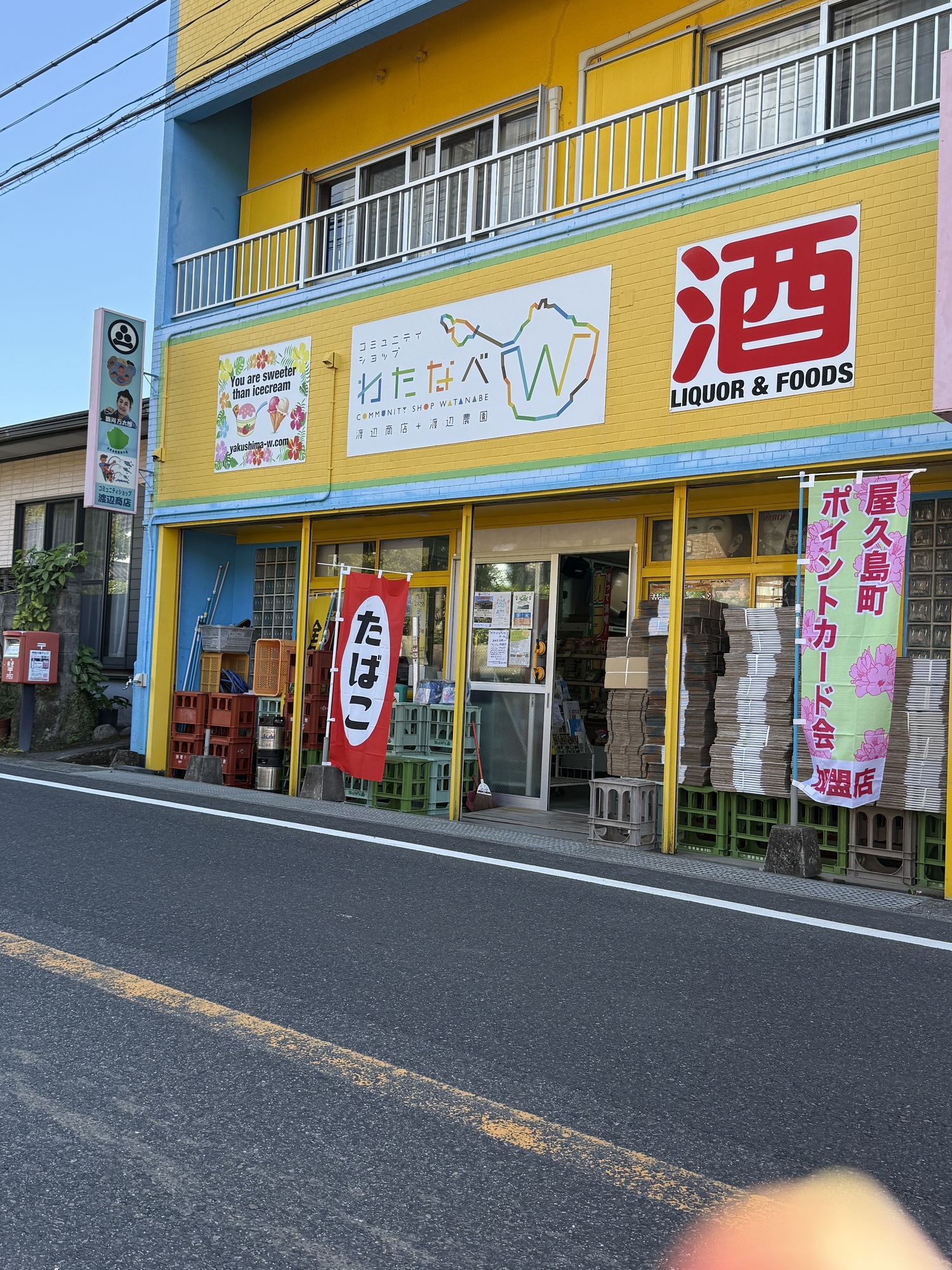
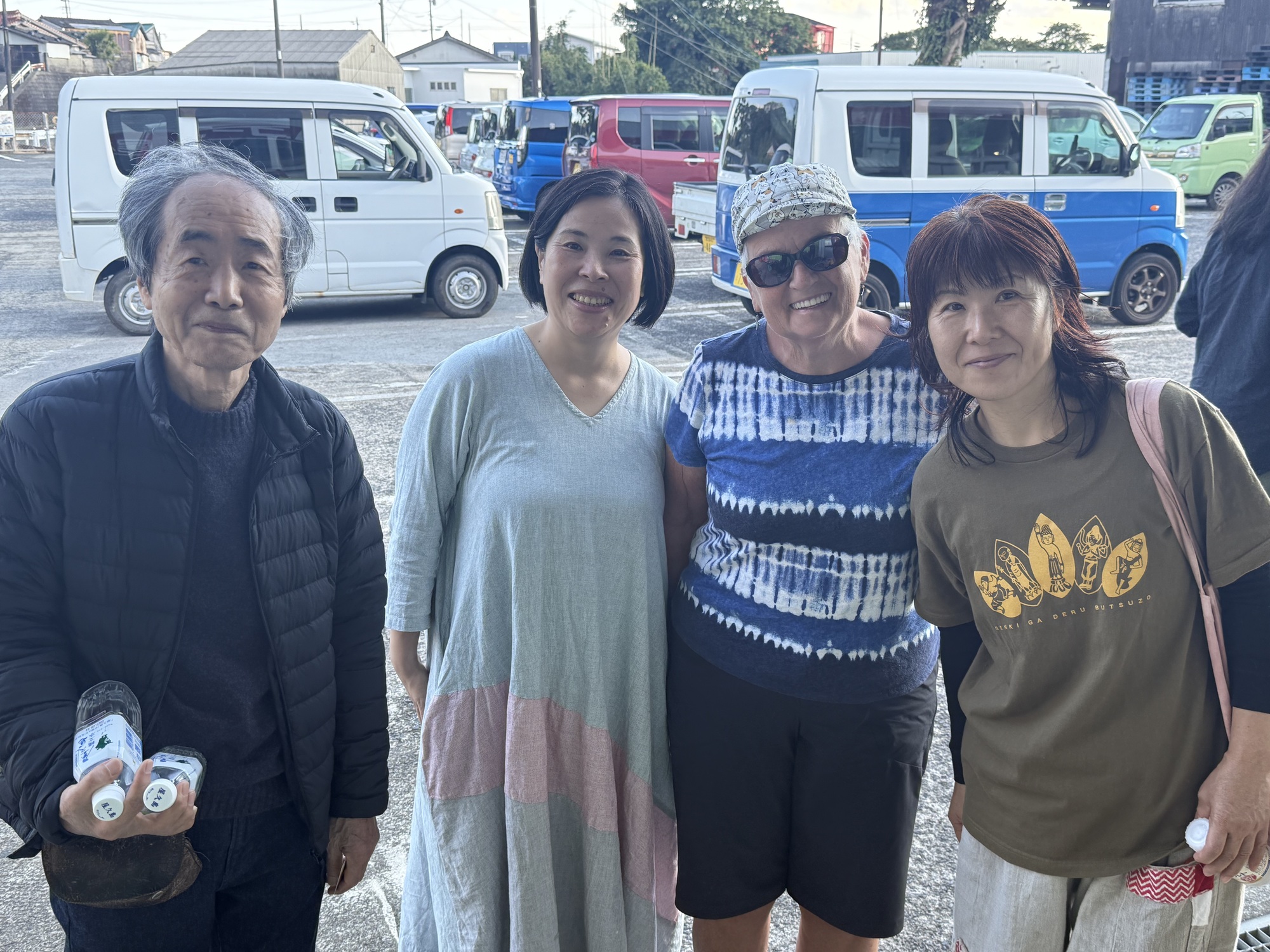
Lunch from a grocery store is great as most offer bento boxes, sushi etc for take out. We came out and sat on a bench to eat and lost count of the people who have come up to us to chat and welcome us to their community. Their curiosity about our trikes and what we are doing is a common theme. Frequently they will give us cold drinks (note the man on the left who saw us and bought water for us) , bananas, etc for our ride. We always give them our business card which is in English and Japanese. It breaks barriers for us and they seem to appreciate having it.
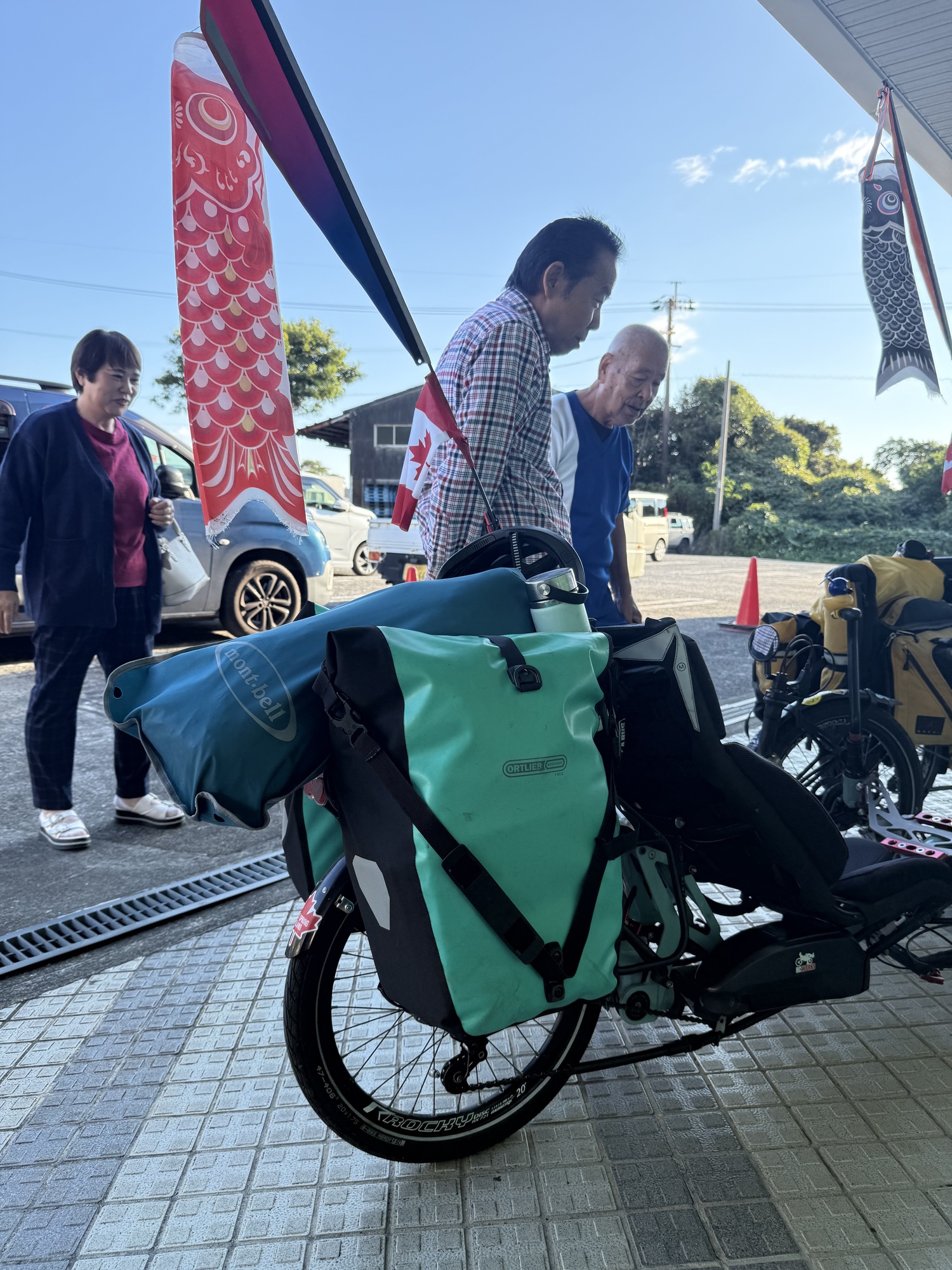
Our trikes make interacting with locals easy. They are always curious as they have not seen recumbent trikes before. We enjoy meeting locals and learning about them and sharing our joy at travelling in their country.
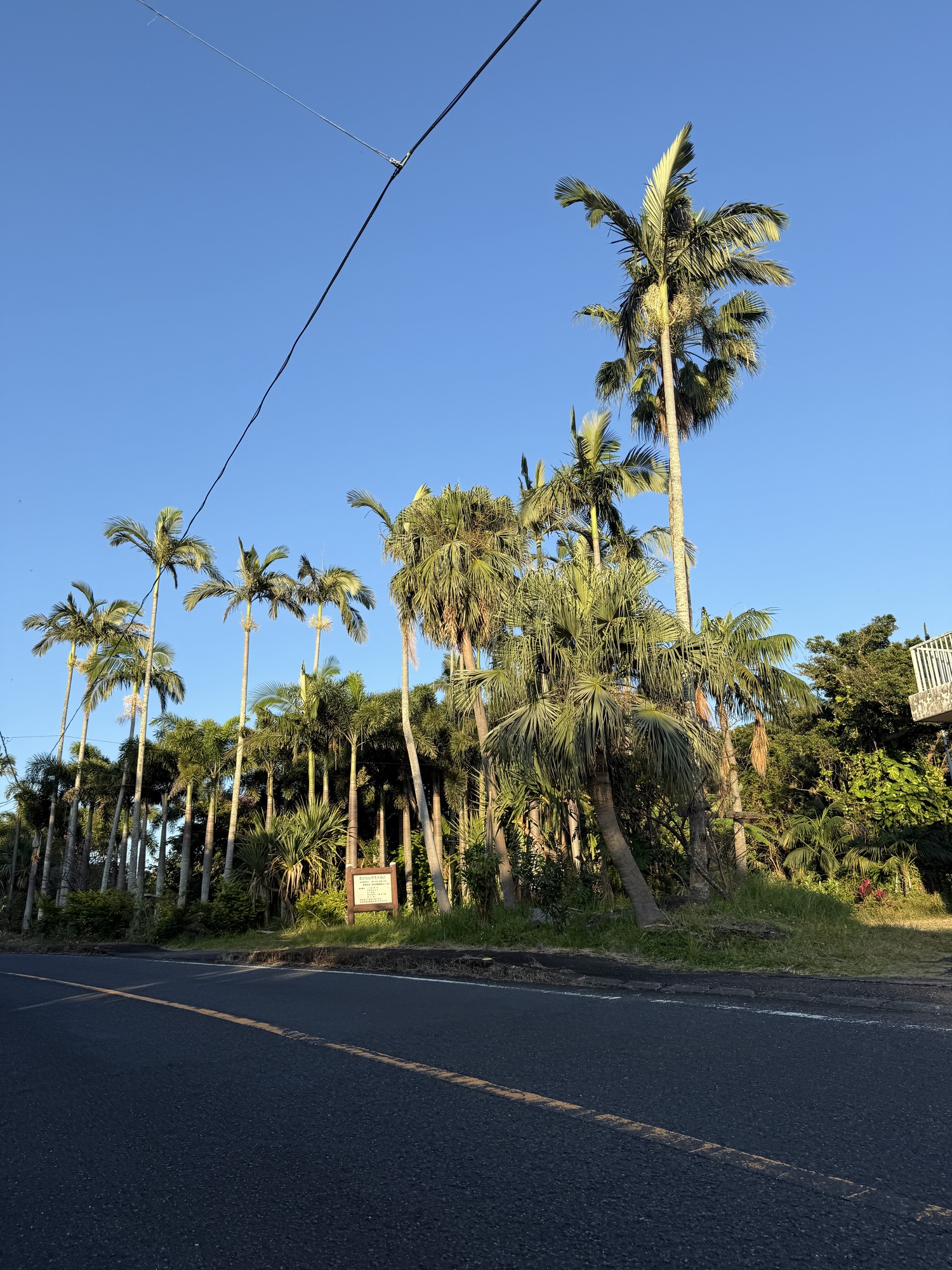
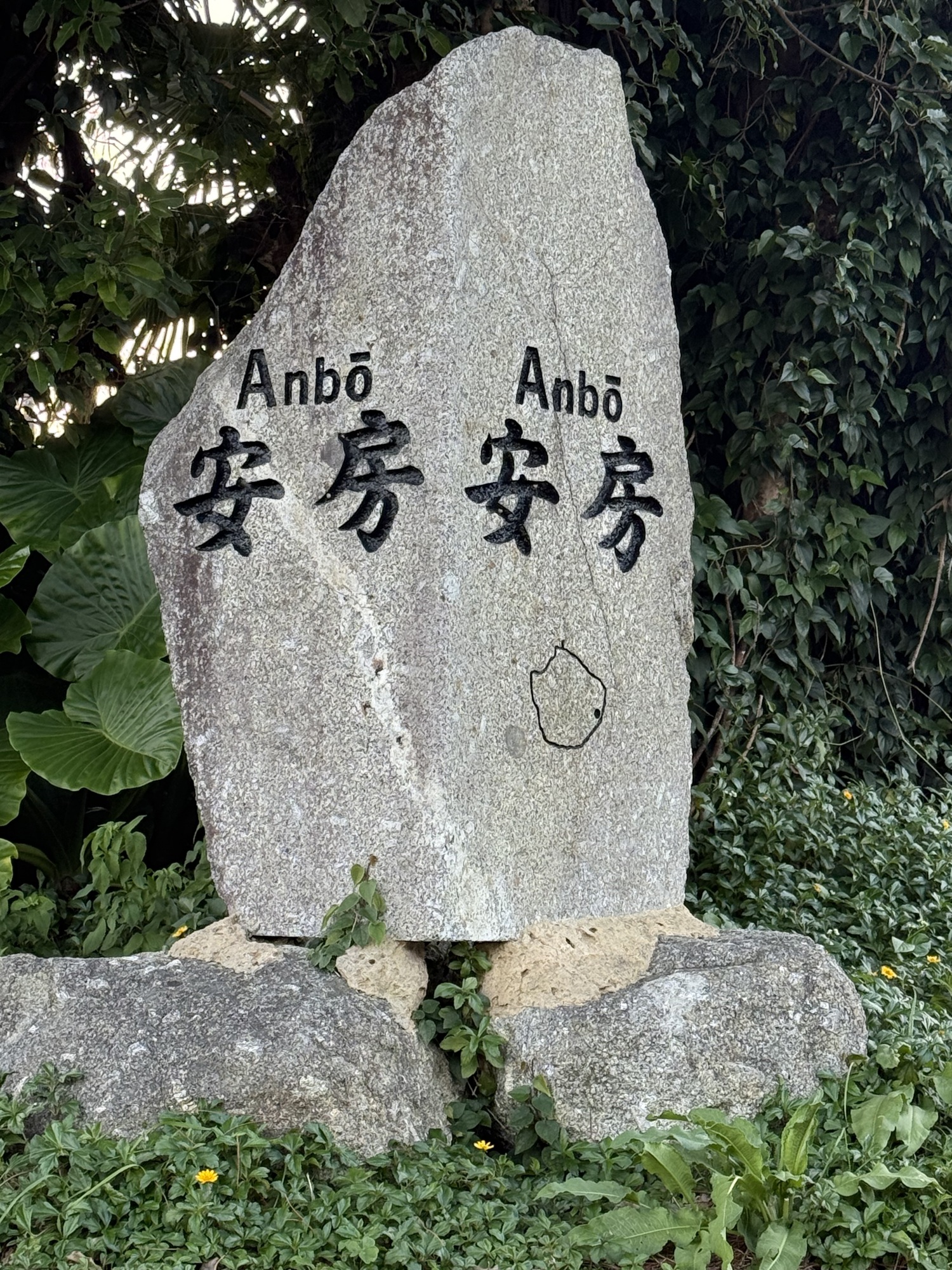
Most of the island is rural with some villages. There are two small towns, Anbo and Miyanoura, both of which have a port and ferry service. We will stay close to Anbo this evening.
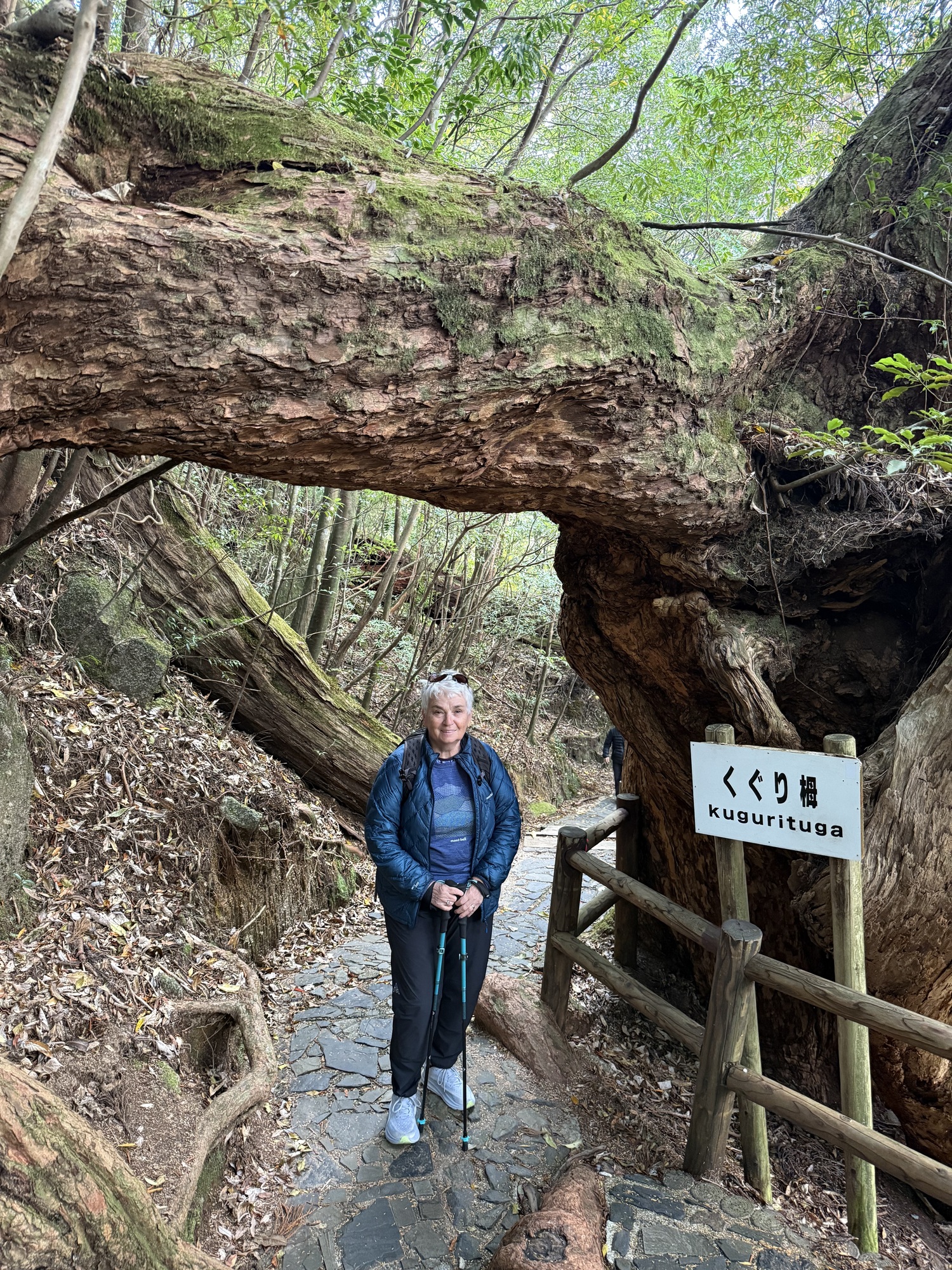
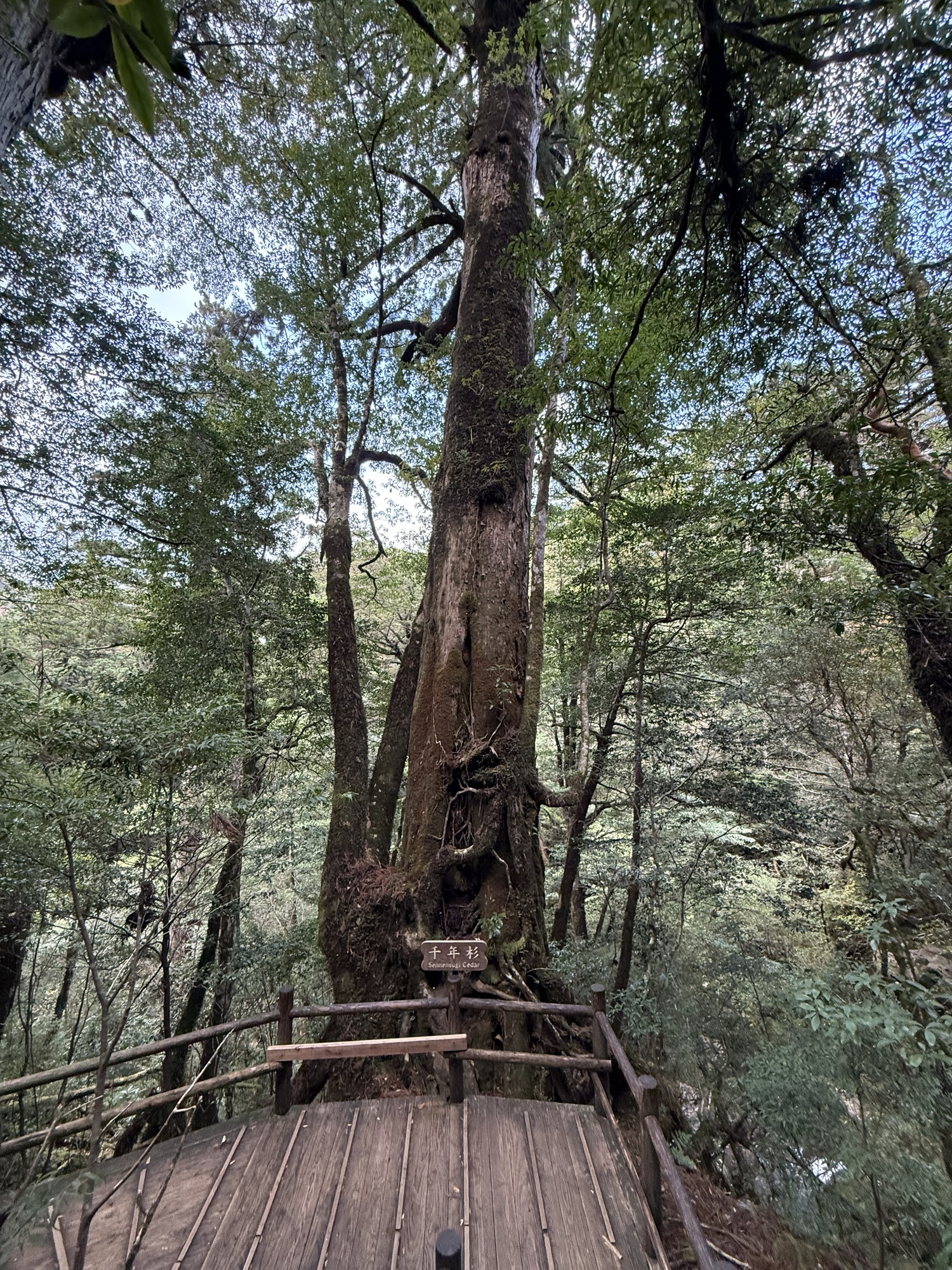
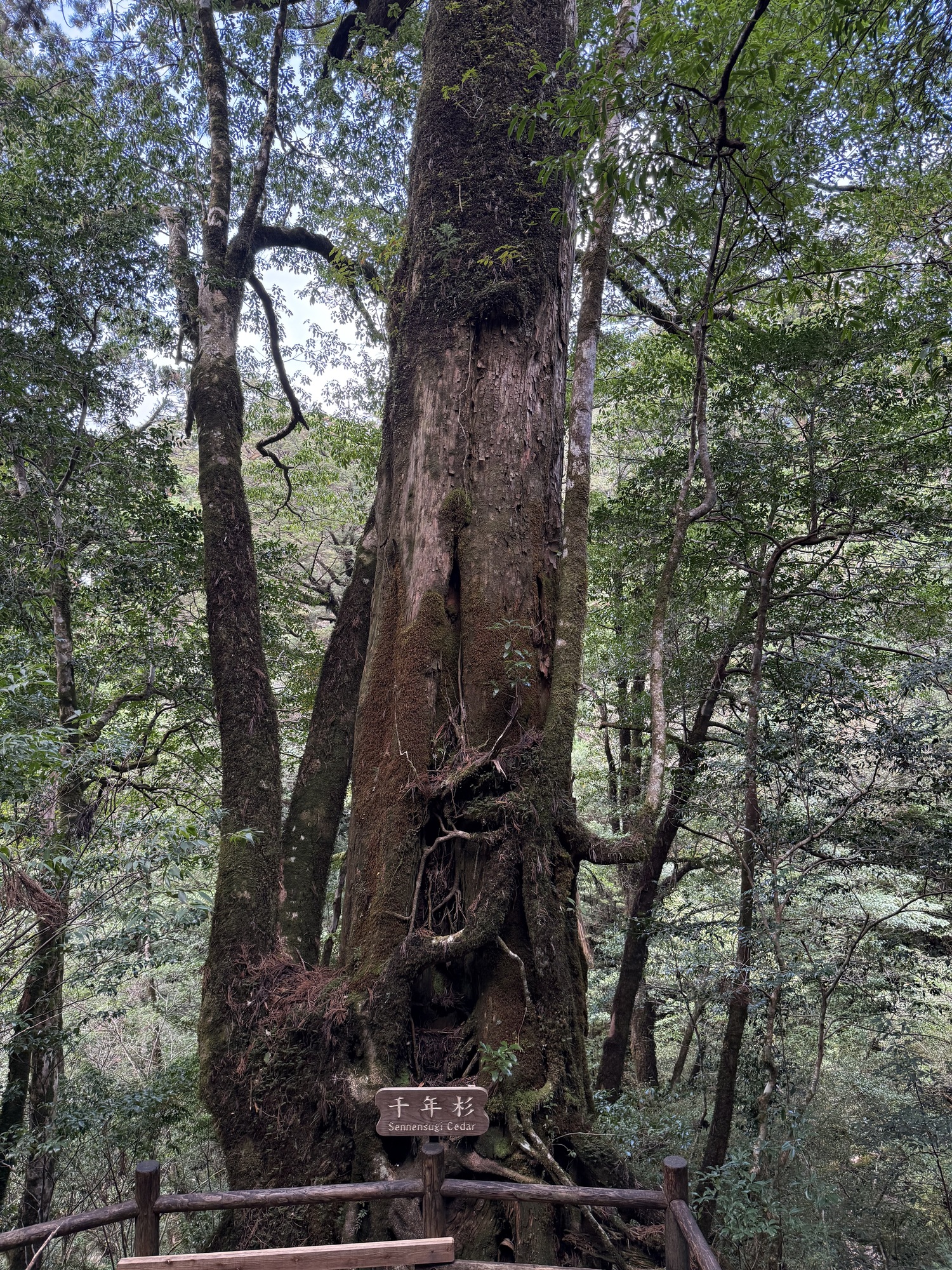
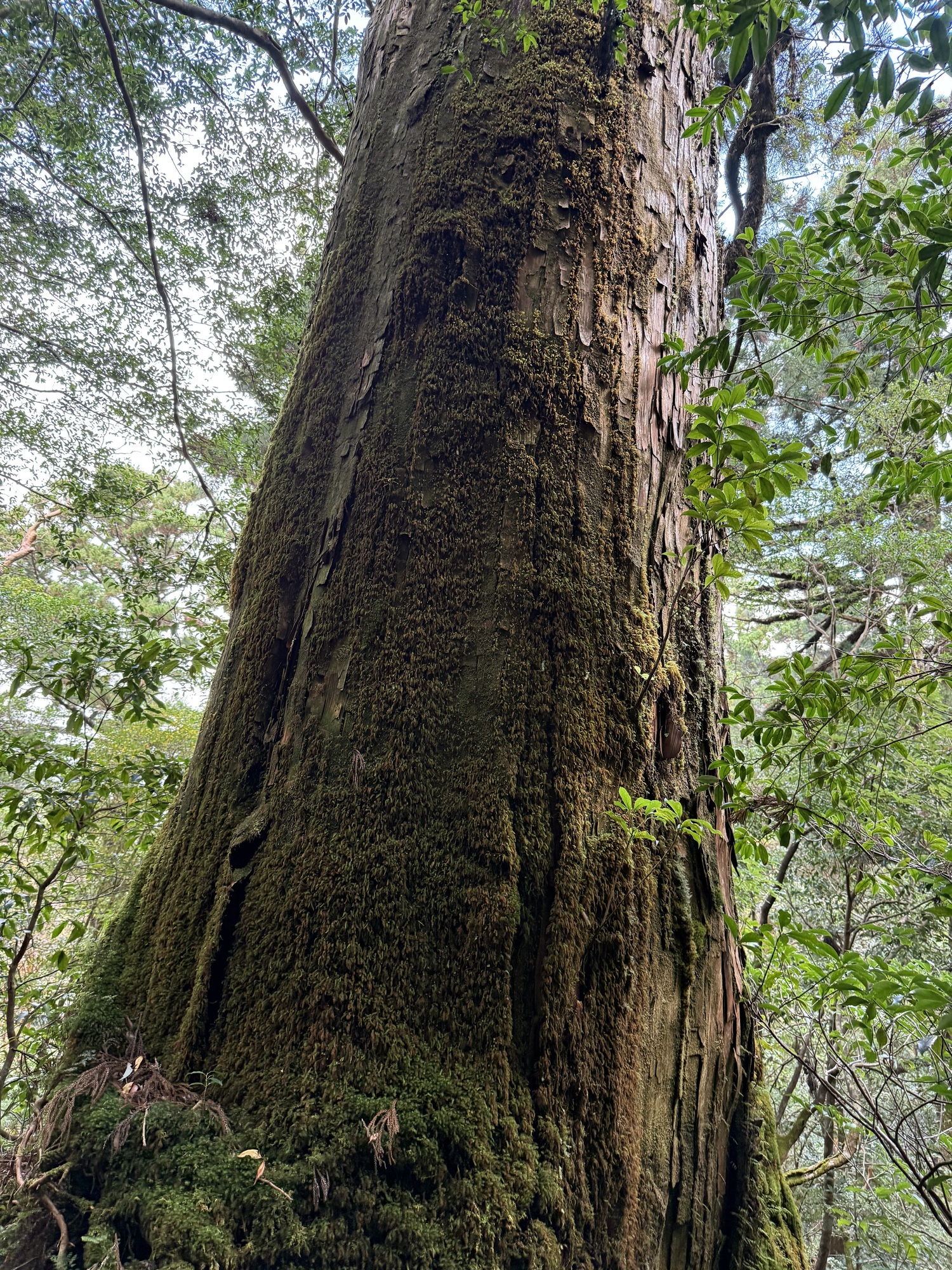
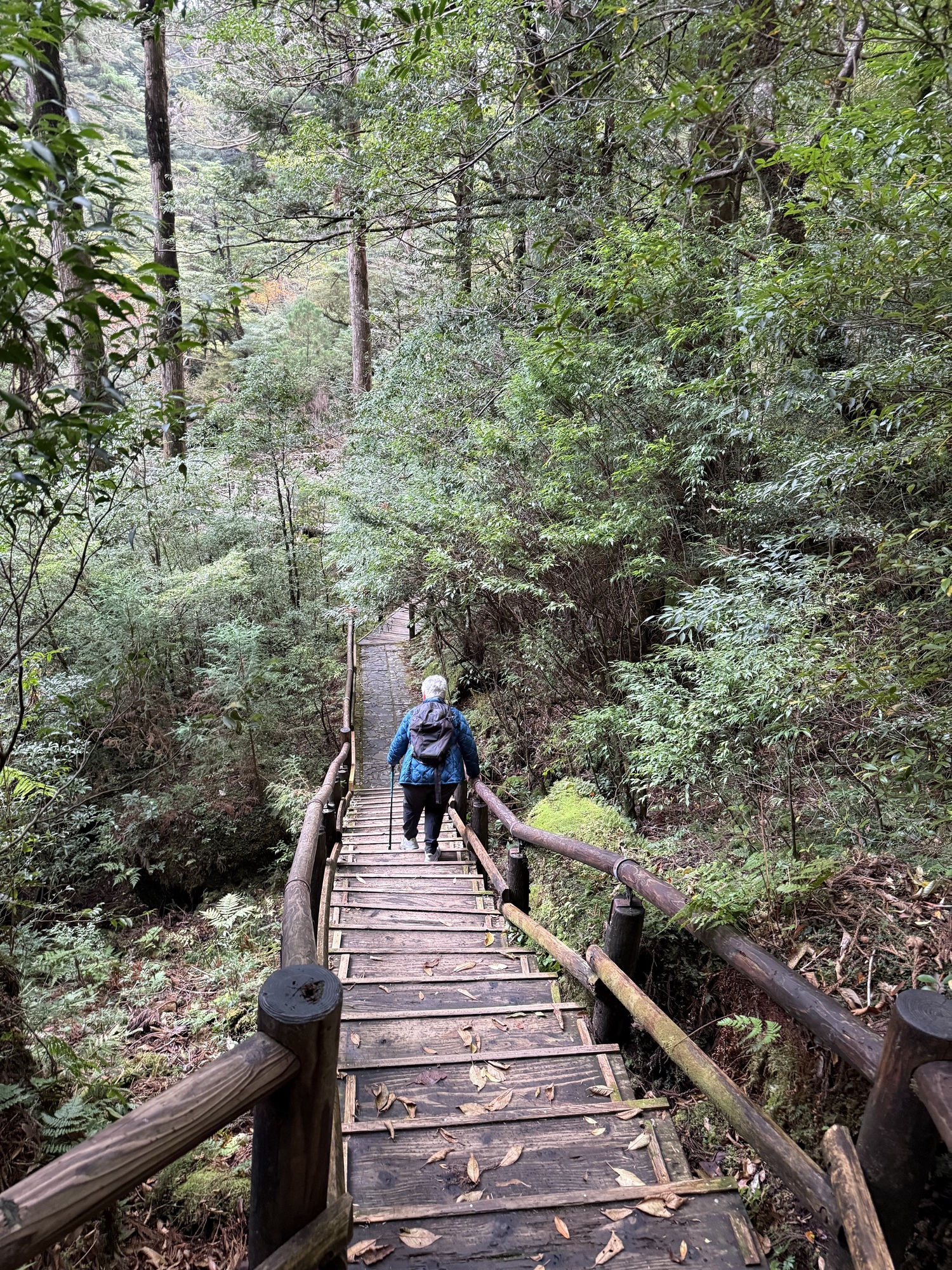
Spending this time in the forest has made me think of my dad. He loved being around trees and we had a 100 acre wood lot in Ontario where he kept his forest healthy, made maple syrup every year and just loved being in nature. Some of my best memories are of days spent with him at the wood lot. He would have so enjoyed visiting Yakushima and its beautiful, very old trees.
The road up to the hiking area is a series of hairpin turns on a steep road. It is challenging and we marvelled at the skill of our driver. Everybody would gasp when we would meet another vehicle.
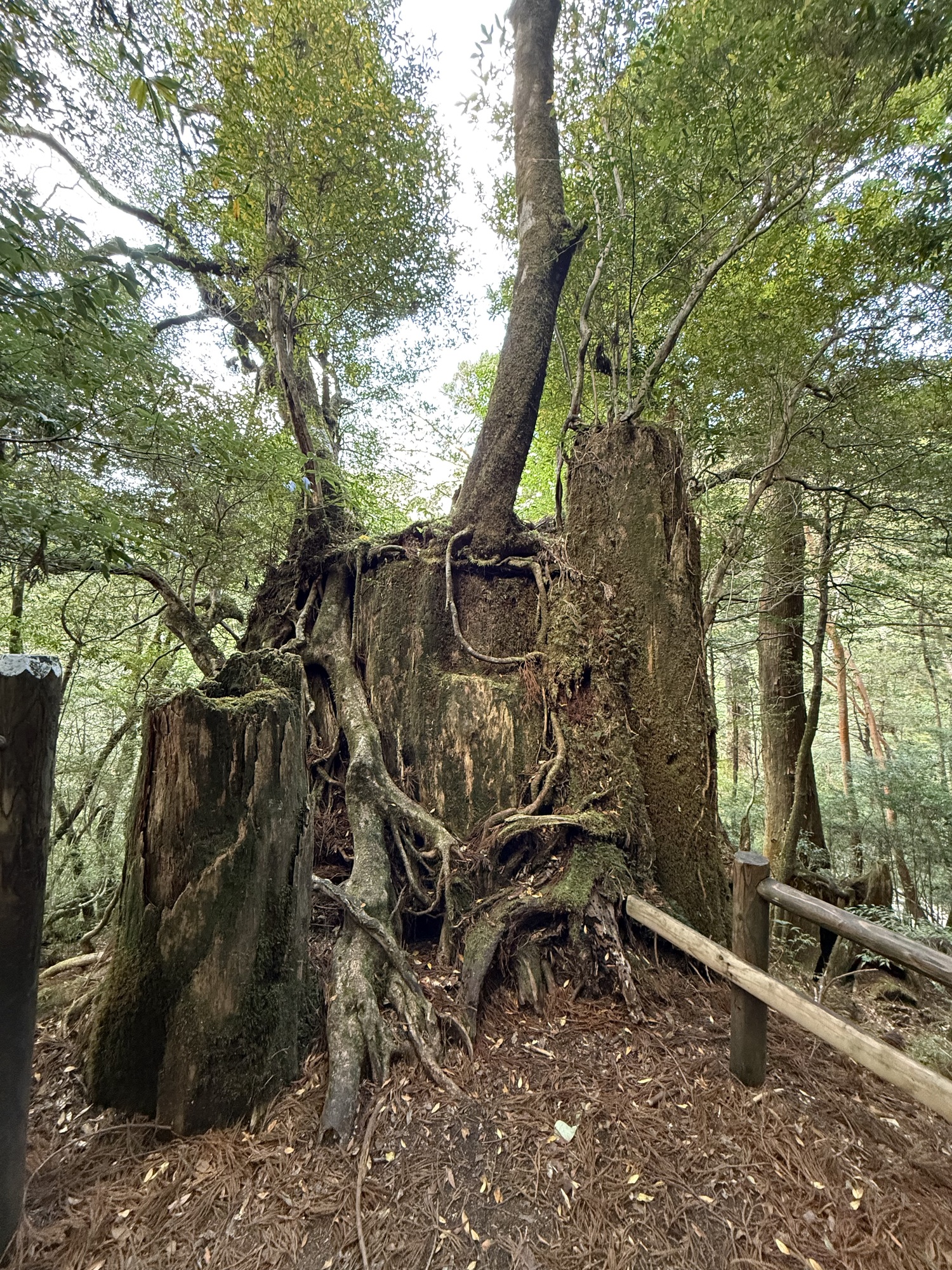
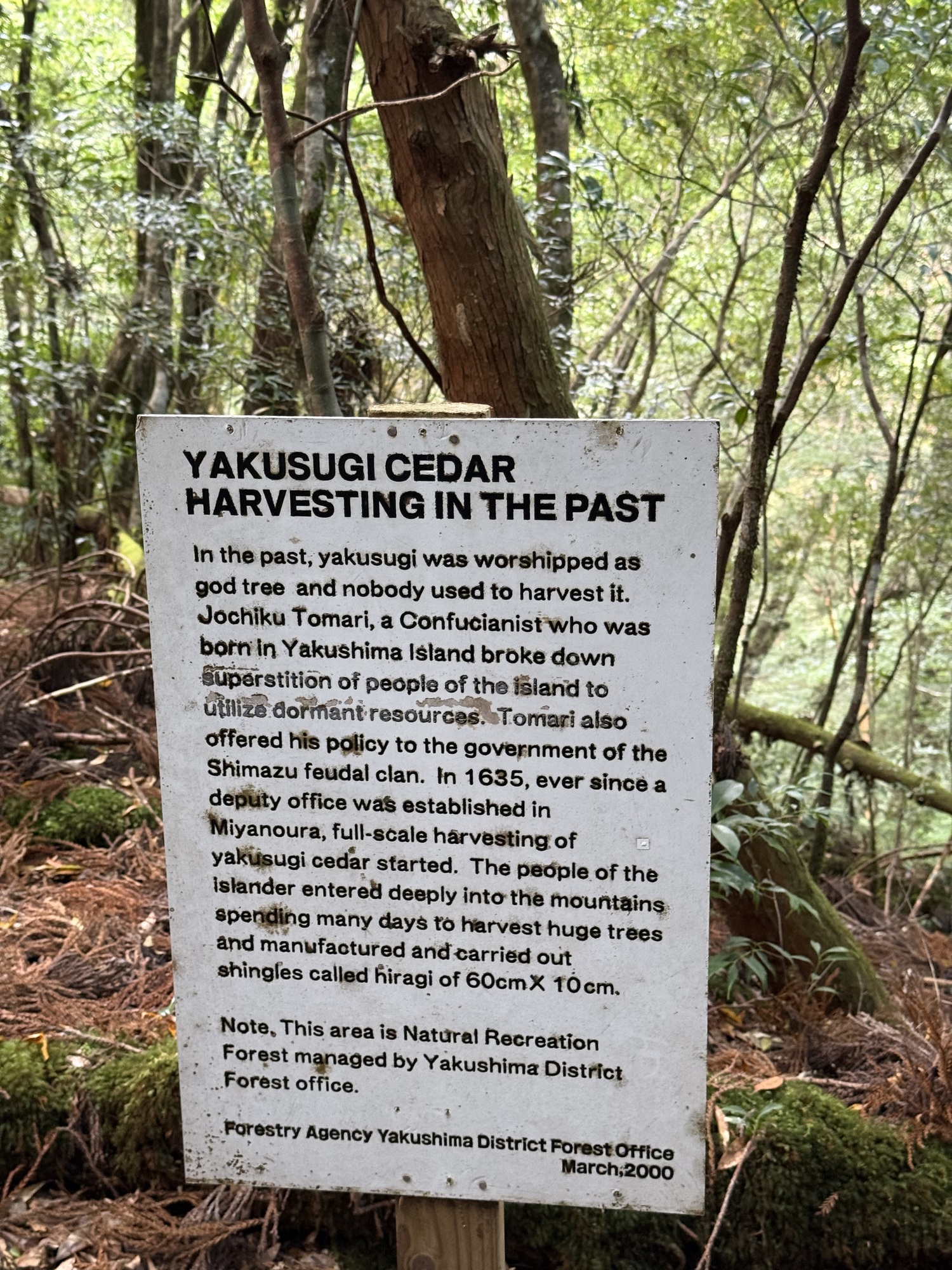
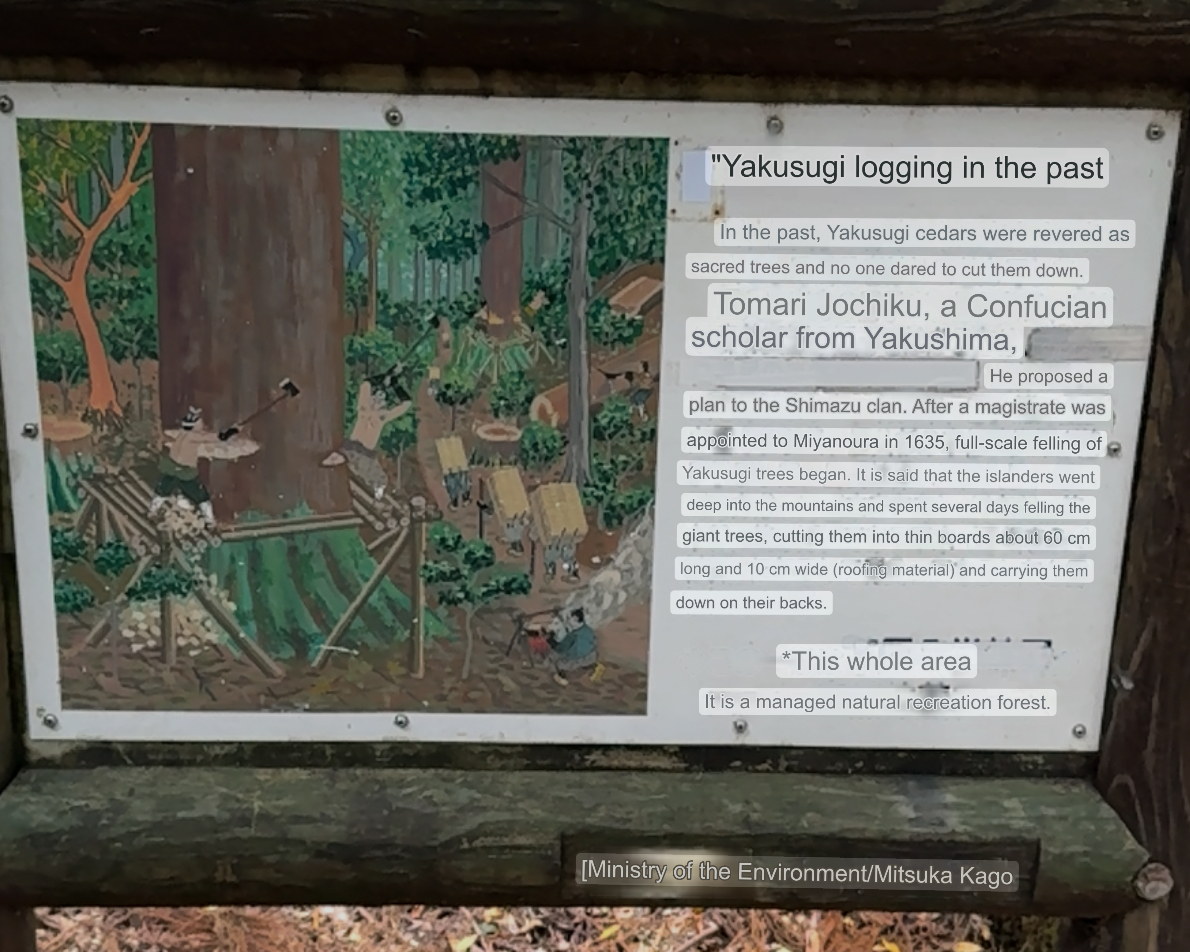
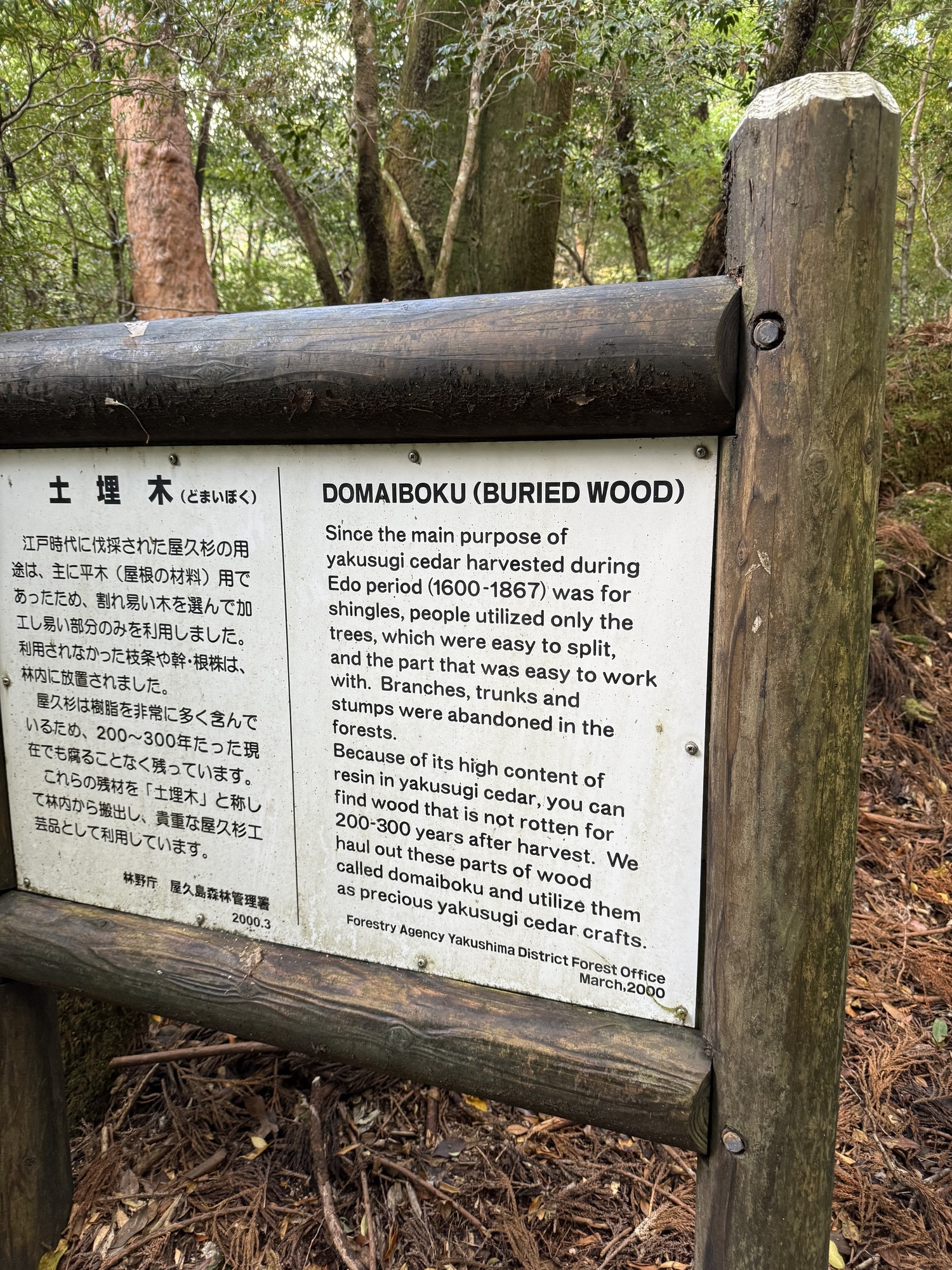
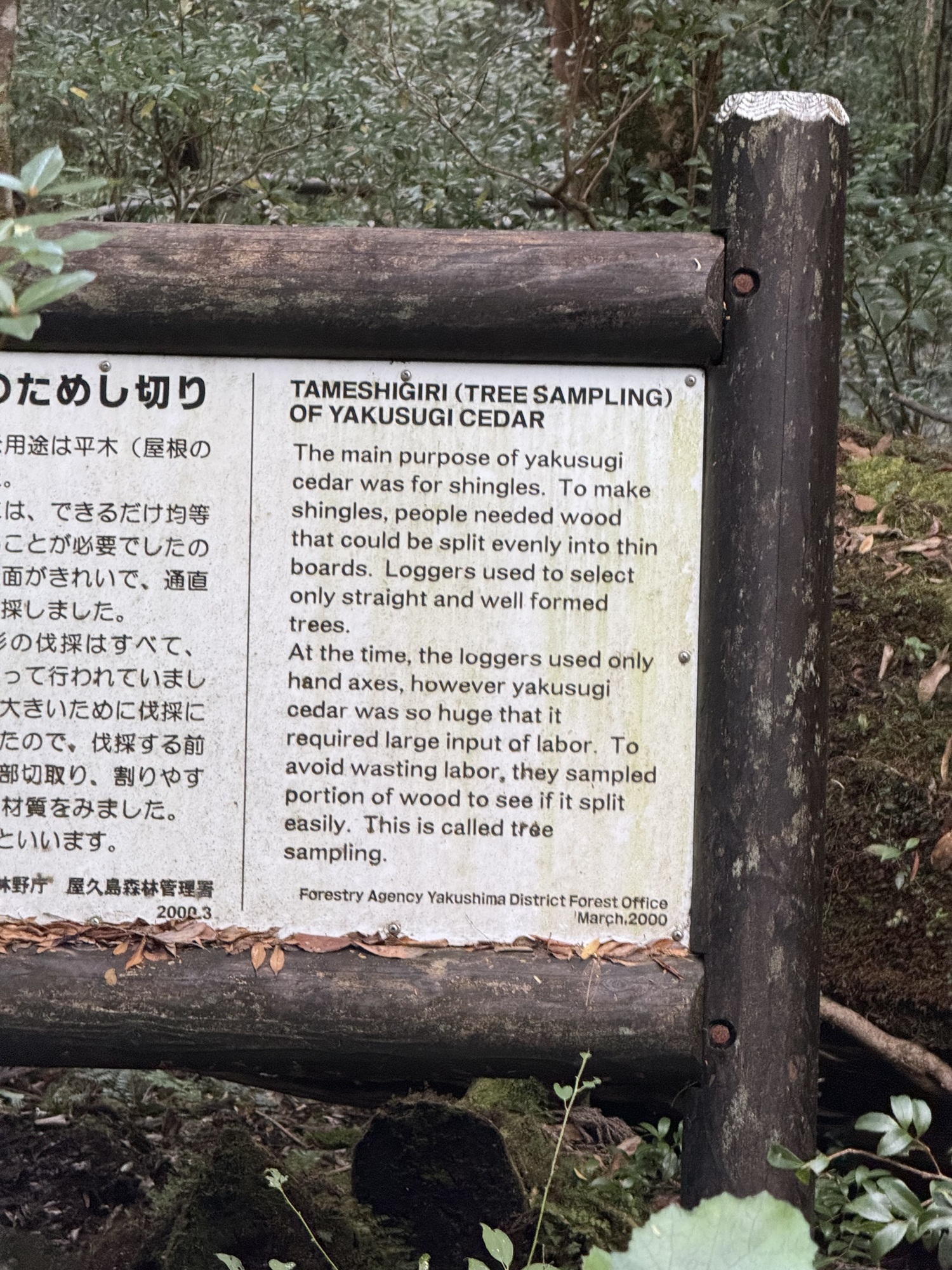
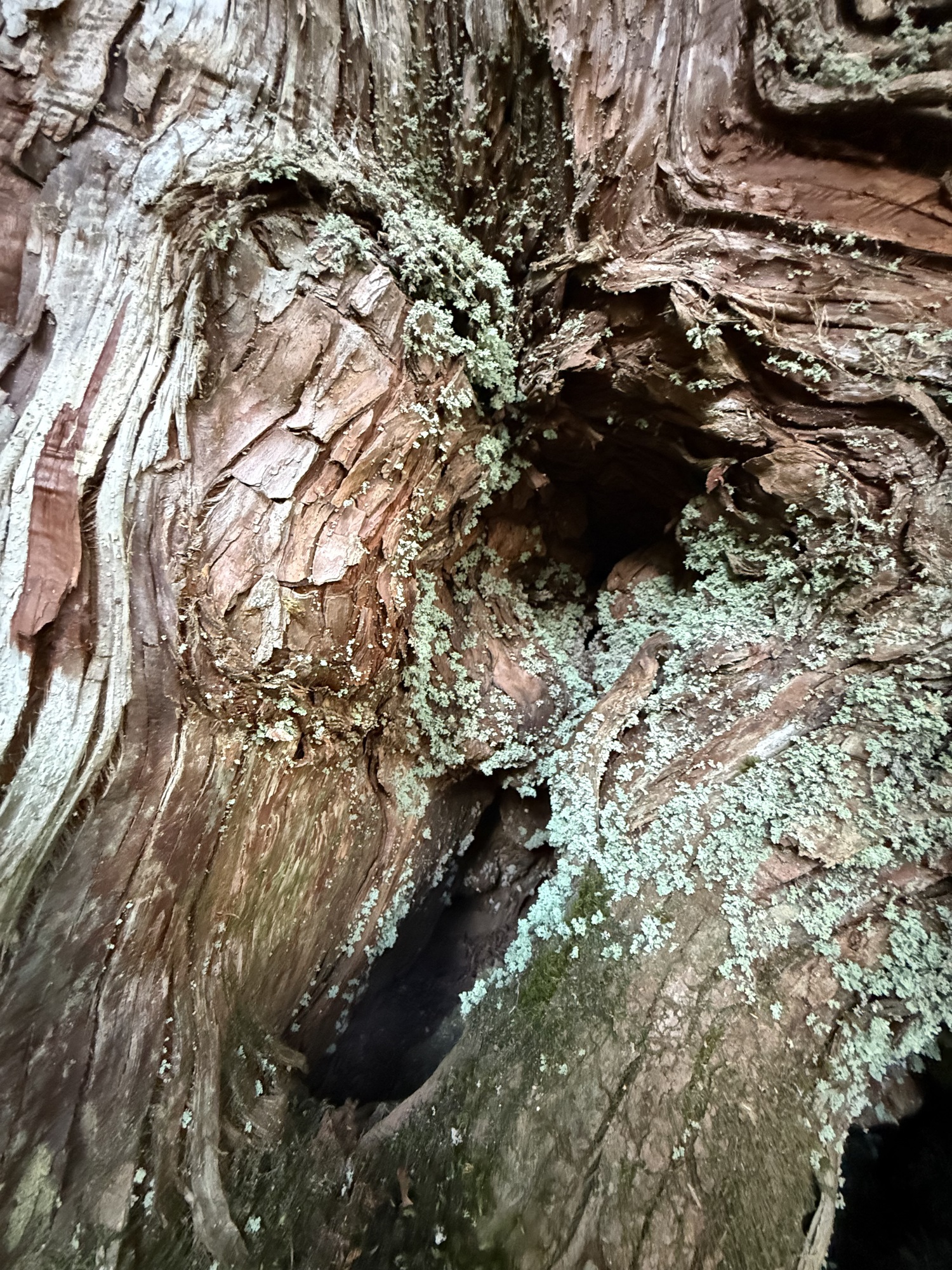
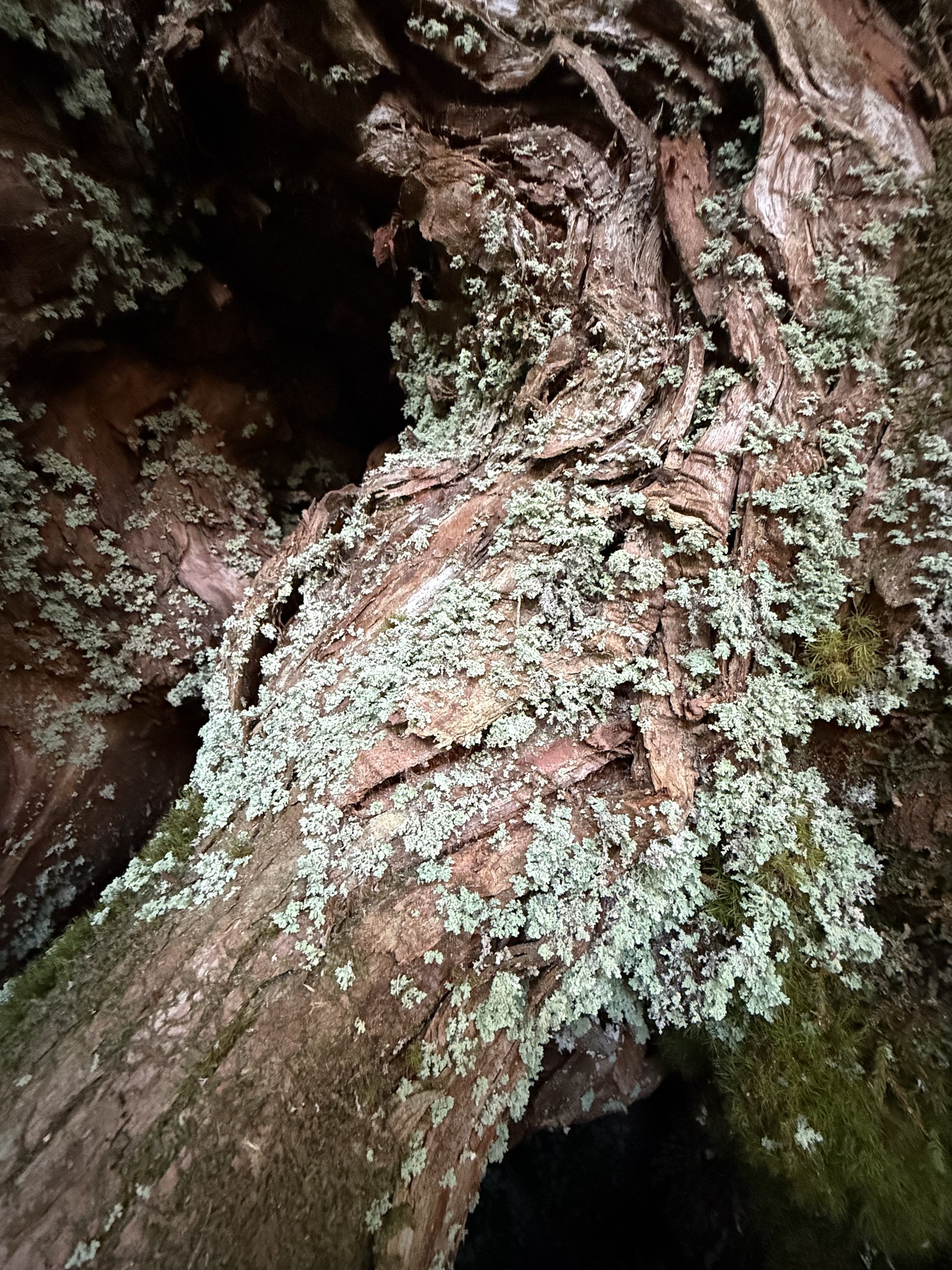
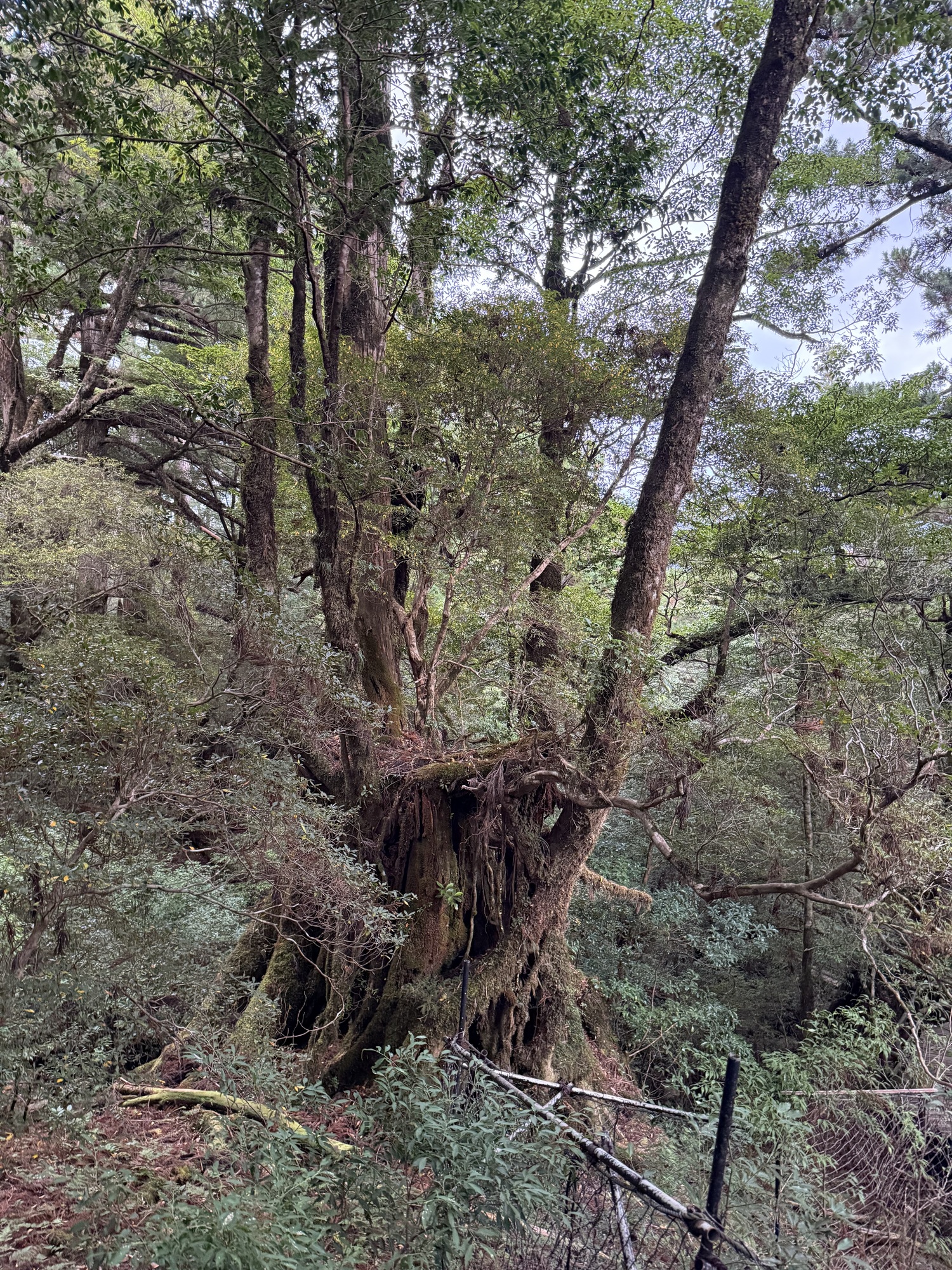
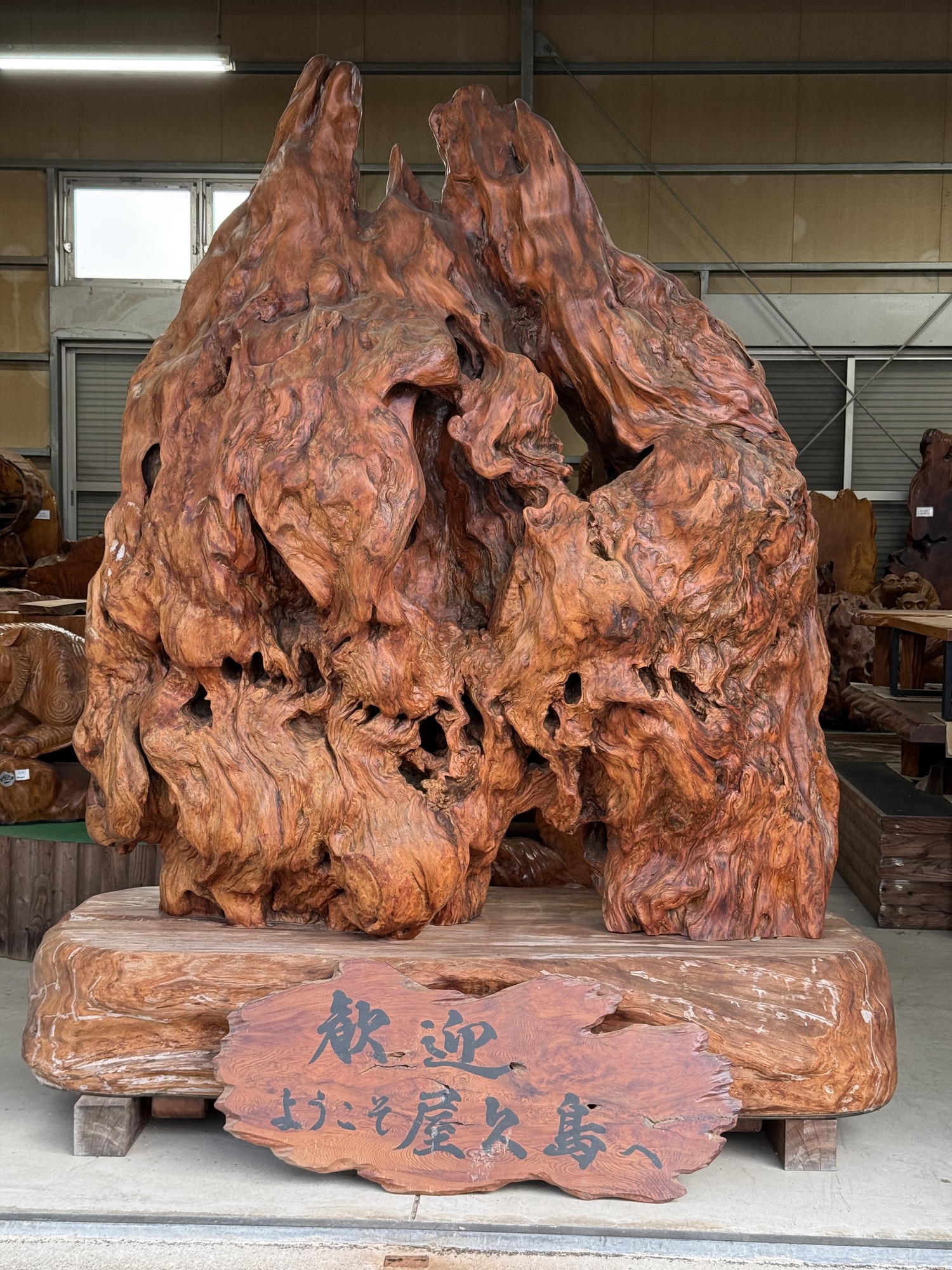
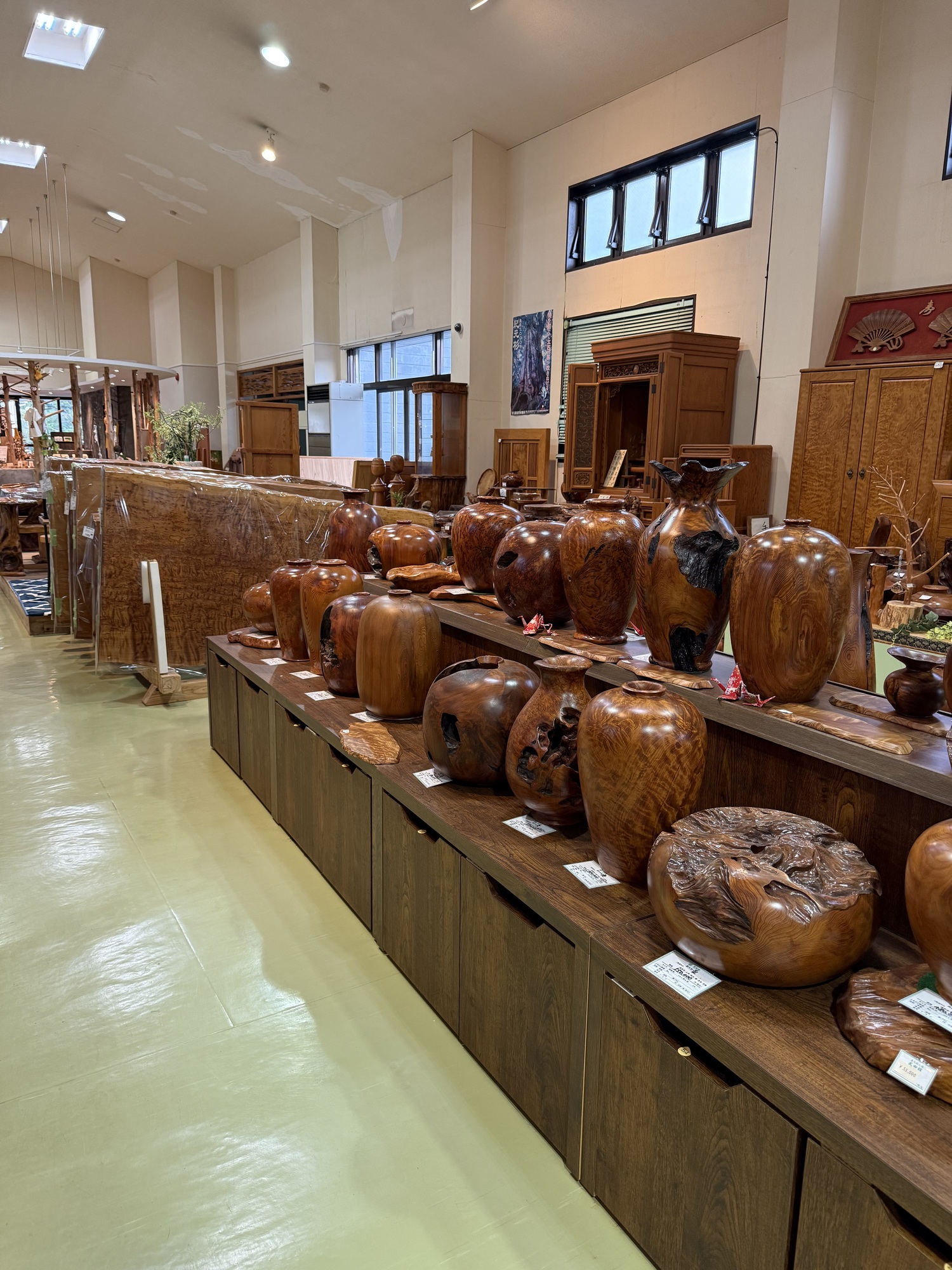
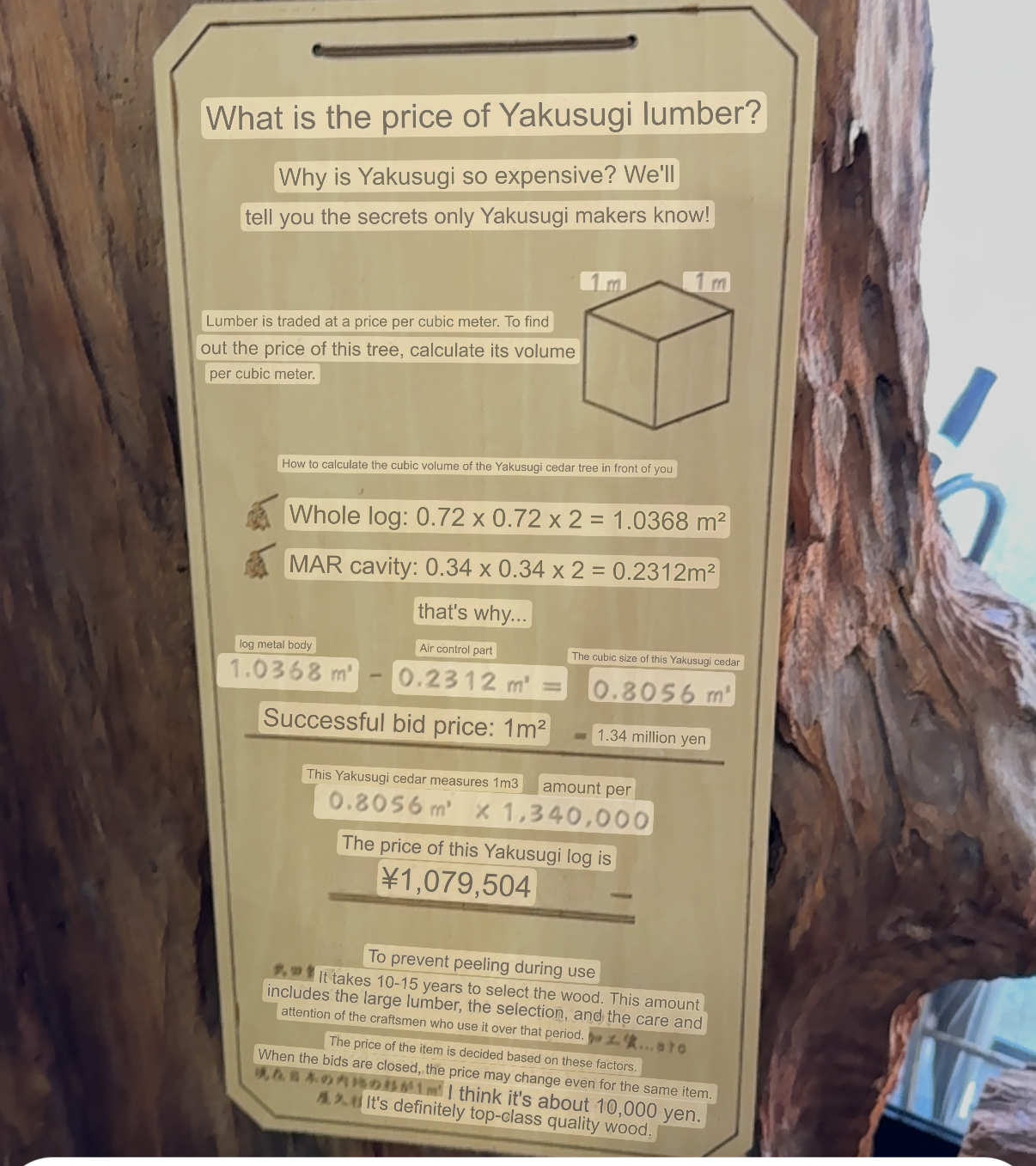
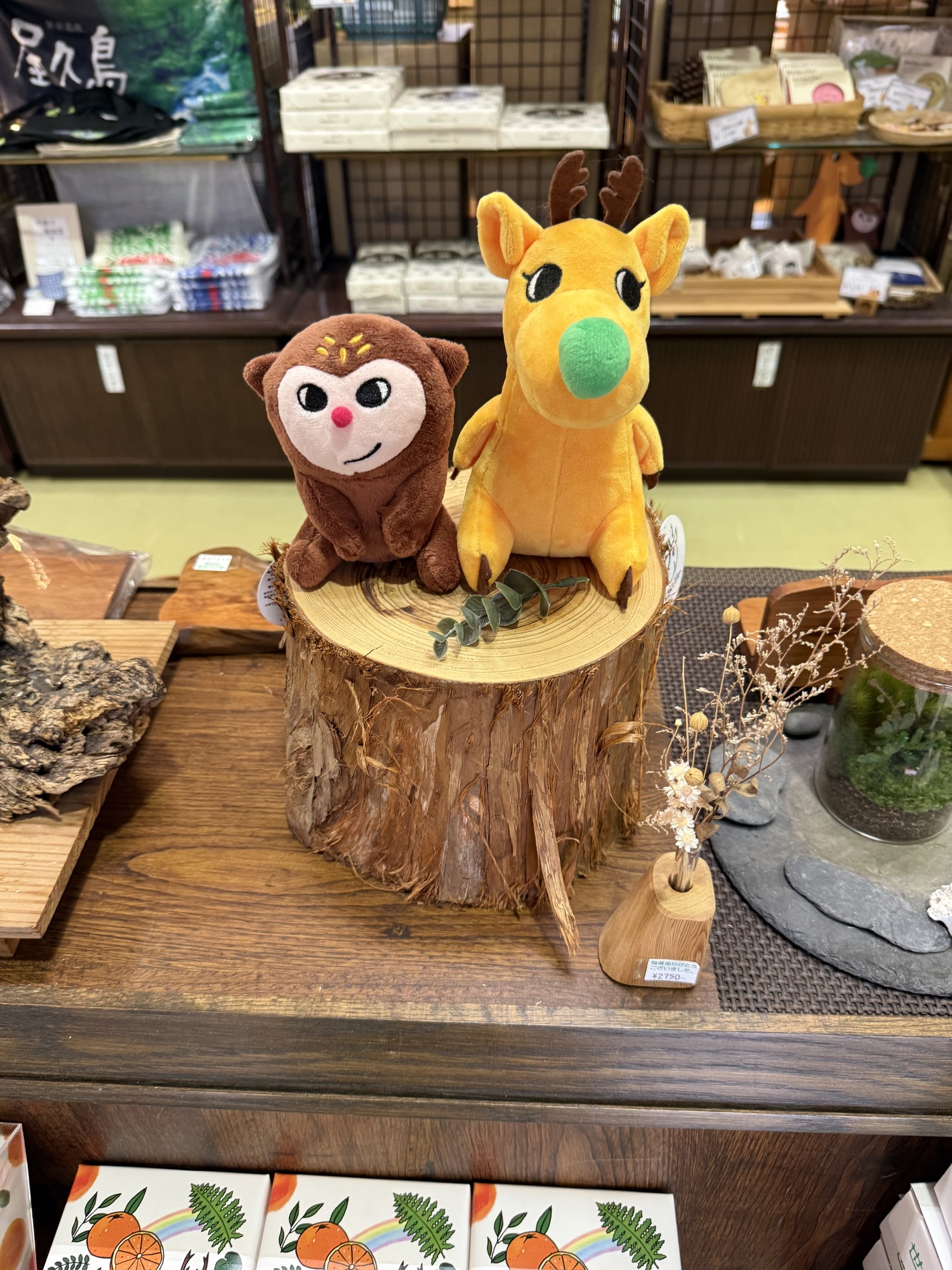
Logging is now banned on Yakushima in the early 70’s. Cutting down the Ykakisugi cedar trees is strictly prohibited. However, a limited amount of “domaiboku”,t he name given to fallen trees and stumps of cedar trees can be harvested to produce a wide range of crafts. There is a limit to the amount of domaiboku cedar that can be taken from the forest. This explains the high cost of products made with this wood.
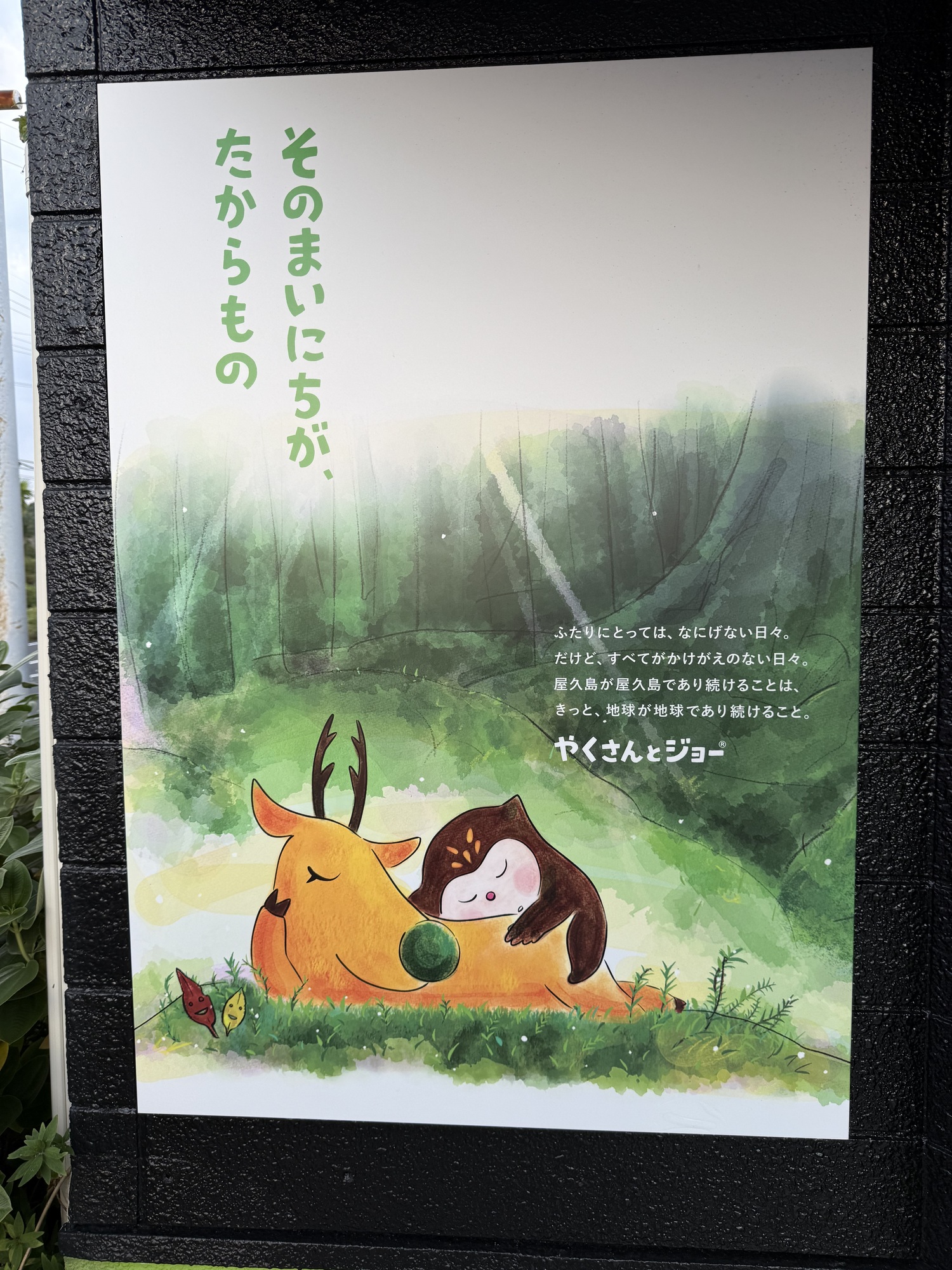
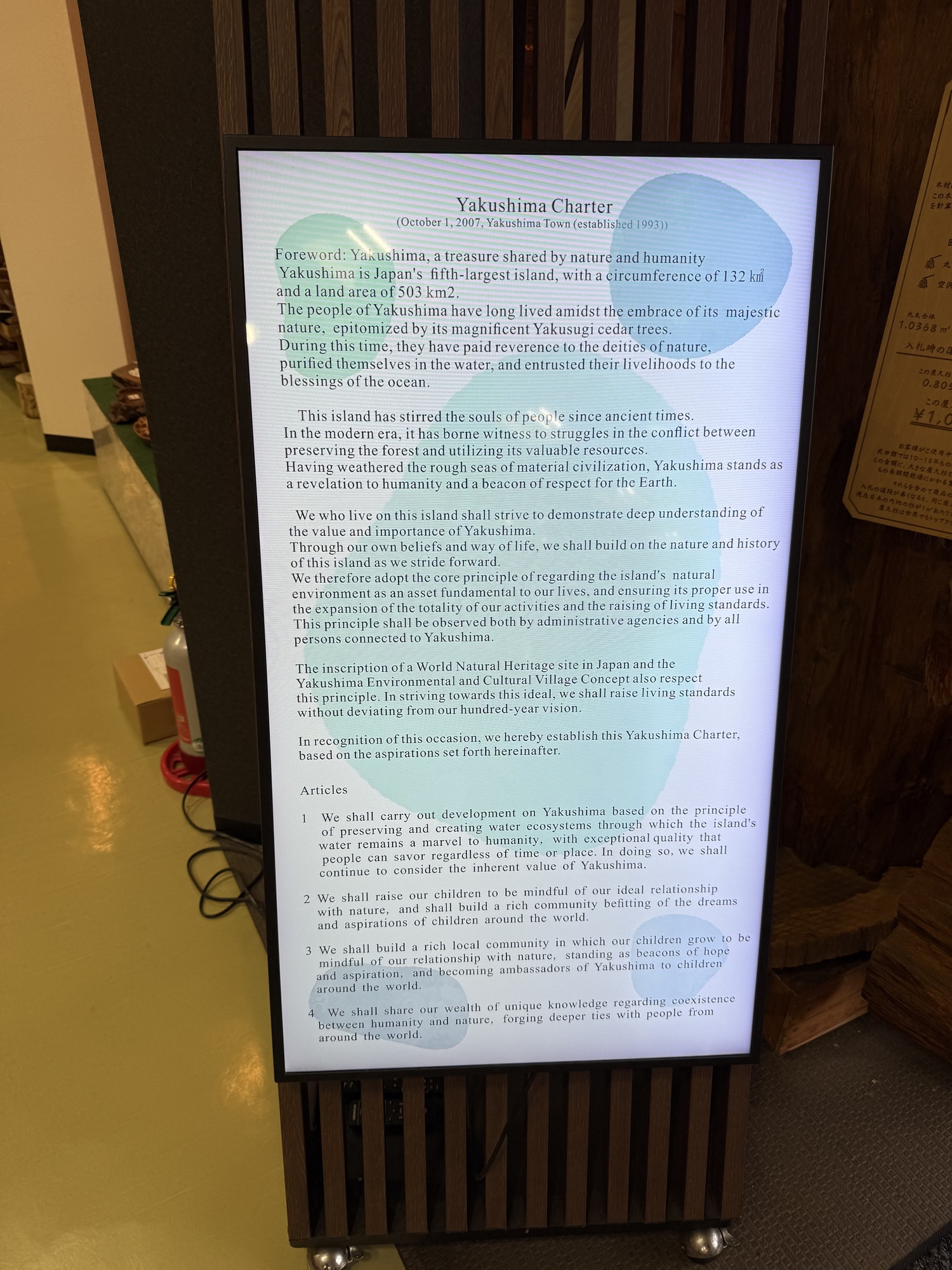
The charter of Yakushima created by the community to maintain the nature and beauty of Yakushima for generations to come within its World Heritage Natural Site status.