December 3, 2025
To Hopetown
| Heart | 2 | Comment | 0 | Link |
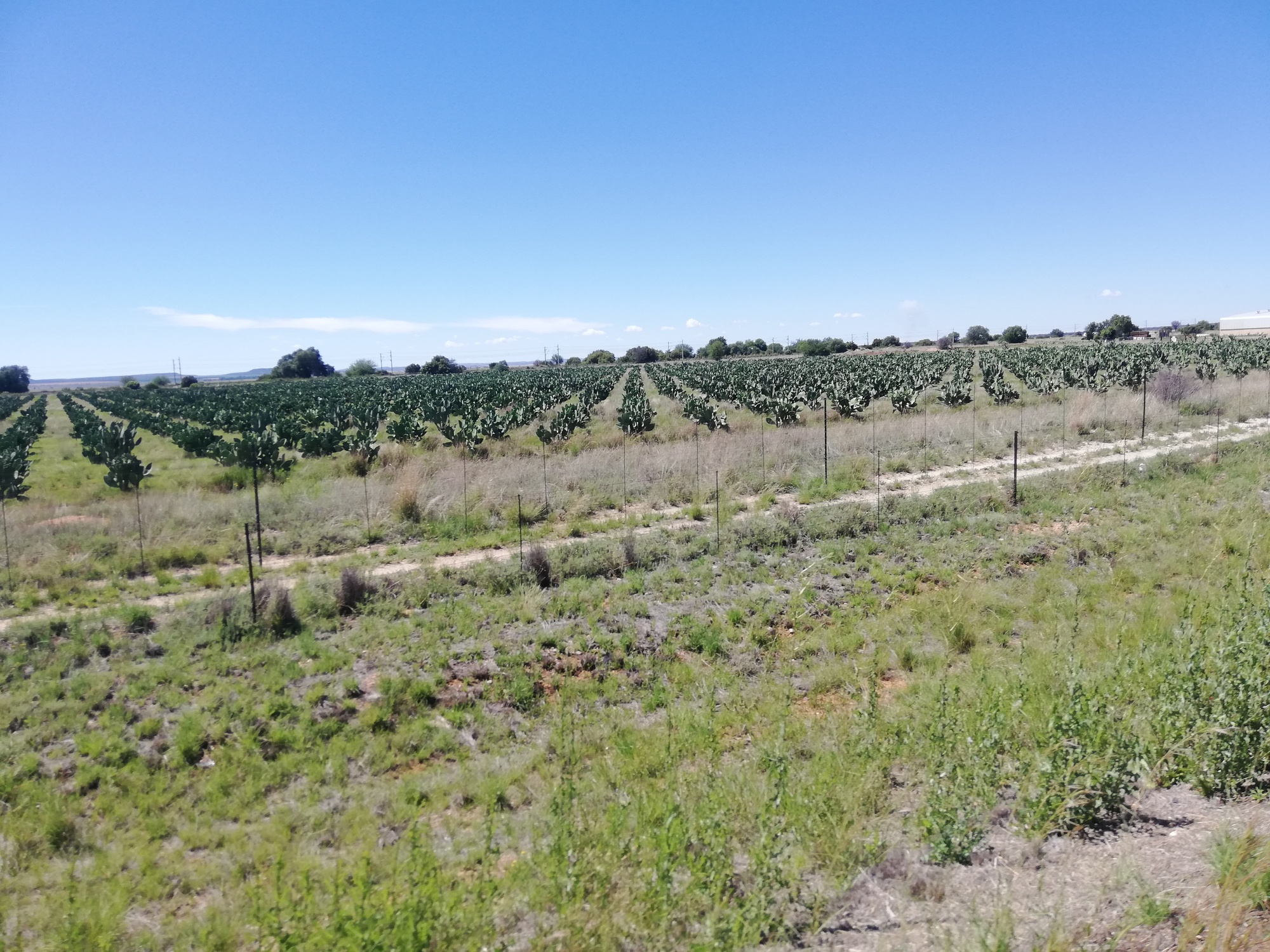
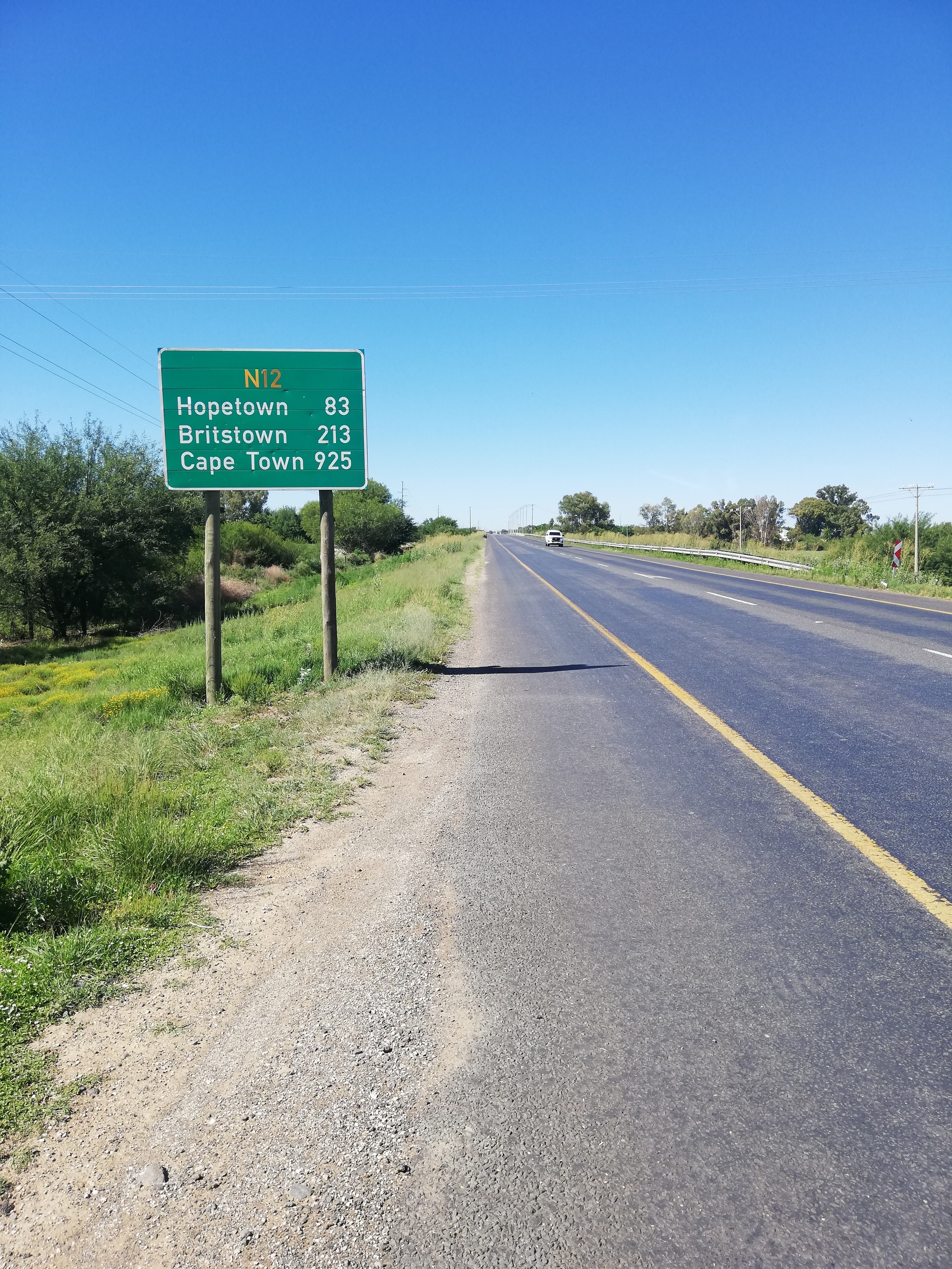
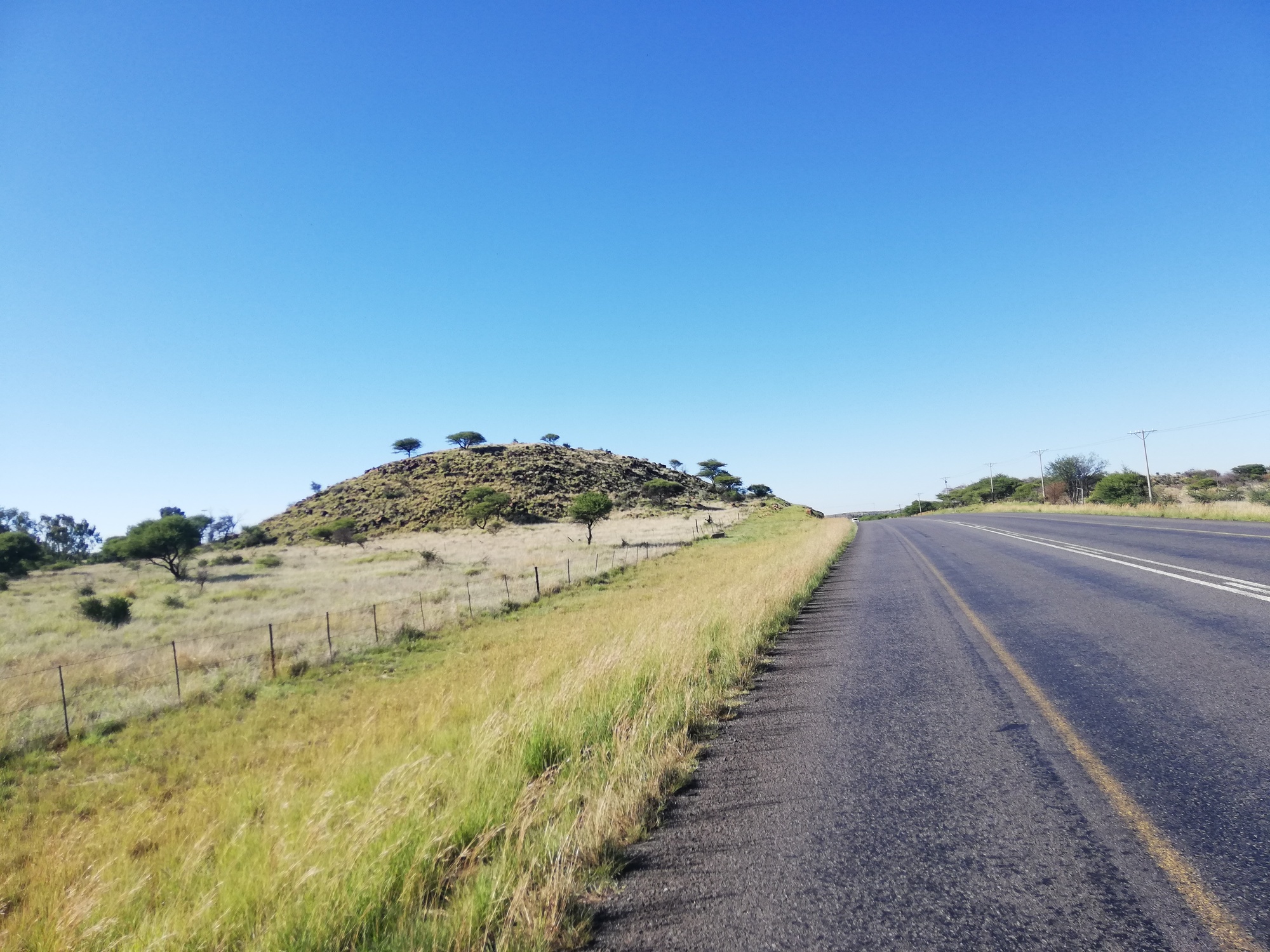
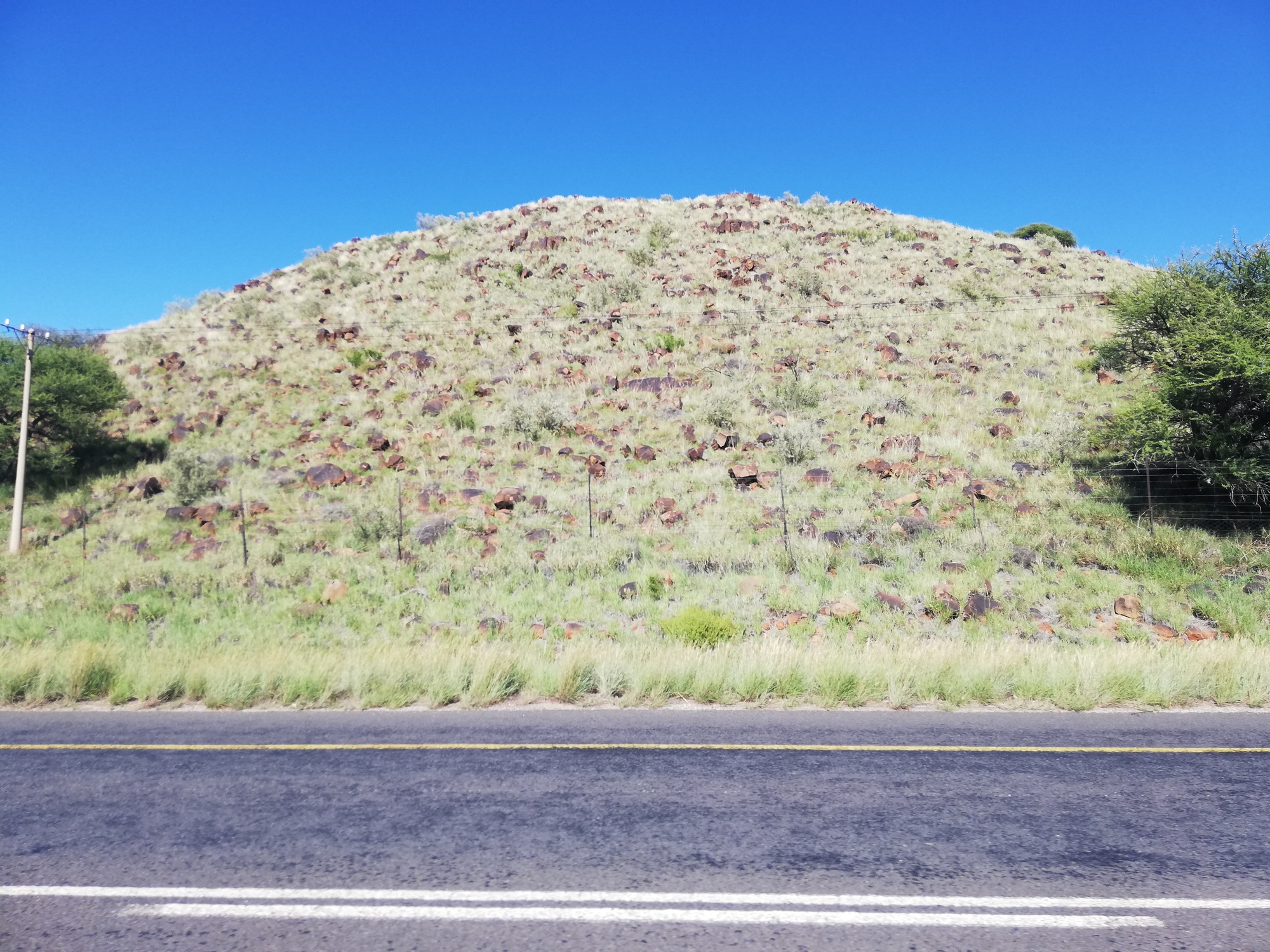
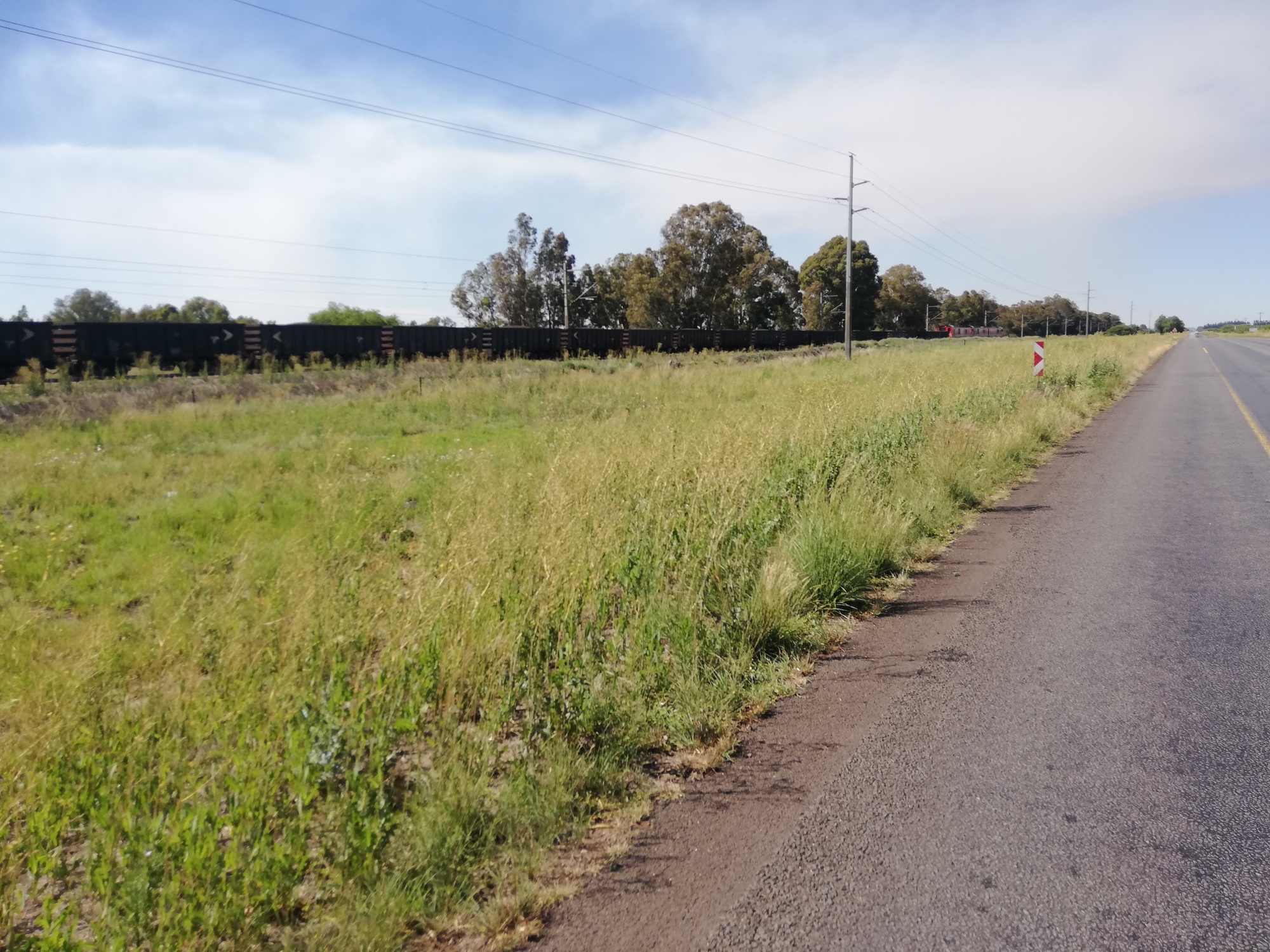
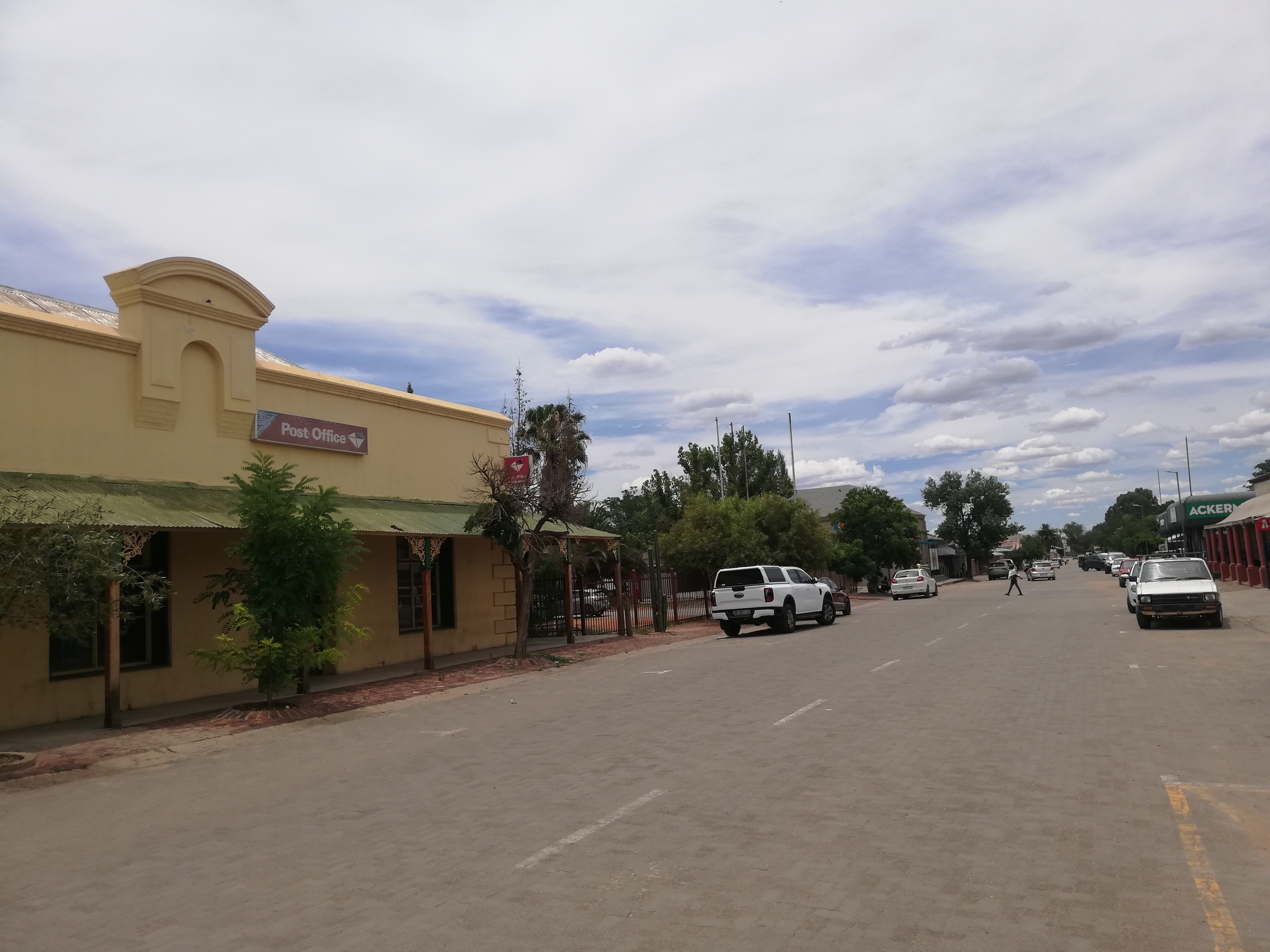
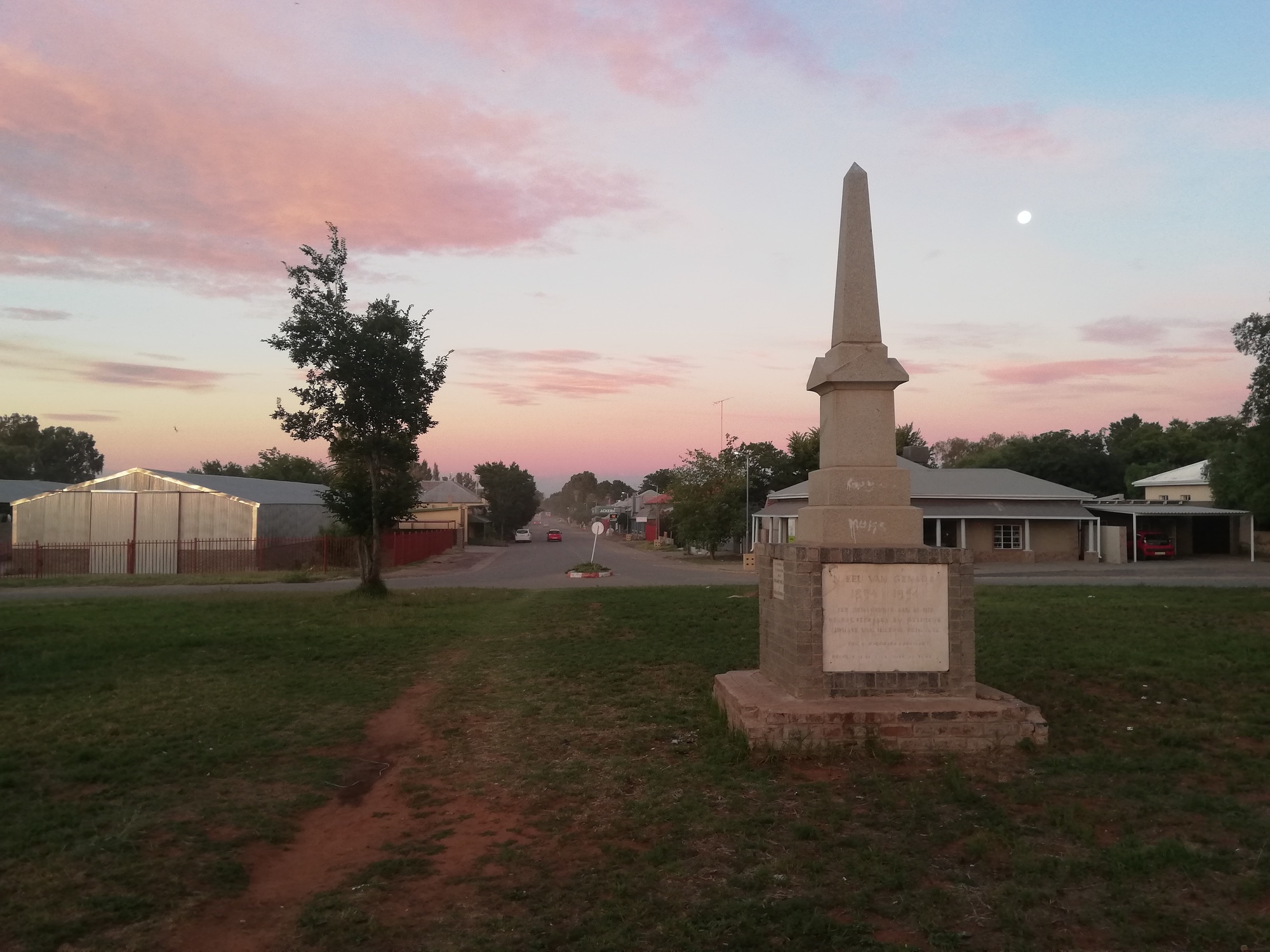
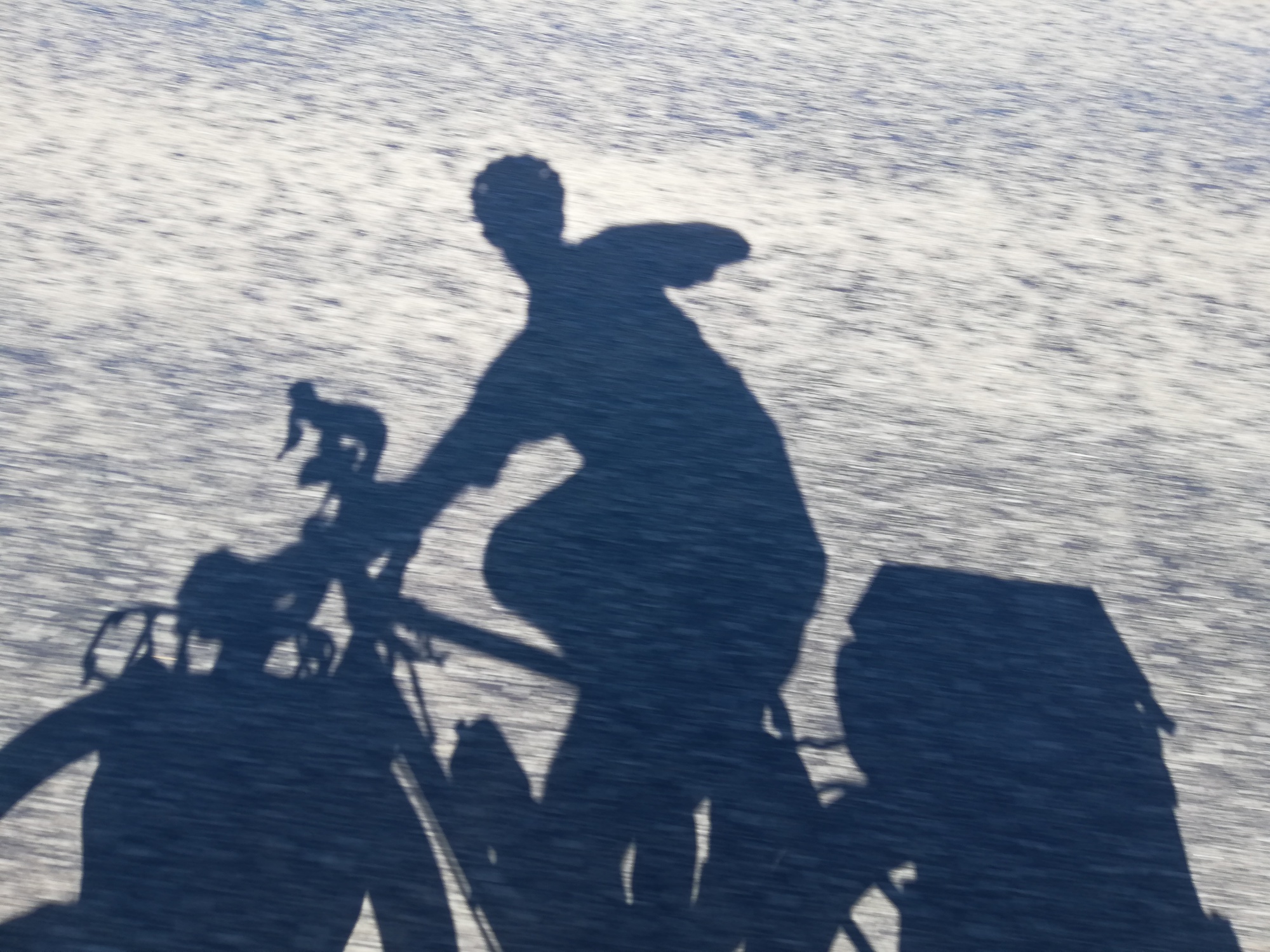
After a rest day I was ready to get back on the bike and head out of Kimberley. I had a long day planned so was grateful for a delicious omelette to compliment my fruit, porridge and coffee. I was soon out on the N12 and that familiar landscape soon re-apeared. But at some point today, that landscape was due to change...
The "Karoo" in South Africa is a vast semi-arid region in South Africa known for its wide, open plains, unique succulent vegetation, and clear, starry nights. Heading South from Kimberley, I will be entering what is know as the Great Karoo and will be traversing this region over the next 7 to 10 days. The Karoo is considered a place of natural remoteness and beauty. It is a place that many South Africans consider peaceful and good for the soul, and hence many of them come to parts of the Karoo for short breaks from the city lives they lead elsewhere. The Karoo is vast, covering 400,000 square kilometers and the landscape is characterized by broad, sandy plains, flat-topped mesa trees, and conical hills (kopjes). Springboks are occasionally seen running across the plains, and I hope to witness this if lucky.
I certainly noticed the change in scenery approximately 50km South of Kimberley, and enjoyed transitioning into this new landscape on my two wheels. A sense of freedom overcame me as I thought about how my journey was taking me to so many new places, and experiences. Personally, this sense of freedom feels even more pertinent when I travel using my own steam, on my bicycle.
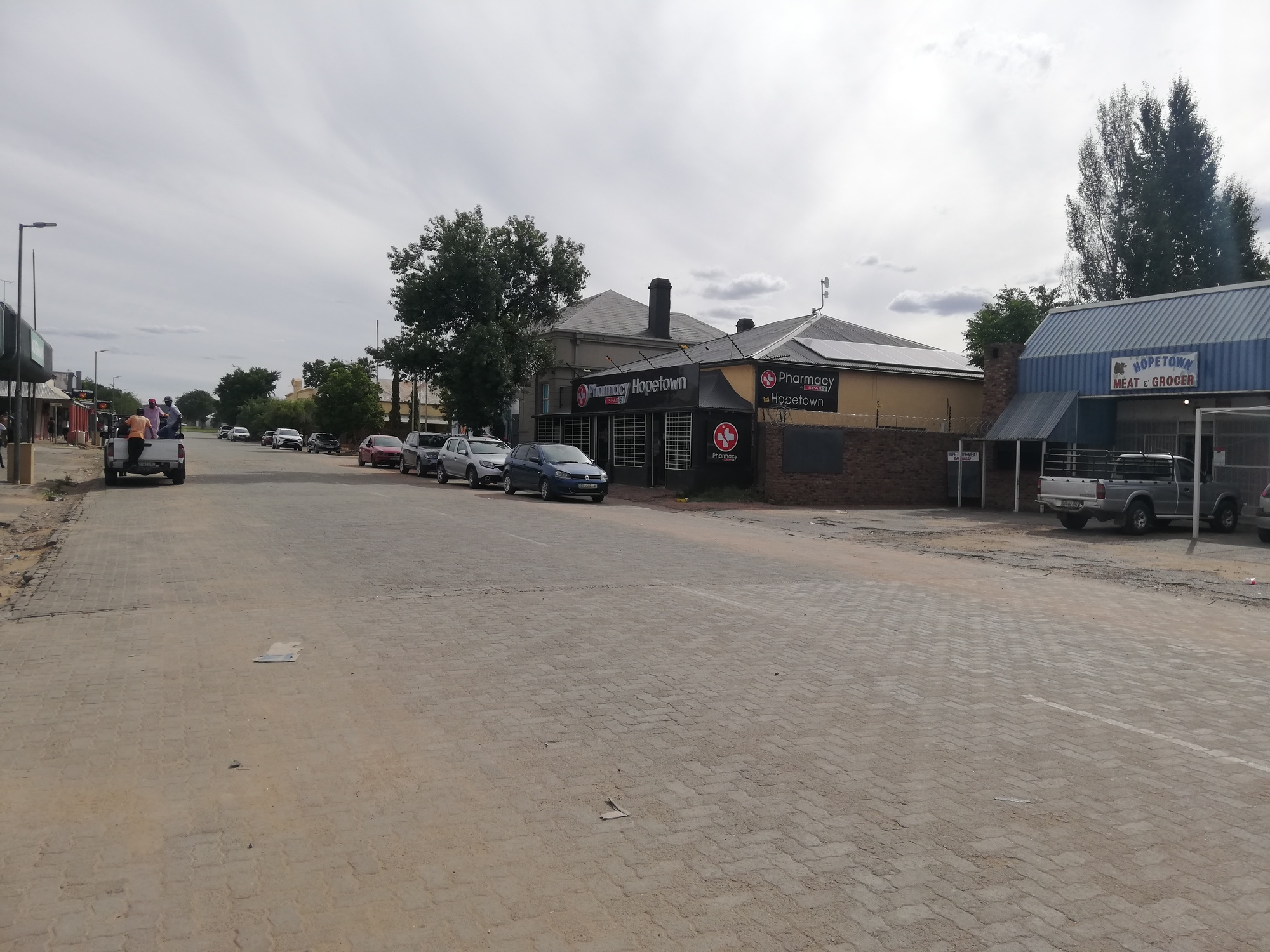
There are a couple of stories that explain where Hopetown got its name. The first is that people originally settled here in the hope of finding diamonds, after the first ever diamond find in South Africa happened on the banks of the Orange River just North of Hopetown. This story is more a myth than reality. The actual story is that the original owner of the farm around which Hopetown was born, was a white settler lady called Mrs Van Niekirk, who wore a small silver anchor on a thin chain around her neck. Her farm workers asked what it was and she told them it was a symbol of hope. One of the servants subsequently fashioned an anchor from wood and mounted it above Mrs Van Niekirk's farmhouse main door, and it became the symbol of hope for the village, that soon became known as Hopetown.
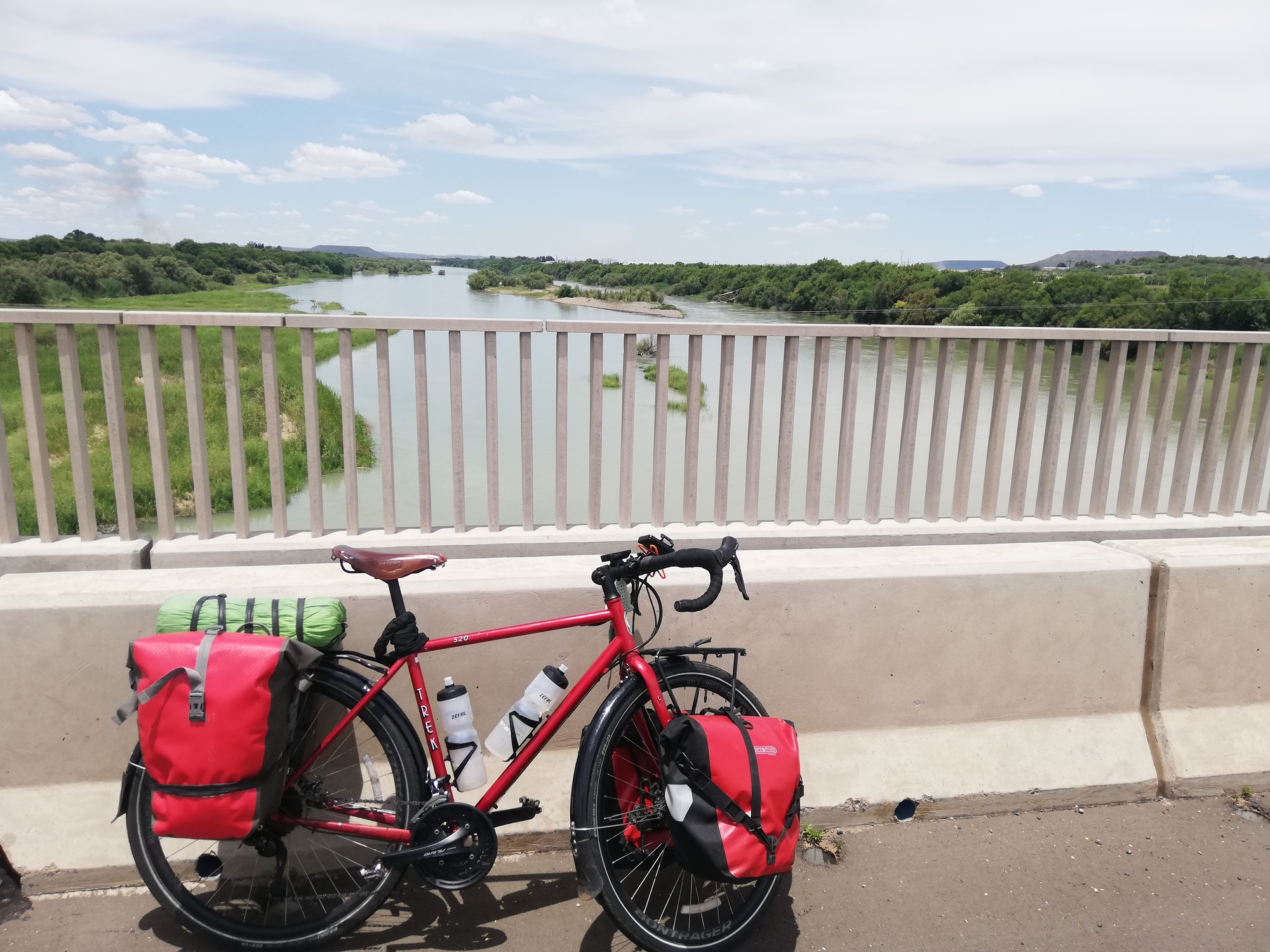
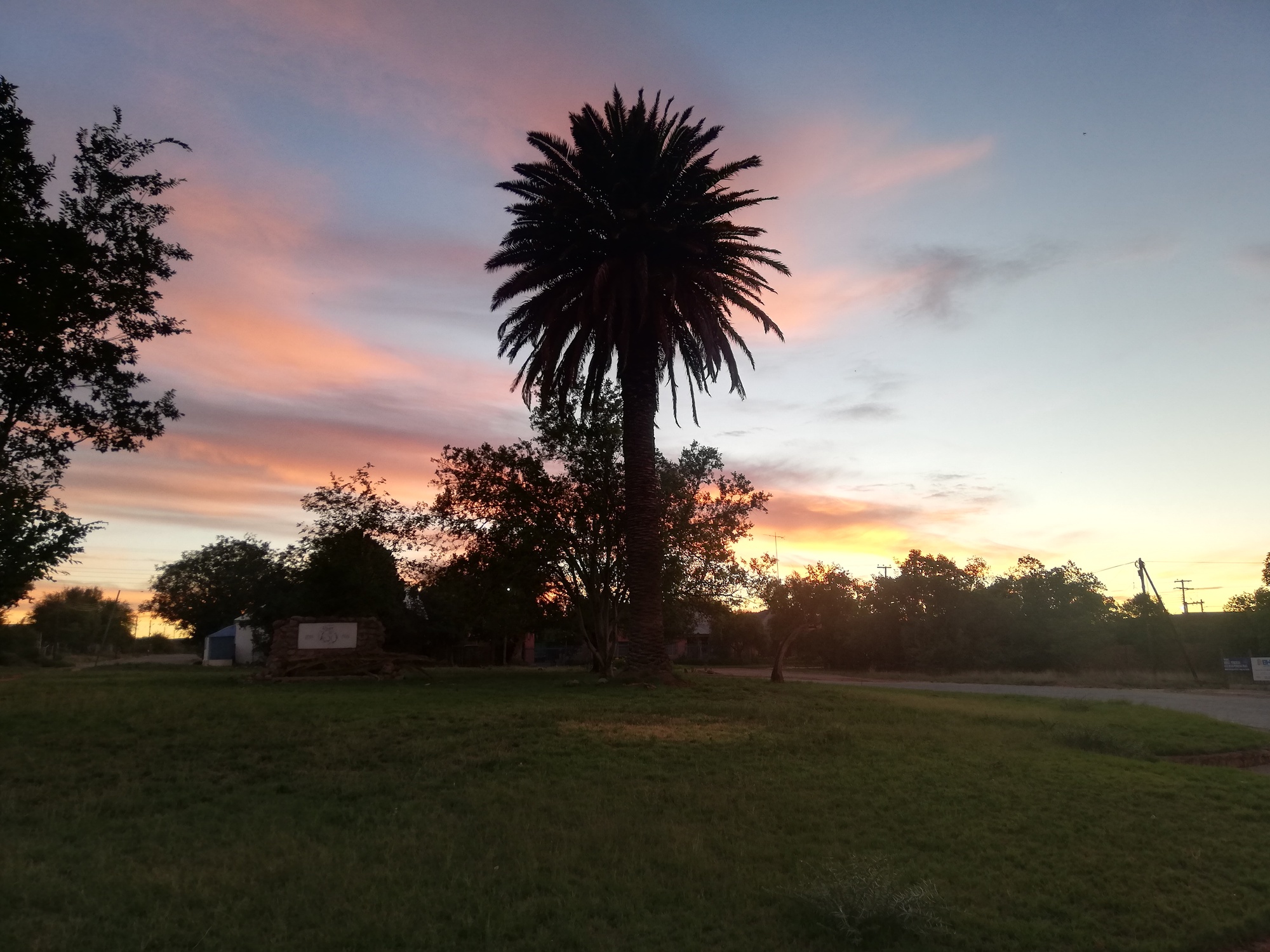
I crossed the Orange River on a bridge about 2km out of the town outskirts before climbing a steep slope onto the plateau leading into Hopetown. The town was extremely sparsely populated, and exuded an air of lethargy. But still, there was life, in its simplicity, and subsequent beauty. People went about their business in a slow and calm manner, and returned my smiles and polite greetings. My home for the night was the appropriately named "Karoo Inn" where I secured a comfortable room with all the things I needed for my one night stay. After my dinner, which was delivered by a restaurant recommended by the information booklet in my room, I strolled around town. Nothing was happening except dogs barking as I walked past their territory. I watched my first Karoo sunset and settled back into the safety of the Inn, located on the edge of town.
Today's ride: 122 km (76 miles)
Total: 1,766 km (1,097 miles)
| Rate this entry's writing | Heart | 2 |
| Comment on this entry | Comment | 0 |