December 2, 2025
Rest day in Kimberly
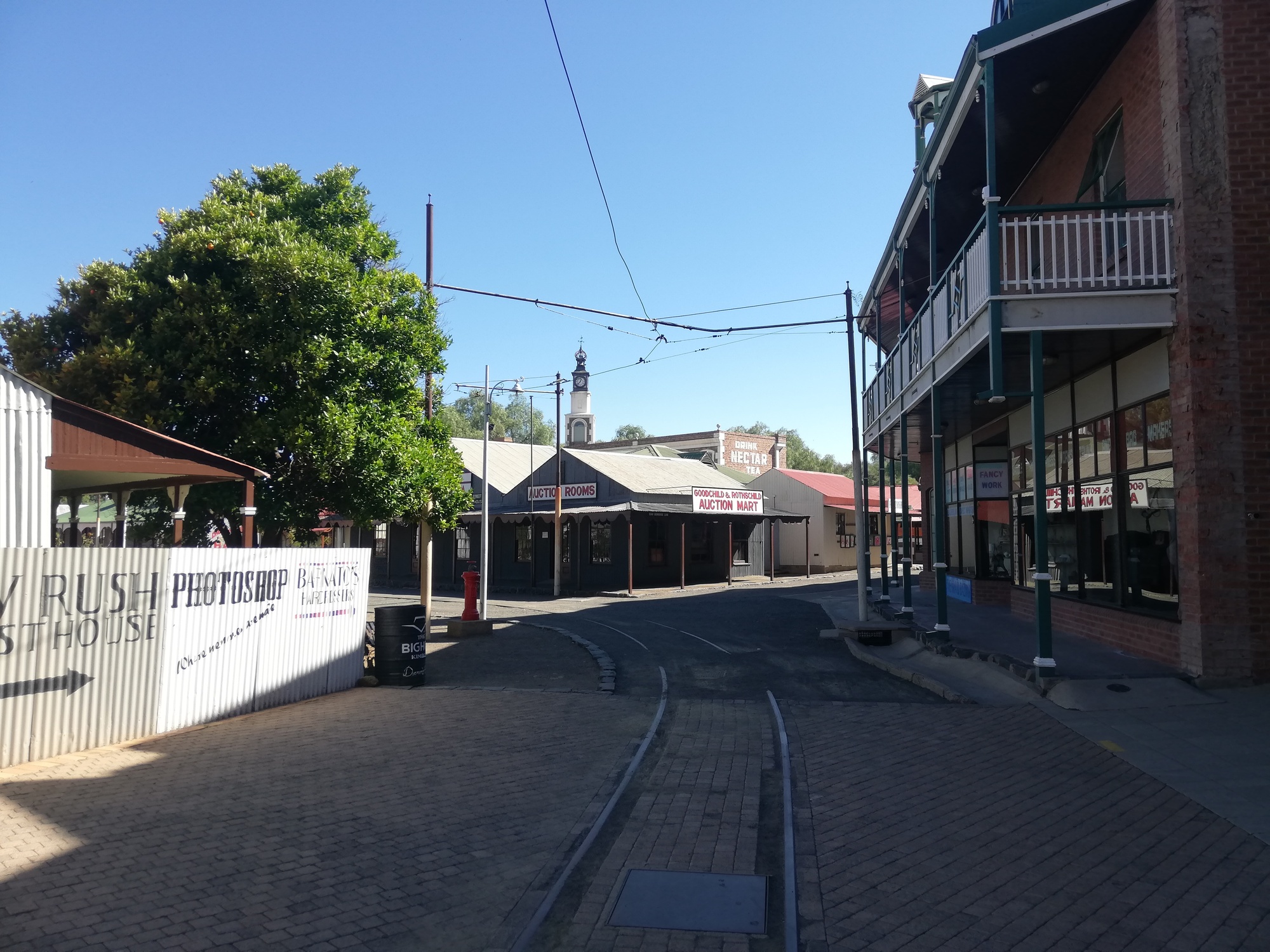
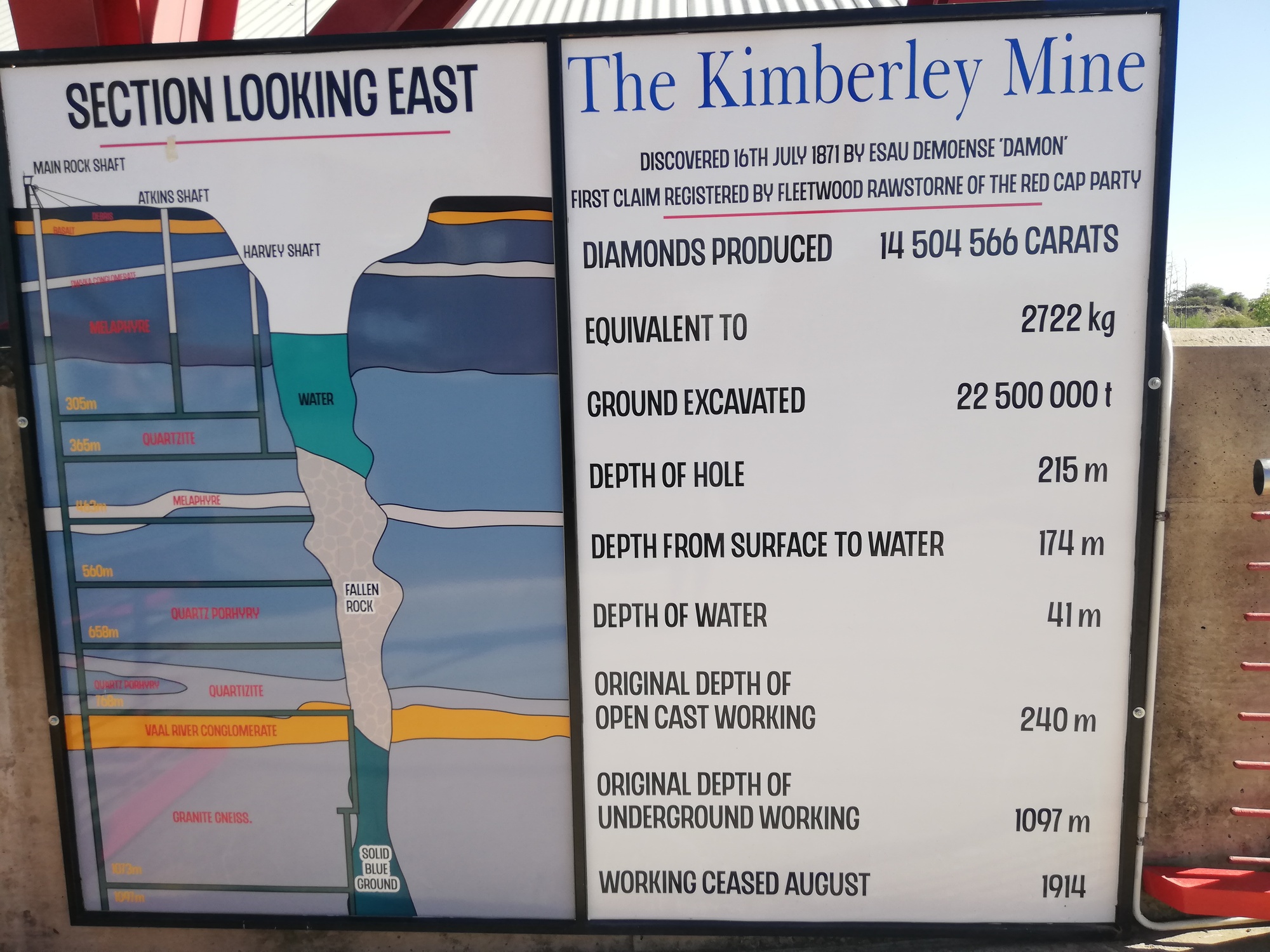
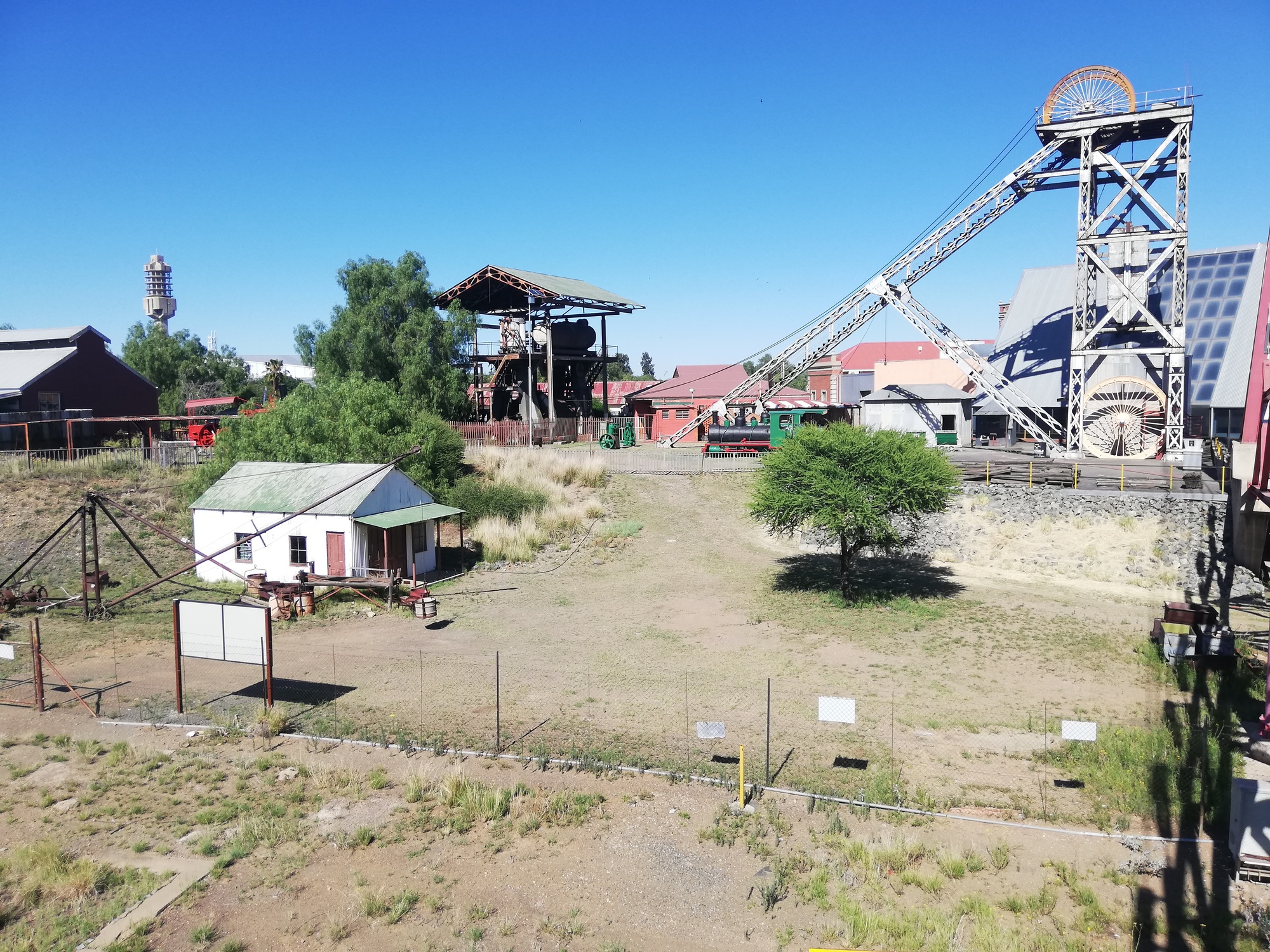

Just as well I had decided on a rest day today. Had I been riding, I would be facing 34 degree heat and a fierce head wind. A fortunate stroke of serendipity, is what I thought to myself as I tucked into a full English breakfast, and sipped on aromatic filter coffee.
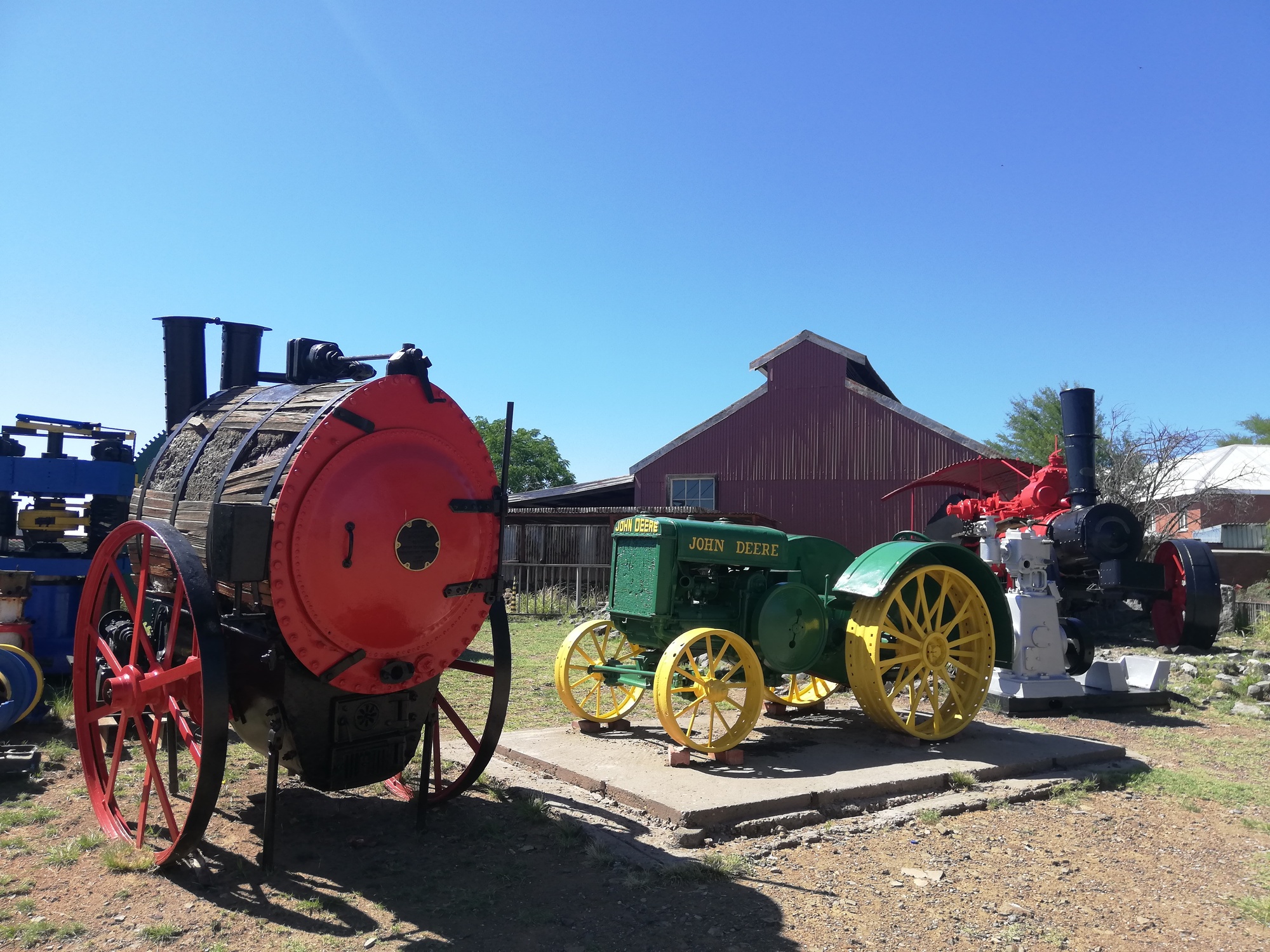
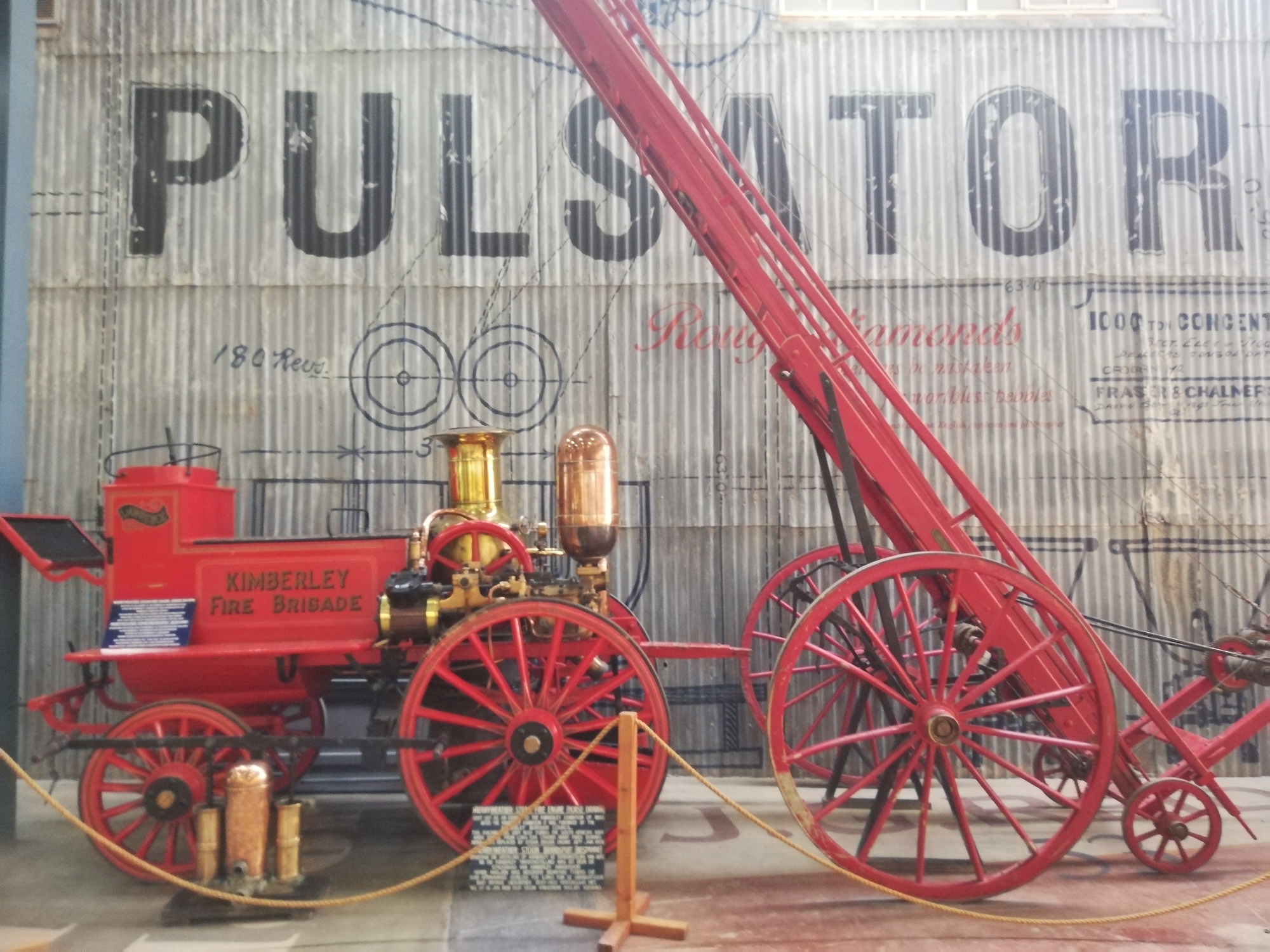
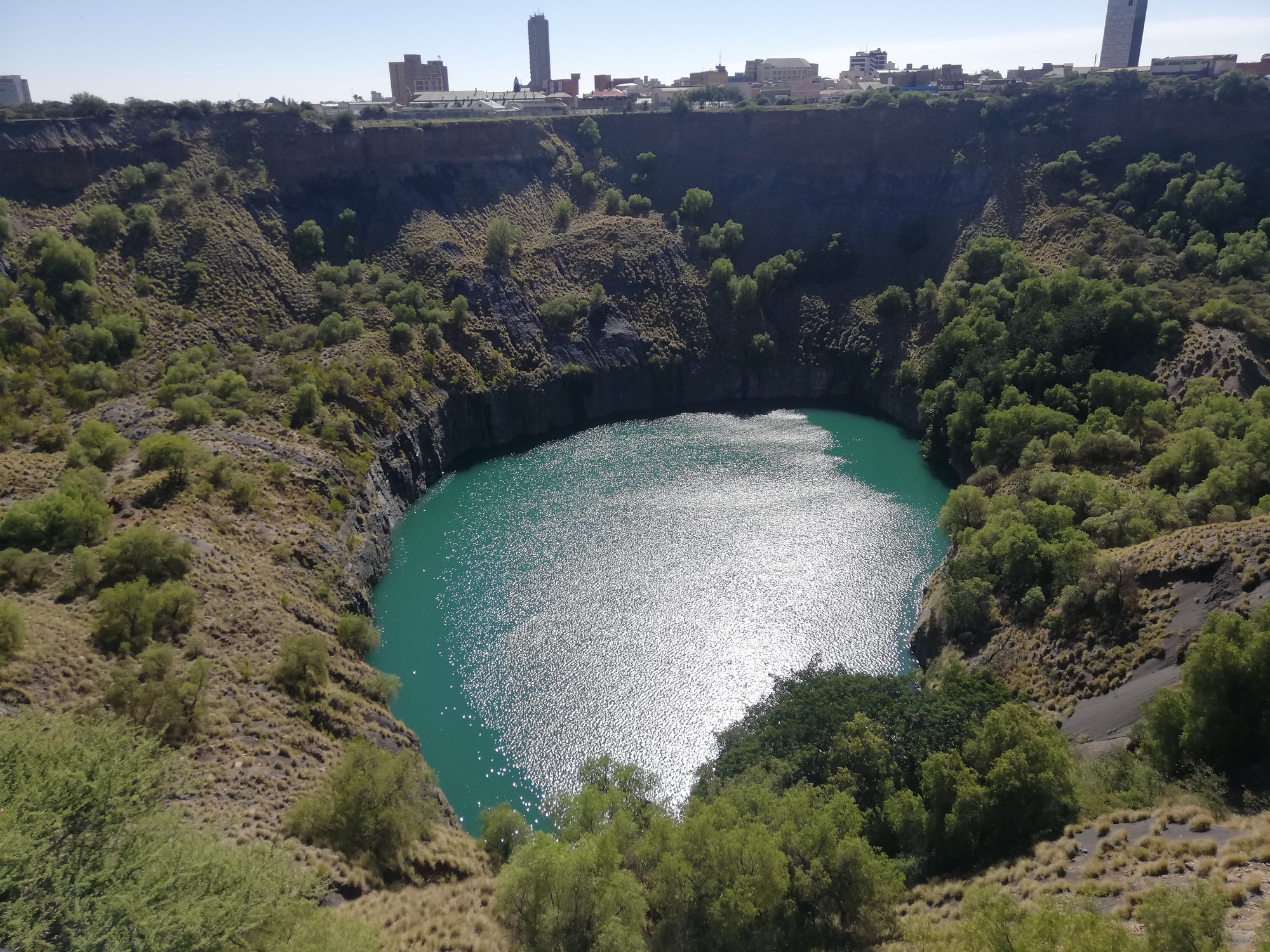
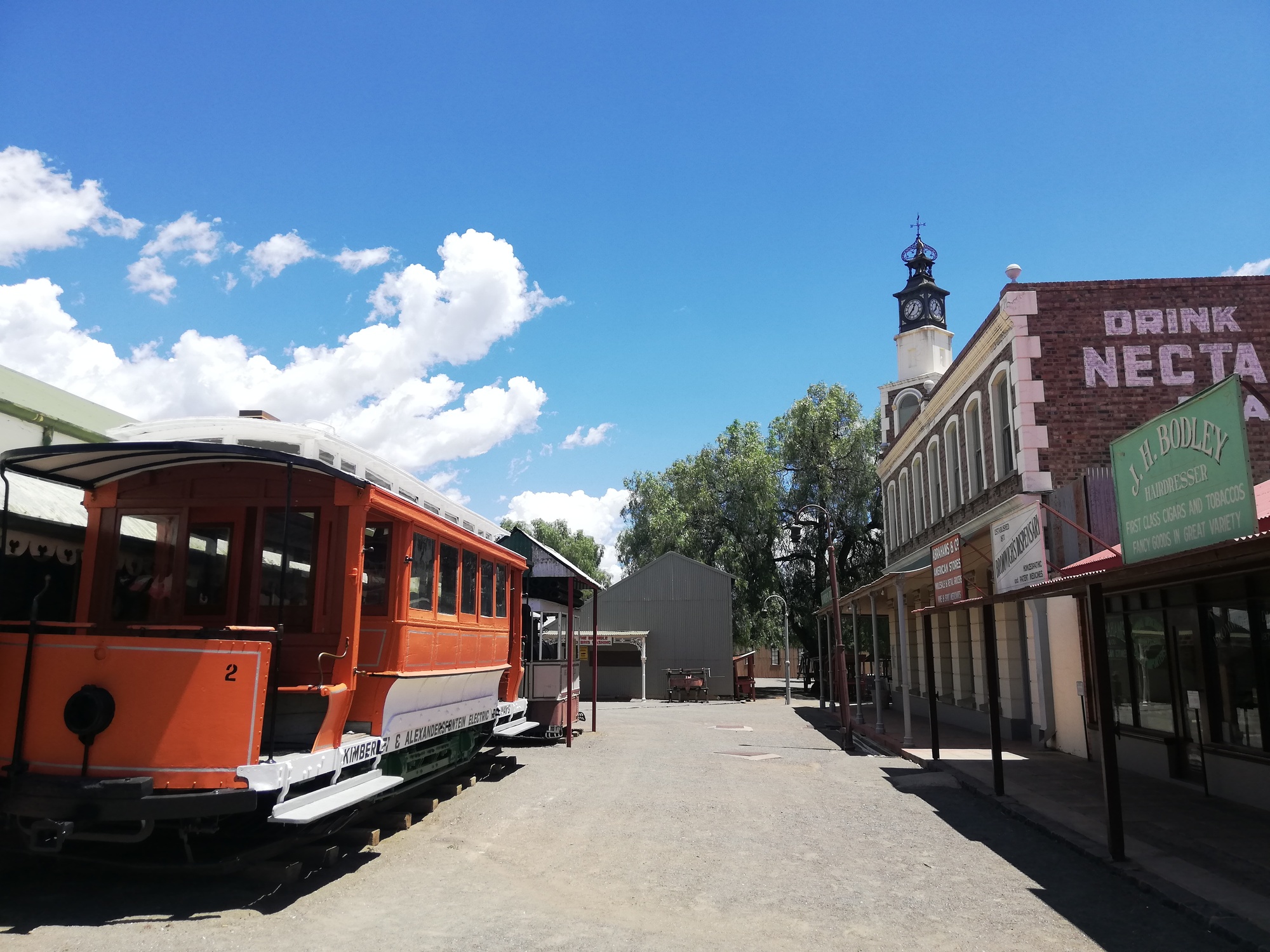
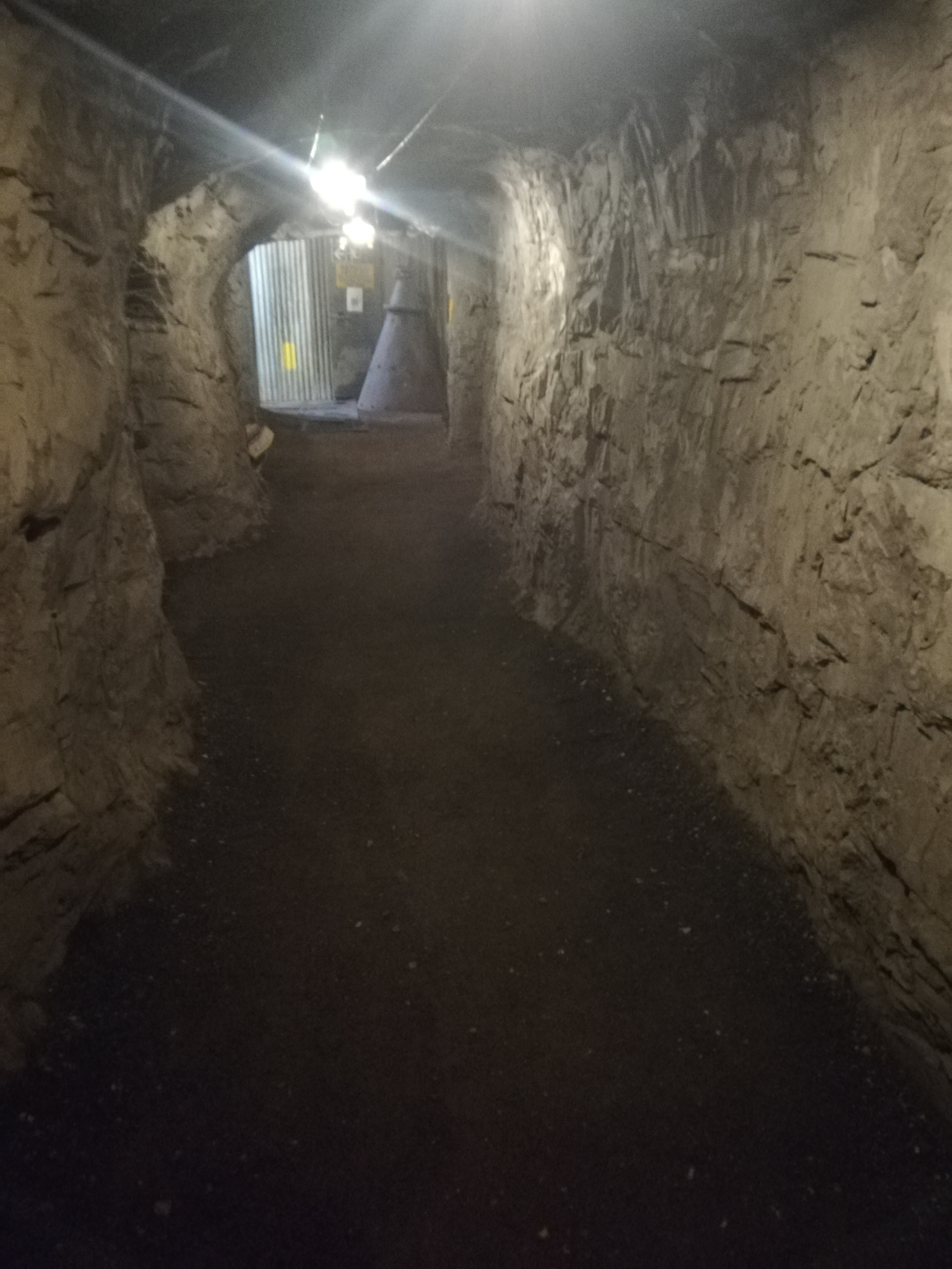
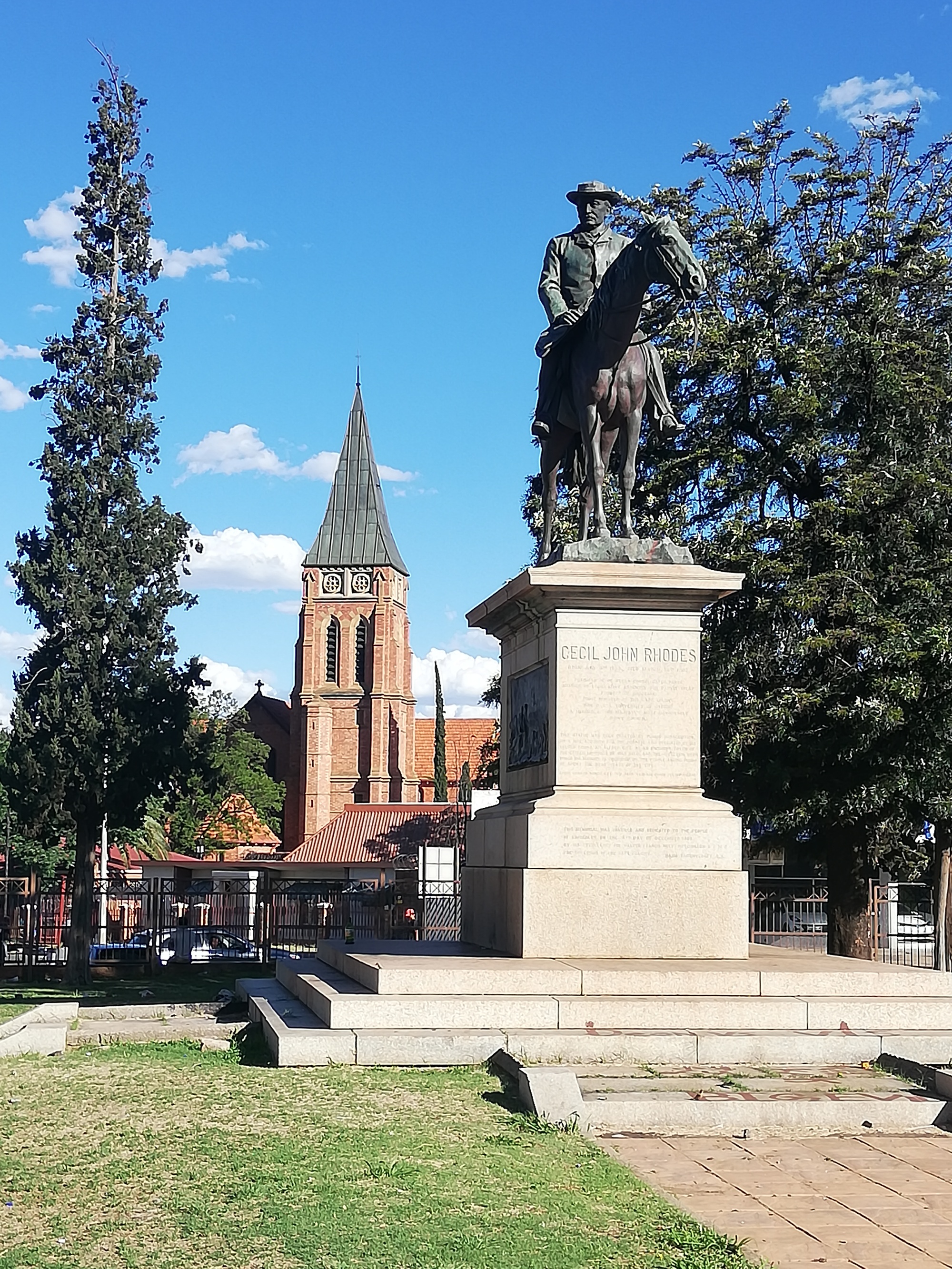
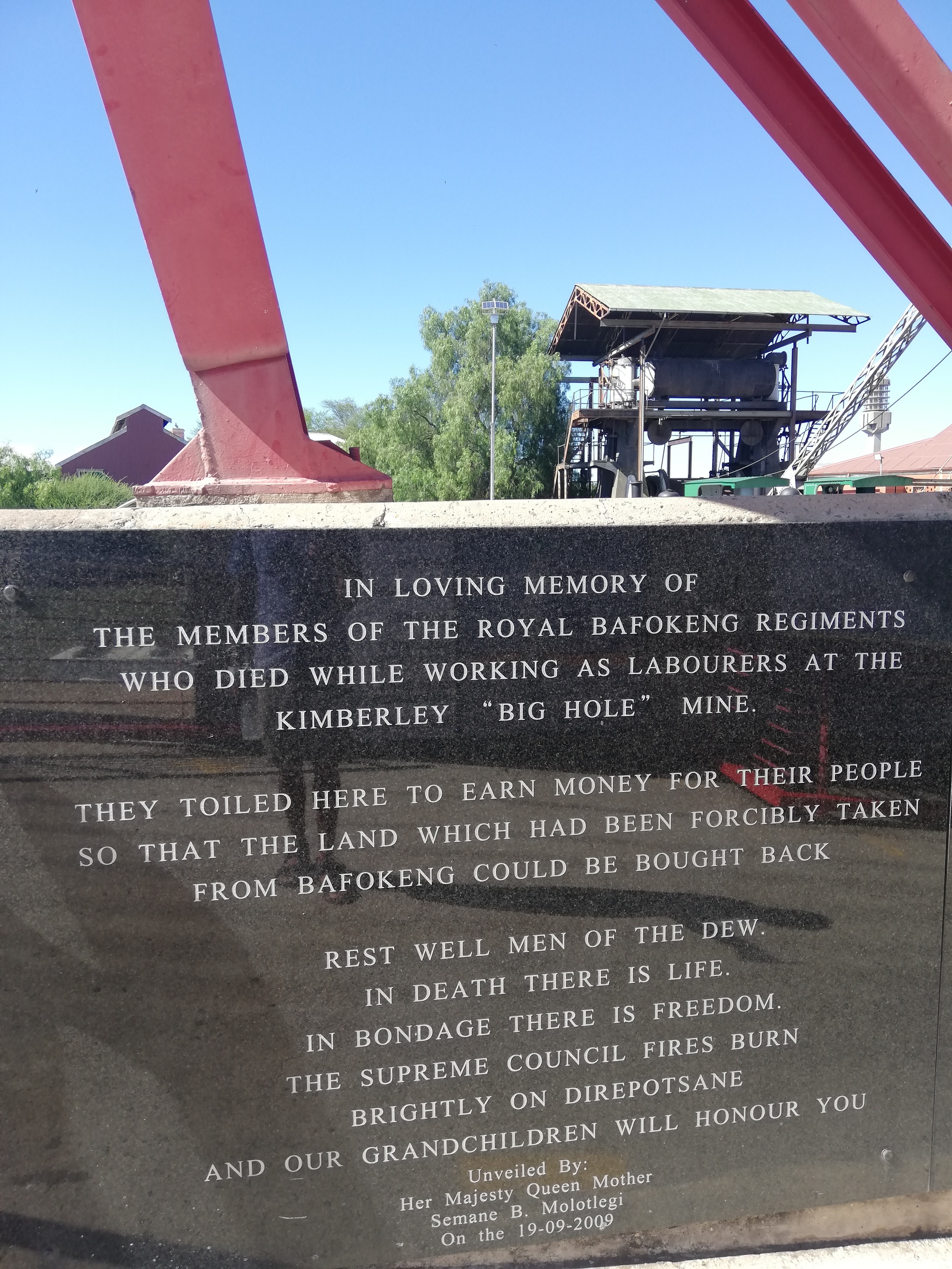
I ordered an uber and made my way to the "Kimberley Big Hole" mine and museum, the main attraction of town. The site was truly impressive and consumed three hours of my time. The Big Hole, which is literally a big hole in the ground, was dug out by men with shovels during the diamond rush of the 1860s. It is the largest excavation created by human hands in the world. Diamonds were discovered in the area by chance when a white settler's son found a shiny pebble, completely by chance, whilst playing outside one day. The rush that ensued was unprecedented, and included the likes of Cecil John Rhodes and Barney Barnato, the confounders of the De Beers Consolidated Mining Company Ltd. Rhodes was instrumental in the growth and dominance of De Beers in the world diamond market, and no doubt, became unscrupulousy wealthy as a result. The land on which the mines were located were seized from the indigenous Bafokeng tribe, whose men were then offered work in the mines as an opportunity to earn money to buy their land back from the white settlers! The audacity of this arrangement was only equalled in ridicule by the Bafokeng peoples' acceptance of the arrangement. The Big Hole in Kimberley was one such mine. During excavation, countless landslides occurred, burying both black and white workers alike. Bodies were never recovered, and ghosts are said to haunt the Big Hole as a result. Diamond digging "plots" at the Big Hole were sold in 4m x 4m squares by the mine' owners, and space was scarce. Needless to say, the diamond business that thrived in South Africa in the late 1800s did so at the expense and severe exploitation of the local African tribes who were either forcibly displaced from the area, or offered "work" under obscene conditions. The museum was very informative and included plenty of historical detail as well as scientific explanations of the atomic structure of diamonds and what makes them valuable.
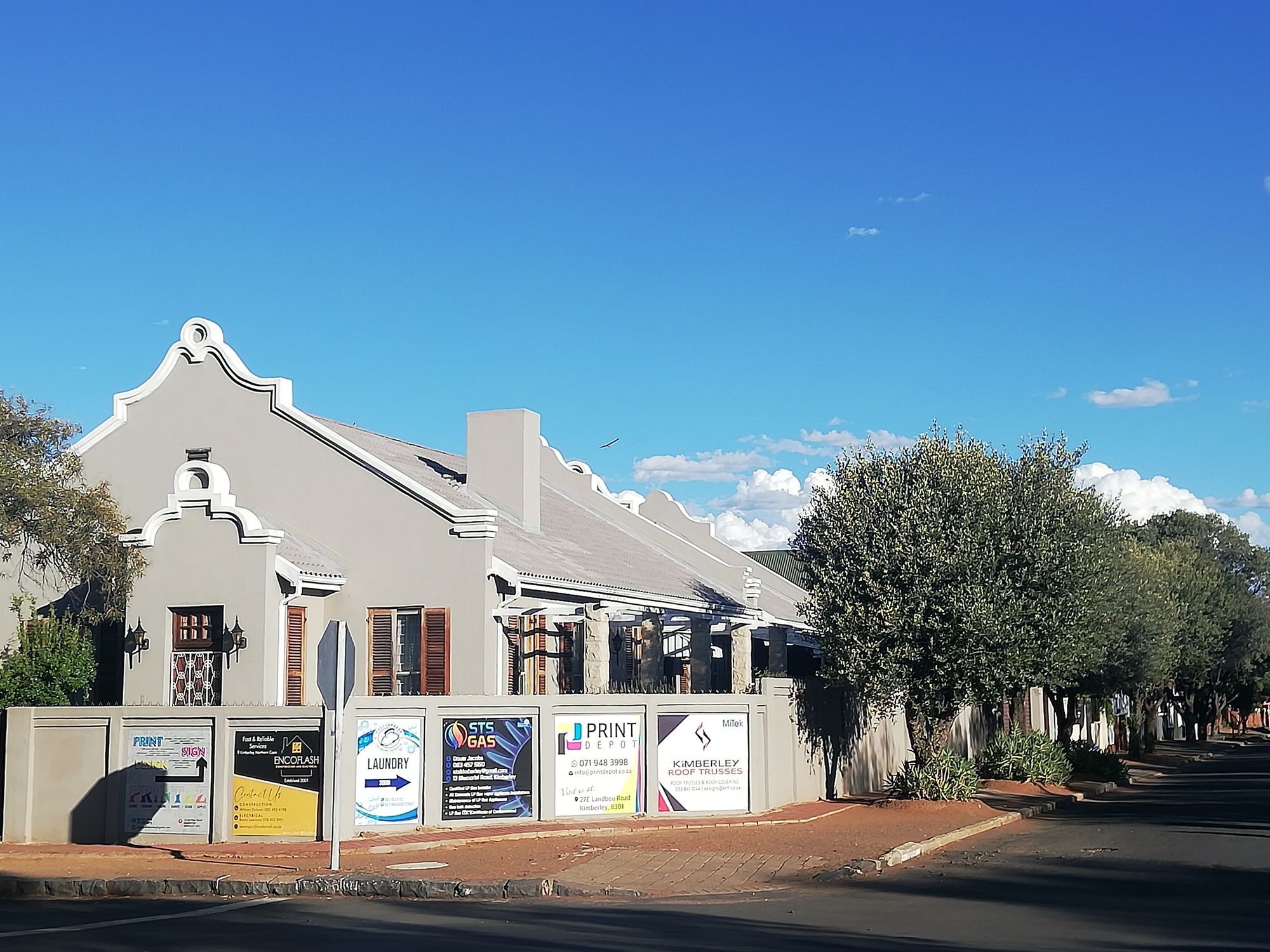
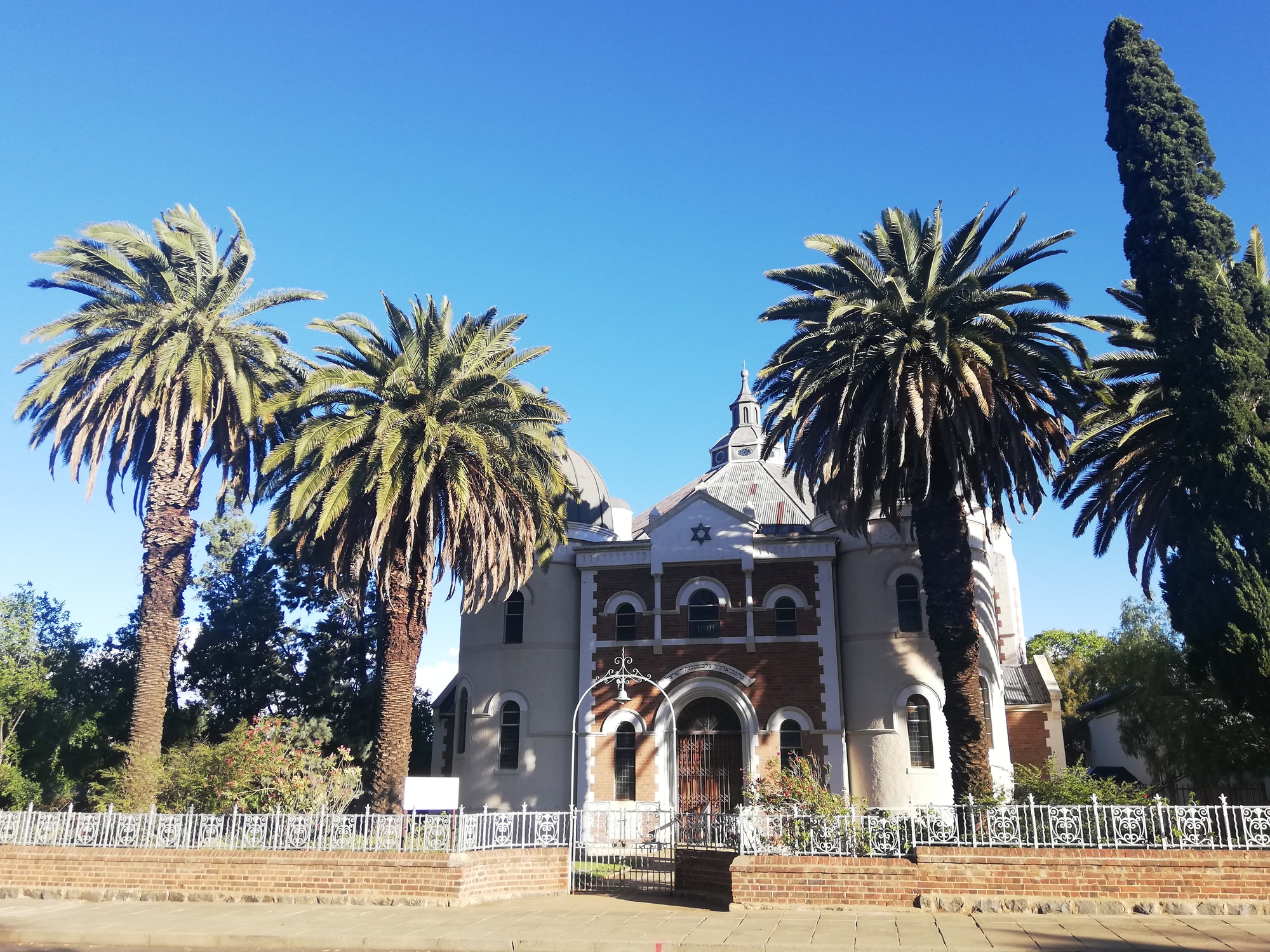
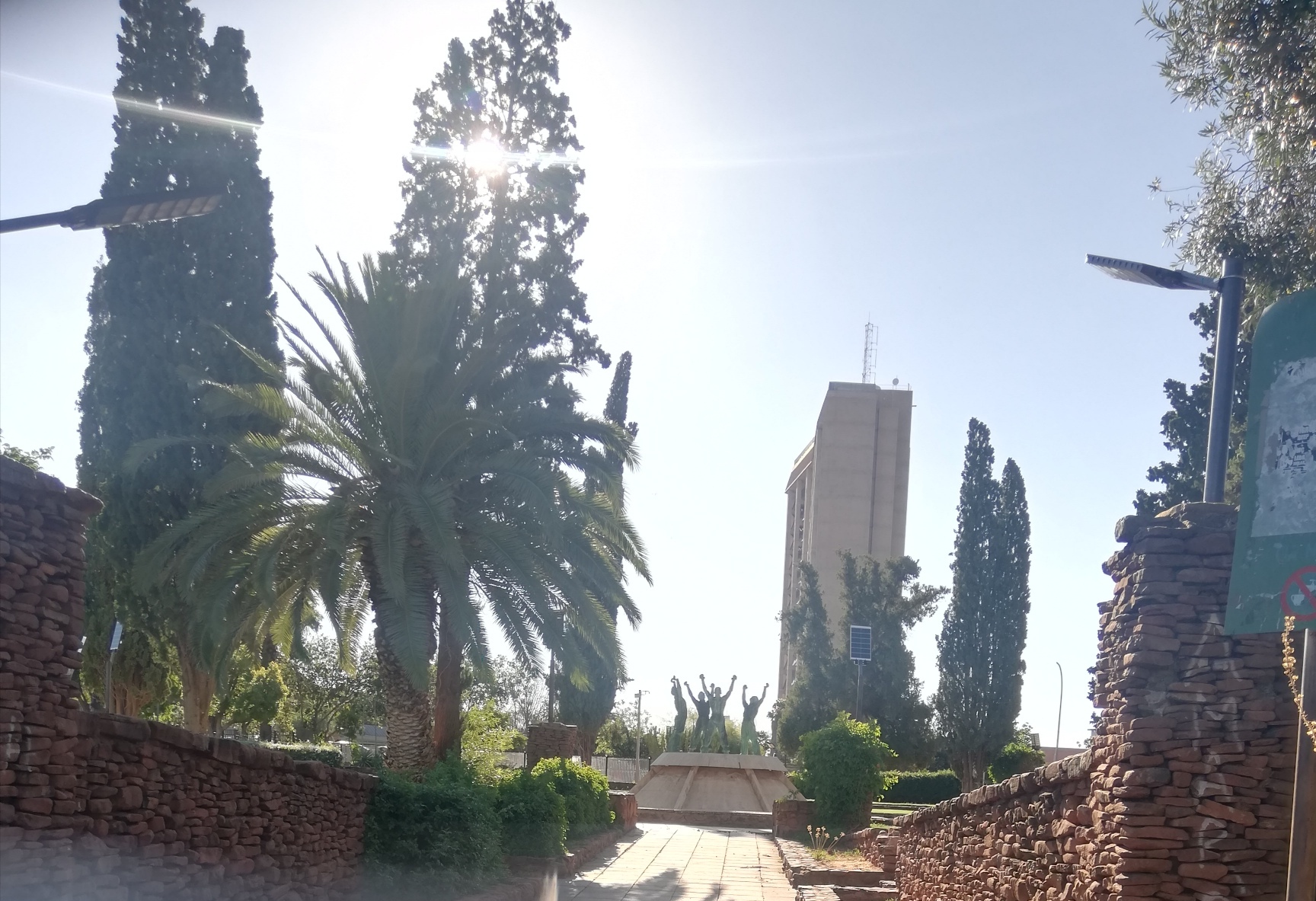
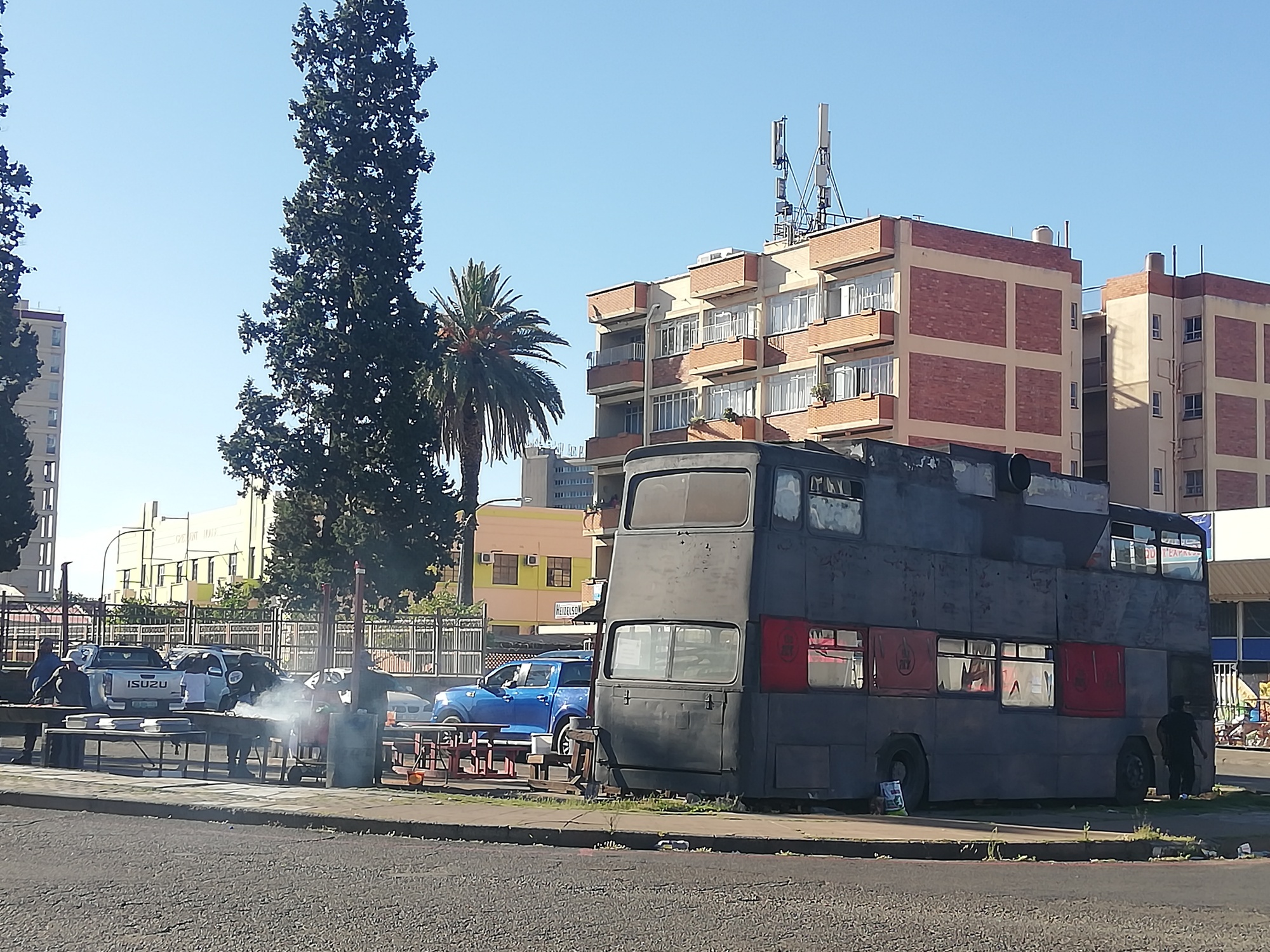
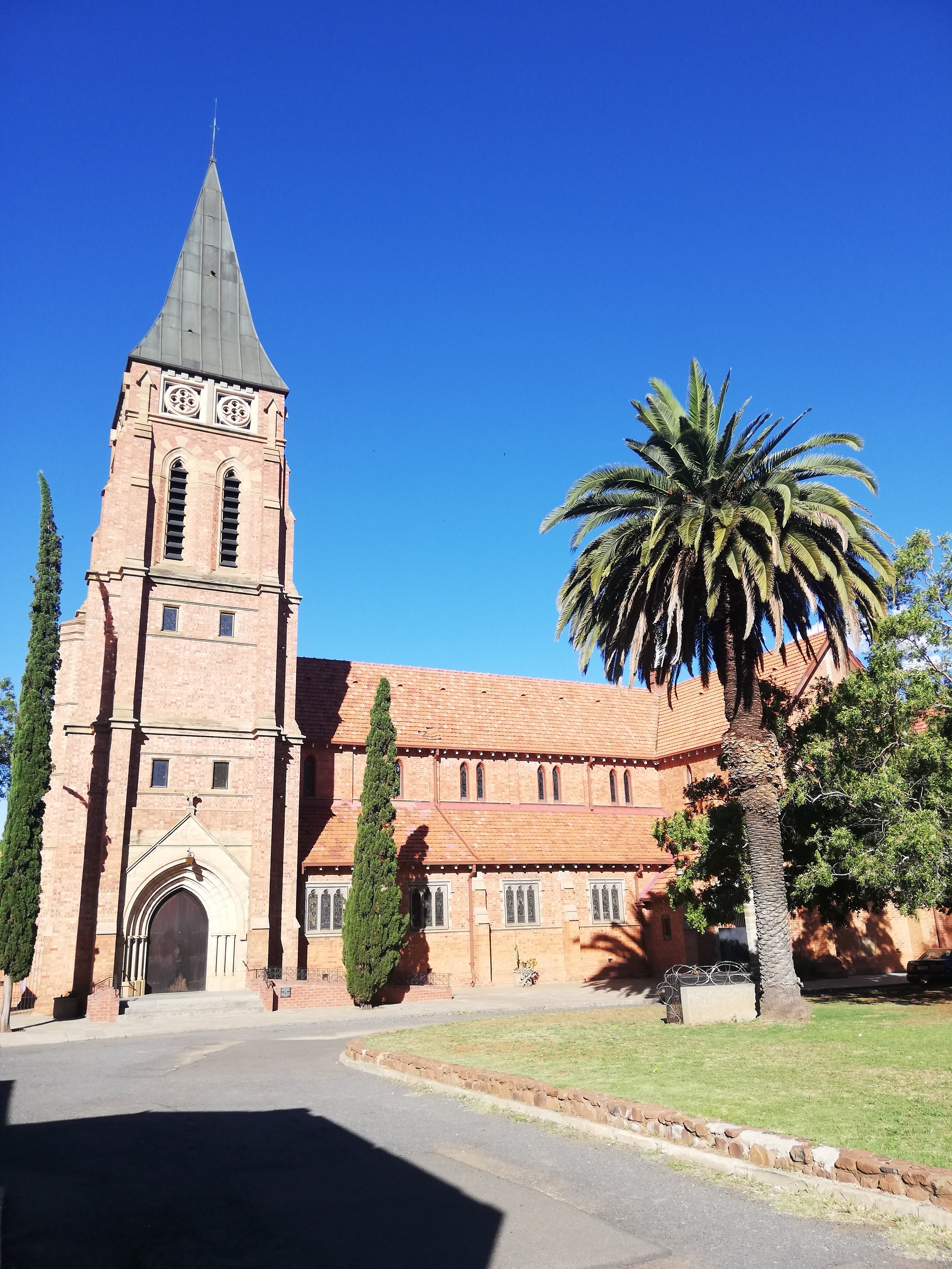
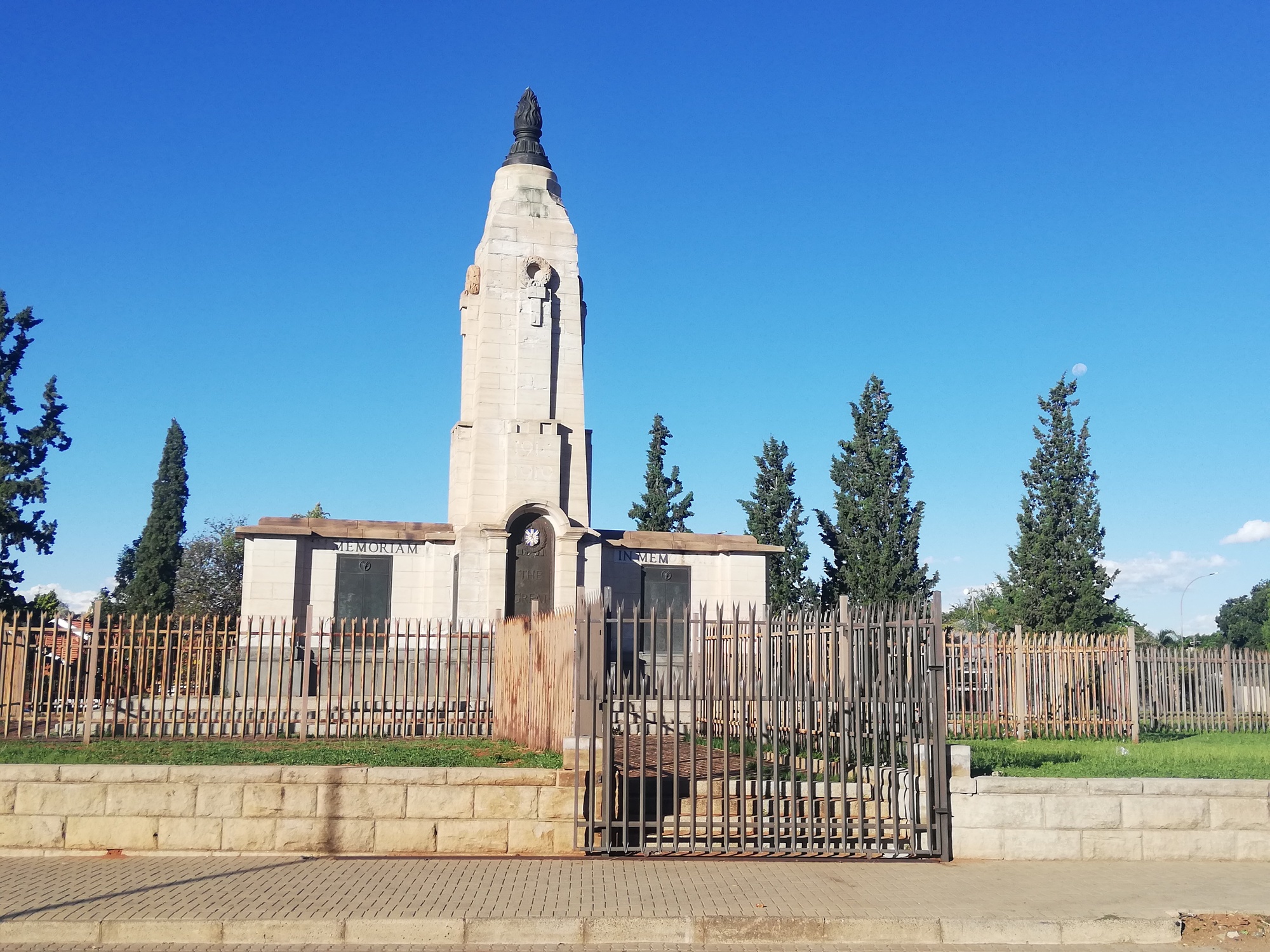
The midday heat convincd me to head to the Pavillion Mall, where I did some food shopping and people watching before heading back to the guest house for a siesta. Later in the evening, I took a walk to see some sights of Kimberley that were mentioned by TripAdvisor, and take some photos. I then spent a very enjoyable evening sitting out in the garden chatting to some other guests who had brought their teenage sons and daughters for a regional tennis tournament. It turned out that the teenagers also excelled at rugby, swimming and hockey! I reminded myself of how sports proud South Africa is, and I saw this pride in the young teenagers I had the pleasure of speaking with today.
| Rate this entry's writing | Heart | 1 |
| Comment on this entry | Comment | 0 |