December 25, 2025
Ruins of Southwestern Turkey
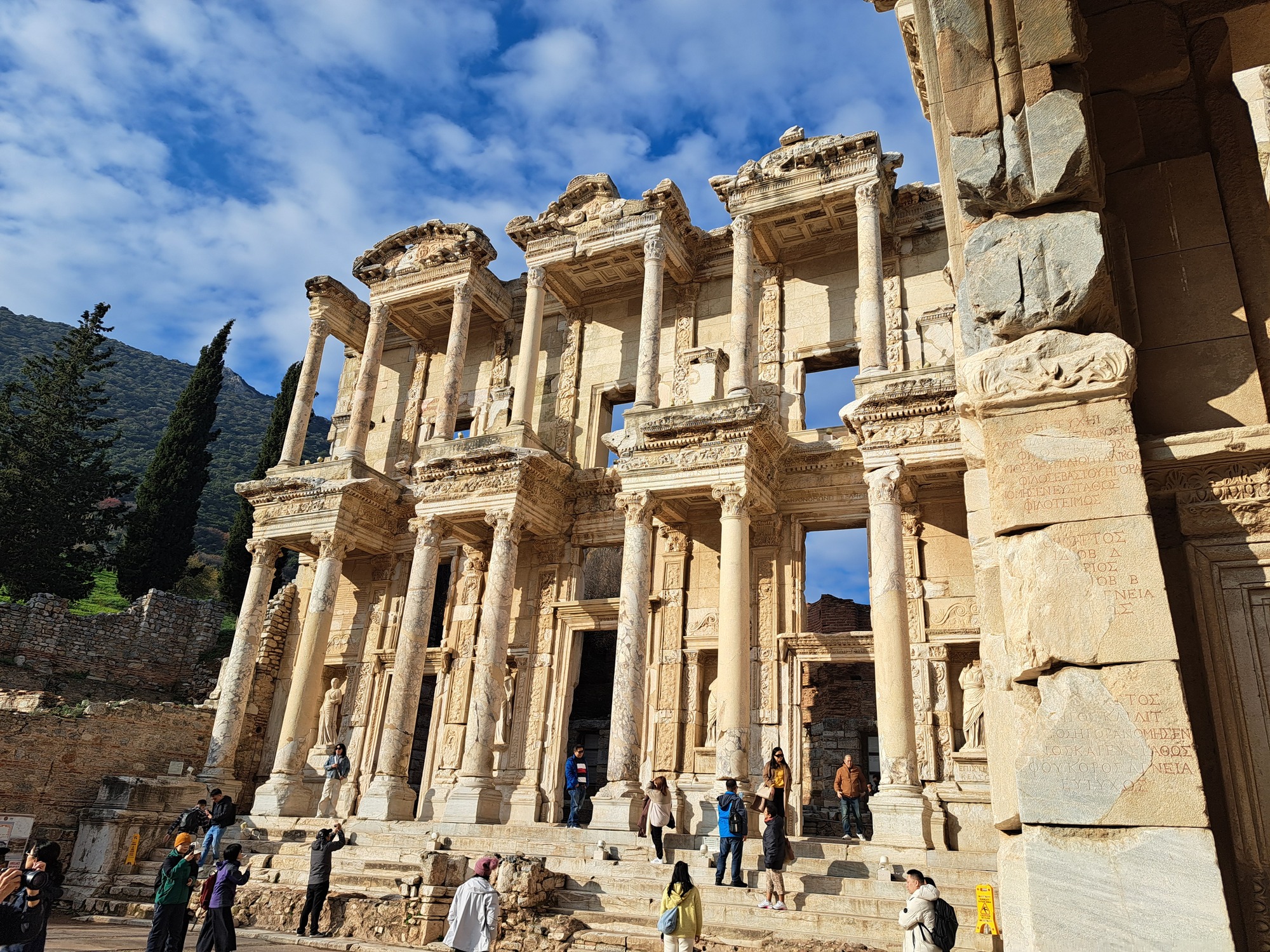
The southwest corner of Turkey is speckled with ancient ruins: Phaselis, Olympos, Xanthos, Euromos, Kaunos, Stratonikeia, Hirakleia, and - grandaddy of them all - Ephesus. Typically, each site has an agora, a theatre, temples, bathing houses, colonnaded streets, and a necropolis. Smooth-sided or fluted, marble or granite, the columns with their elaborately fashioned cornices point at the sky, endowing each city with classical grandeur. It is difficult to know, however, what structures are Lycian or Carian or Kaunean or Herakleian. The original inhabitants, around in the third and second centuries BC, were invaded and occupied, then the invaders were in turn invaded. Then came the all-conquering Romans in early AD.
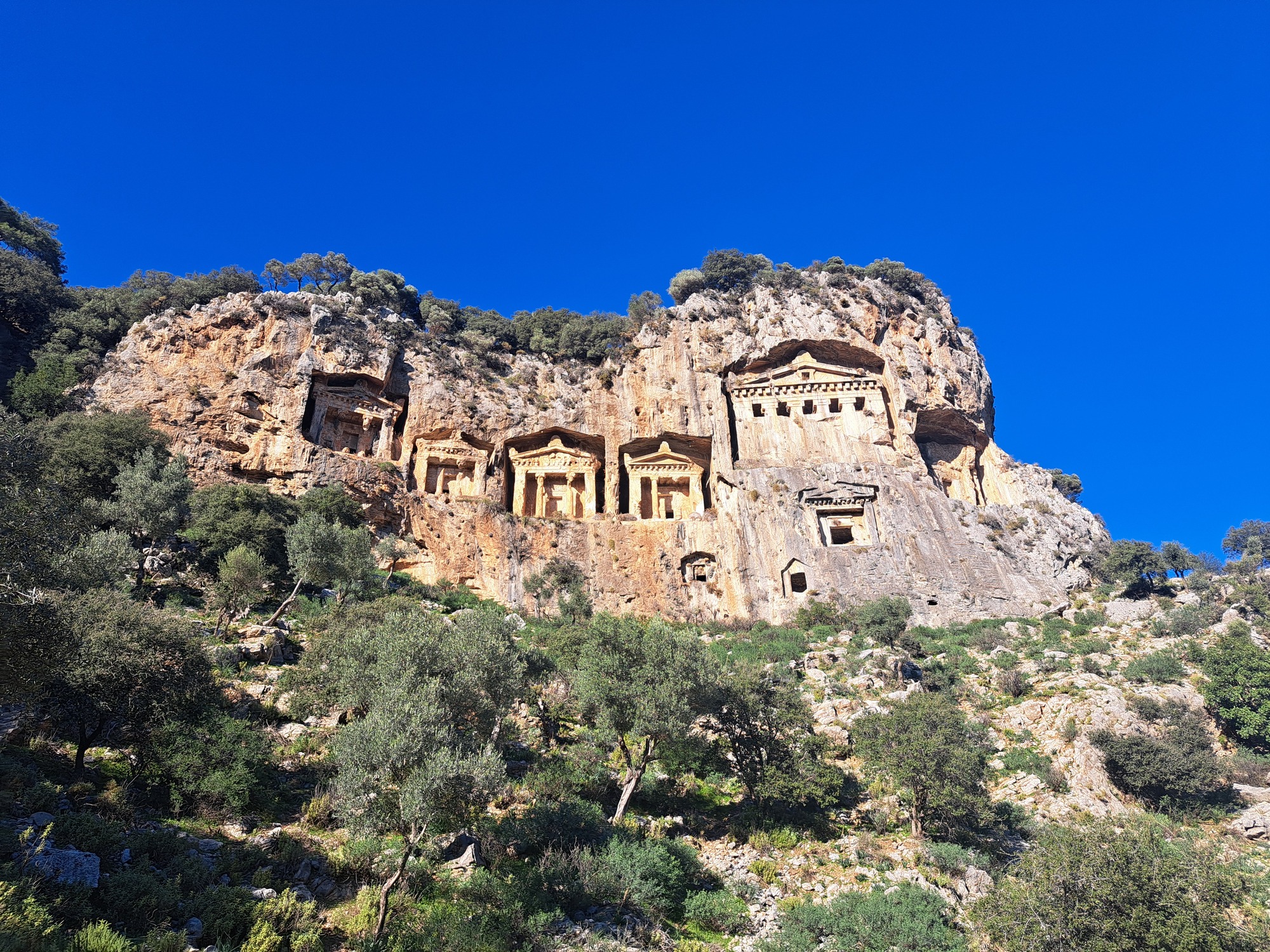
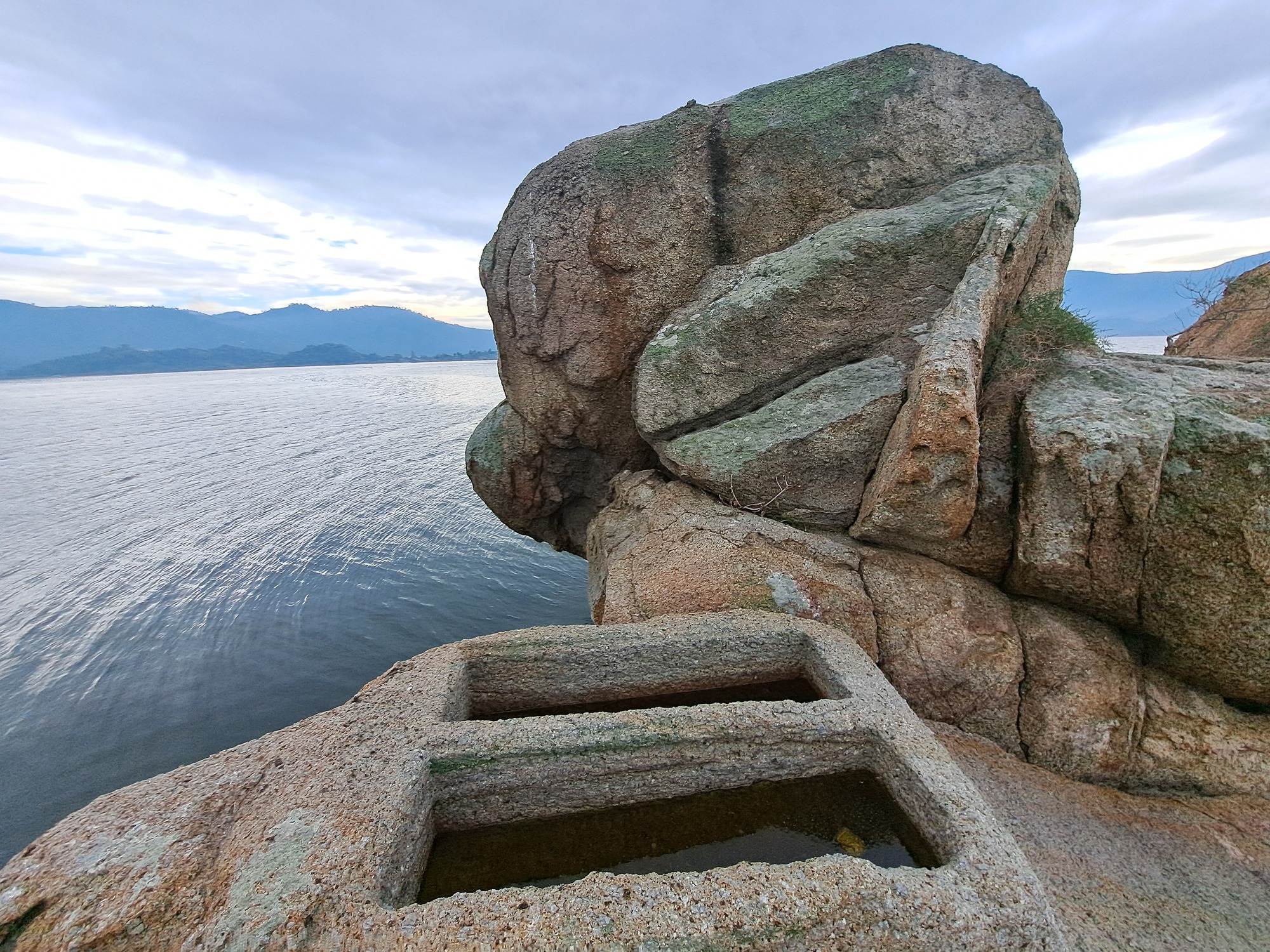
There's also the mystery of how the ancients managed to cut and shape rock with such extraordinary precision and apparent ease, fitting fridge-size blocks together gaplessly, carving detailed figures into temple friezes, and raising self-supporting arches. Take, for example, the Kings' Tombs at Dalyan. How on earth did the Carian civilization burrow into verticle rockface a hundred feet above the ground? And they didn't just dig holes. The tombs they made resemble indented houses with Ionic columns at the front and timpana bearing carvings of animals. At Kapikiri, the Herakleians sliced hundreds of rectangles out of the gneiss to inter their dead, each with its own stone lid weighing tons.
I am reminded that civilizations long gone had engineering skills and a level of sophistication to rival ours.
Tony
| Rate this entry's writing | Heart | 5 |
| Comment on this entry | Comment | 0 |