Lamberts Bay - The eighteenth step ... Heading home from the Kalahari - CycleBlaze

October 28, 2025 to November 2, 2025

Lamberts Bay

Tuesday the 28th of October 2025

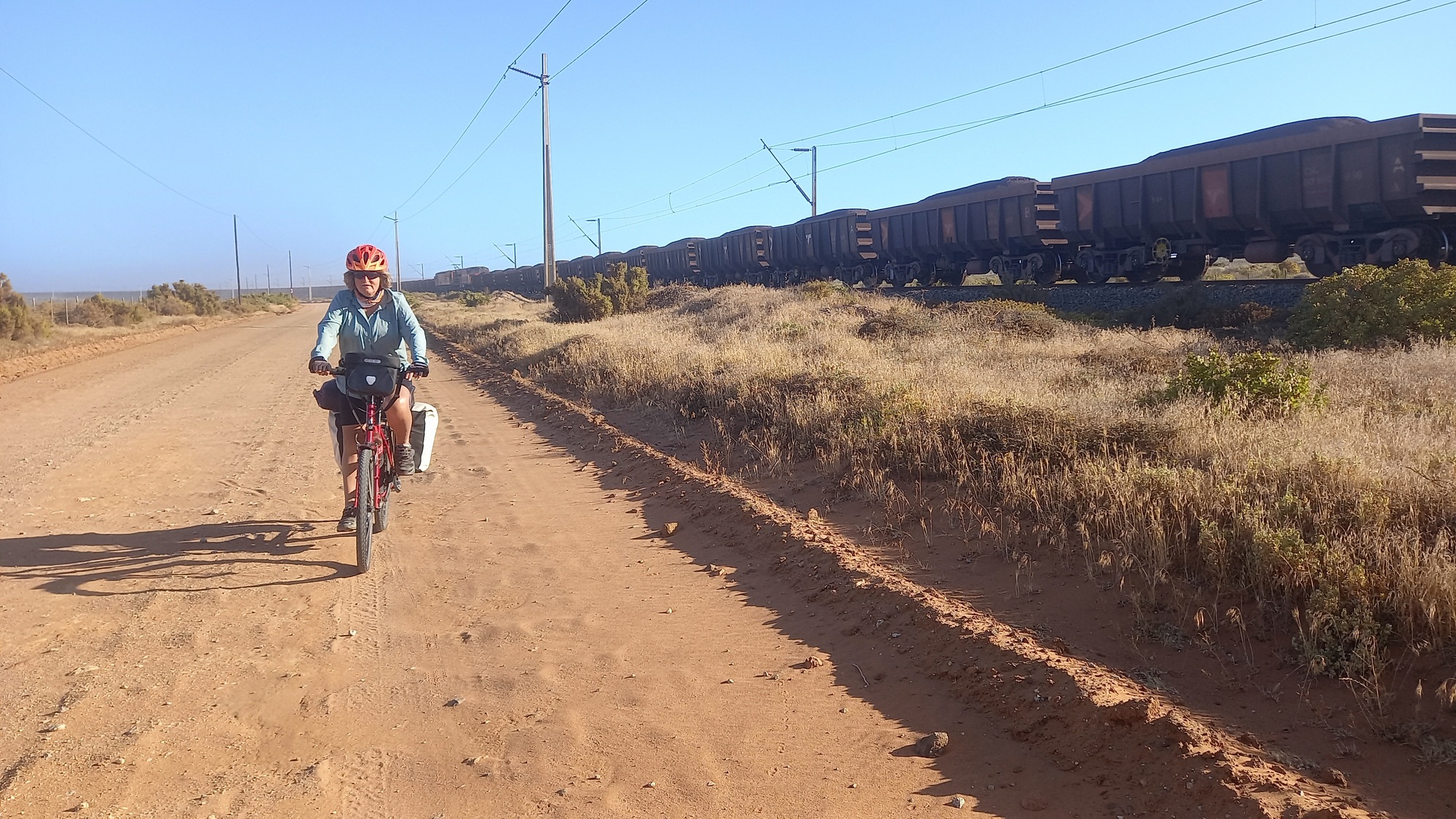
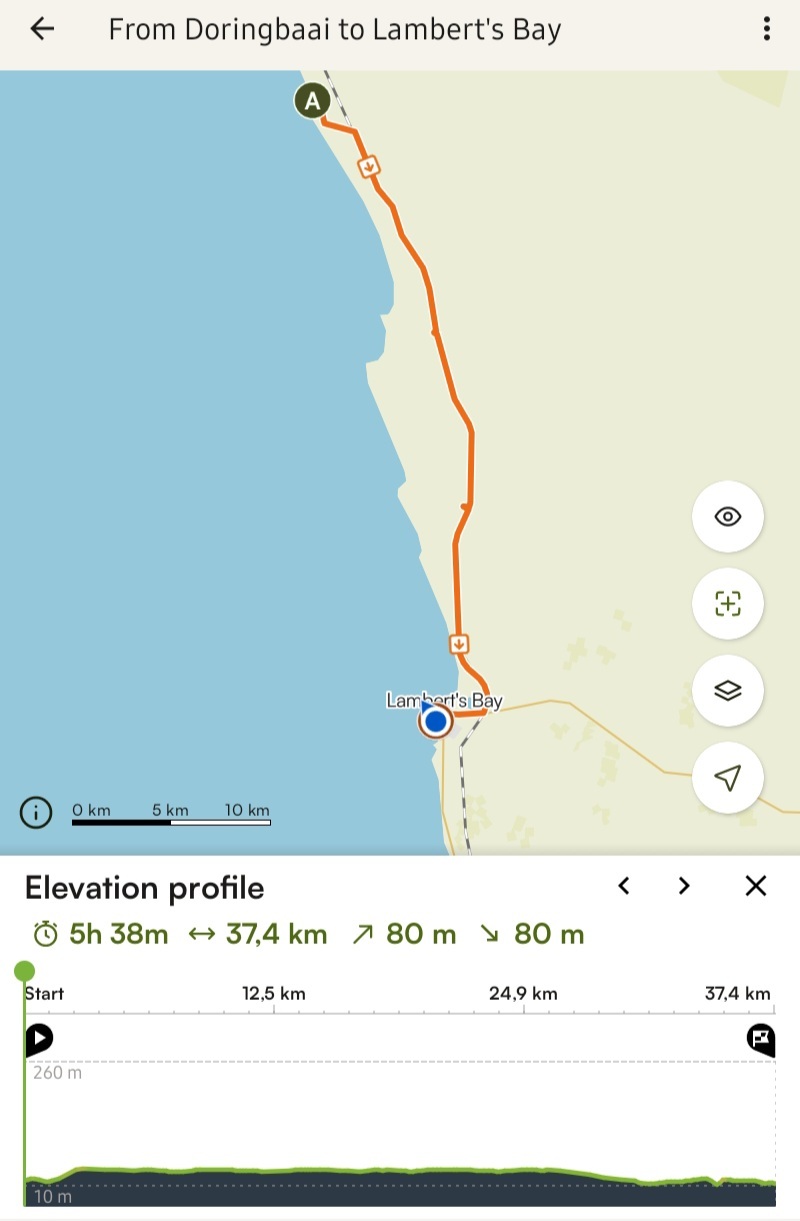
We managed to get going before seven o'clock this morning thus missing the worst of the predicted wind.  The road, however, was how we remembered the railway road south of Lamberts Bay when we  cycled this way five years ago.
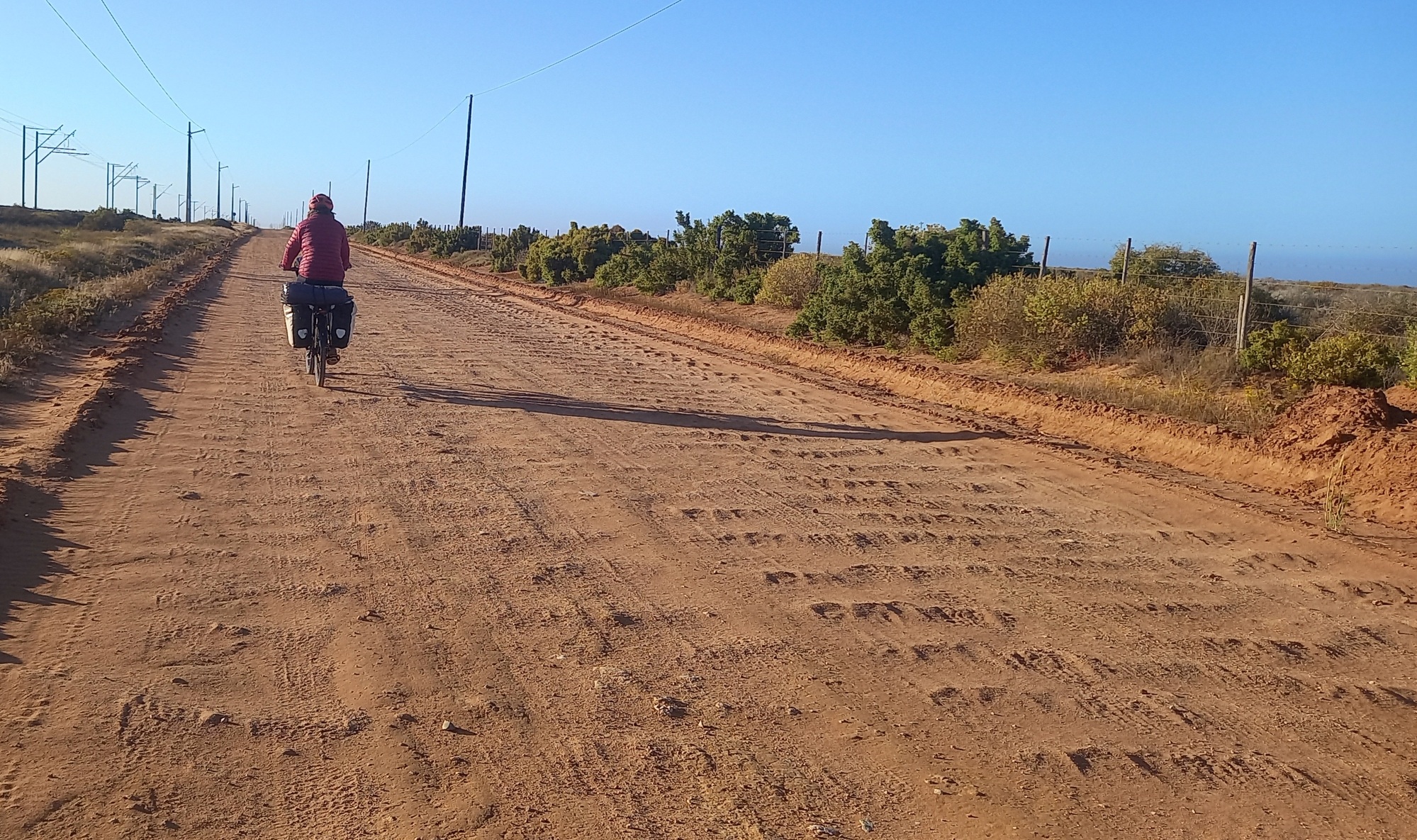
The Sishen-Saldanha line to the left, the Atlantic Ocean to the right but sand and corrugations dead ahead.
Heart 0 Comment 2
Mike AylingThat is uncomfortable.
Reply to this comment
2 months ago
Jean-Marc StrydomTo Mike AylingMore frustrating than uncomfortable - it is impossible to ride at a steady pace.
Reply to this comment
2 months ago
We had three ore trains pass us today. On the last one I tried to count the number of wagons but gave up after three hundred.
Heart 1 Comment 0
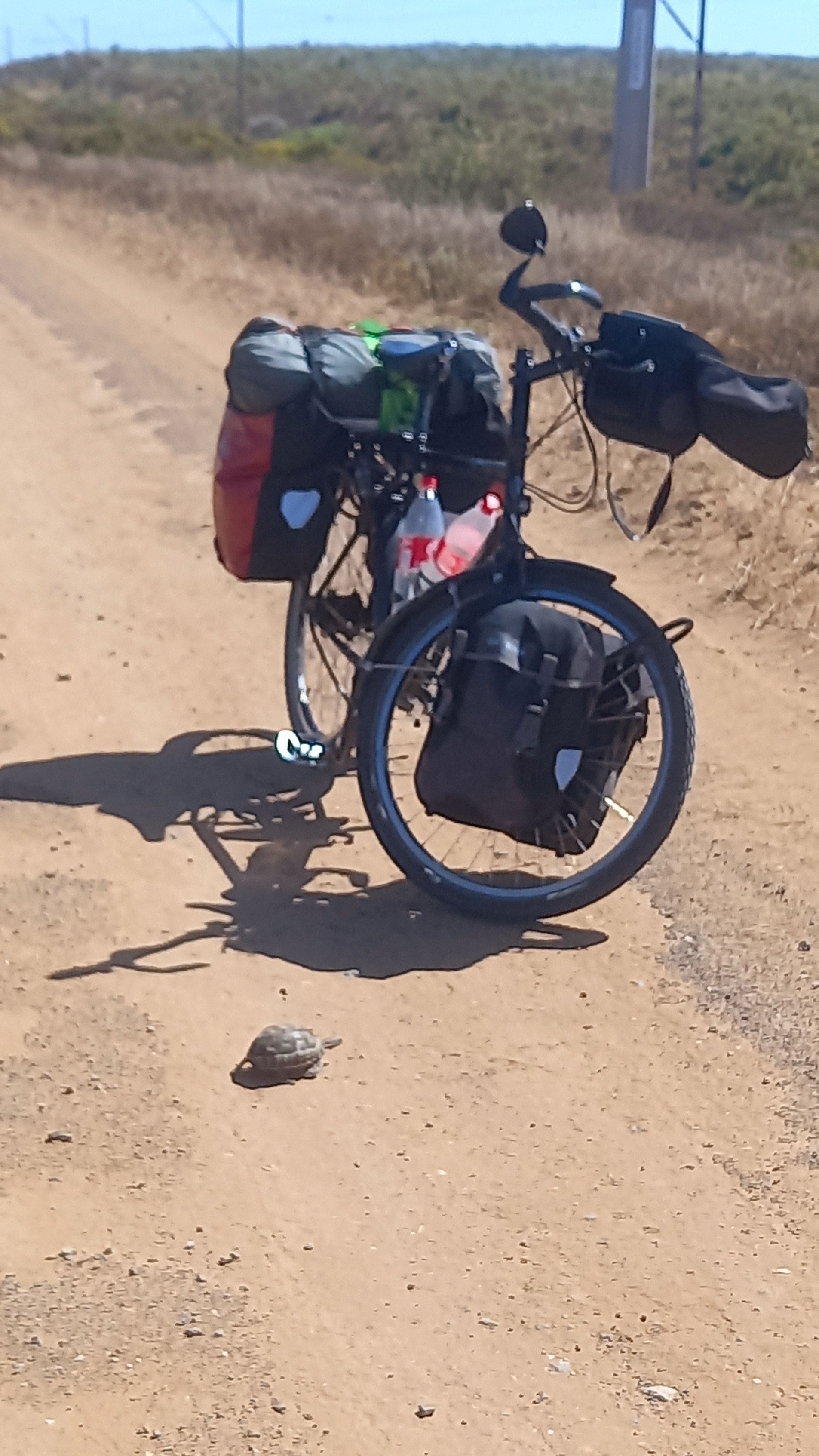
Quite a few tortoises on the road today. This one is an Angulate Tortoise (Chersina angulata).
Heart 3 Comment 0

Four more days in Lamberts Bay 

Leigh has been feeling out of sorts over the past two days so it was off to the local doctor in Lamberts Bay this morning.   To cut a long story short, she is now on a course of antibiotics and we will only get back on the road on Sunday.

Lamberts Bay is the biggest town we have stayed in since leaving Springbok.  It's a working fishing town of about six thousand people but is also a popular local tourist destination being only about three hours drive north of Cape Town.  

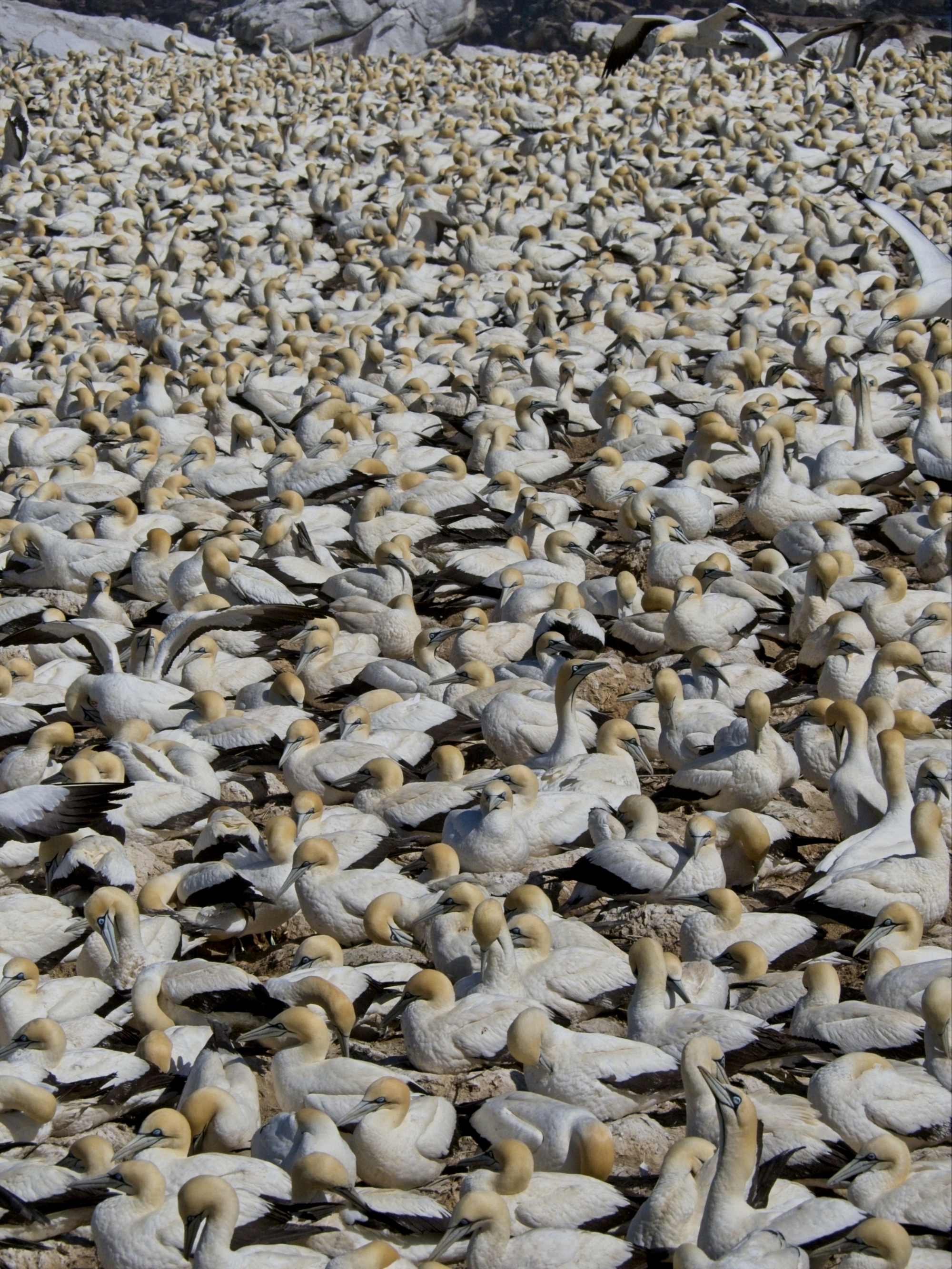
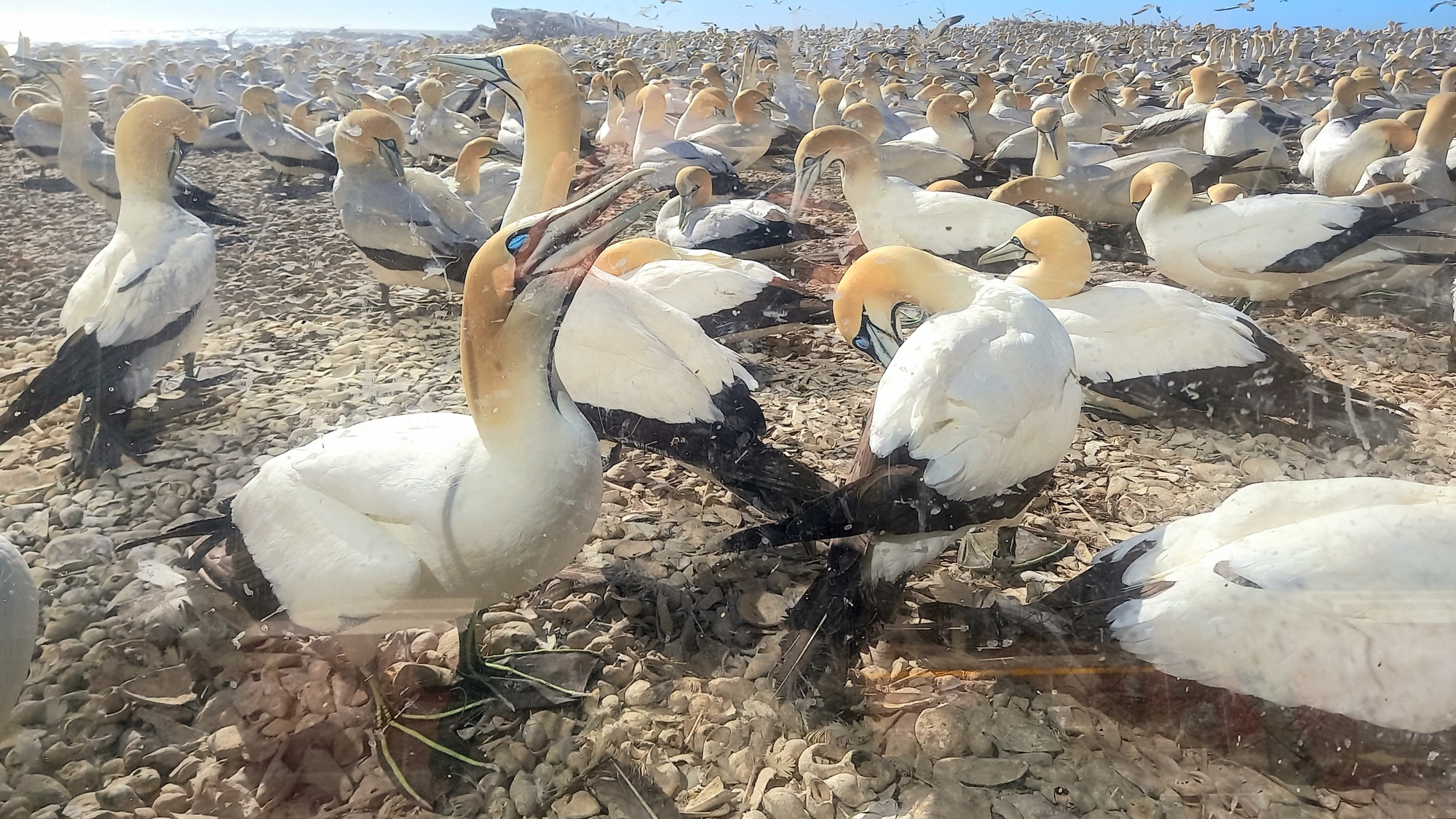
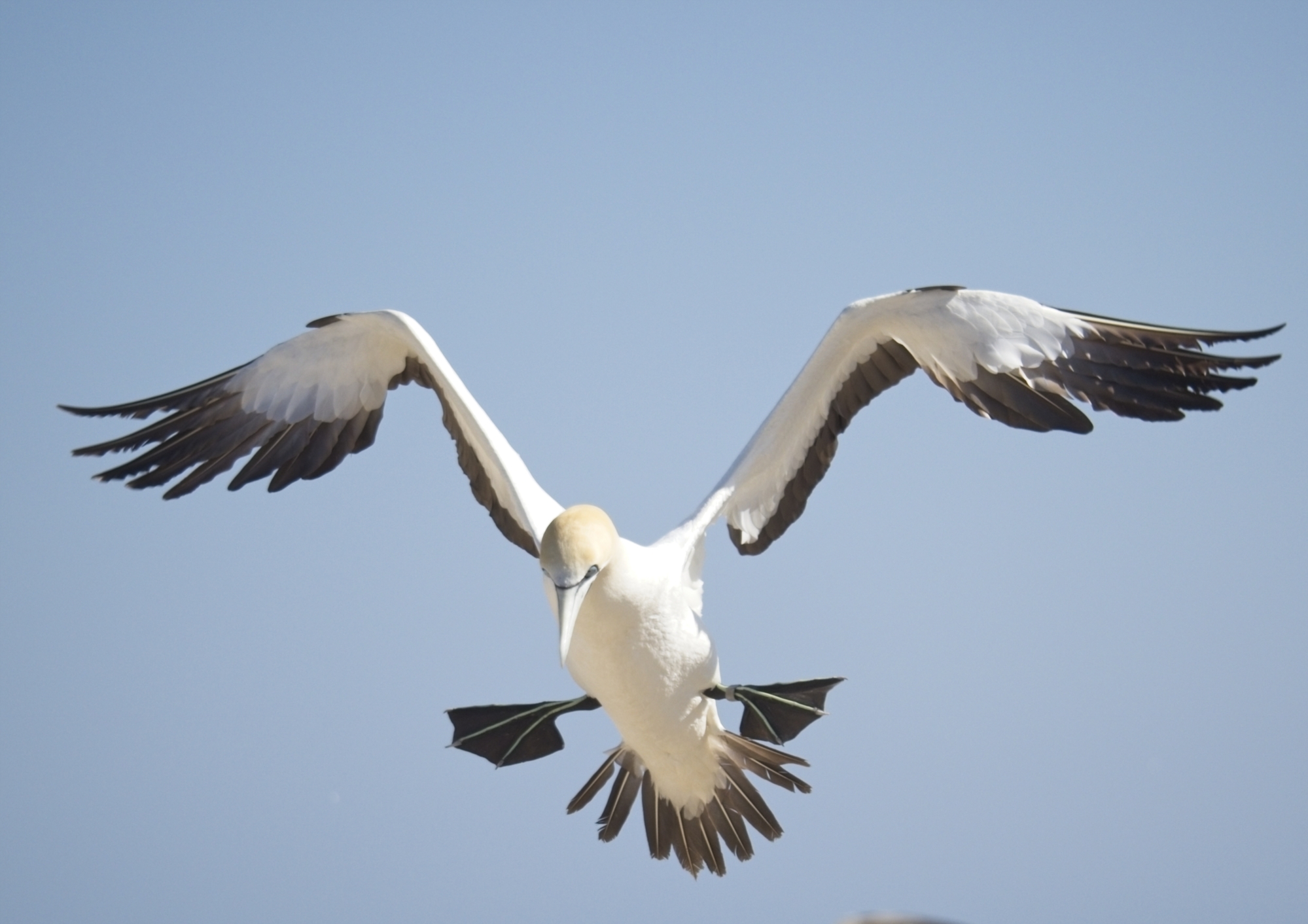
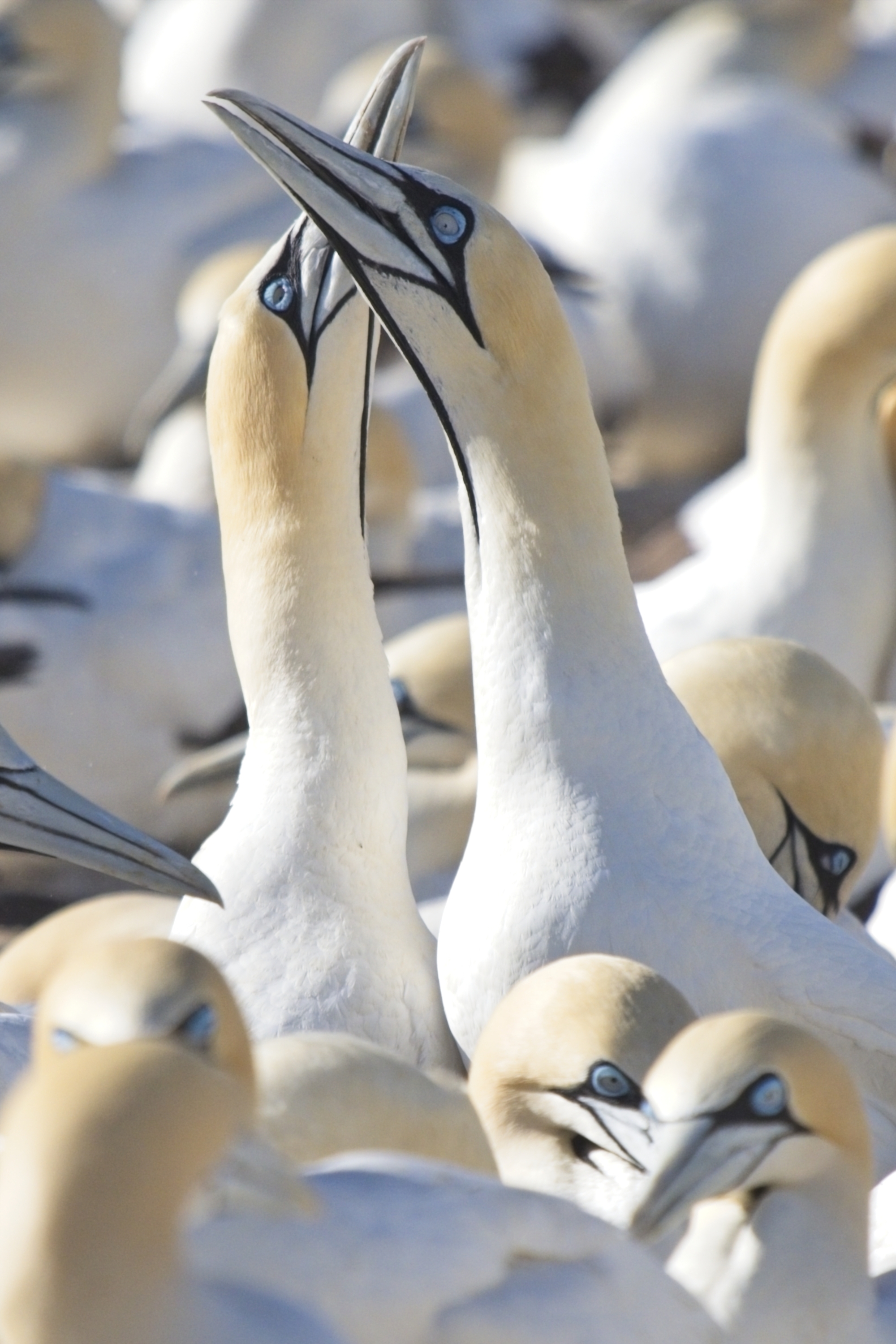
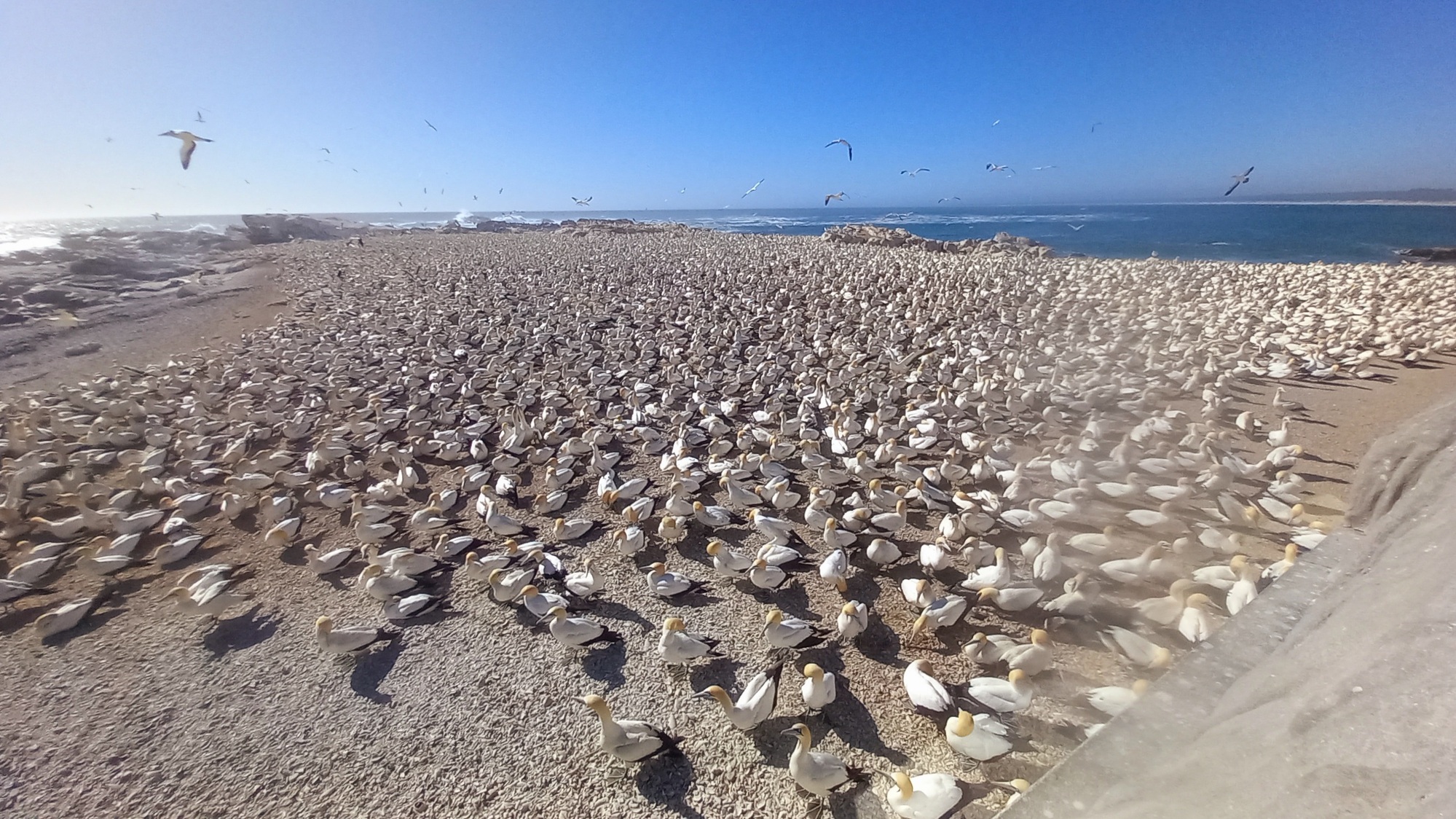
One of its big attractions is Bird Island, which isn't a real island but rather a point jutting out over the bay.  It is home to one of the four Cape Gannet (Morus capensis) breeding grounds in the world, the largest breeding ground of that species being another Bird Island (a real island this time) in Algoa Bay where our home city of Gqeberha is situated. 

We have been here twice before to observe and photograph the gannets and other birds.  It's an awesome experience and I'm sure we'll do it again in the future. 
Heart 2 Comment 3
Scott AndersonAstonishing. And educational, for me. I assumed they were the same gannets we've seen in the summer in England, migrated south; but after looking at range maps I see that there are three different gannet species.
Reply to this comment
2 months ago
Jean-Marc StrydomTo Scott AndersonWe have confirmed reports of Australian Gannets occurring in the Cape Gannet populations a number each year. I spent a bit of time trying to find one at Lamberts Bay. Separation is based on eye colour and the length of the gular stripe (the black line runnig down the chin).
Reply to this comment
2 months ago
Scott AndersonTo Jean-Marc StrydomThat's the third population. Up north we have the northern gannets, which have a slightly different look again. We don't have them in America normally, but Kathleen Jones reported a single guy making it down to Half Moon Bay on the coast of Northern California for several years running.
Reply to this comment
2 months ago
Heart 4 Comment 0
Heart 3 Comment 0
Heart 4 Comment 1
Scott AndersonFantastic shot. Casting a hex on the world.
Reply to this comment
2 months ago
Heart 3 Comment 0

It's not all about the Gannets though.  Enormous numbers of other birds also breed here and there is a large Cape Fur Seal (Arctocephalus pusillus) population as well.  The seals can be problematic  -during December 2005 seal predation of the Gannets resulted in the entire colony abandoning the island.  While nothing can be done about seals catching Gannets while out at sea, on-land predation is kept to a minimum by wardens actively restricting seal access to the breeding area.  This year Gannet numbers on the island reached their highest level since it was wiped out with over forty five thousand birds counted during January.
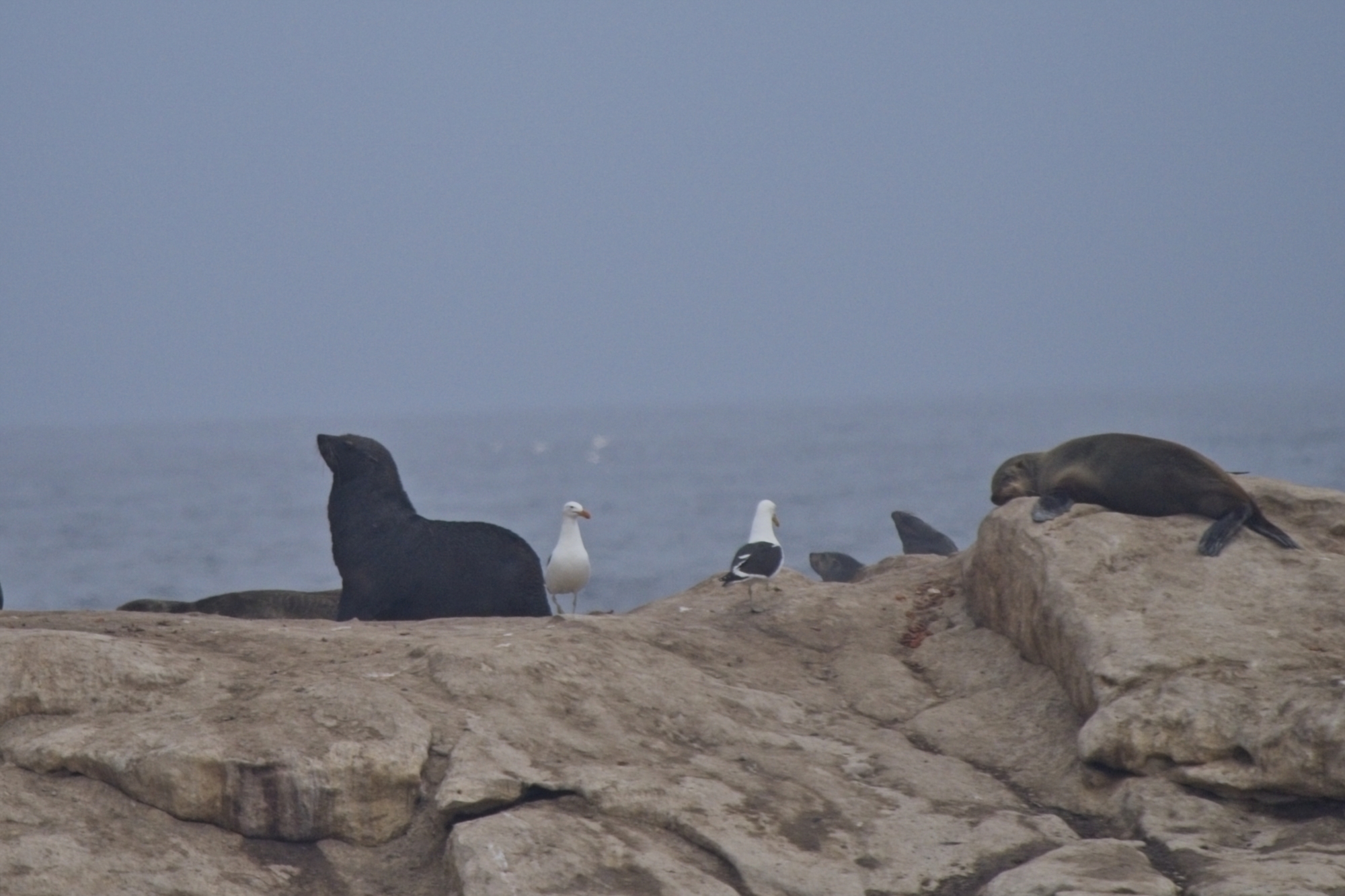
Some of the seals with a few of the thousands of Kelp Gulls (Larus dominicanus) that also breed here. The Kelp Gulls nest all over the place and defend their nests aggressively, the main method being to defecate on anyone venturing too close although they can also physically attack you. They're a real PITA.
Heart 0 Comment 0
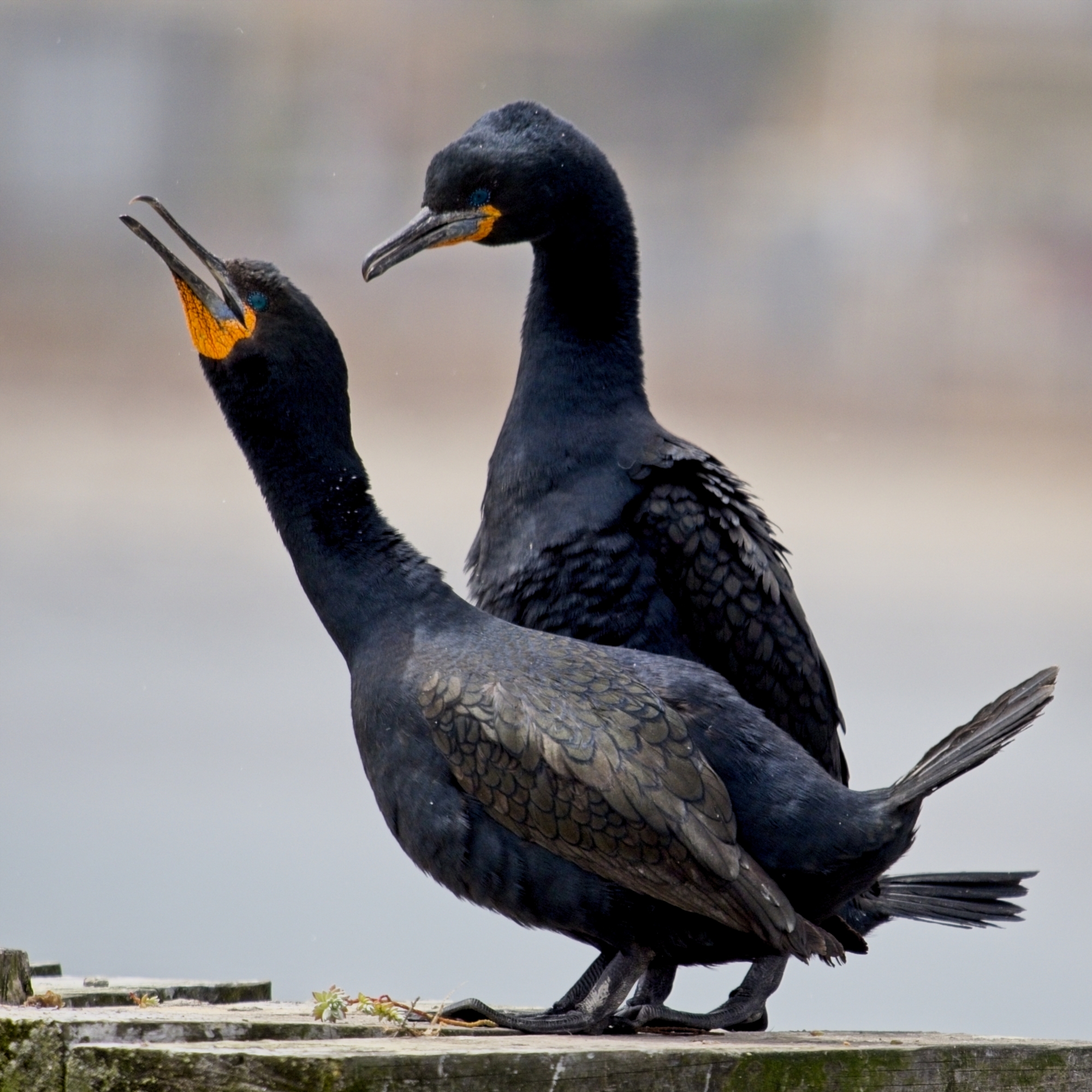
Cape Cormorants (Phalacrocorax capensis) is listed as endangered in the Red Book. Numbers at Lamberts Bay have declined significantly from over thirty thousand that used to breed here but the authorities have attracted some back by building breeding platforms for them.
Heart 3 Comment 0
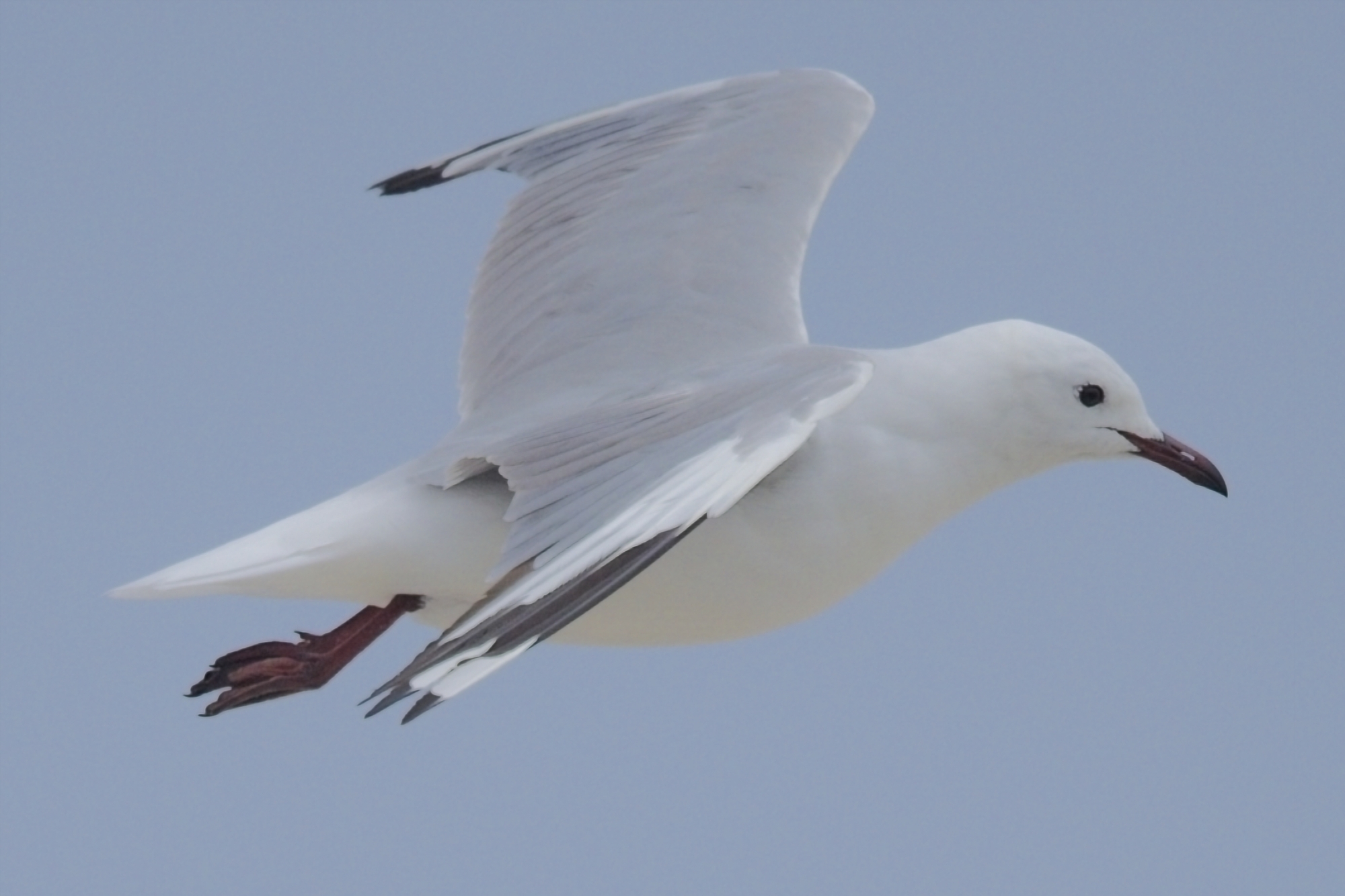
Far easier to like than the Kelp Gulls are the delicate Hartlaub's Gulls (Chroicocephalus hartlaubii) which hang out with the various tern species here.
Heart 2 Comment 0

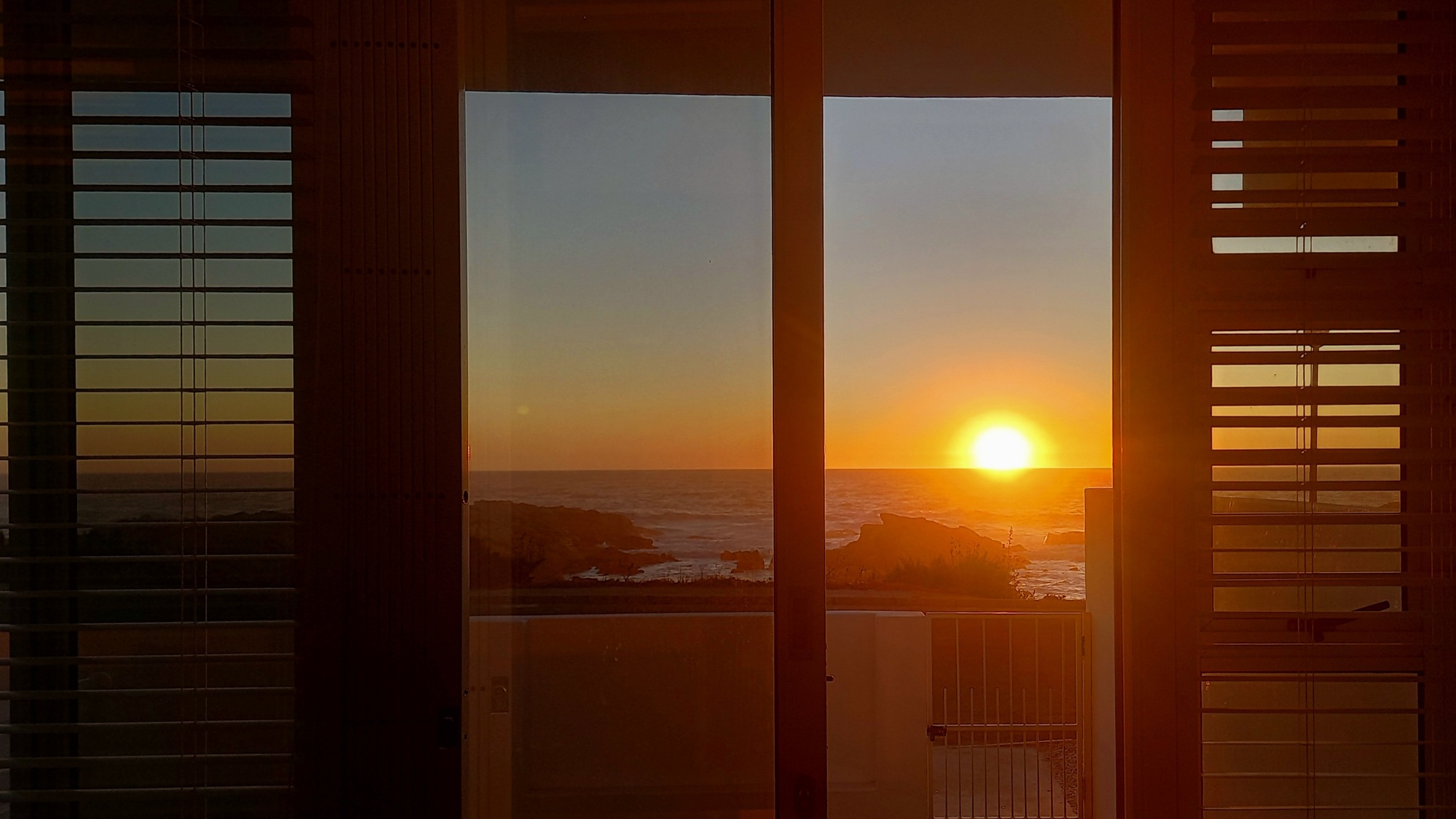
We have great digs here.  Right on the coast with just a quiet road between us and a tiny beach sandwiched between the rocks that get pounded by southern Atlantic Ocean breakers. 
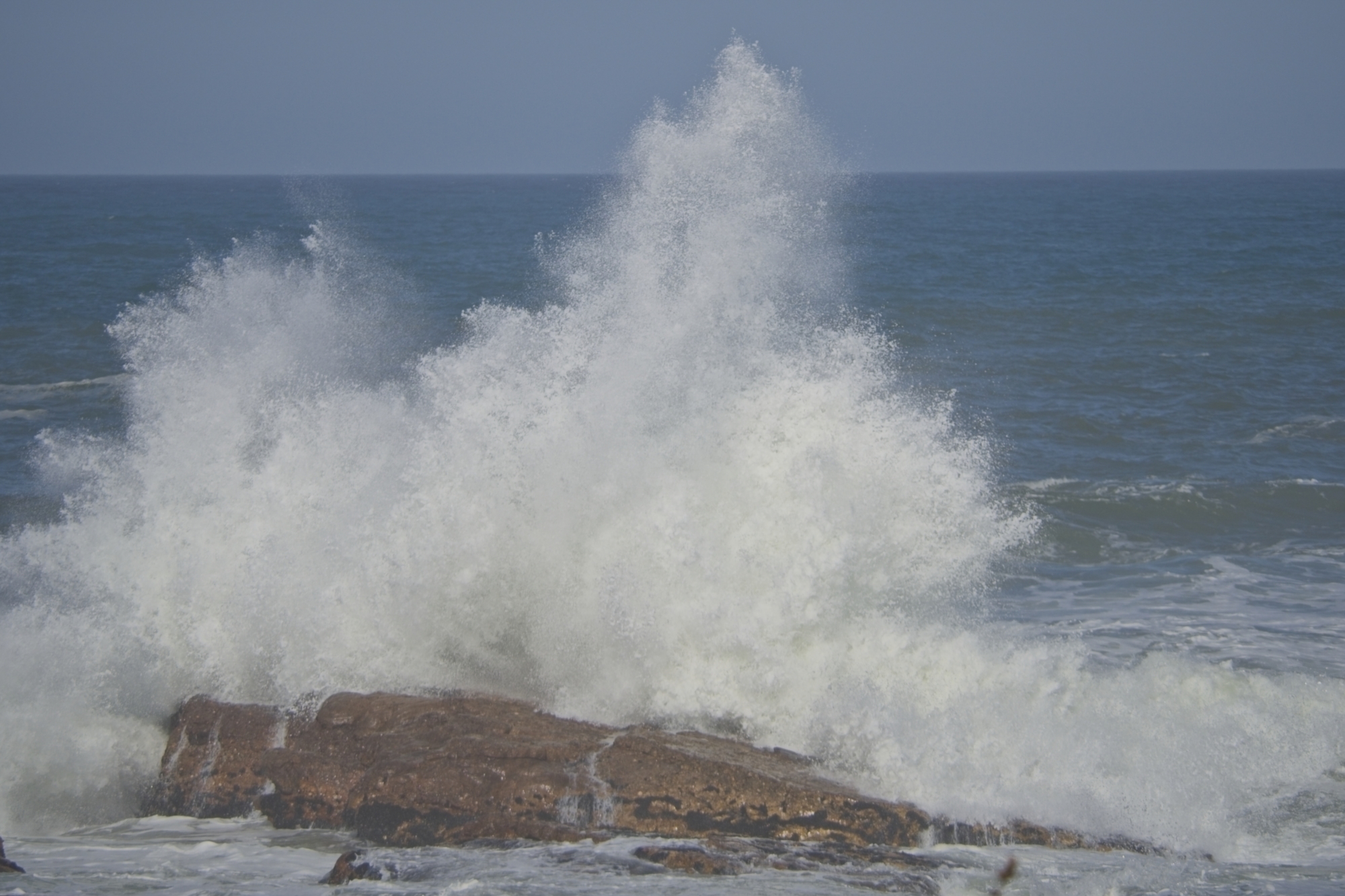
The view from our digs during the day.
Heart 1 Comment 0
And the same at sunset.
Heart 1 Comment 0
Heart 2 Comment 0

This journal entry will be added to over the next few days.
Heart 0 Comment 0

Today's ride: 38 km (24 miles)
Total: 890 km (553 miles)

Rate this entry's writing Heart 5
Comment on this entry Comment 2
Rich FrasierSorry to hear that Leigh is ill. That’s so hard when you’re traveling. Hope she gets better quickly!
Reply to this comment
2 months ago
Jean-Marc StrydomTo Rich FrasierThanks Rich. She is already starting to perk up - seems like she is up for a nice meal at the harbour-side restaurant later this afternoon.
Reply to this comment
2 months ago