October 13, 2025 to October 14, 2025
Augrabies Falls National Park
Monday the 13th of October 2025
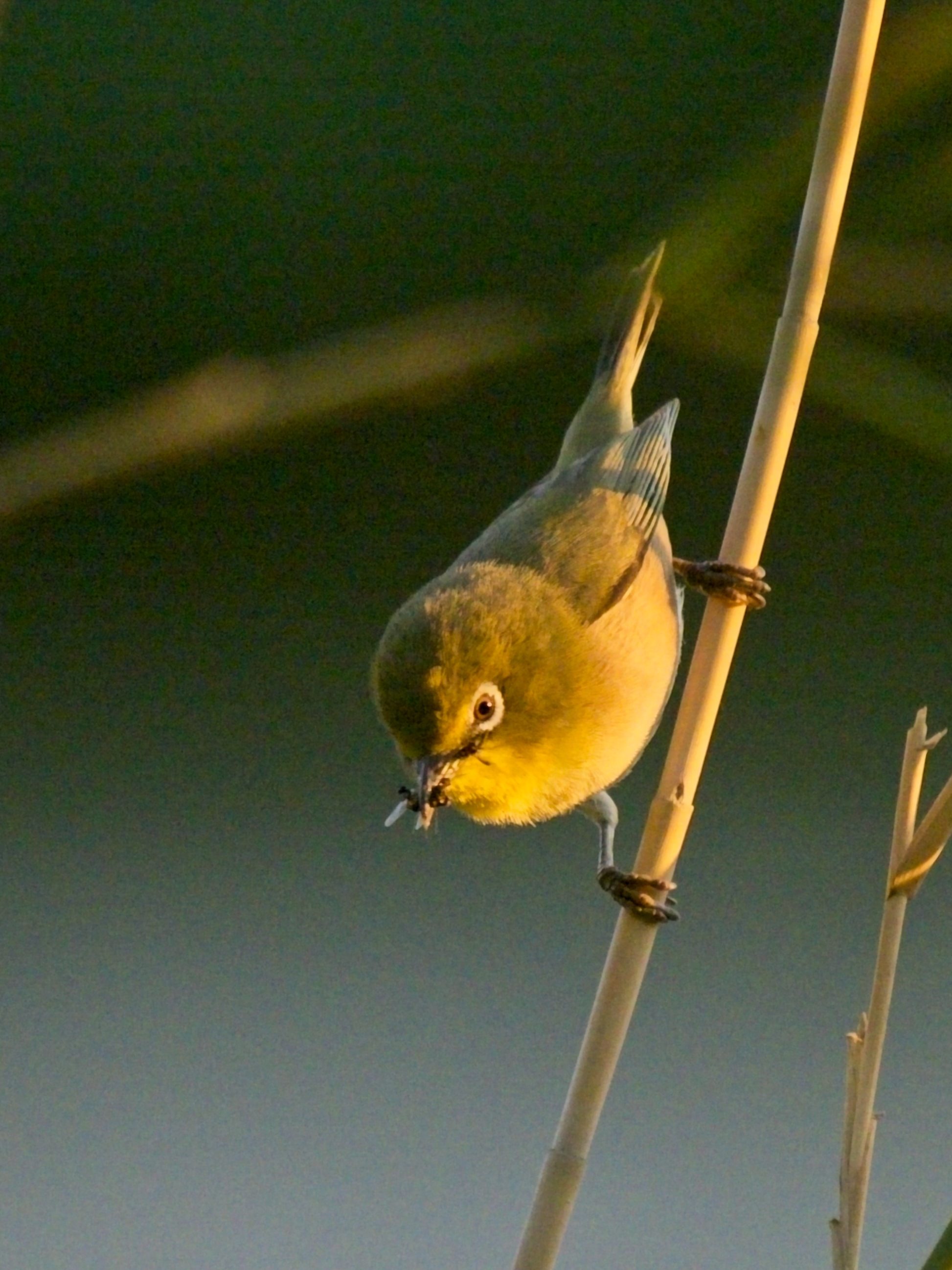
Die Mas proved to be a gem of a campsite, peaceful and quiet with good birdlife. Thanks to iOverlander.com for making us aware of it.
| Heart | 7 | Comment | 0 | Link |
At about eight we cycled back to Kakamas to pick up groceries before continuing westwards on the N14. At Alheit, about ten kays out of Kakamas, we turned northwards to the Augrabies Falls. At first the road was rather busy but the second half of the ride was quiet and pleasant.
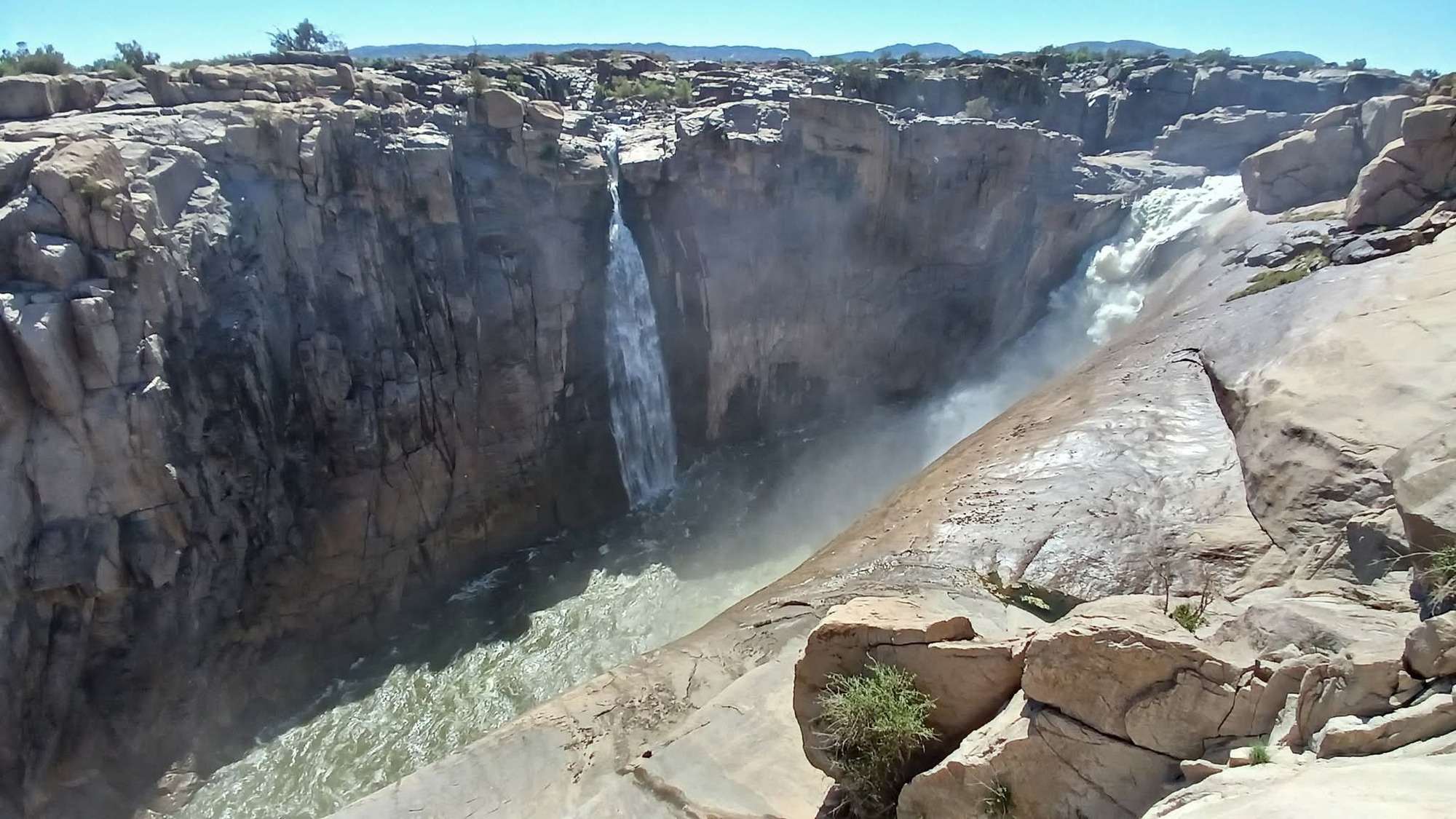
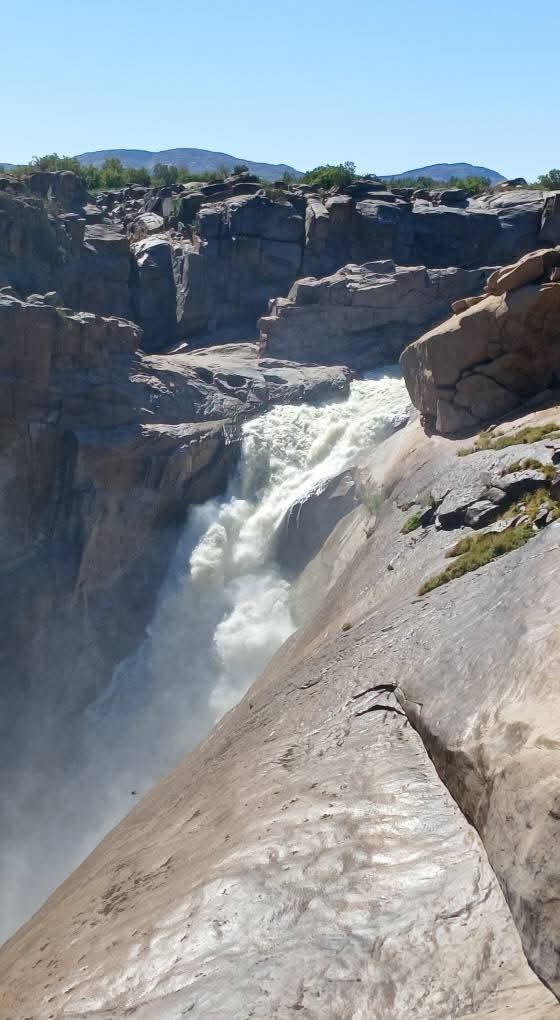
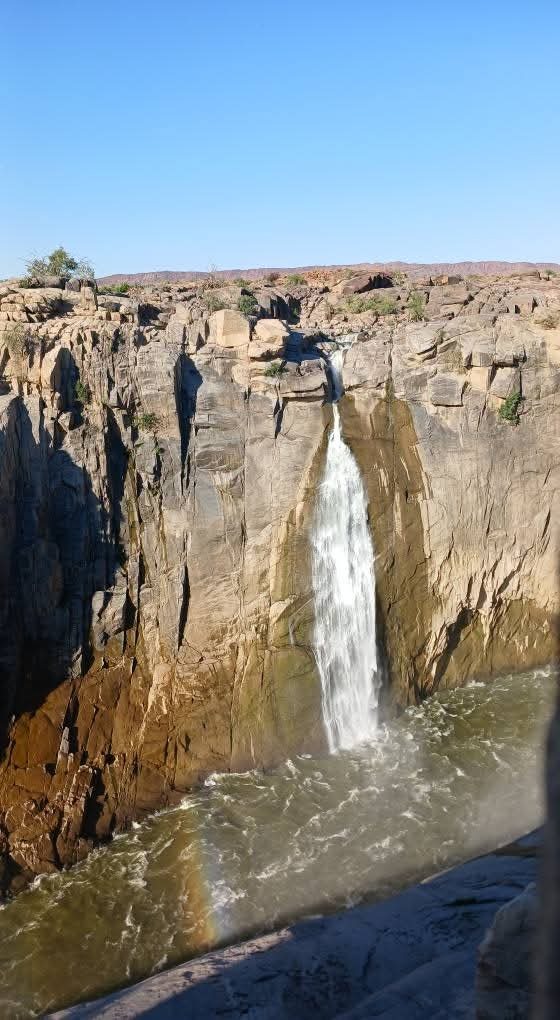
As the name suggests, Augrabies Falls National Park is all about the waterfalls, the main one falling about fifty six meters although the gorge, through which the Garieb pours all its water, is much deeper in parts. At the moment the flow is quite low (71 cubic meters per second vs the record flow of 4779 cums) so it isn't as impressive as we have seen it before. Augrabies is the Afrikaans corruption of Ankoerebis meaning the "place of great noise" which was the Khoeikhoei name for the waterfalls.
| Heart | 7 | Comment | 0 | Link |
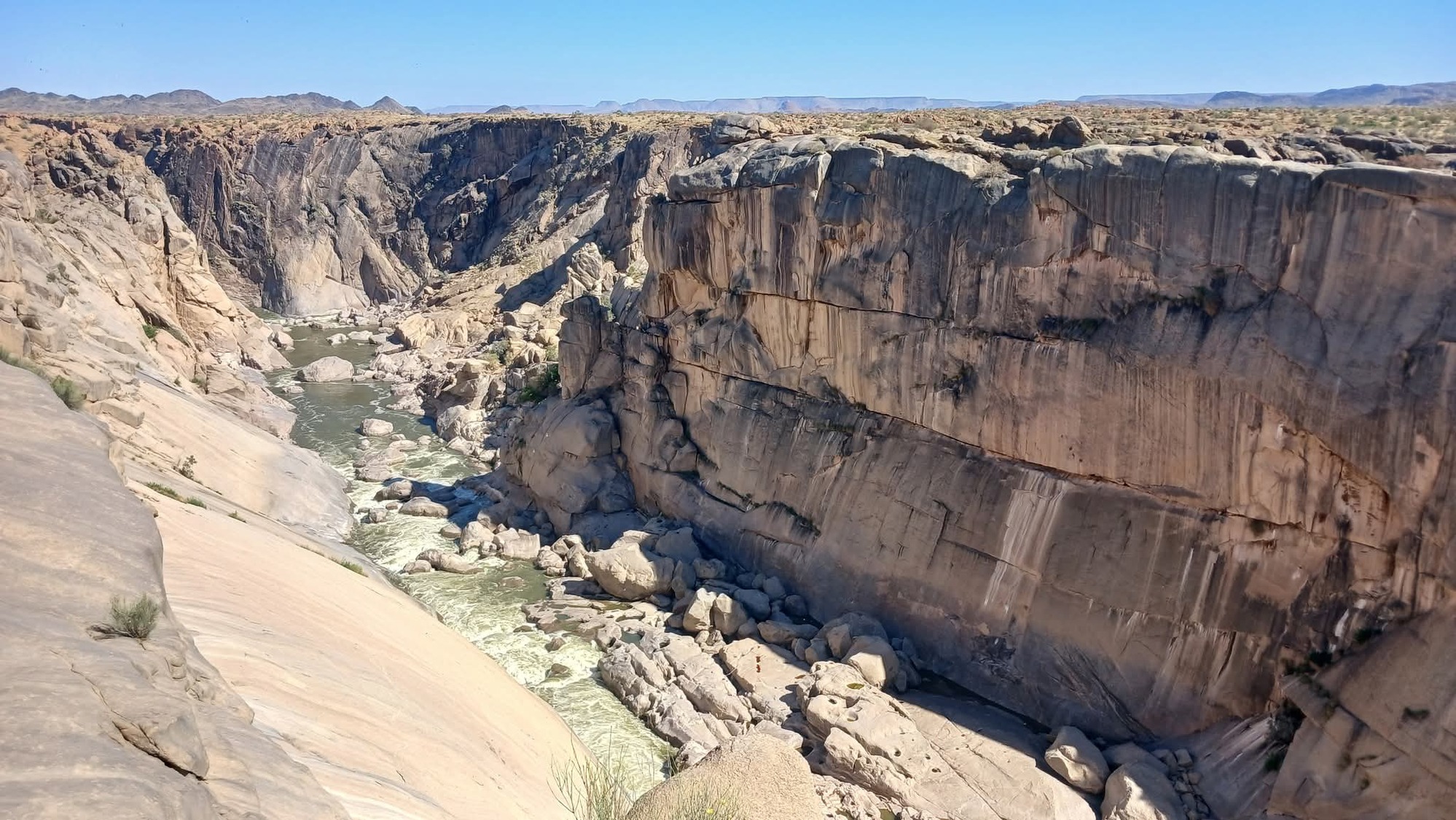
We're spending two nights here girding our loins for the ride to Pofadder on Thursday.
Tuesday the 14th of October 2025
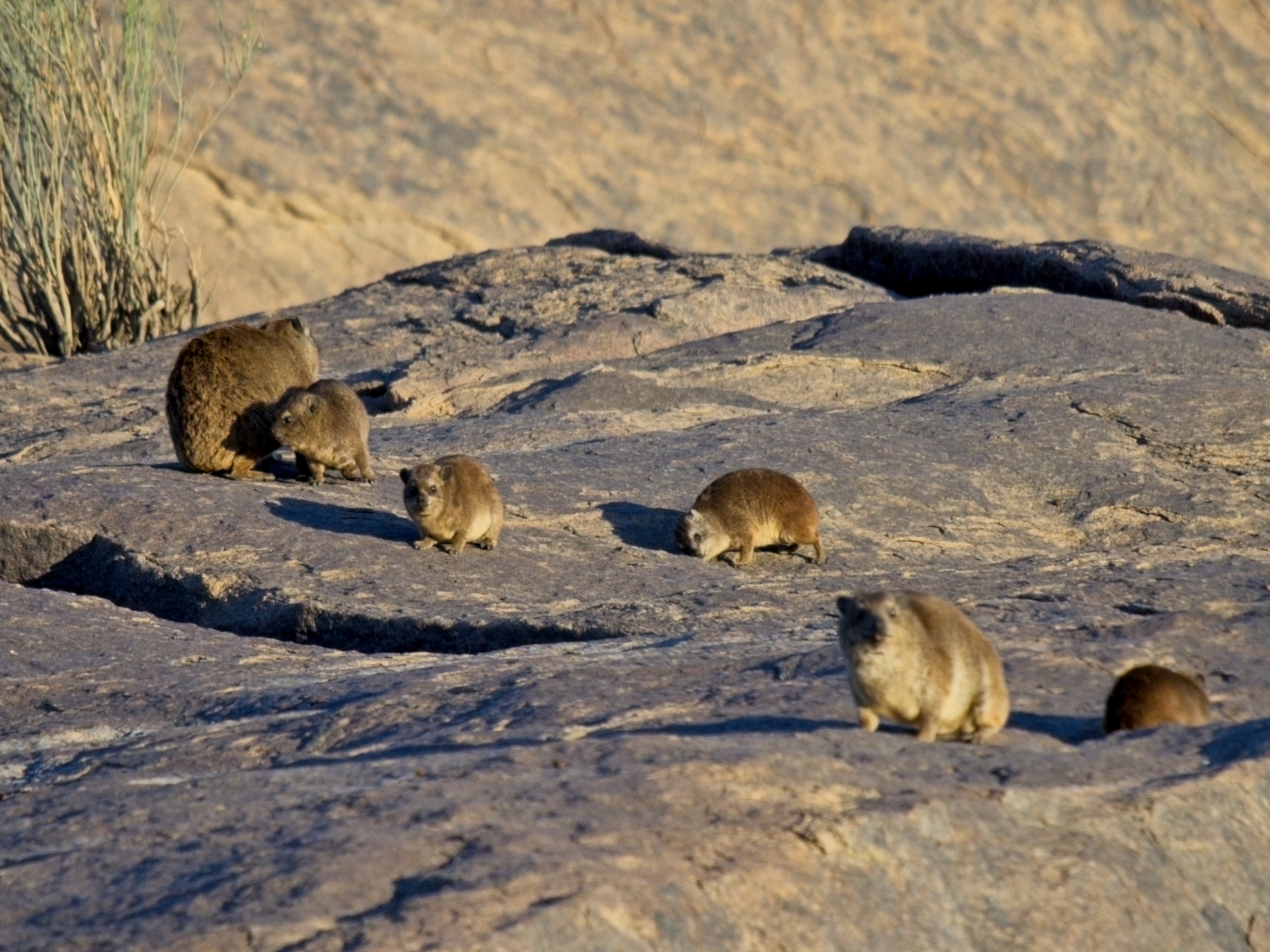
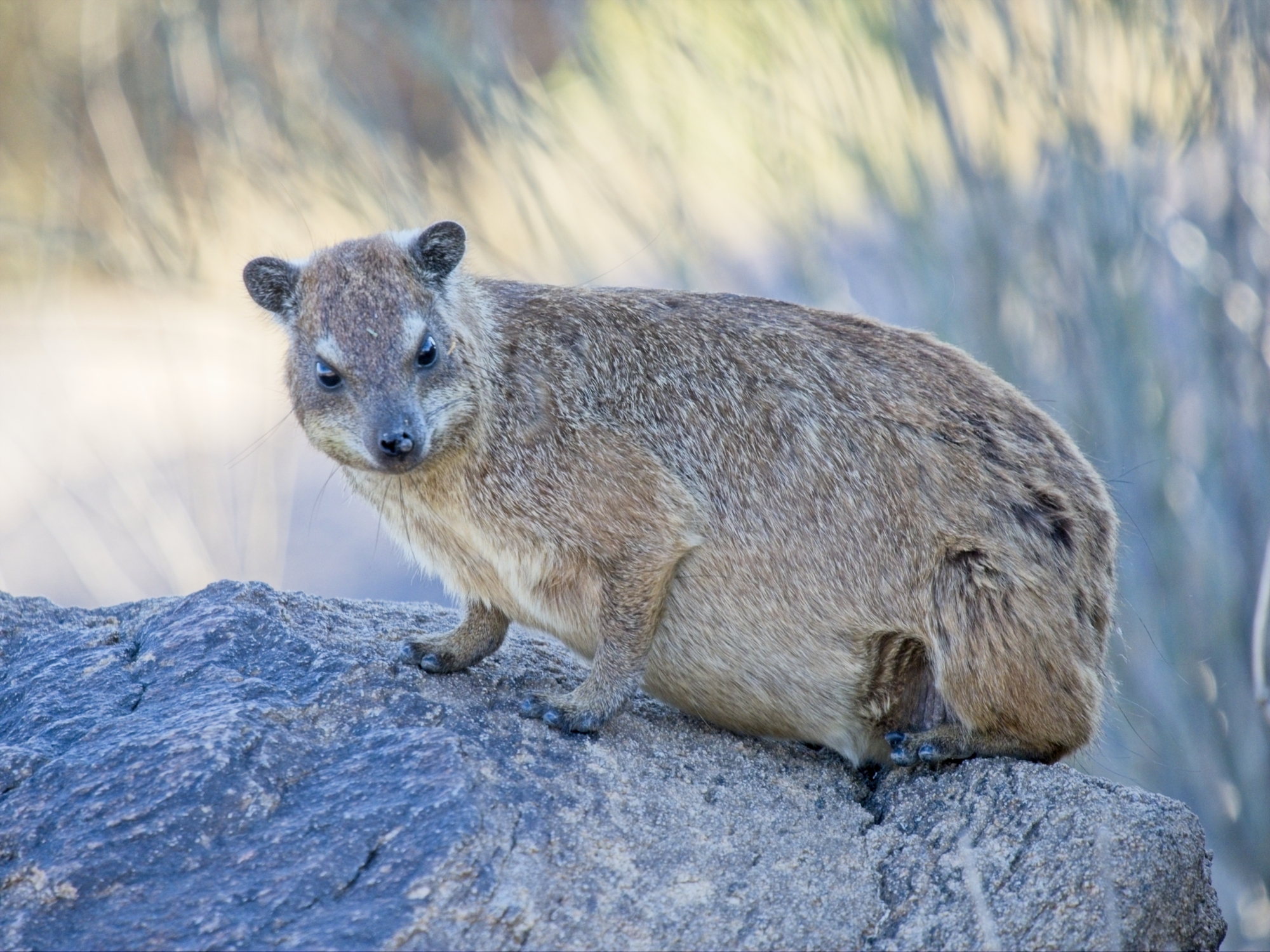
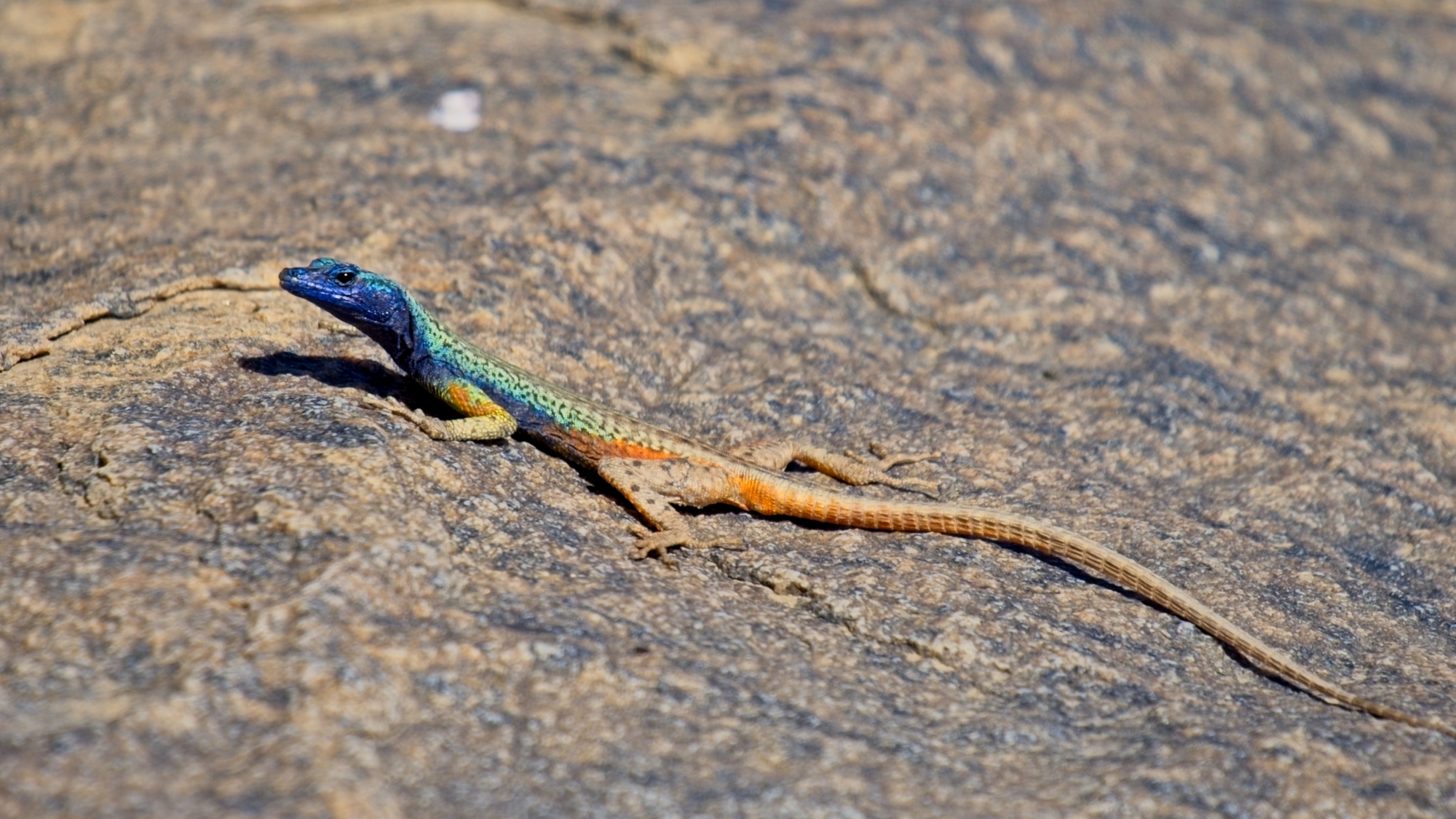
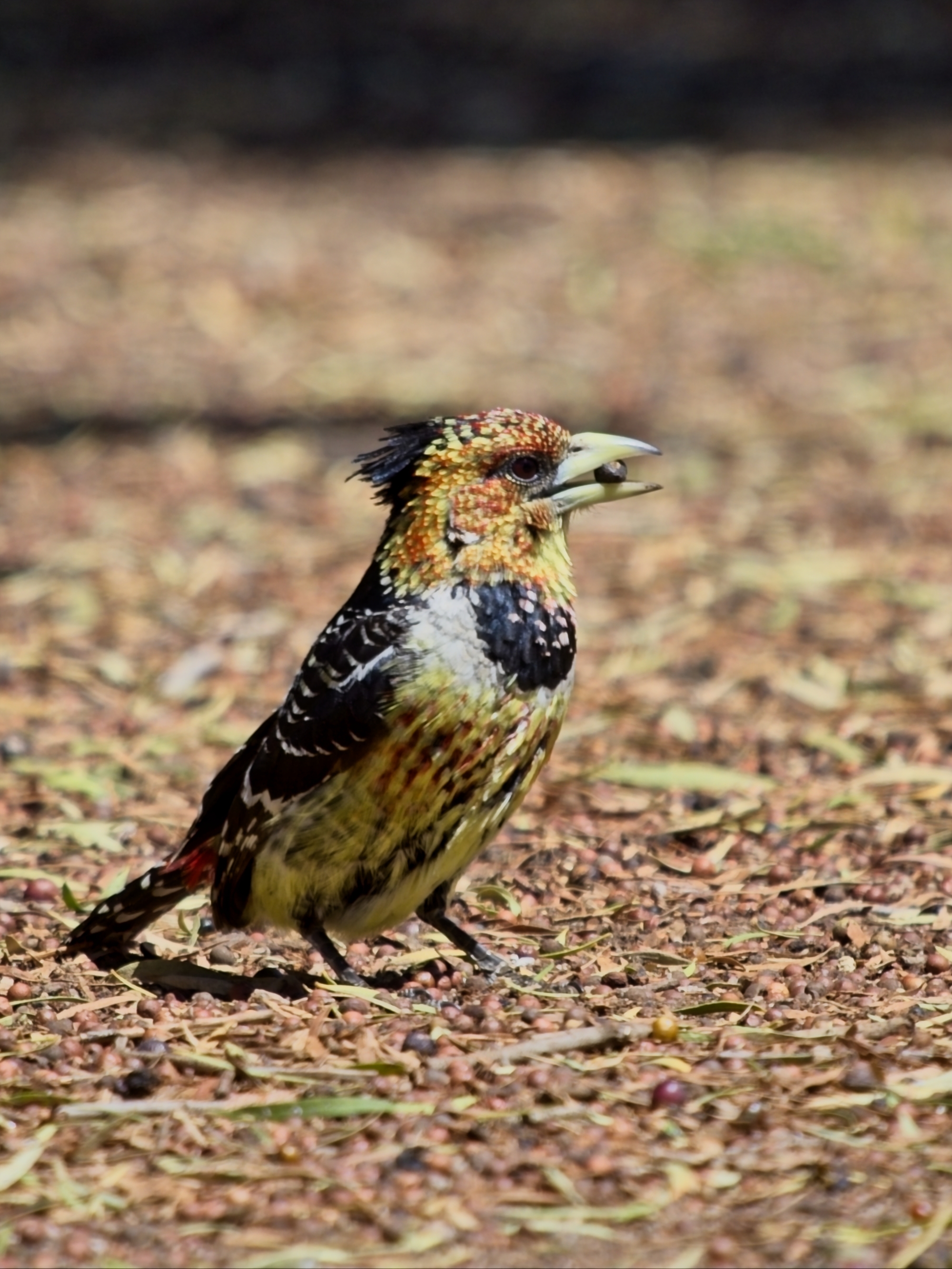
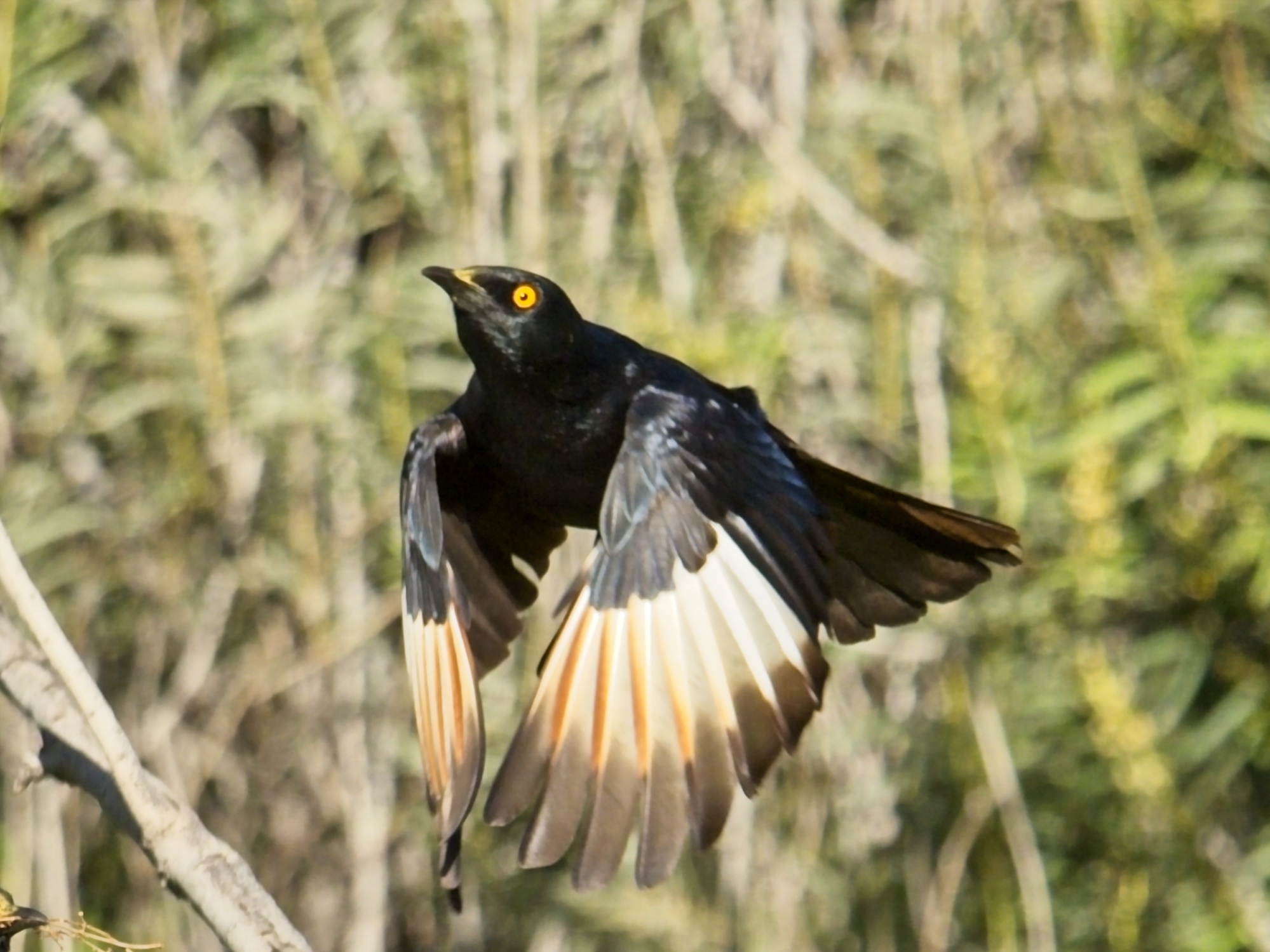
We've rested well here. We have wandered around looking at the birds and other wildlife but mostly we have just relaxed at our campsite.
Leigh had demanded non-avian photos for her FB page so I have included them here as well.
| Heart | 6 | Comment | 0 | Link |
| Heart | 8 | Comment | 0 | Link |
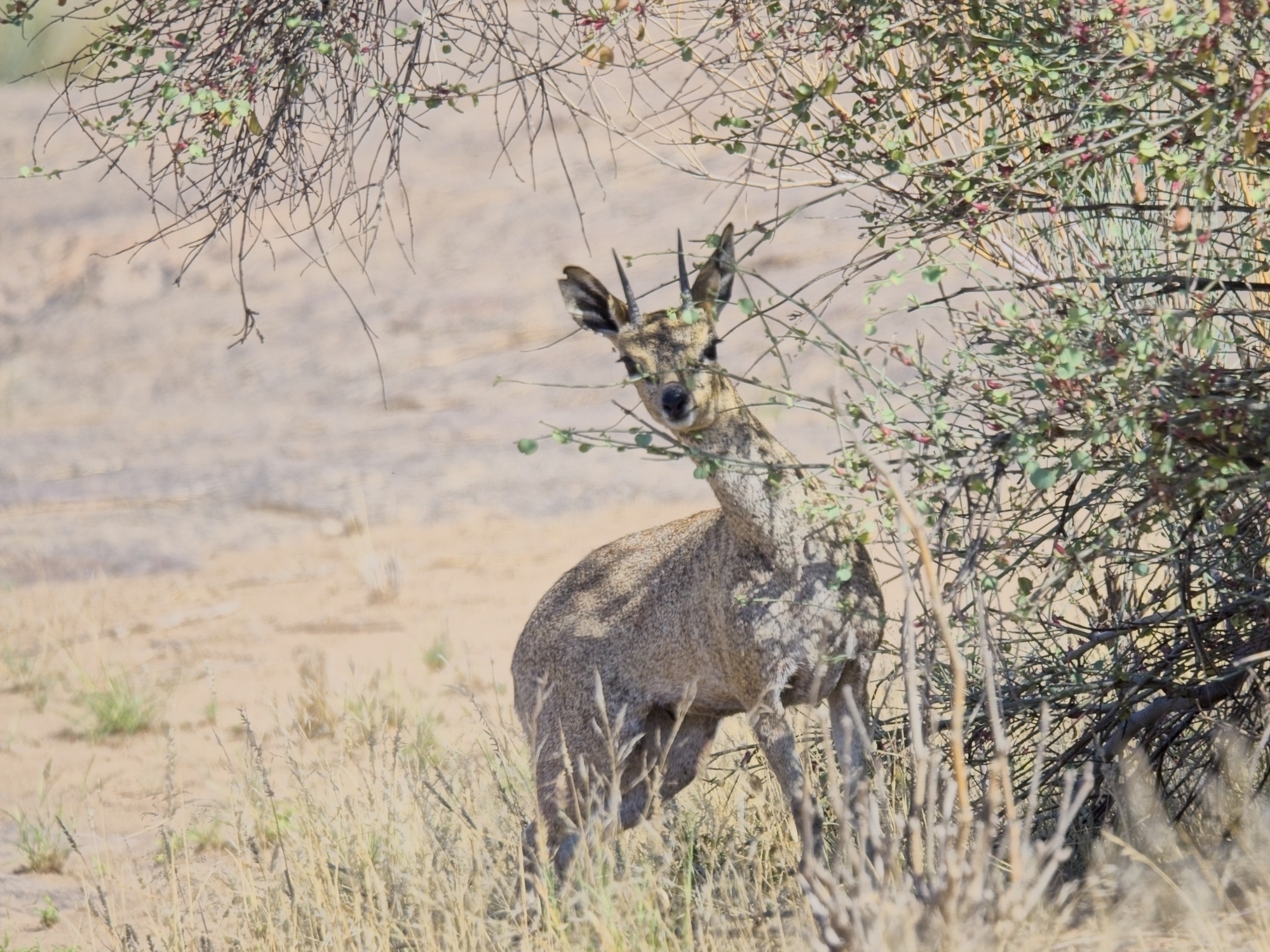
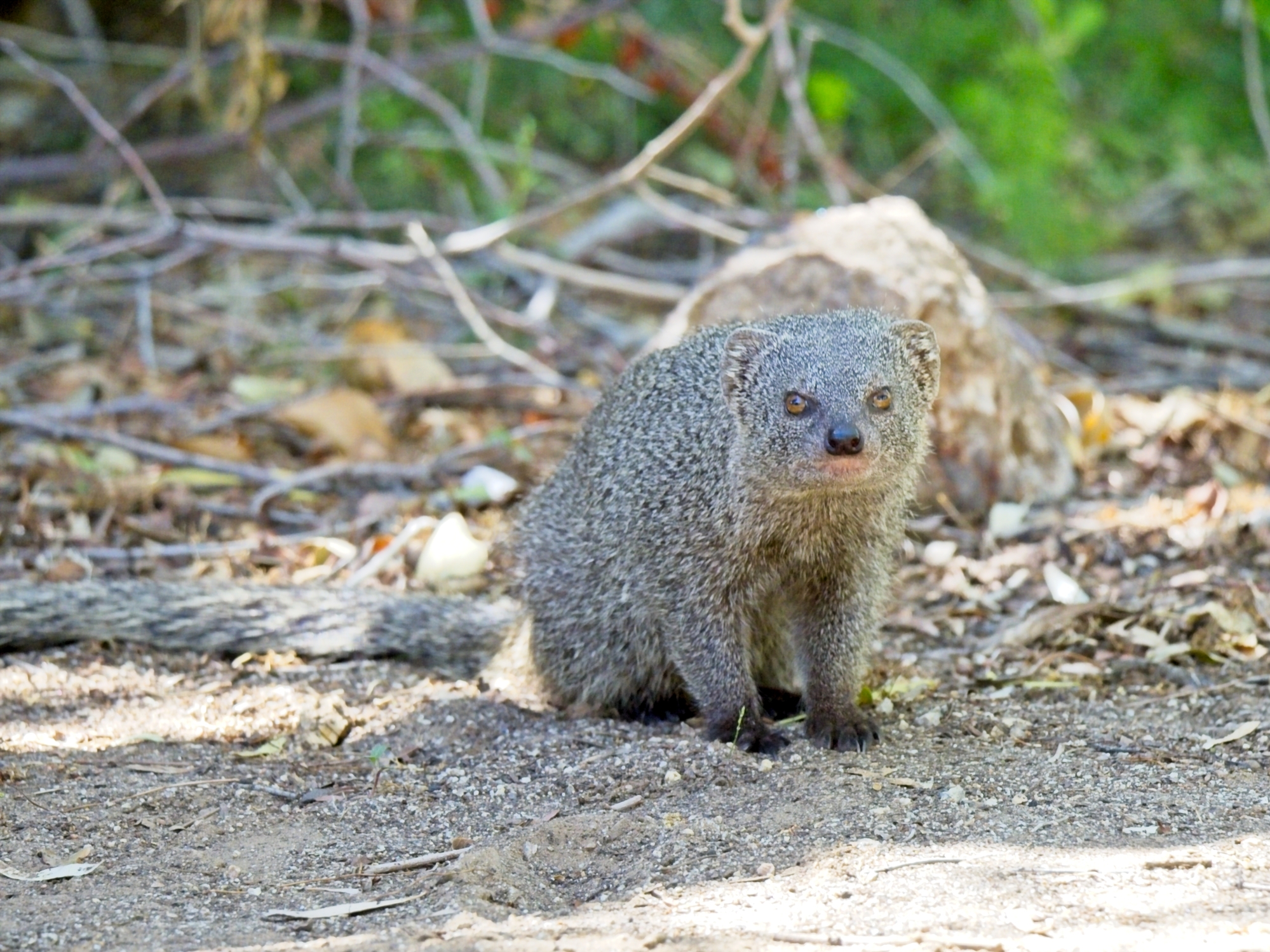
| Heart | 6 | Comment | 0 | Link |
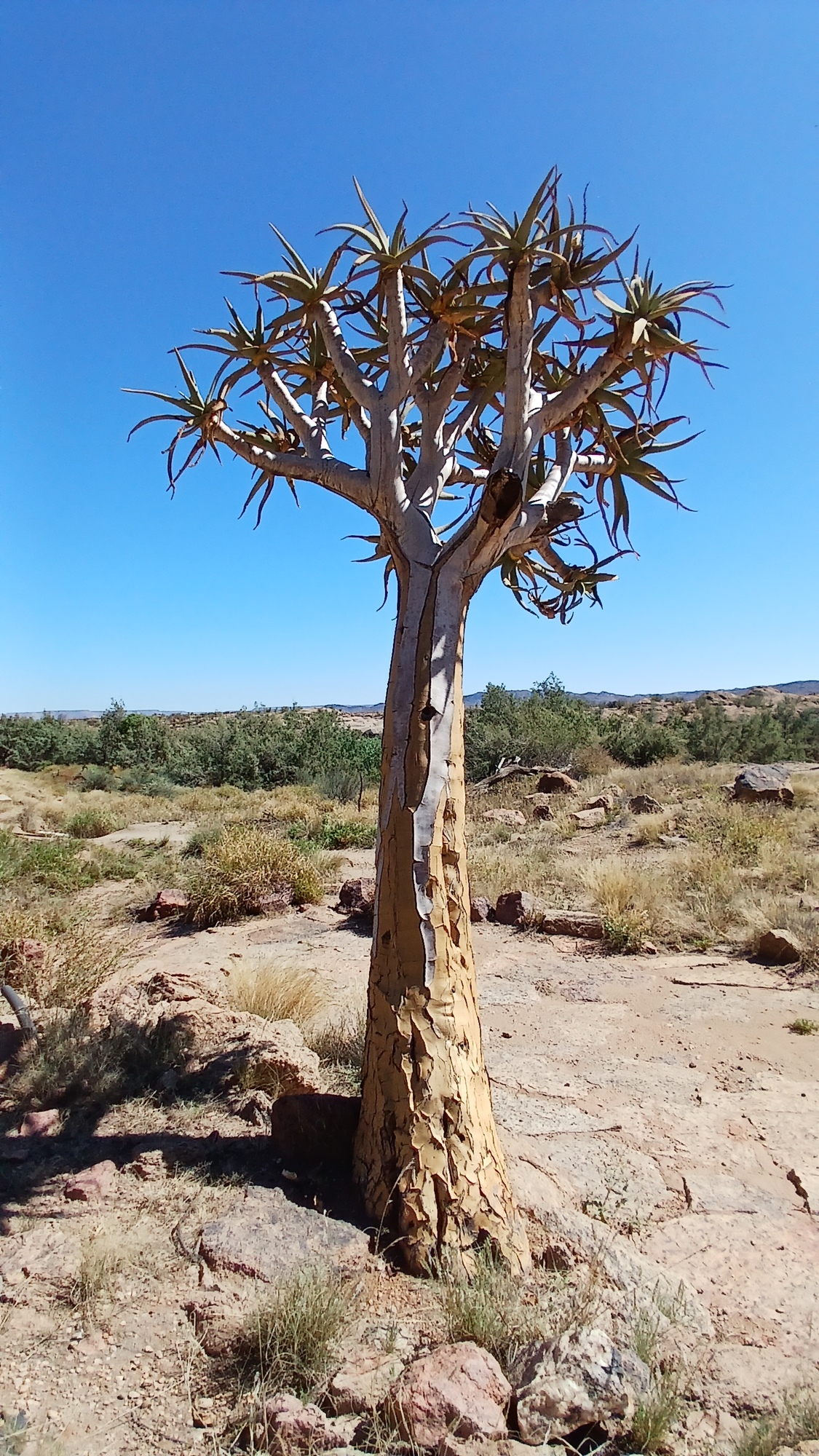
| Heart | 6 | Comment | 1 | Link |
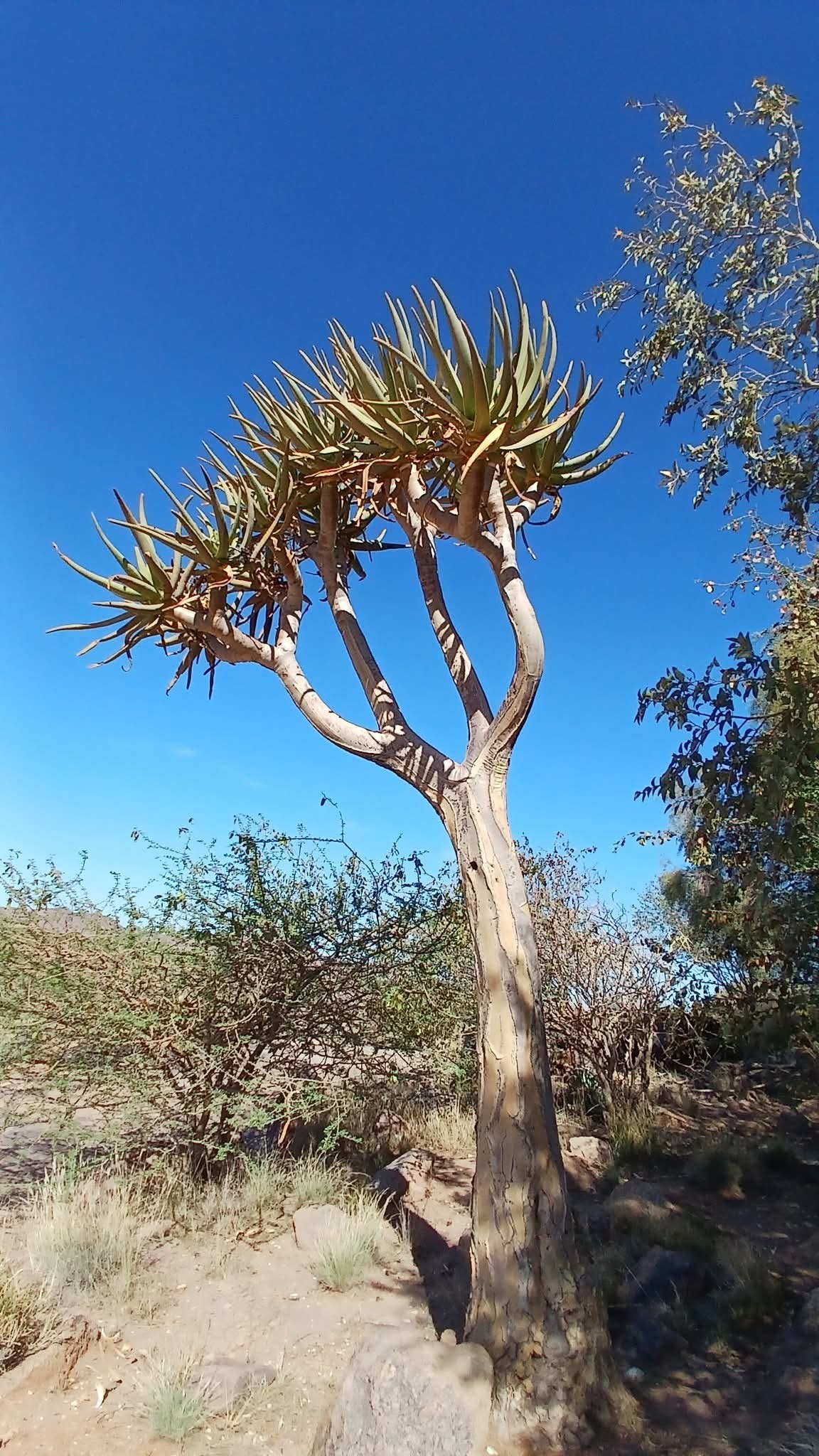
Of course I didn't ignore the birds.
Tomorrow we head back to Kakamas where we have an apartment booked to enable an early getaway to Pofadder on Thursday.
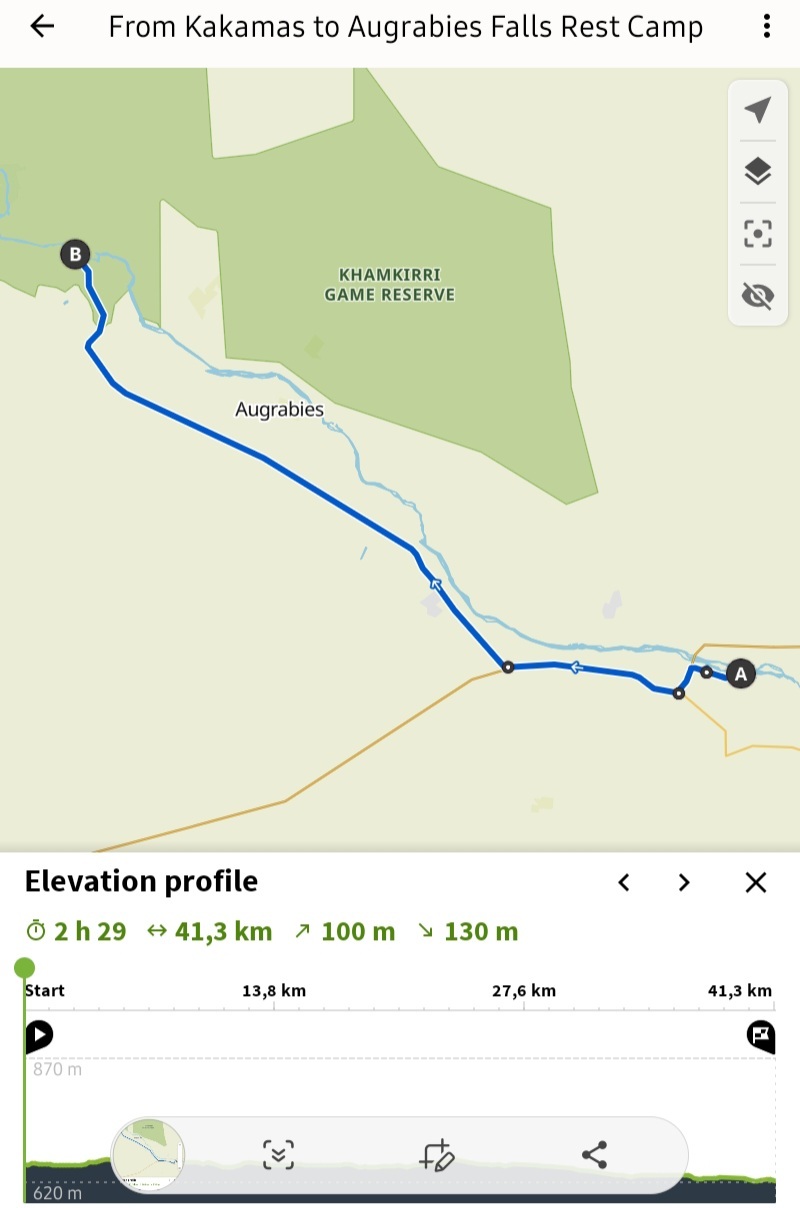
Today's ride: 44 km (27 miles)
Total: 163 km (101 miles)
| Rate this entry's writing | Heart | 10 |
| Comment on this entry | Comment | 3 |