December 7, 2025
Wat Wisunarat
| Heart | 5 | Comment | 0 | Link |
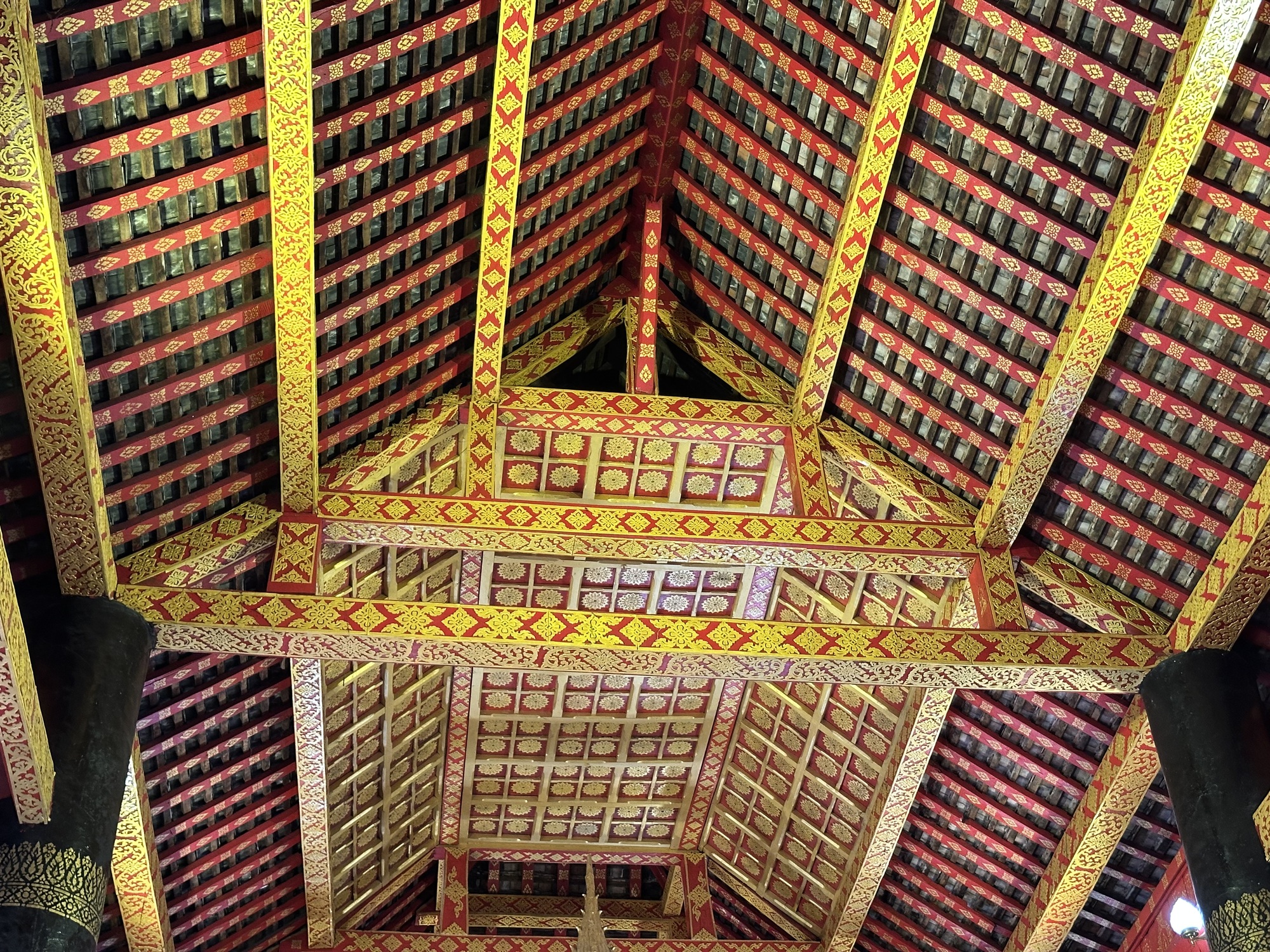
Wat Wisunarat in Luang Prabang
There are so many really special temples in Luang Prabang. Right in the middle of town temples line one side of the street and all are simple, small and beautiful. All are of the Lanna style very similar to northern Thai temples. The Lanna Kingdom, of the Tai people, was very powerful from the 13th-18th centuries. One reason it was powerful was because of its founder Mengrai, who founded Chiang Mai in 1292 but also because many cities in the north joined together for protection. The era was called Lanna or 'One Million Rice Fields'.
The important Lanna cities were all 'Chiangs' which means 'fortress city'. There was Chiang Saen and Chiang Khong on the Mekong River, nearby Chiang Rai, Chiang Hung (now Jinghong in southern Yunnan Province, China), Chiang Mai, Chiang Tung, (Kyaing Tong in NE Burma), Xieng Thong, (now Luang Prabang), and some Chiangs that were of lesser importance such as Chiang Kham and Chiang Khan. They were powerful standing together and trading together and it was a time of great peace. It's been interesting through the years to visit all but one of these towns because the temples are all of a similar design and character. I love the Lanna style of temples in which the roofline often comes down very low, down almost to the earth - to the people. It is a very personal and lovely style and I believe the style which pervades not only the temples but other buildings and even the character of the people, is why tourists find the northern parts of Thailand and Laos so appealing.
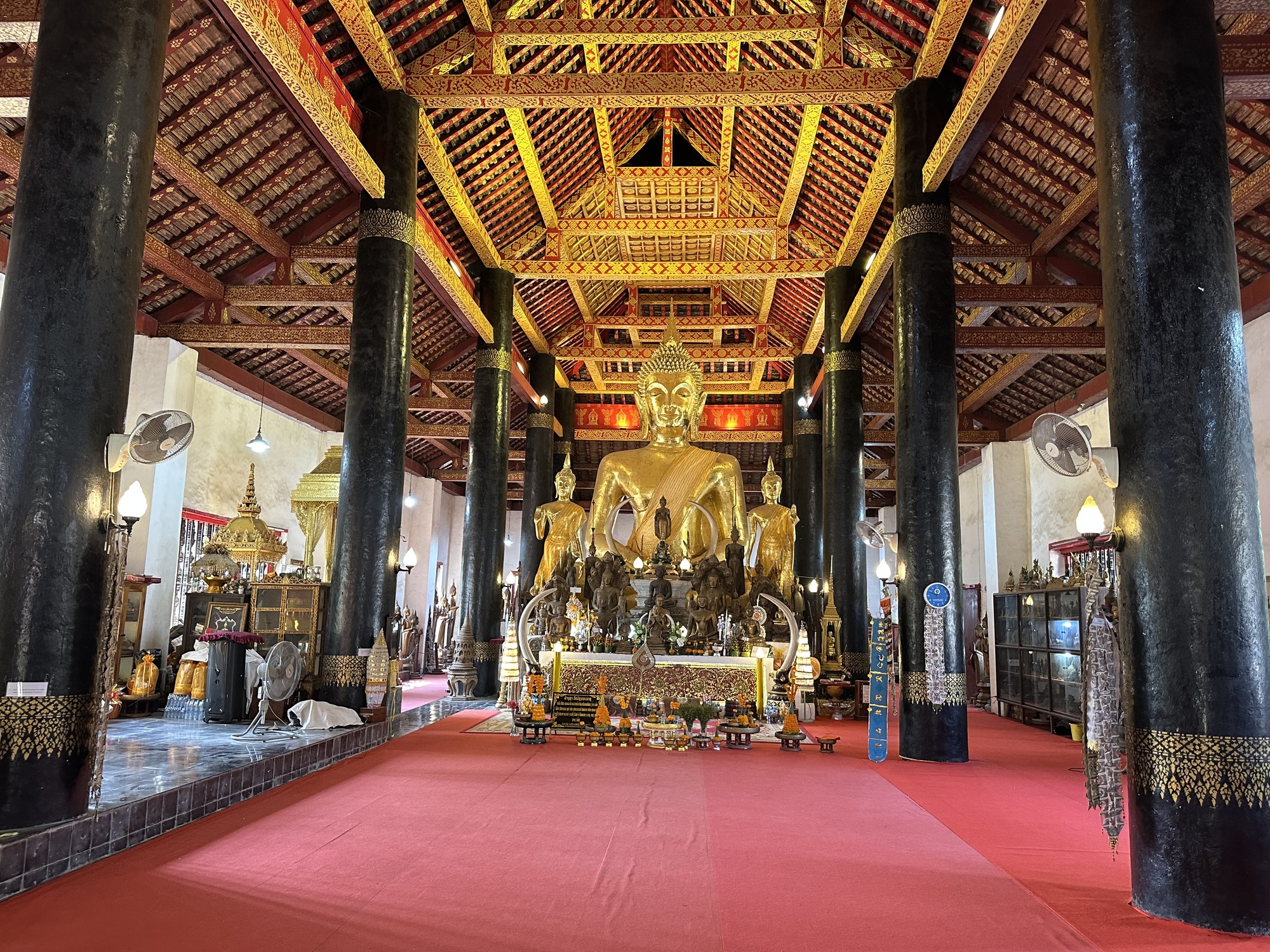
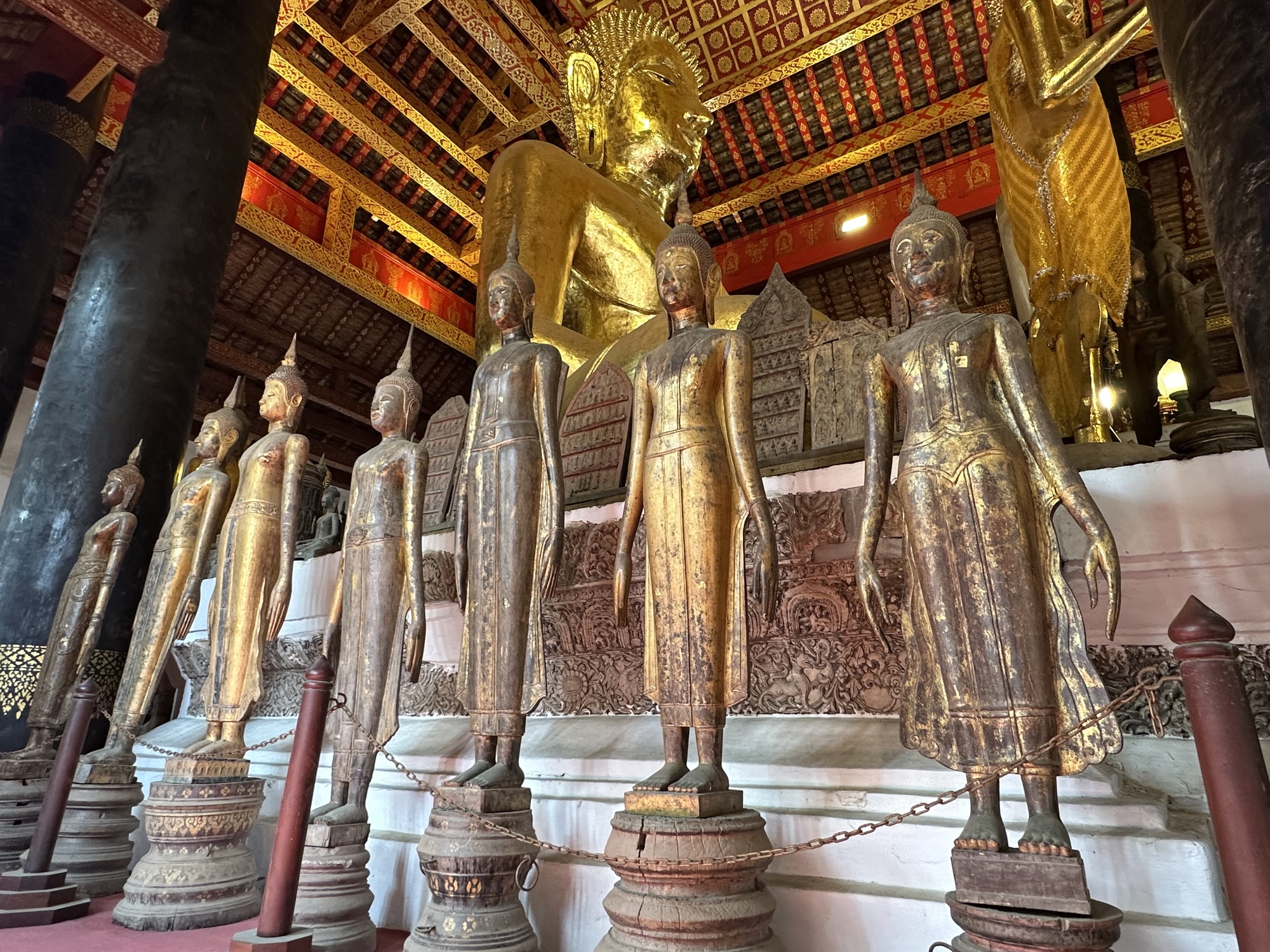
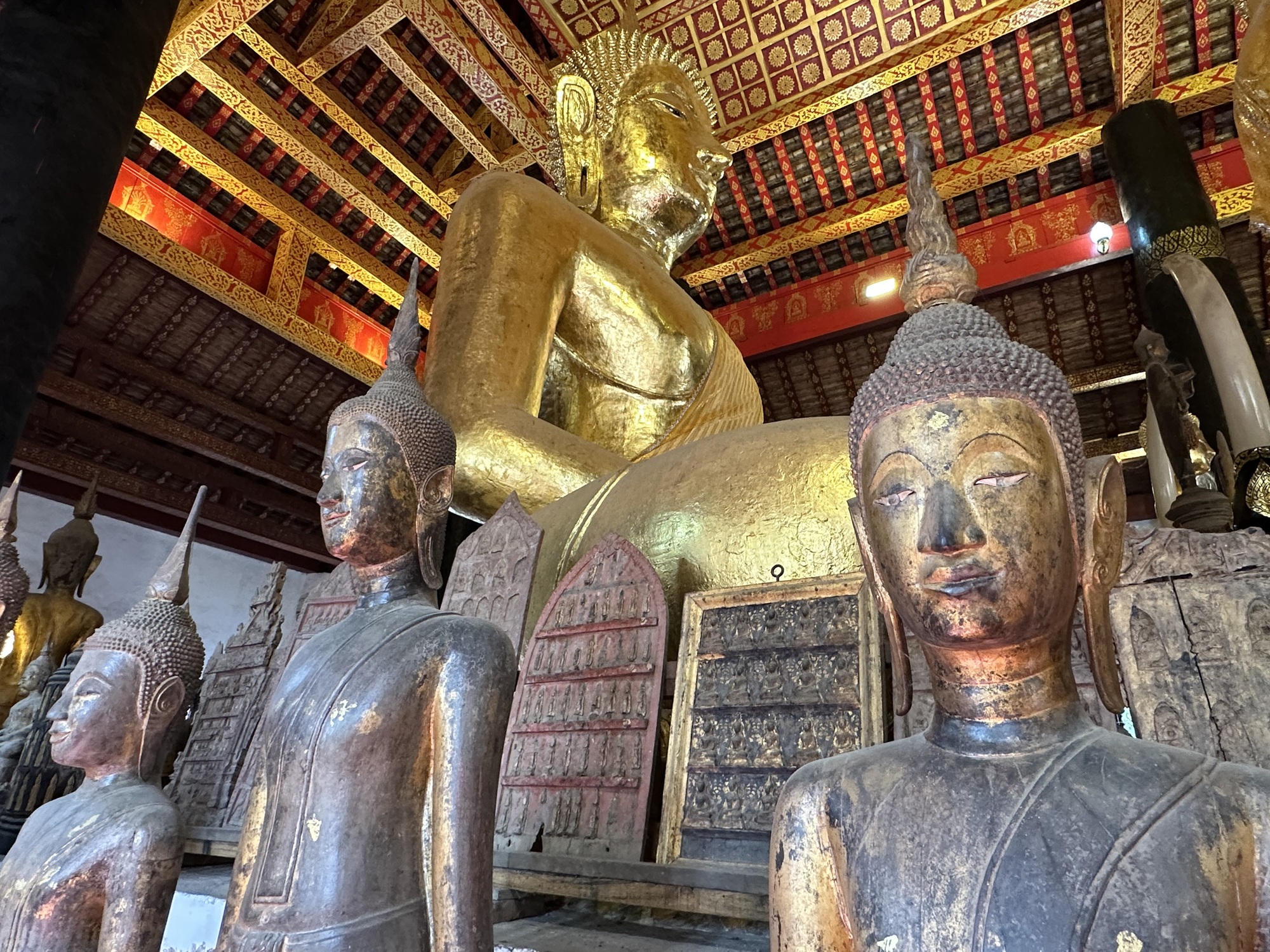
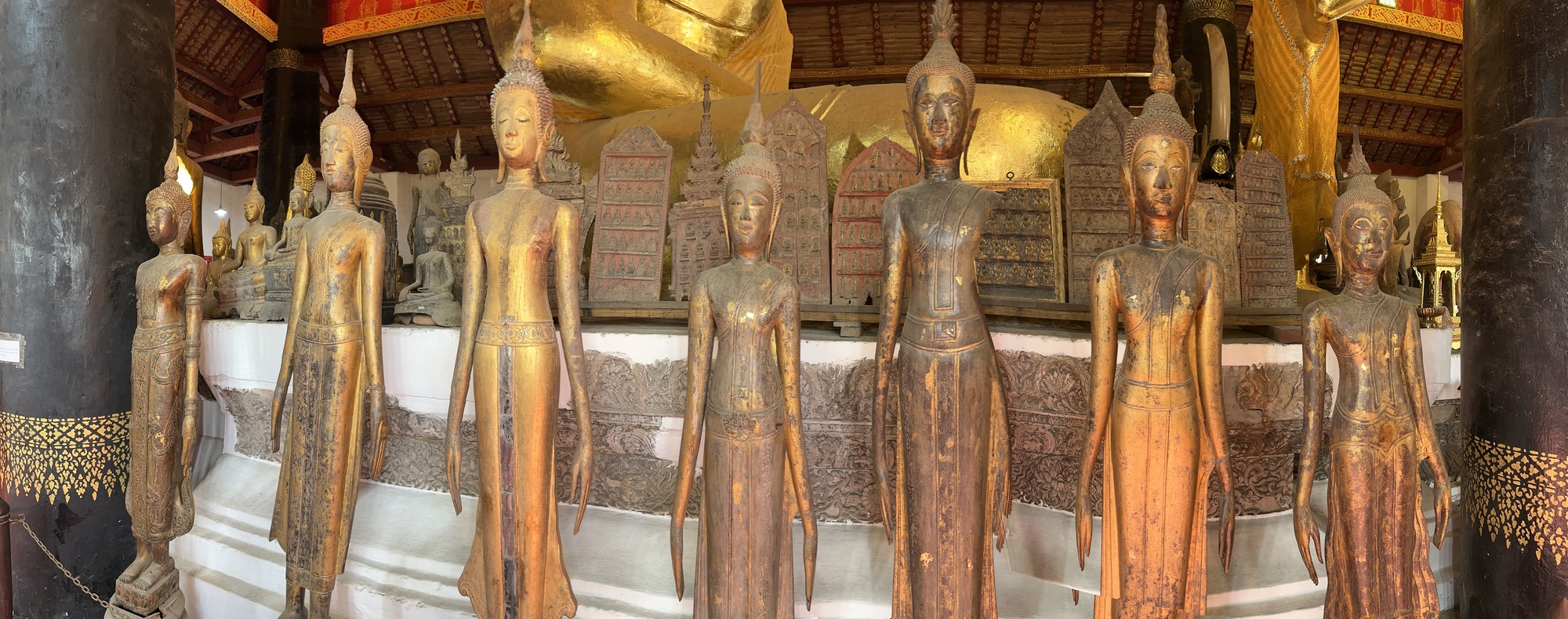
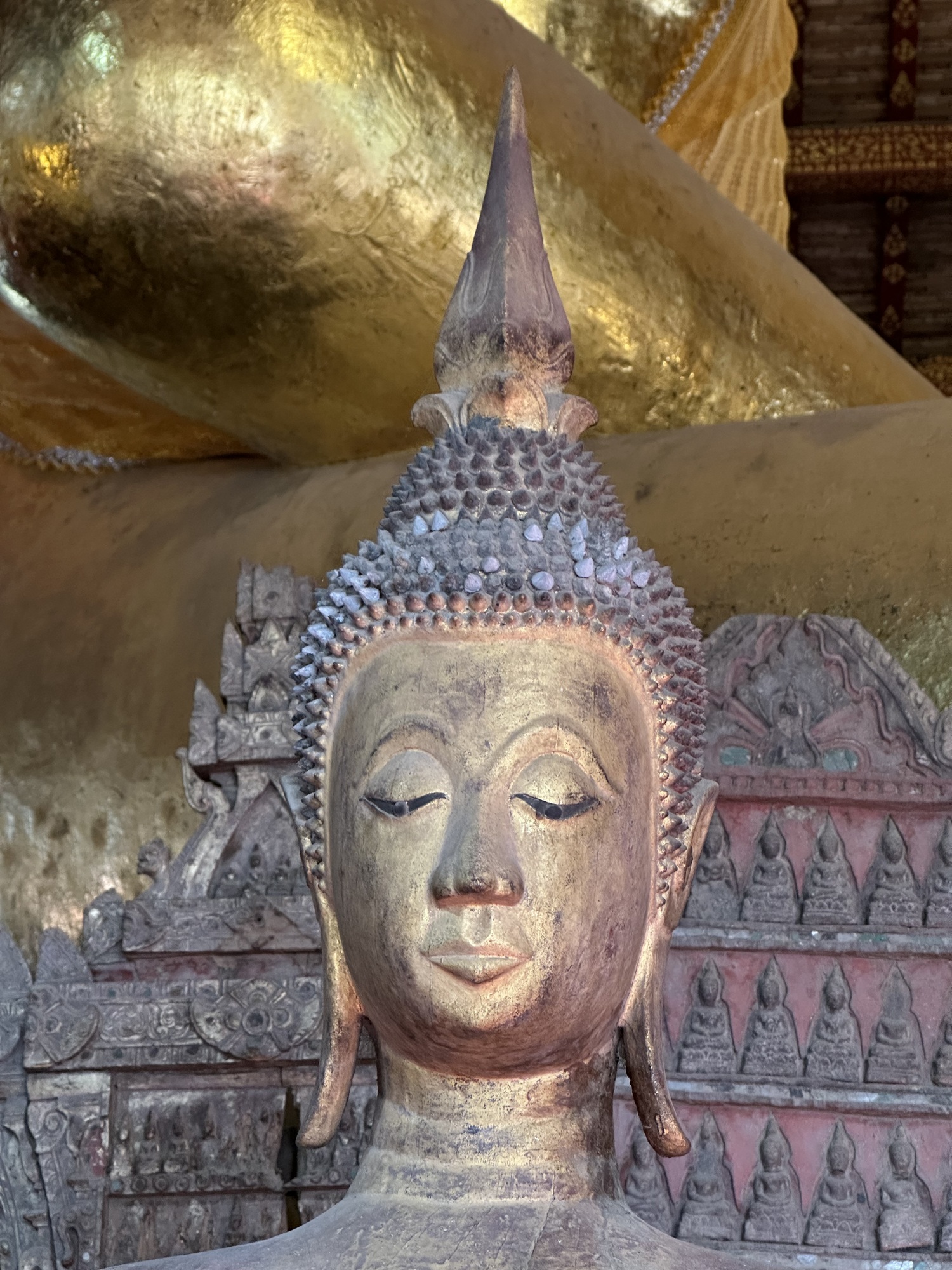
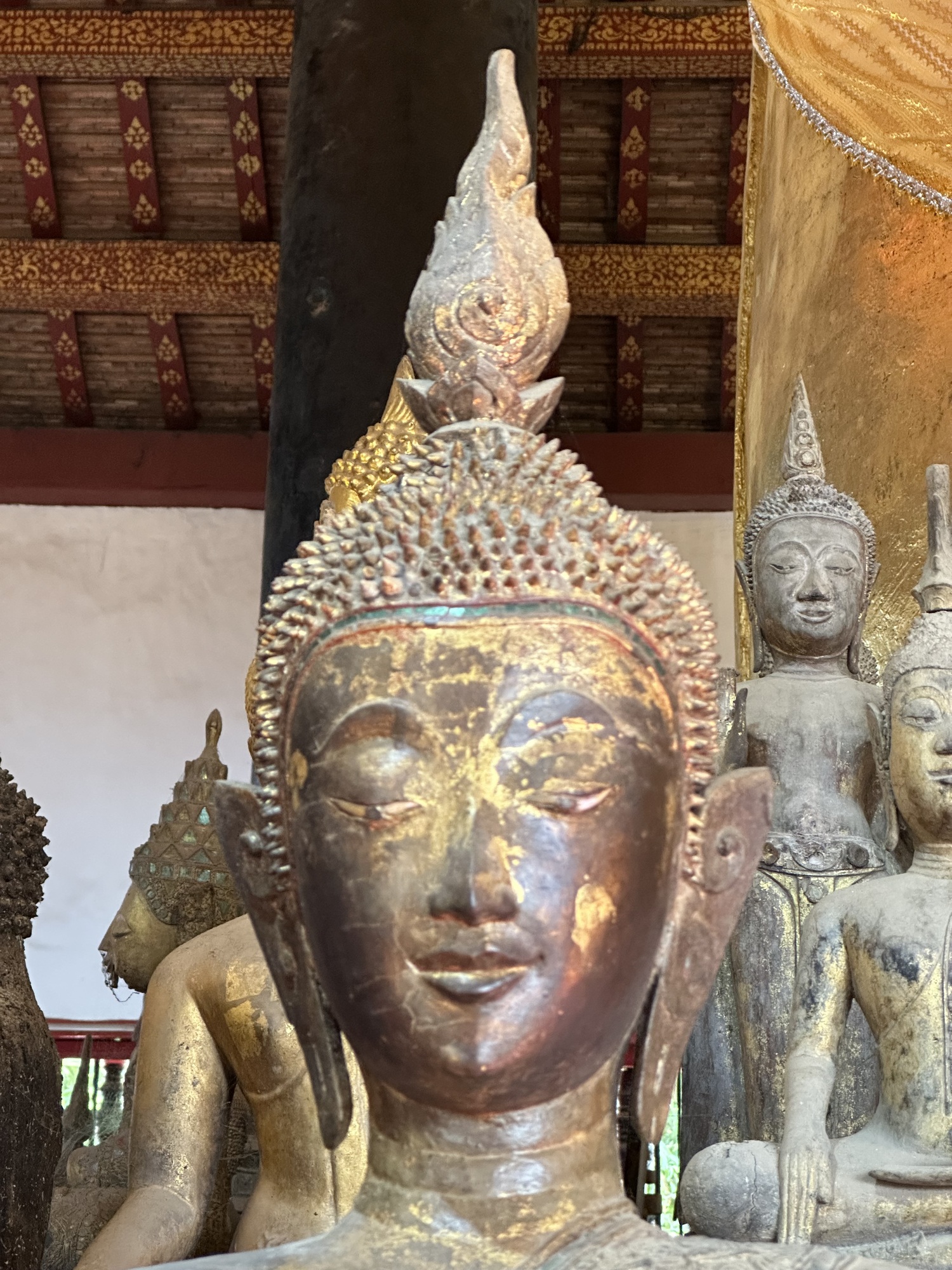
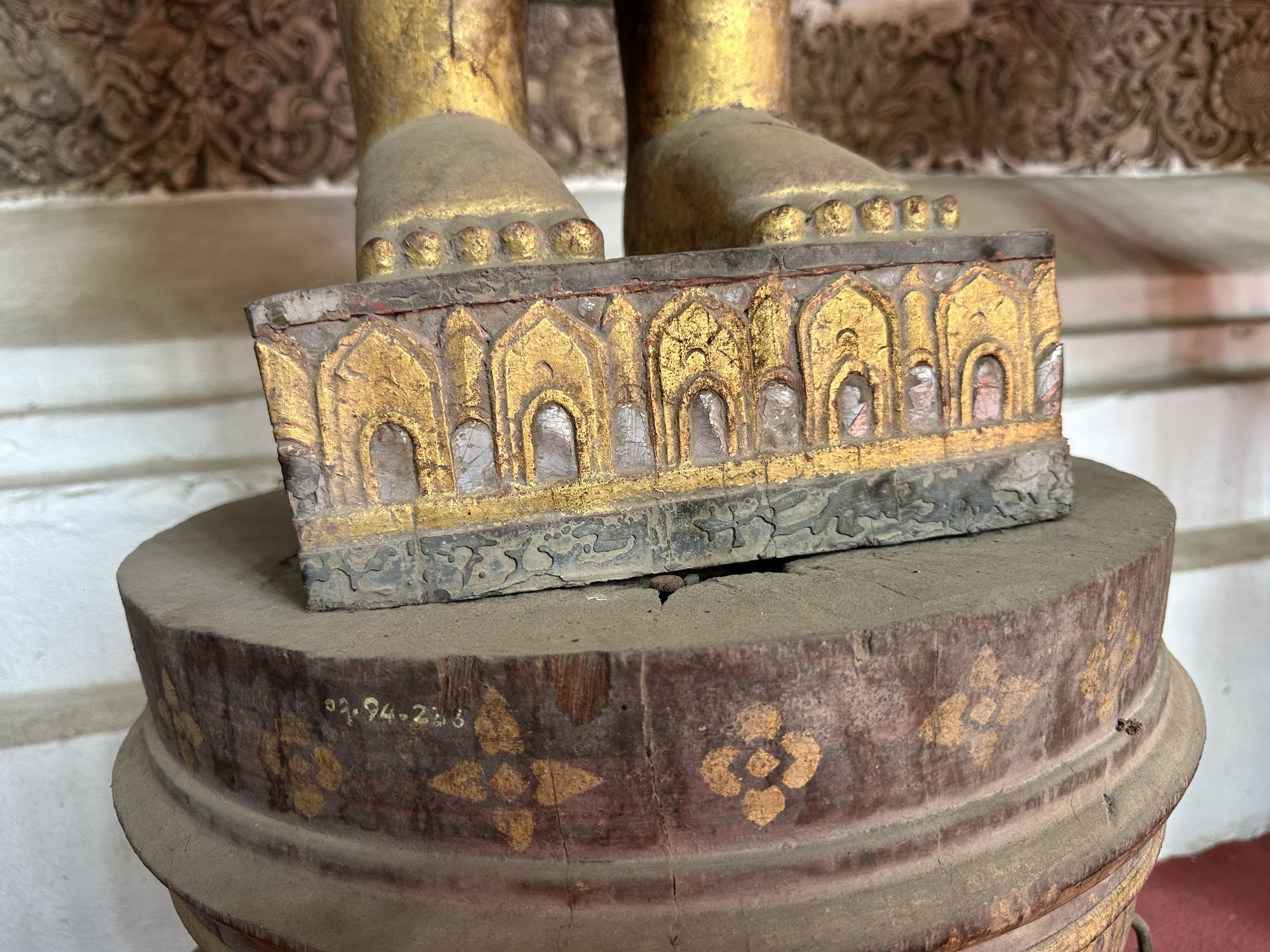
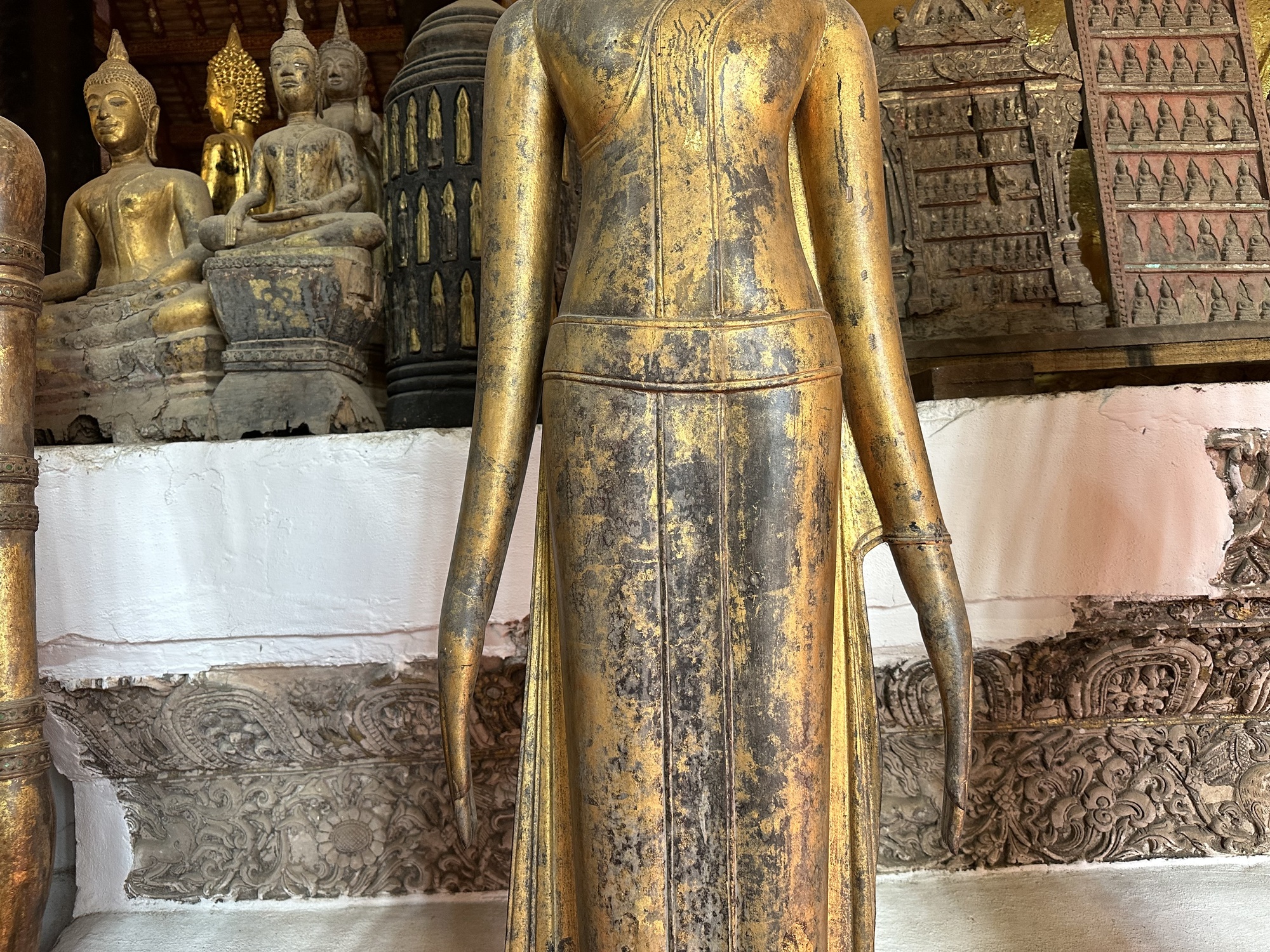
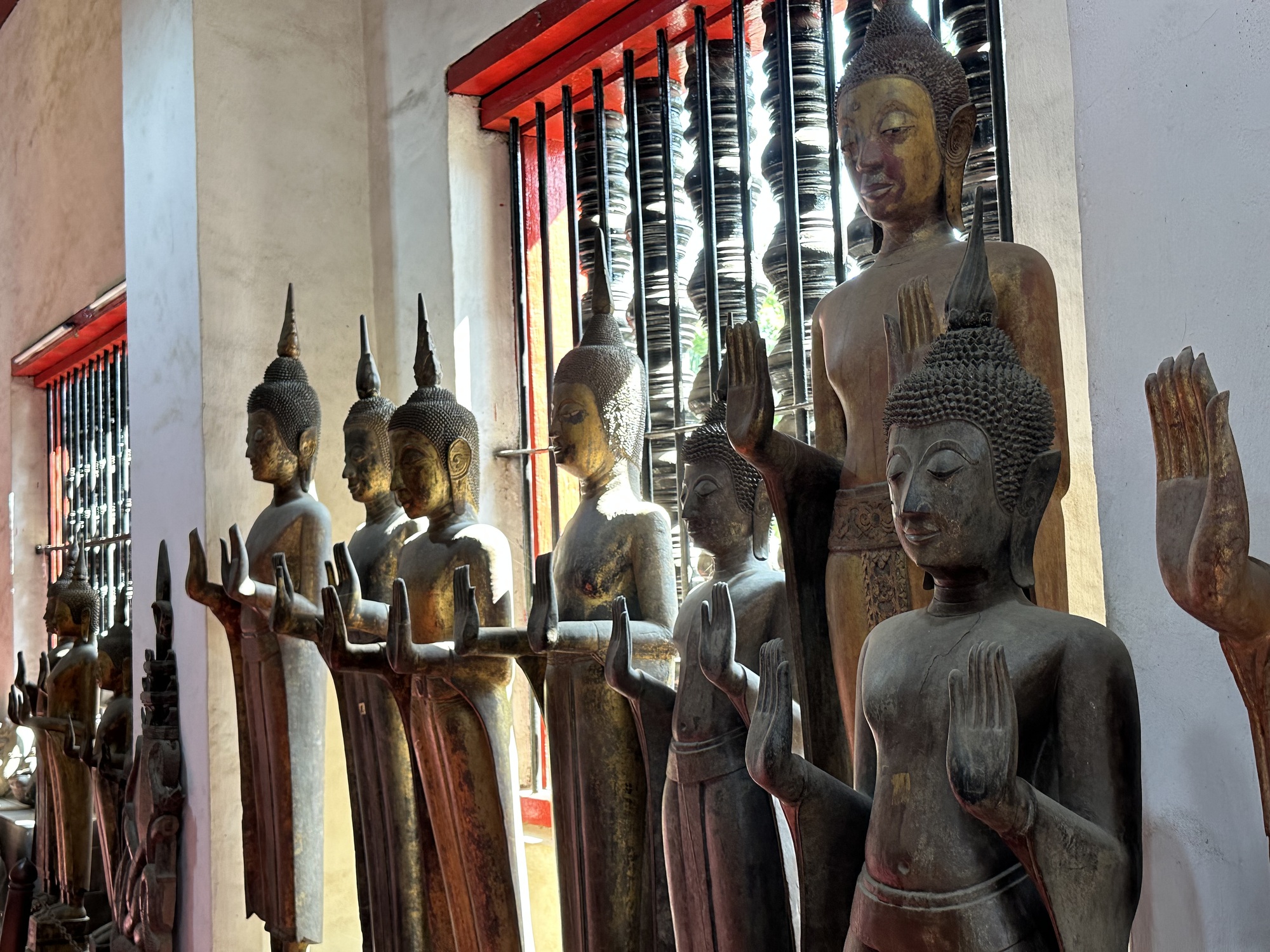
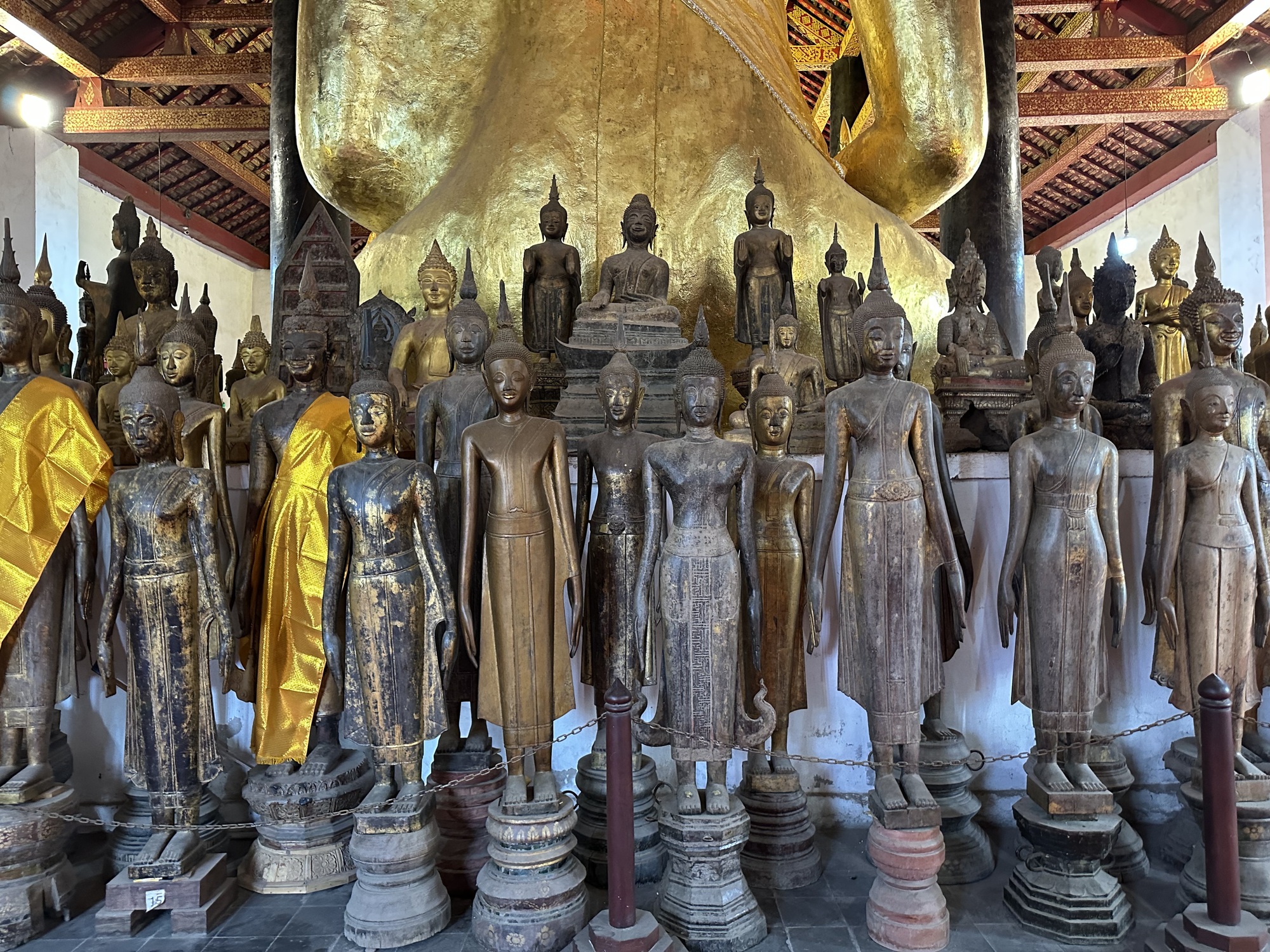
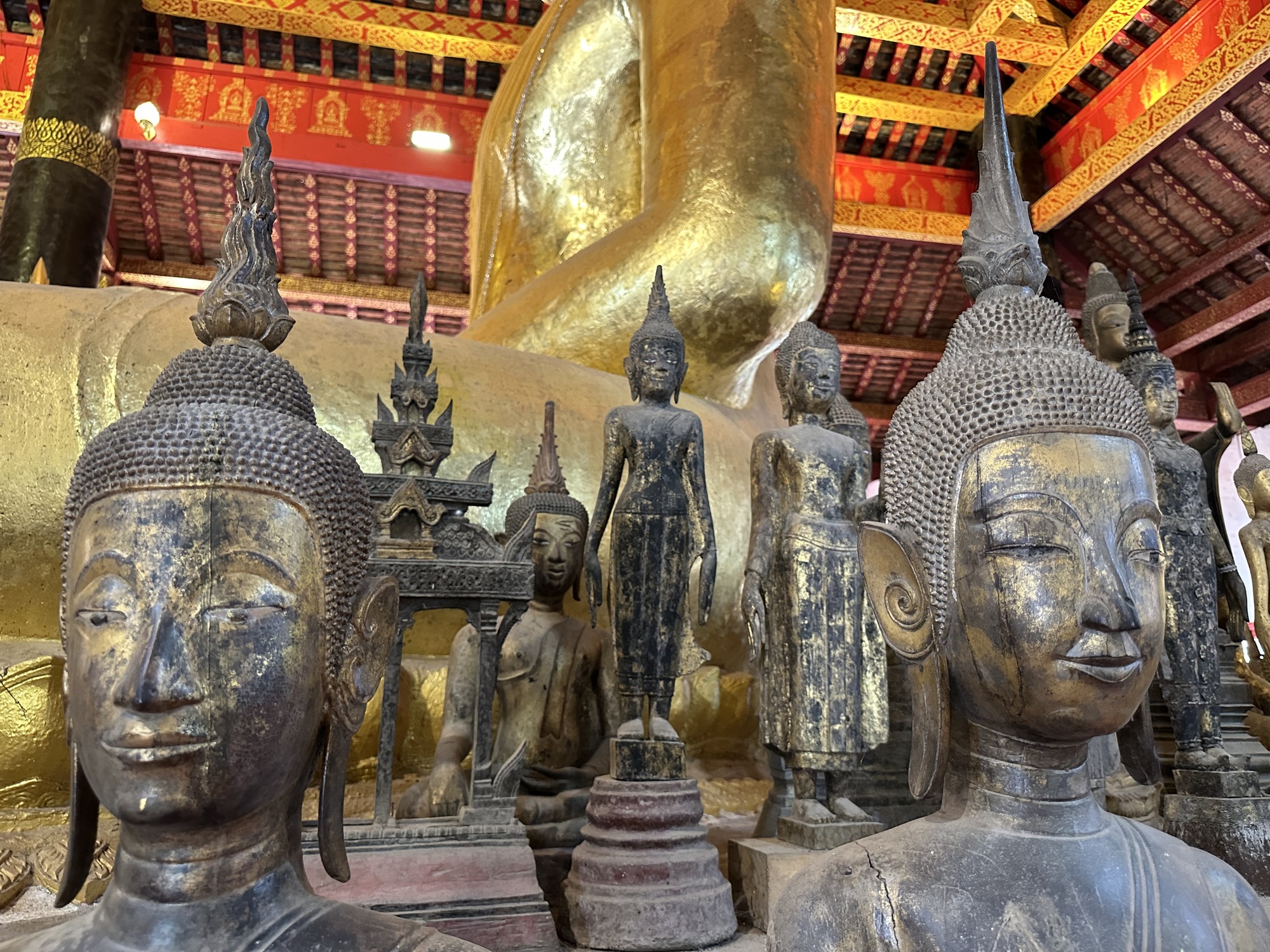
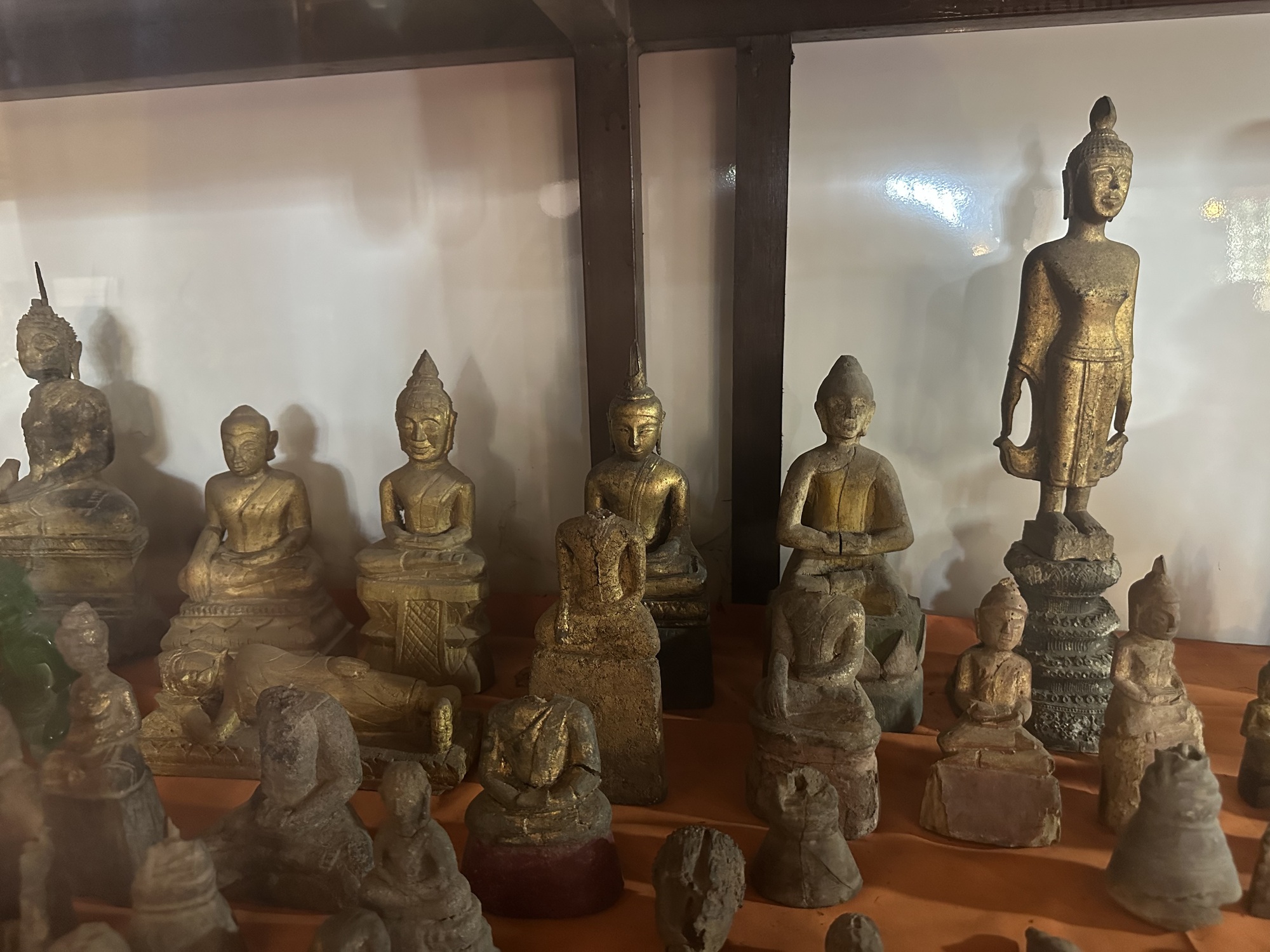
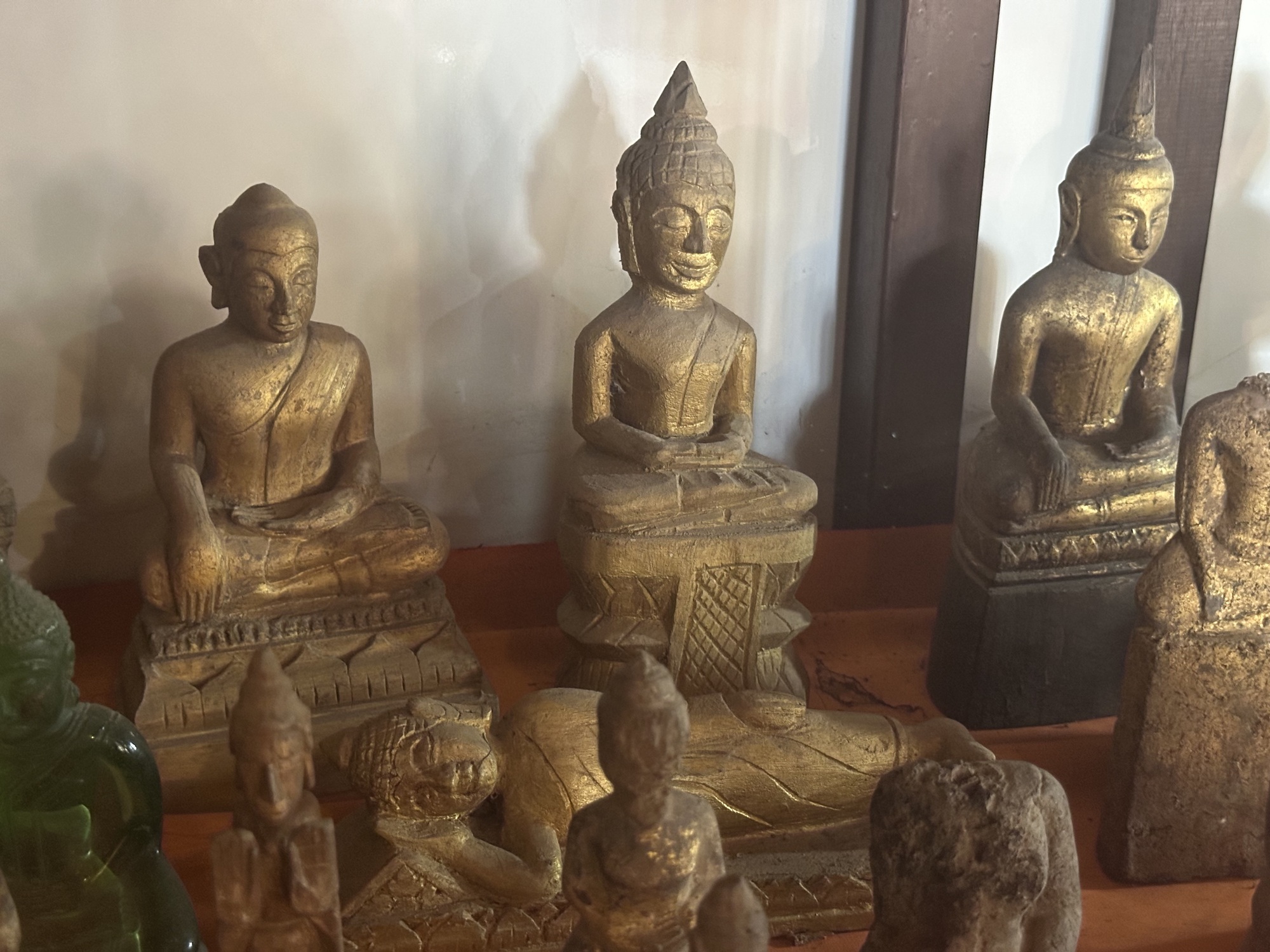
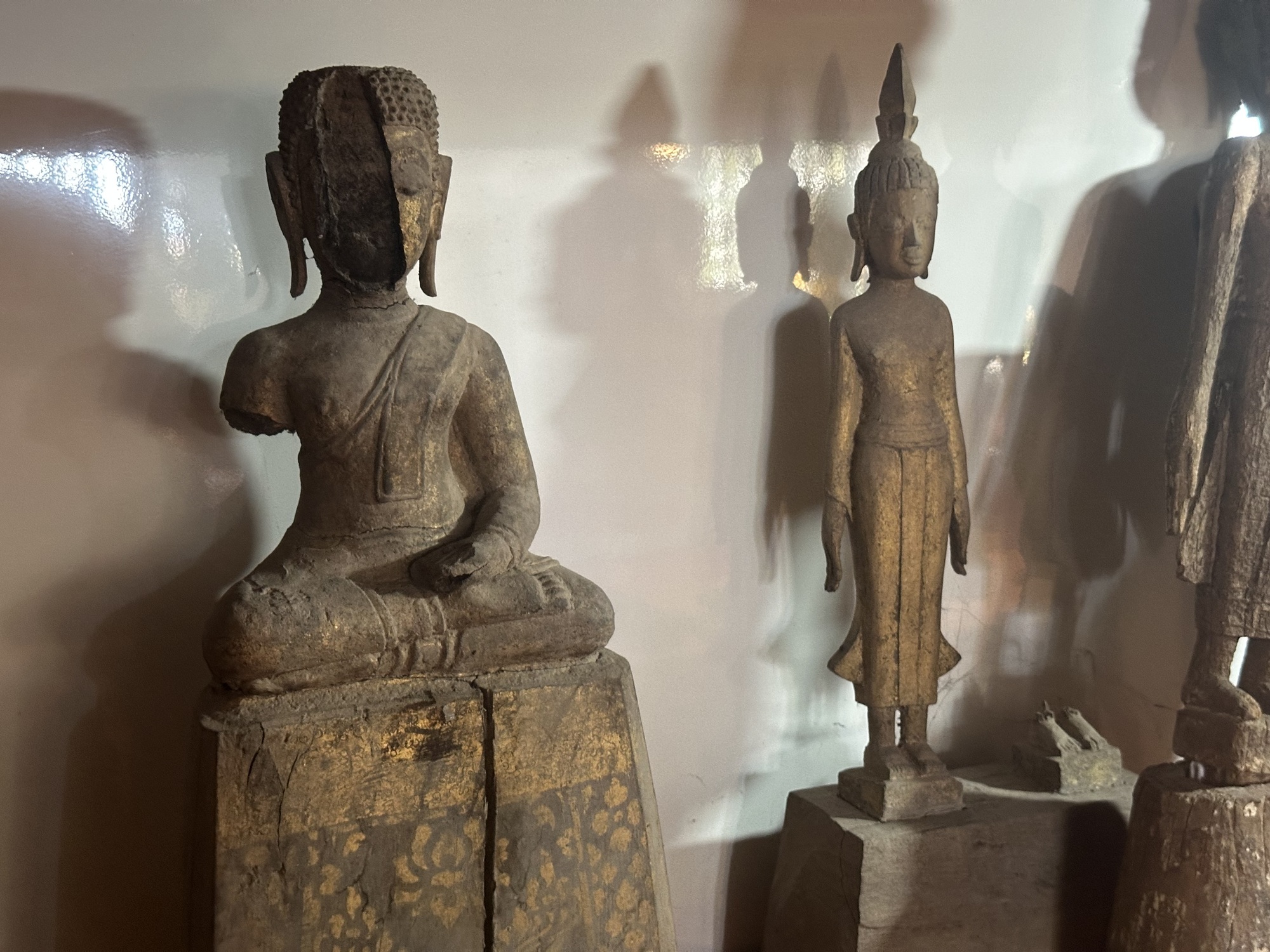
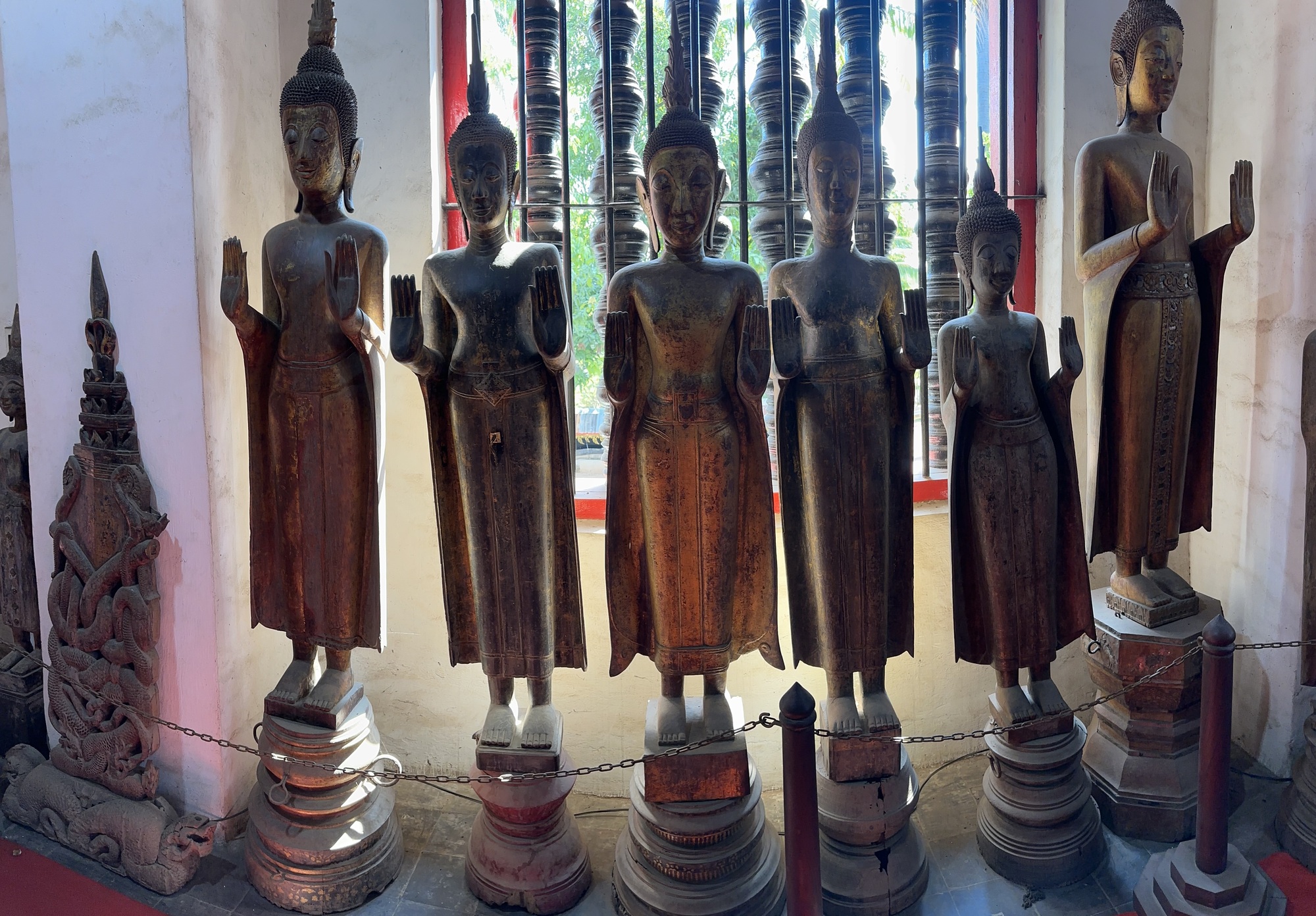
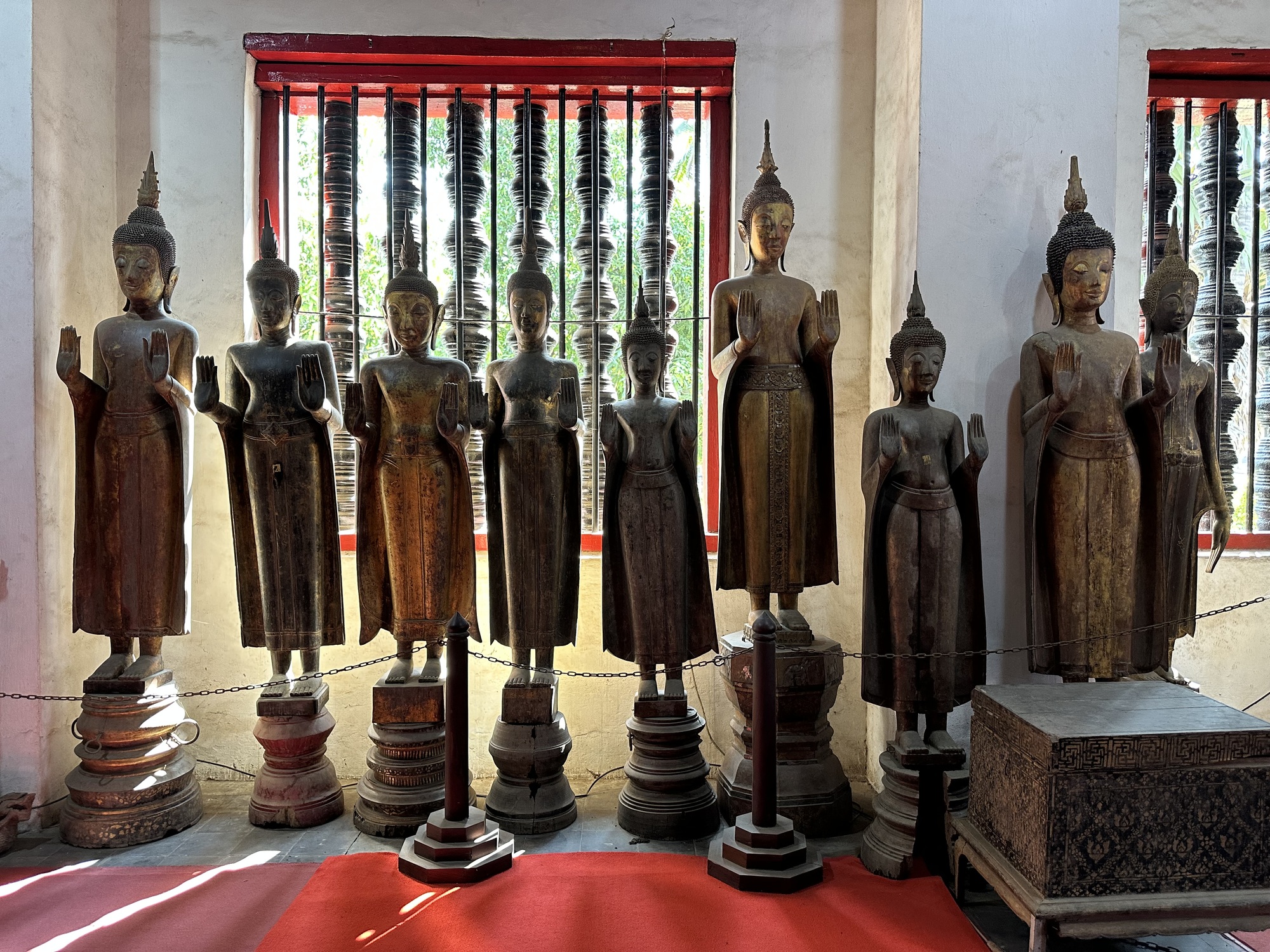
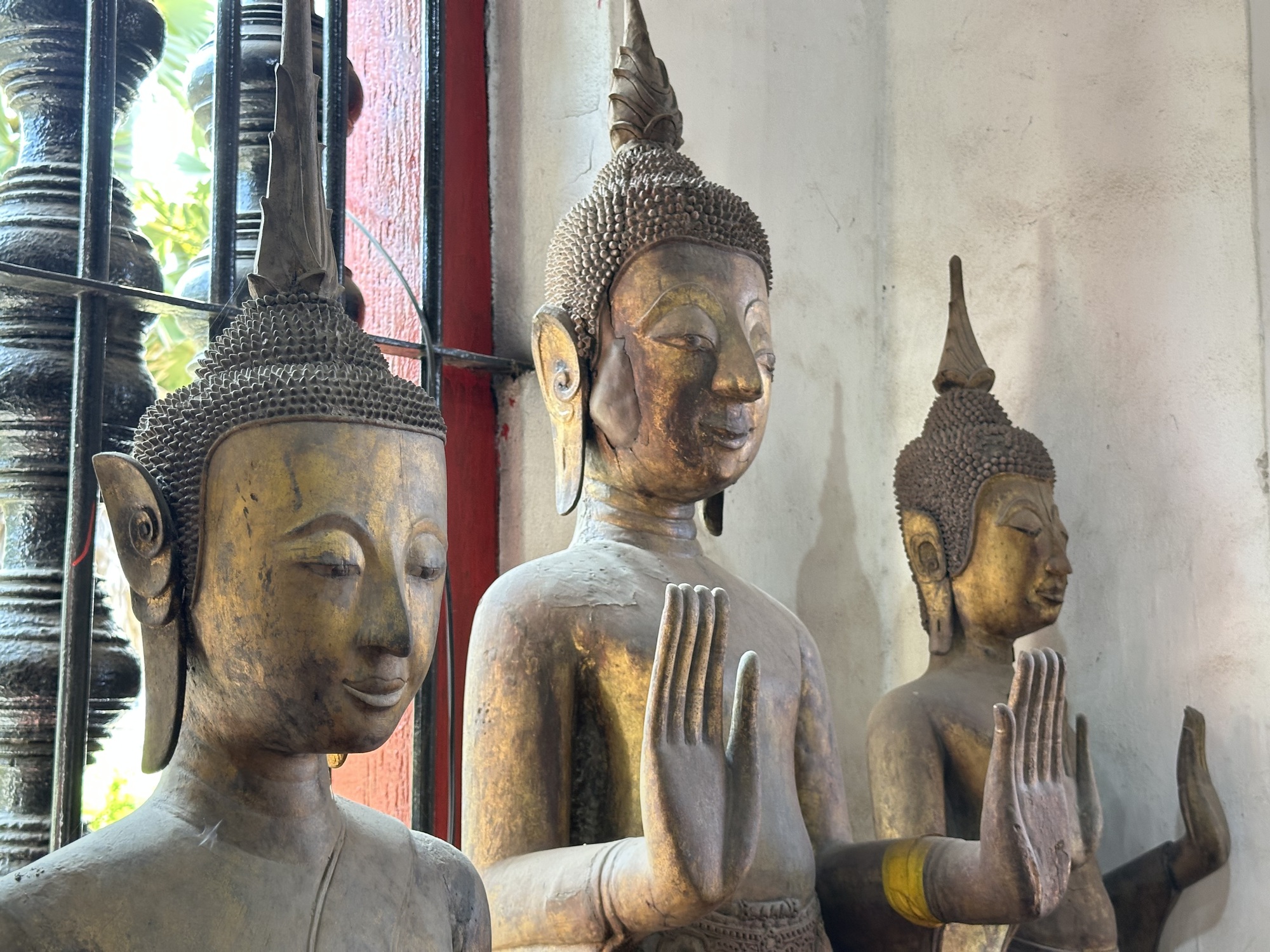
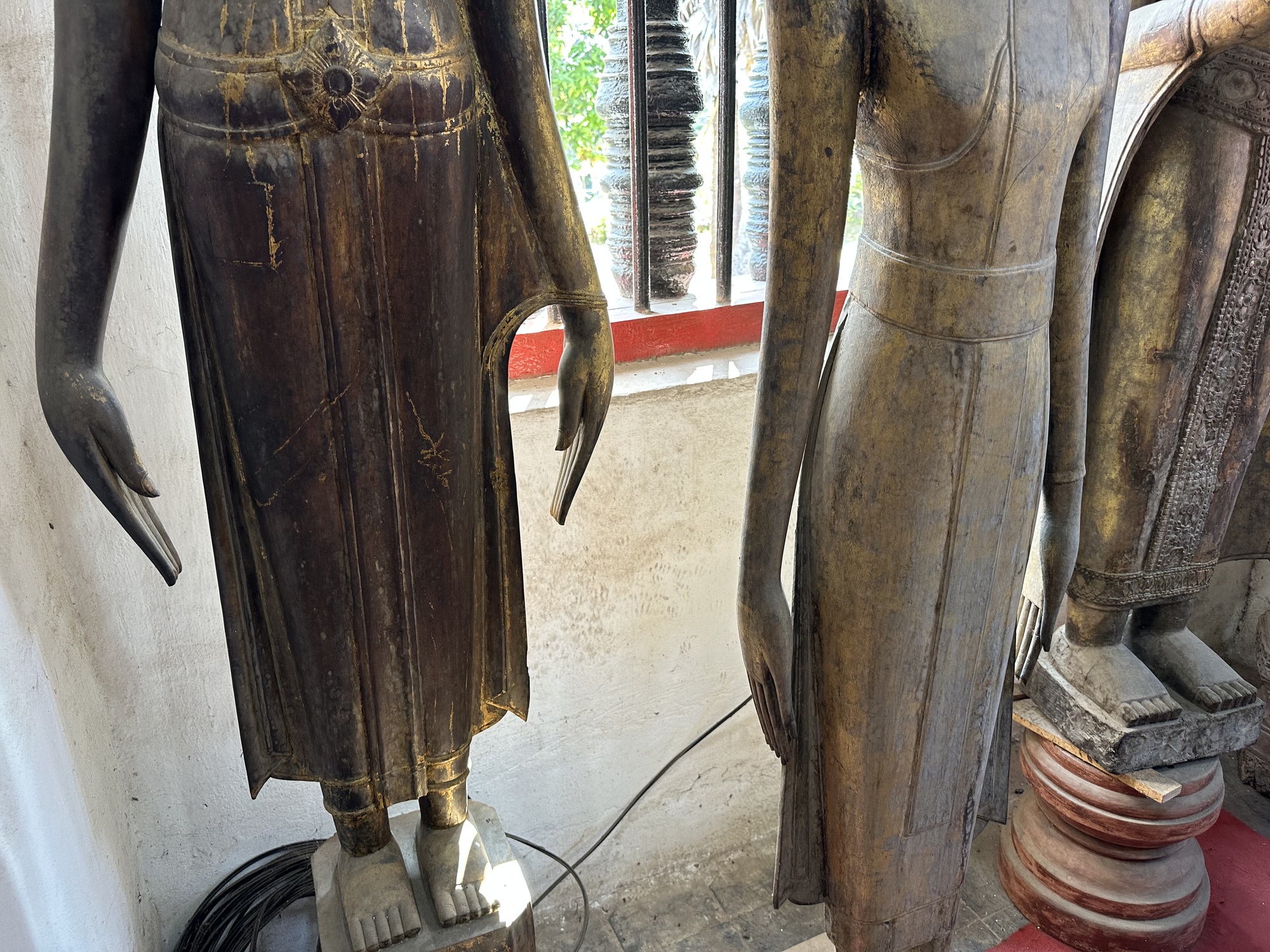
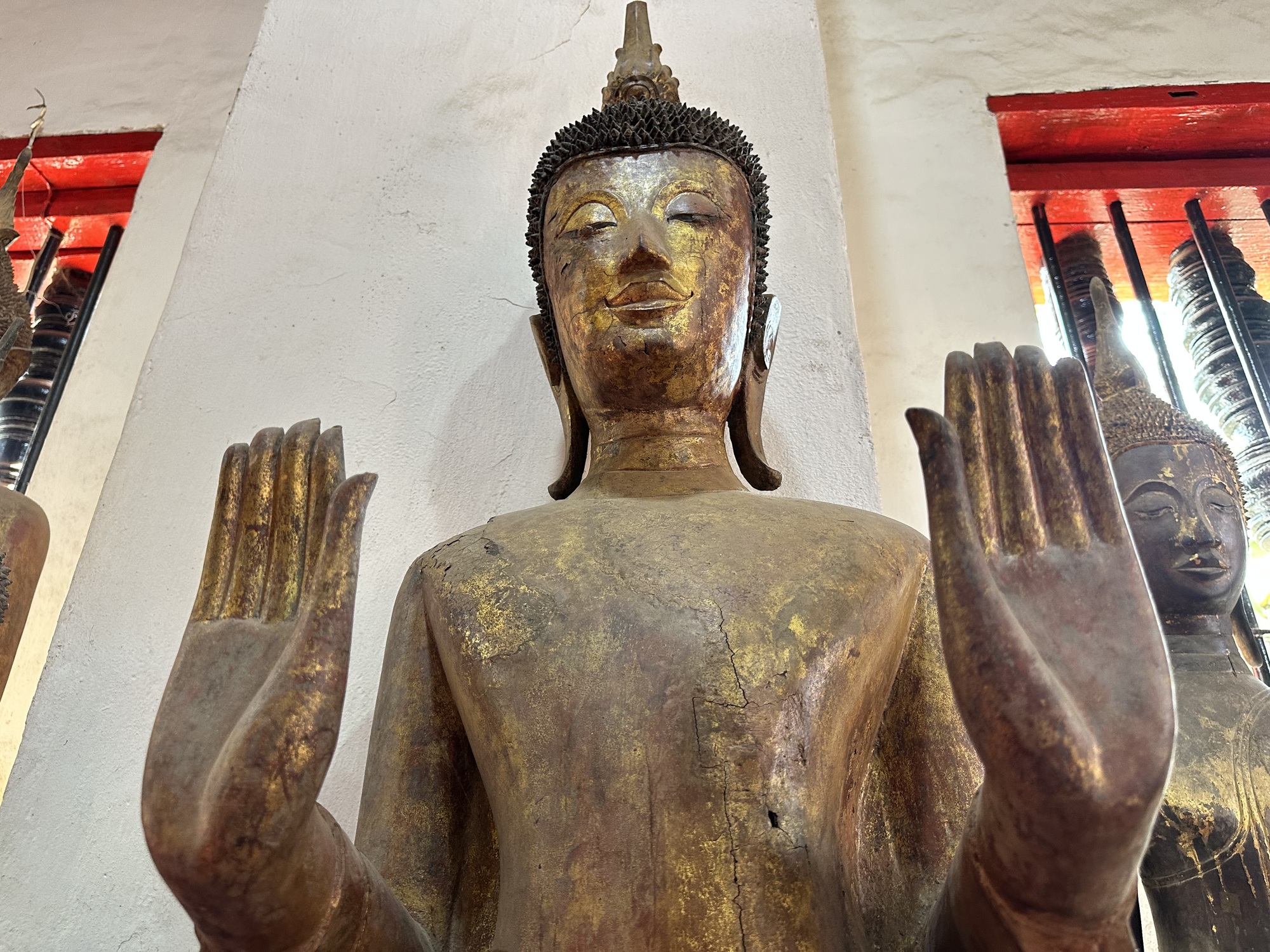
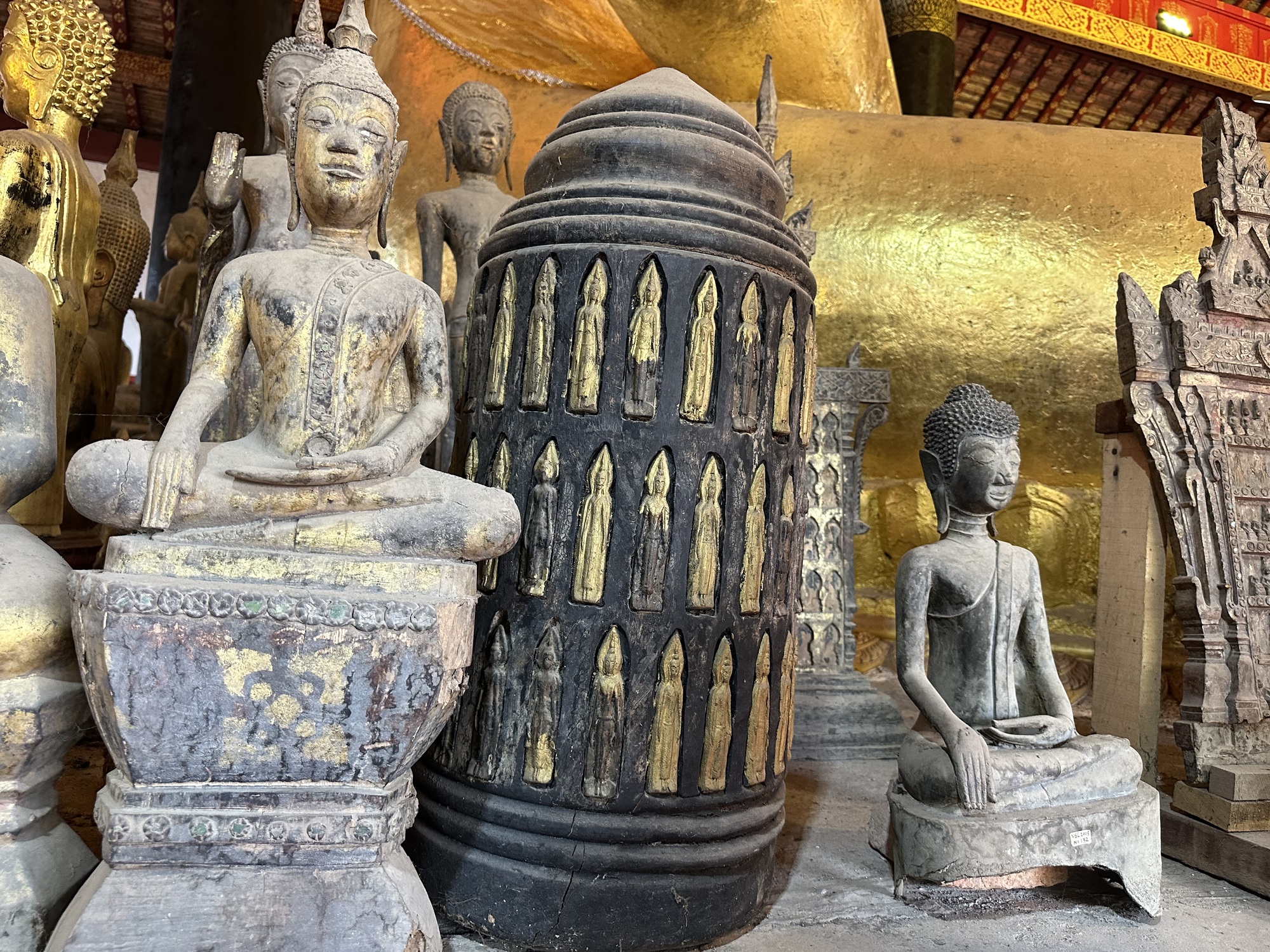
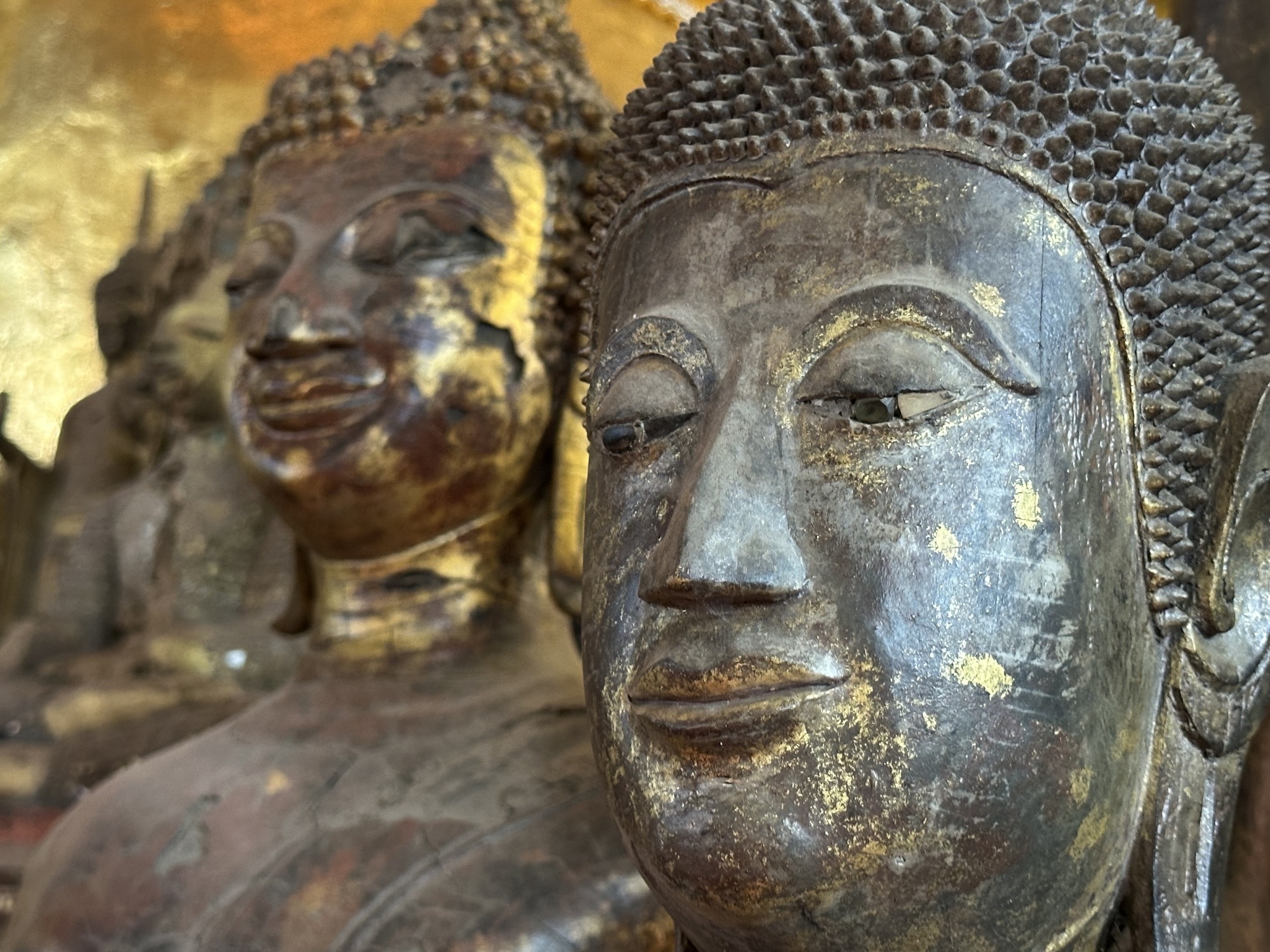
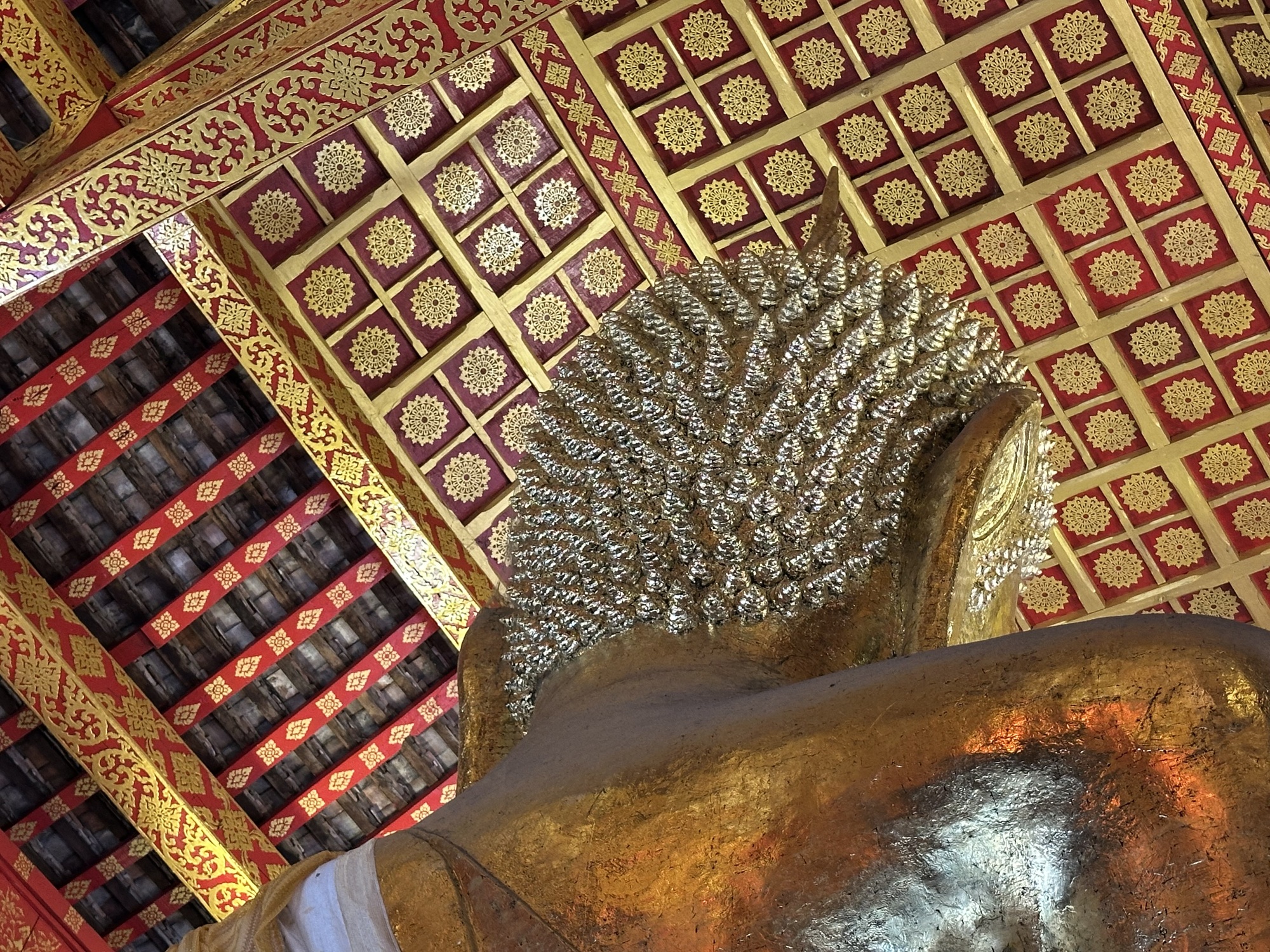
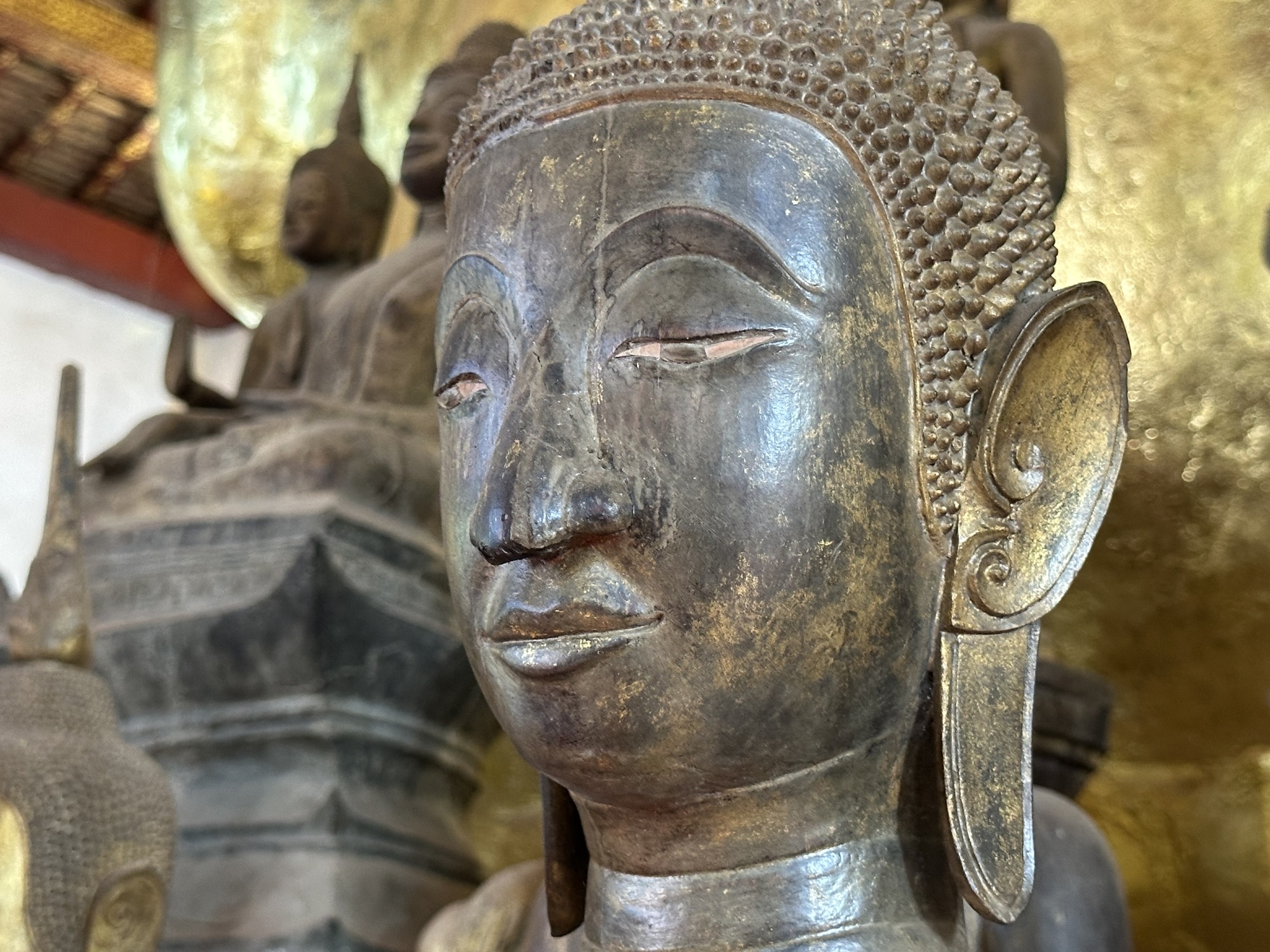
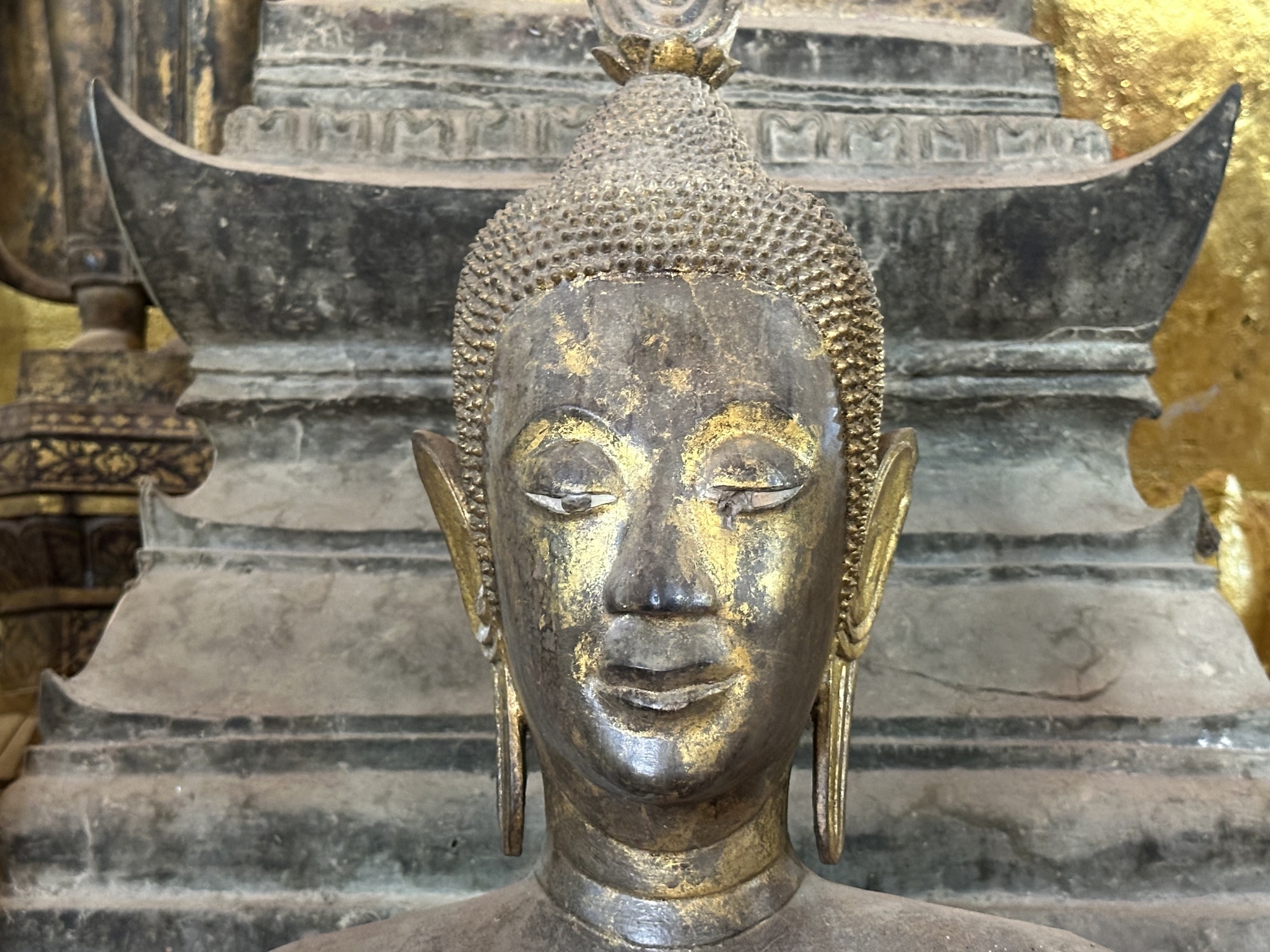
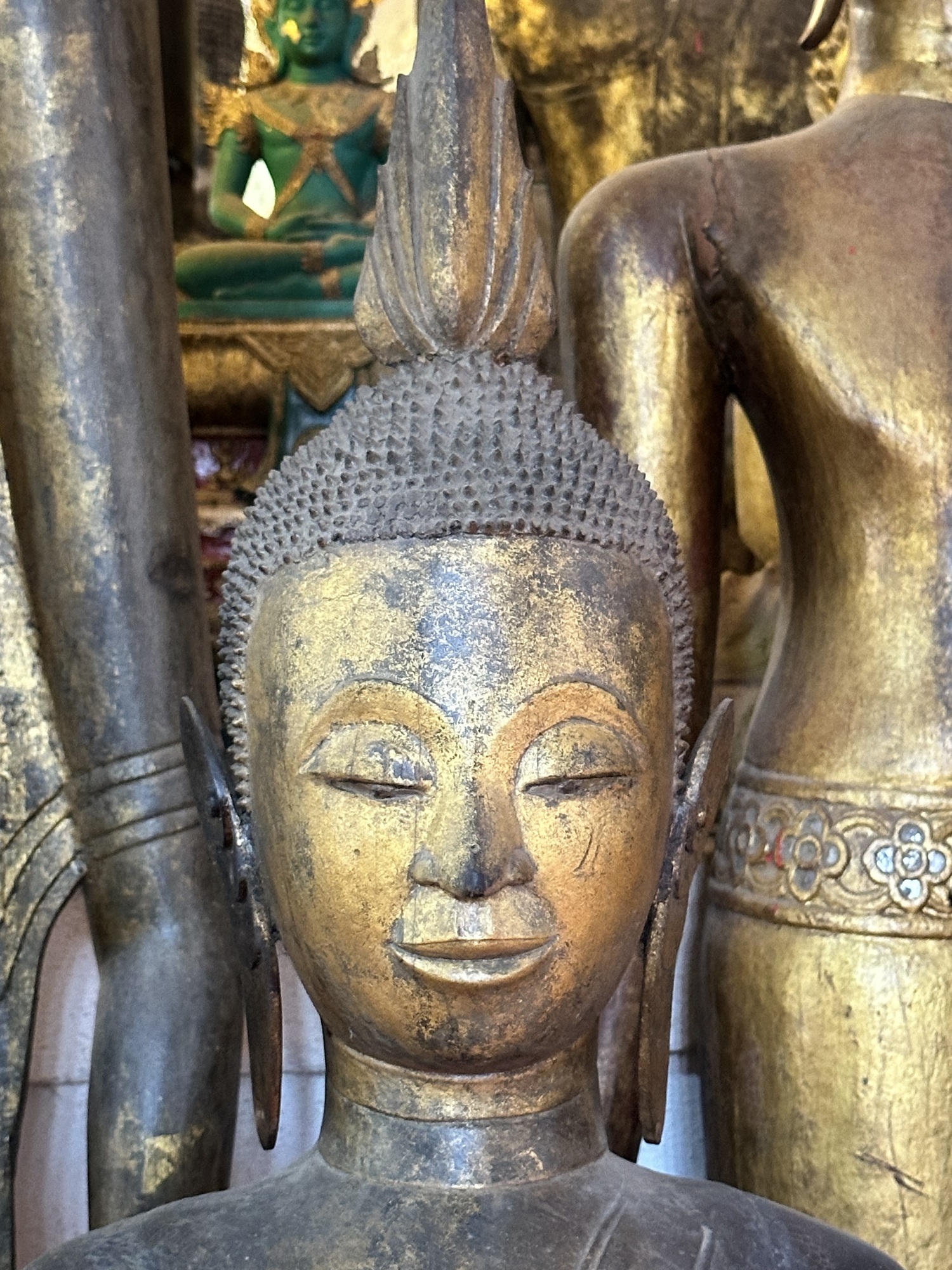
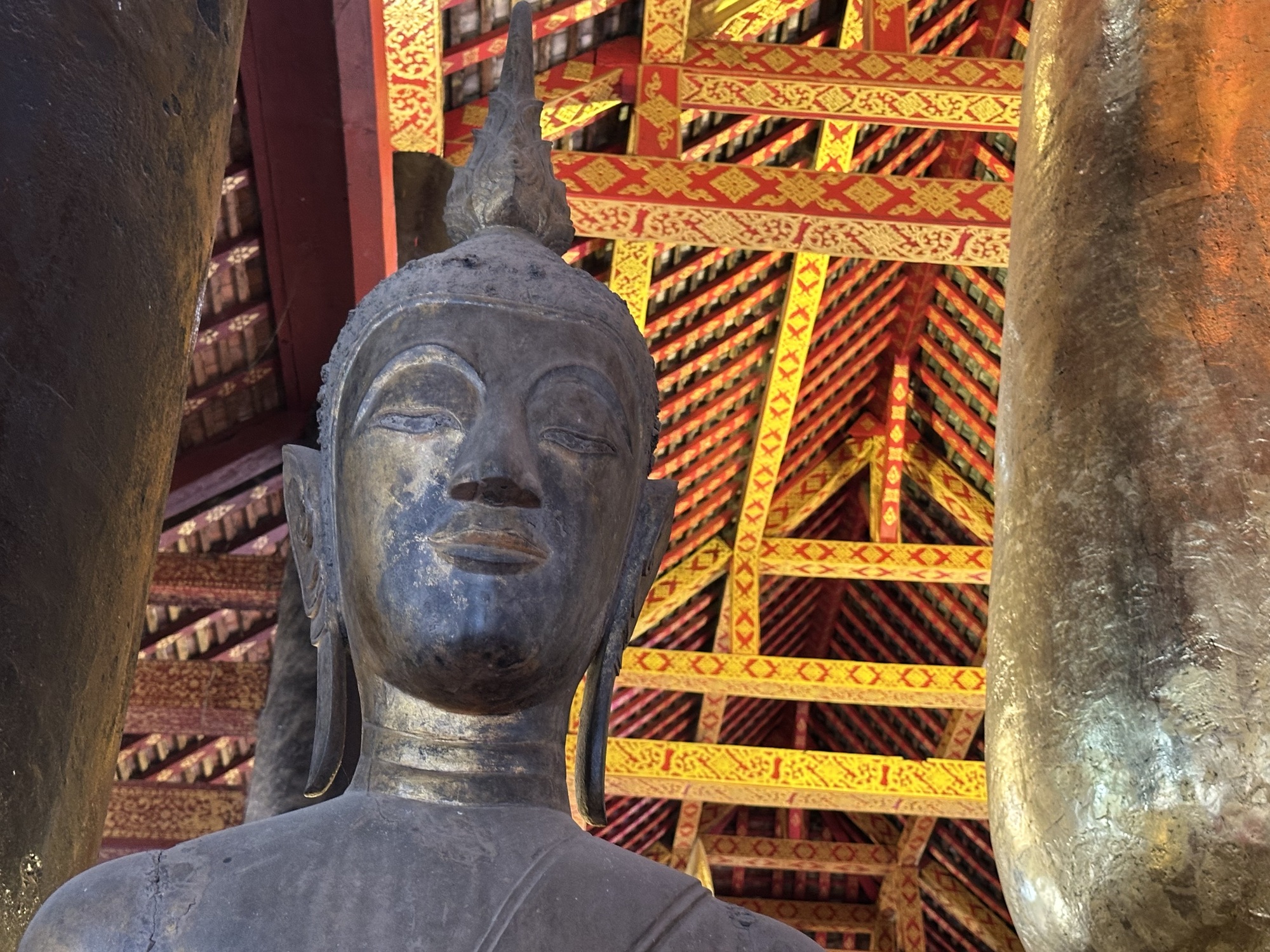
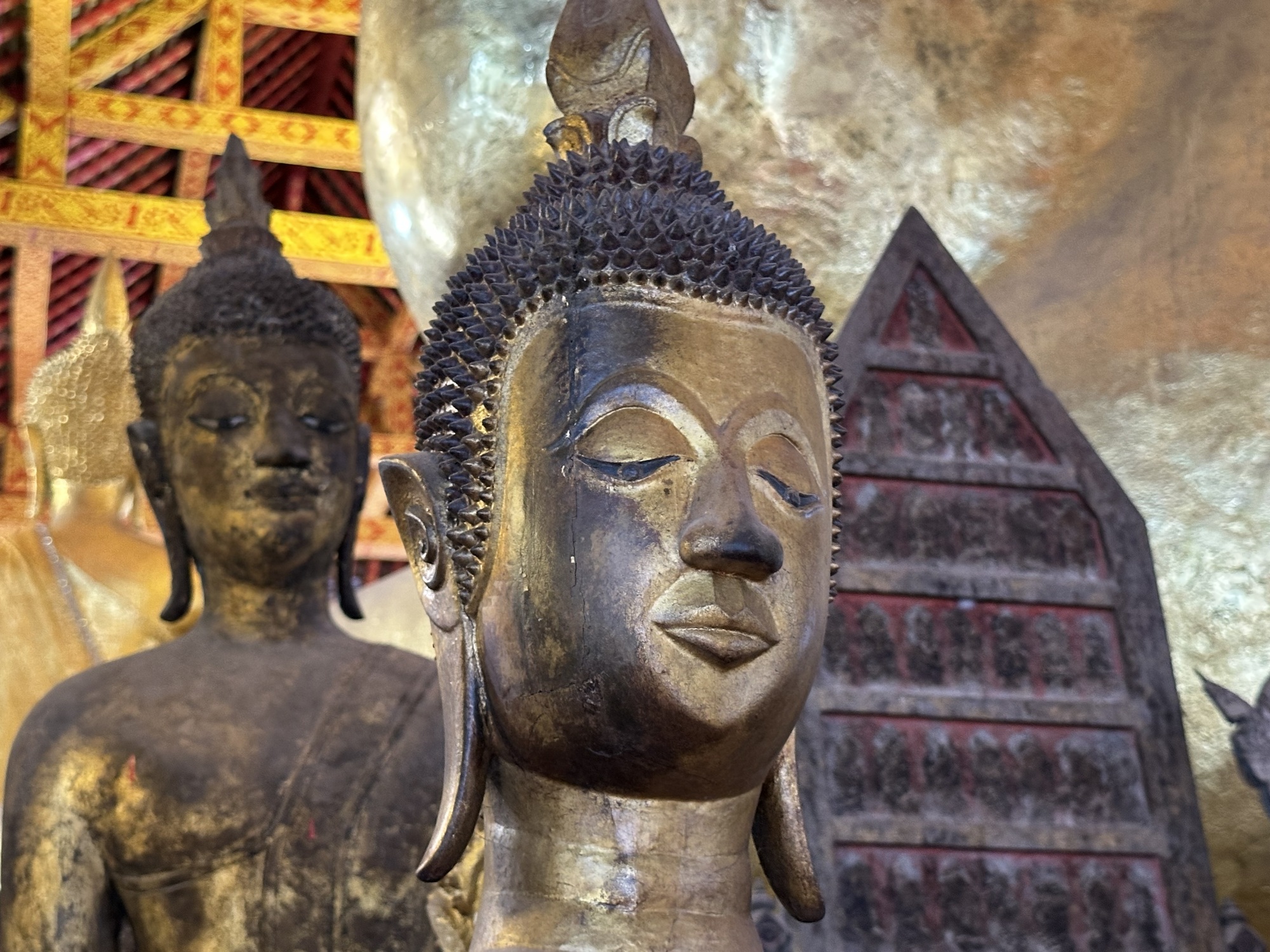
One temple in Luang Prabang is one of my favorites not because of the style of the temple but what is inside the temple. And it's not that I take great interest in the central Buddha image or of the paintings or anything else attached to the temple, it's because of the old wooden, mostly standing, Buddha images that are just hanging around in the rear of the temple. They are incredibly beautiful (in my opinion). There are a lot of them and whoever carved them were expert wood carvers. The temple, Wat Wisunarat is of the 16th century but I doubt the Buddha images are that old. I'd guess they are around 100 years old and maybe the oldest are as much as 200 years old. Wood, even teak, doesn't last long in the Lao environment both weatherwise and politically. When I first visited Wat Wisunarat in 1998 the roof was leaking badly and I remember looking in horror as the water dripped from the holes in the ceiling to the faces of the Buddhas. They were literally crying out to be saved. It was very hard for me to witness complete disregard for preservation.
| Heart | 4 | Comment | 0 | Link |
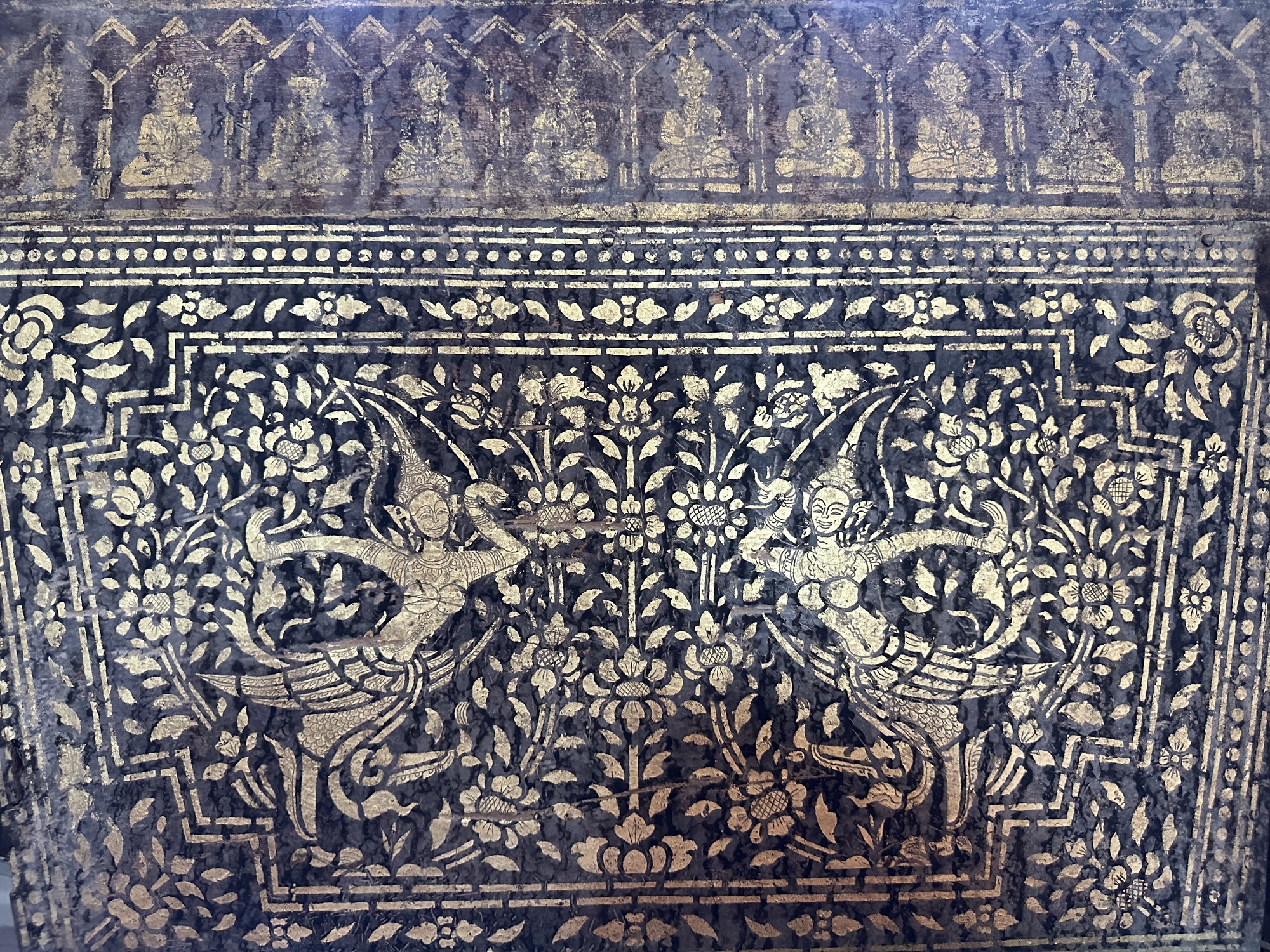
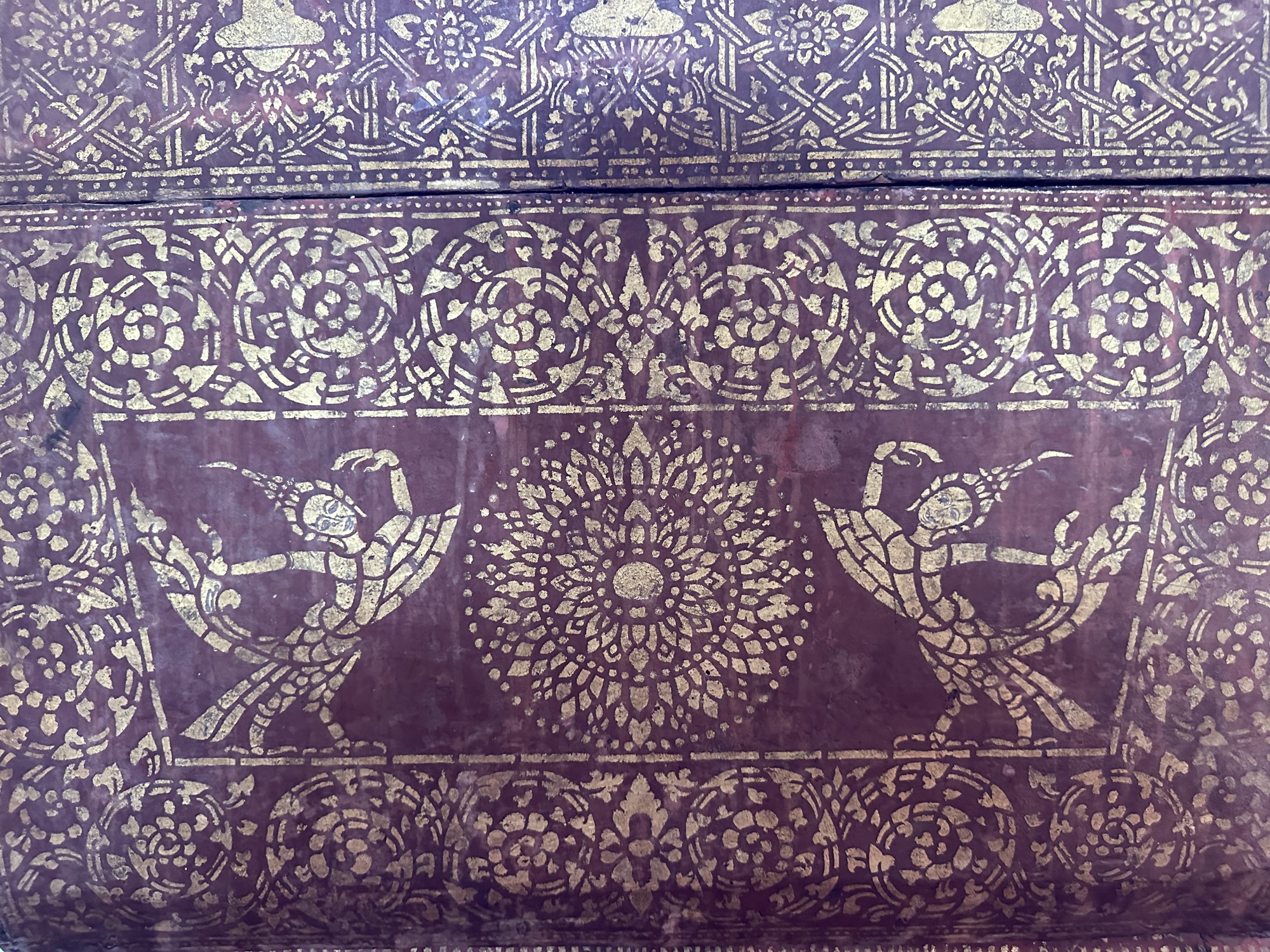
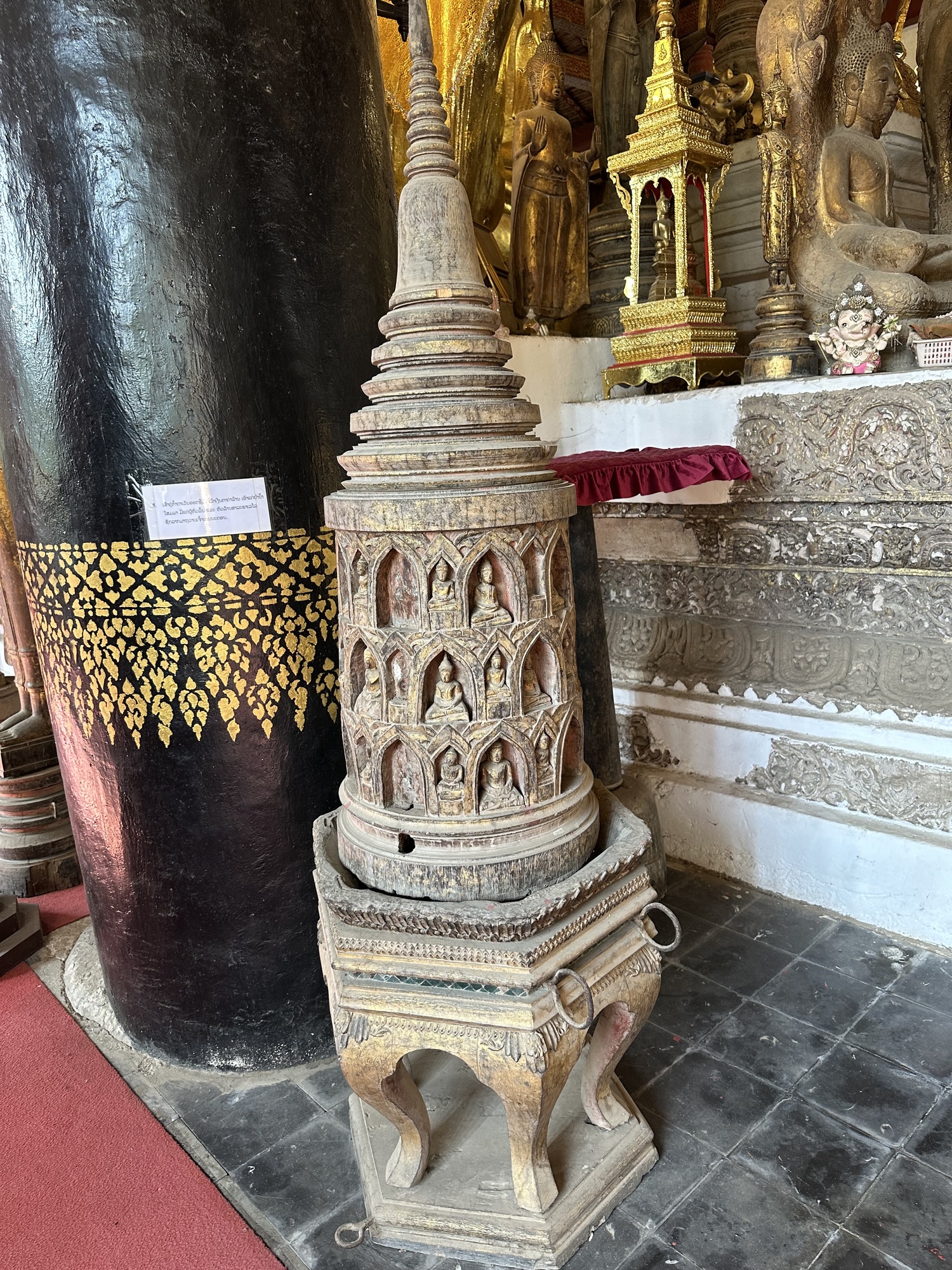
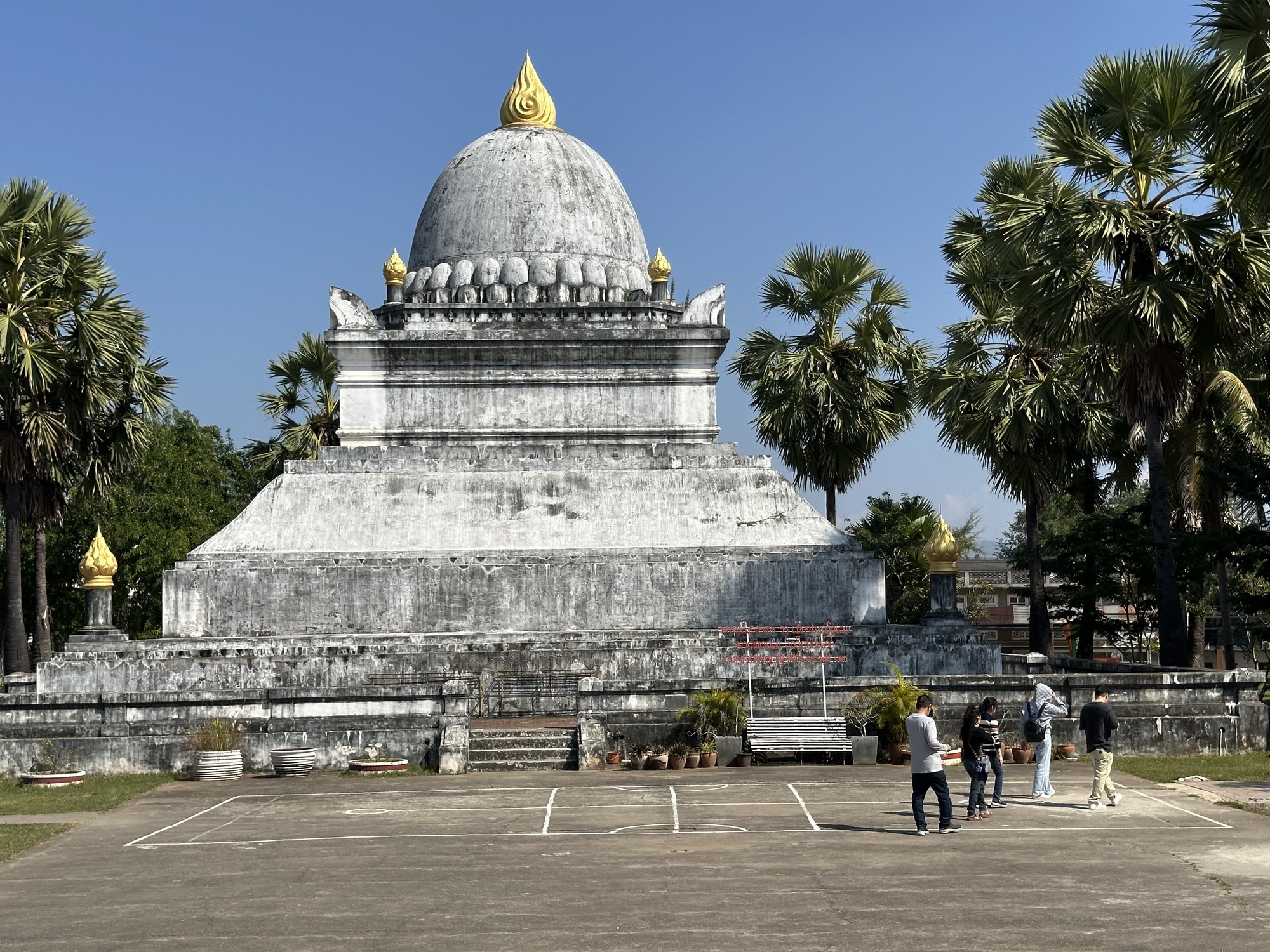
But a few things have gotten better in Laos. The roof of Wat Wisunarat has been replaced and the Buddhas now look quite happy. I never really know what goes on in Laos but there are now twice or three times more standing (life size) wooden Buddhas as the last time I visited them. The ones that were in bad shape are not housed there anymore so there must be another building where they are kept. Or, the guys in charge of everything in Laos have them in their luxurious homes. Who knows. All I know is that when I went to visit the Buddhas this time they were looking good, and I was relieved. I took a bunch of photos so I'm going to bore those who don't care much for these sorts of things now. Wat Wisunarat is the closest thing to a museum that Laos has.
lovebruce
| Heart | 4 | Comment | 0 | Link |
| Heart | 2 | Comment | 0 | Link |
| Heart | 4 | Comment | 2 | Link |
Next time I'm there (in fear), hopefully I'll remember to look this up in my screenshots. 🌝☮️
1 month ago
1 month ago
| Heart | 4 | Comment | 0 | Link |
| Heart | 4 | Comment | 0 | Link |
| Heart | 3 | Comment | 0 | Link |
| Heart | 4 | Comment | 0 | Link |
| Rate this entry's writing | Heart | 10 |
| Comment on this entry | Comment | 0 |