January 24, 2026
Day 26: Chichen Itza to Valladolid
| Heart | 0 | Comment | 0 | Link |
Every day here has been amazing, but this was one of three that were planned with birding tours, that would make them stand out. And yes, as we look back over the day, having come from our mandatory Chinese dinner and coco ice cream in the Valladolid square, we are still blown away by how great it was this morning in Chichen Itza.
We started with a 5:30 a.m. wake up, so we could cycle to our 7:00 a.m. meeting with a guide at Hacienda Chichen. Hacienda Chichen is one of the more lush and gorgeous places to be found. Here is a little of the back story:
The name of this colonial hacienda comes from its location, as the archaeological zone of Chichén Itzá was part of its grounds. However, the hacienda itself was destroyed and abandoned in 1847 due to the Caste War.
In 1894, Hacienda Chichén was purchased by Edward Herbert Thompson, an archaeologist and the United States consul in Yucatán, who was fascinated by the structures he found in Chichén Itzá.
Thompson dedicated himself to the restoration of the hacienda and ordered the construction of rustic cabins to accommodate the archaeologists who came to conduct research in the archaeological site. Since 1923, these cabins served as a base for the first archaeological expeditions in this area, which lasted for several decades. In the 1940s, Thompson's heirs sold the hacienda, which was then acquired by the Barbachano family and later transformed into a hotel. In the 1990s, as environmental awareness began to establish itself as a global trend, Belisa Barbachano, freshly graduated in Sociology and Art History returned to Yucatán from abroad. Her return led her to rediscover the natural beauty of her homeland and recognize the urgent need to preserve it. It was then that she decided to take the reins of her grandmother's hacienda, who deeply loved the place and its unique nature. Driven by a strong commitment to ecological preservation and support for the Maya community, Belisa, together with her husband Bruce, started the process of transforming the hacienda into a pioneering sustainable hotel in Yucatán.
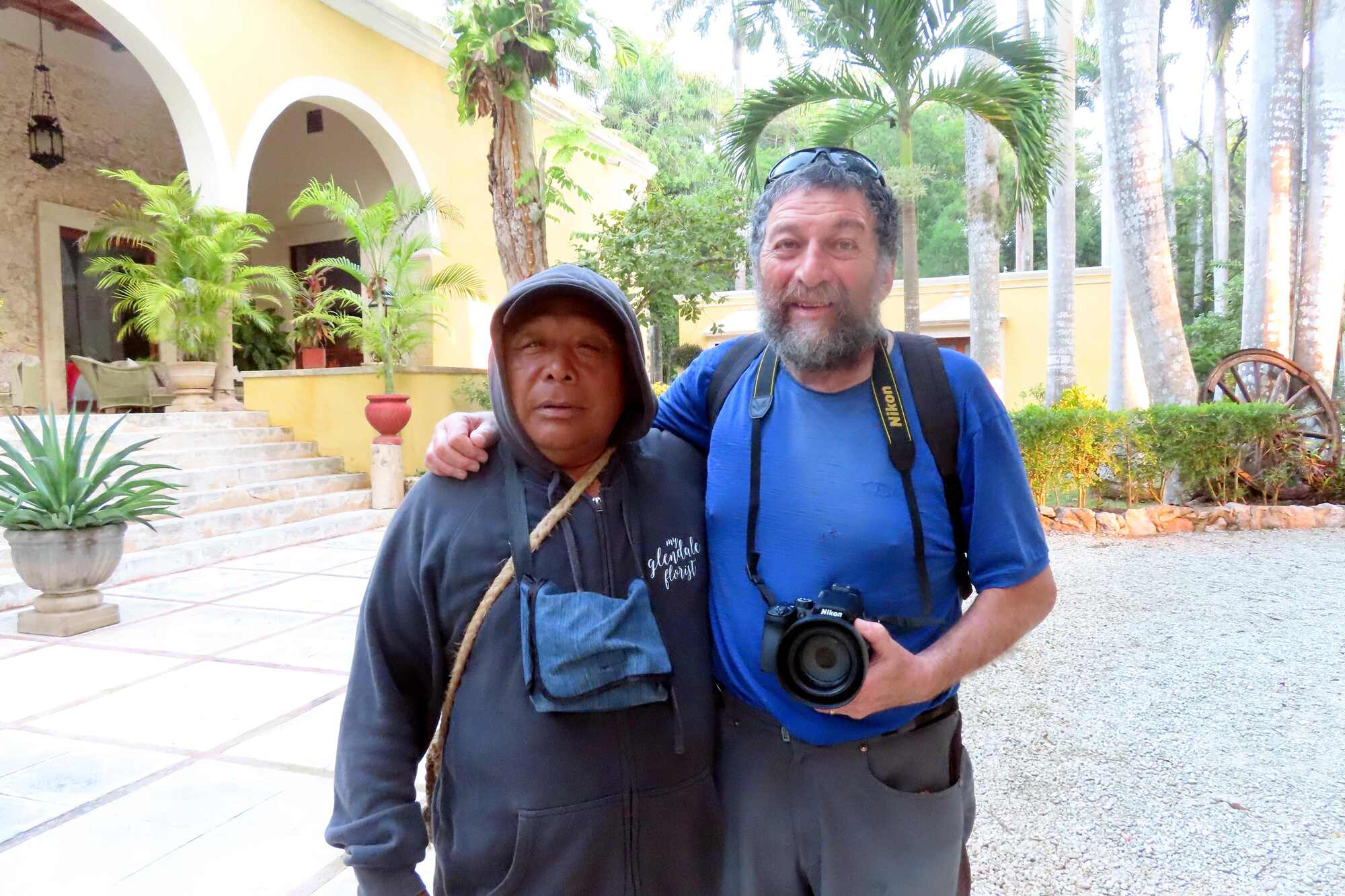
The experience started with being in this wonderful place, and then it was amplified by our guide, Viviano. Viviano was not only a fully fledged Mayan, but he recounted that his grandfather worked on the excavation of the Chichen Itza site, beginning at age 12. Viviano had a deep sense of belonging to this site and land, and he had other stories (and songs) about the old days.
Our thing was a one hour walk with Viviano around the grounds, followed by breakfast at the hacienda. We needed to book the breakfast, because you can only buy the tour if you are staying or dining at the hotel.
The walk with Viviano brought home a lesson that we had already begun to learn in Costa Rica, with our guide there, Alex. The sad lesson is that much as we think we have learned about birds in the last two years, even the observant Dodie is no match for a real guide. With a real guide, you can walk an area where you saw nothing, and have all sorts of things instantly pointed out. So it was this time. We had imagined that we would be taken to a part of the property where all the birds were hiding, because another time, when we had basically snuck in, and walked around by the buildings, we had seen virtually nothing. But Viviano just began by walking us down the driveway we had come in on, and oh my!
We had Dodie with her camera to document the story of this, and me with the big camera, desperately trying to focus up into the trees. Let's set out with both of these for a bit:
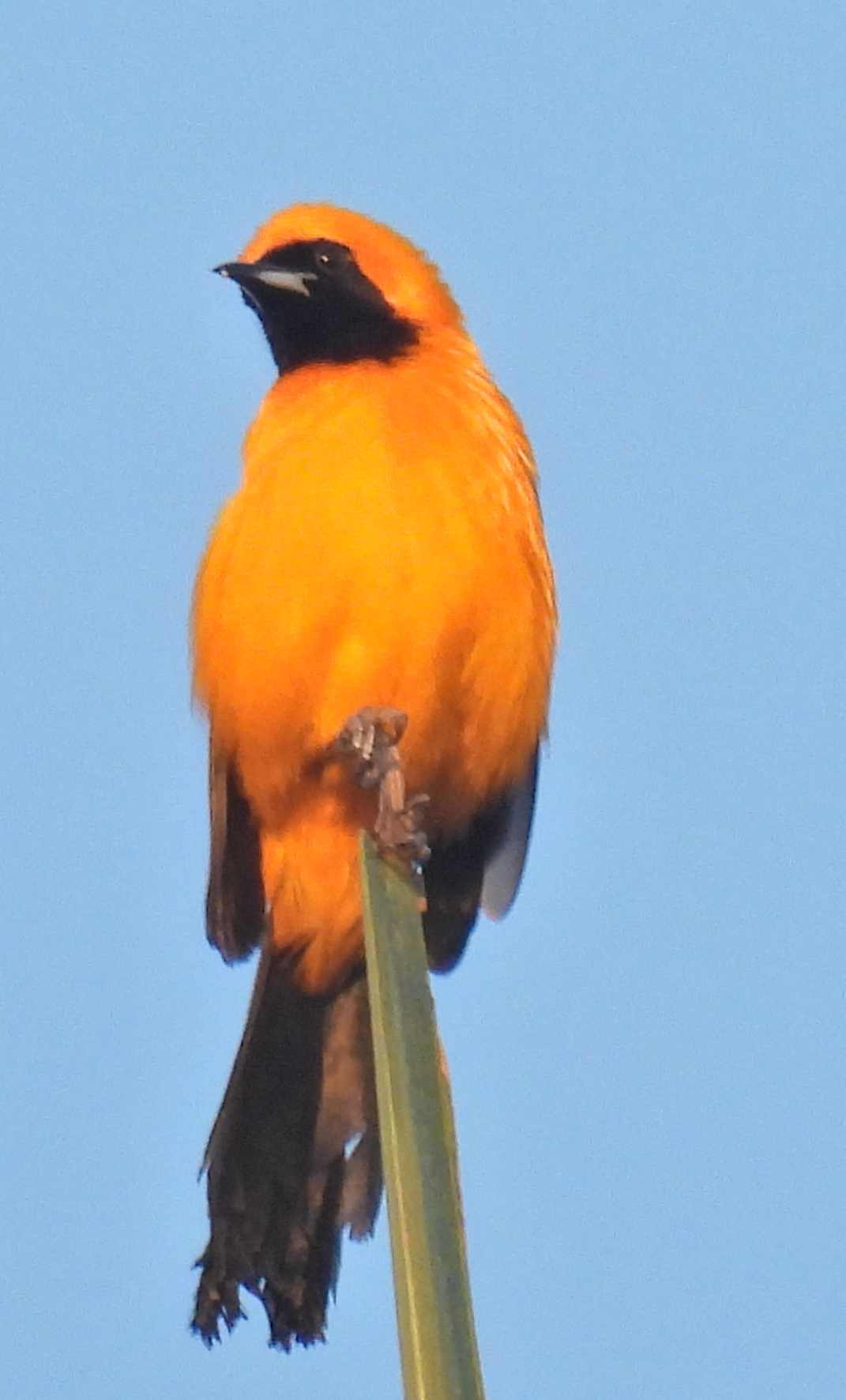
Right off the bat, here was an Altamira Oreole, high in a tree:
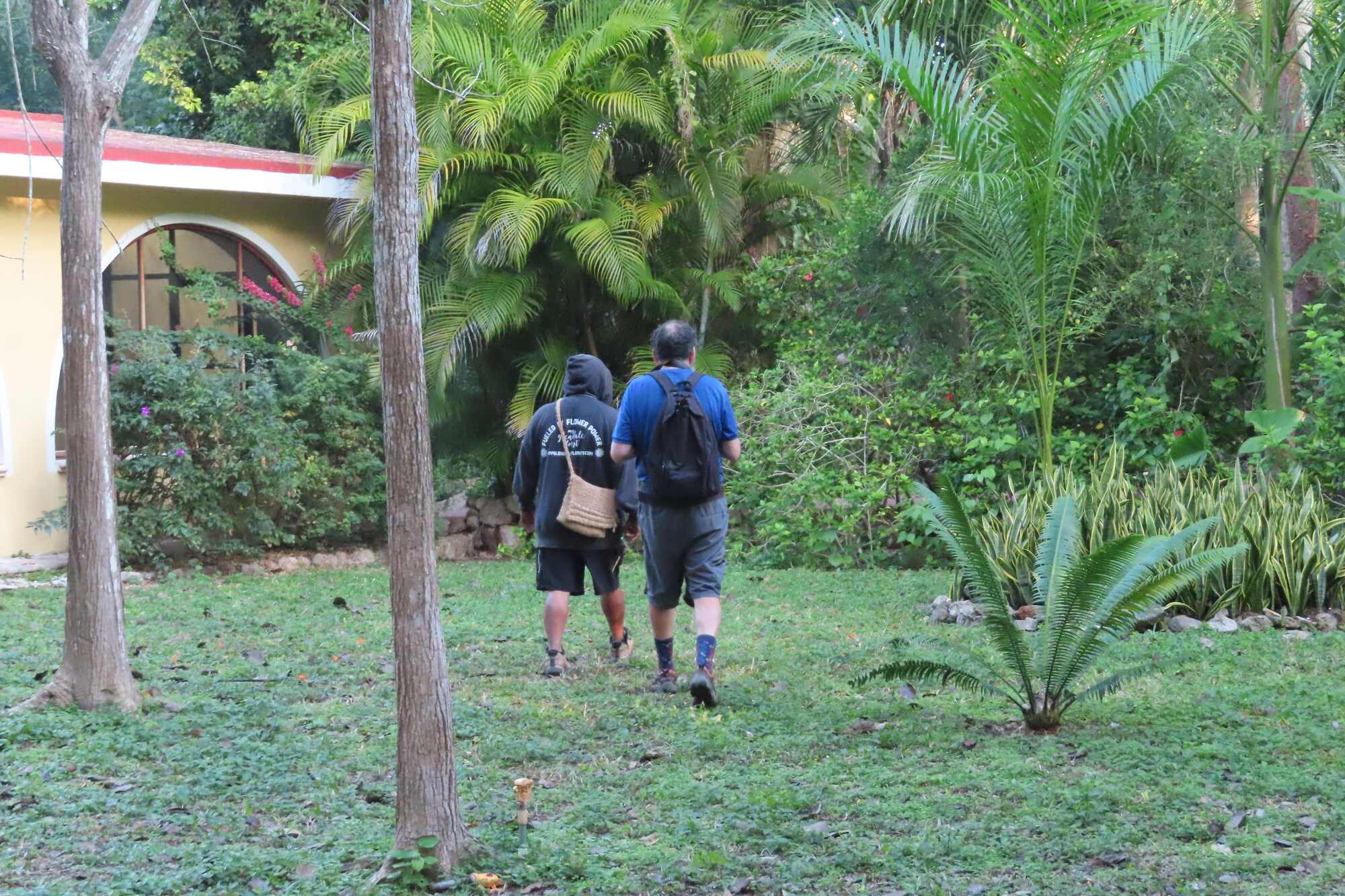
And they were off.
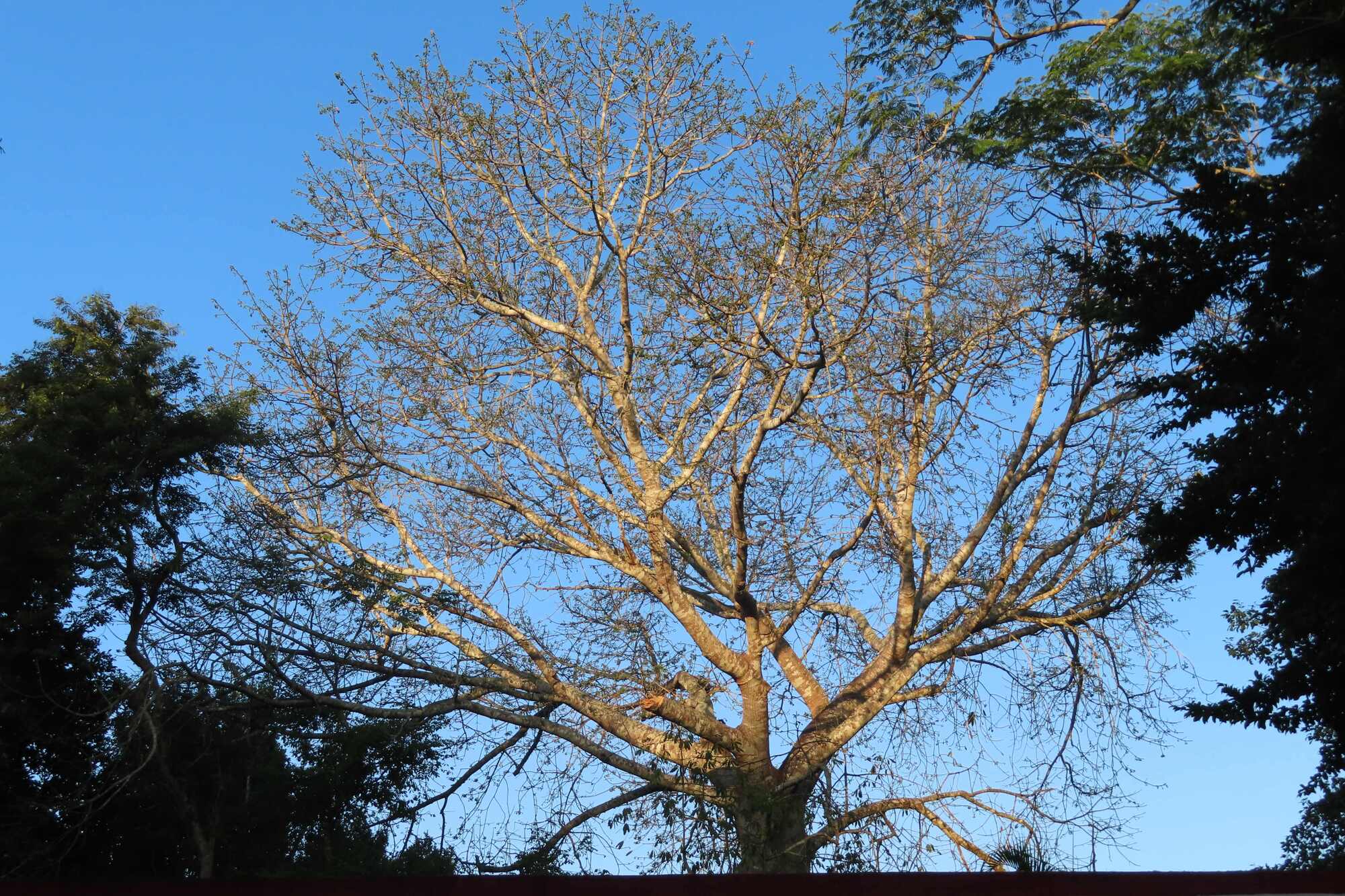
There are many huge trees on the property, many are the Ceiba, the Mayan tree of life, but there are Acacias, and many others.
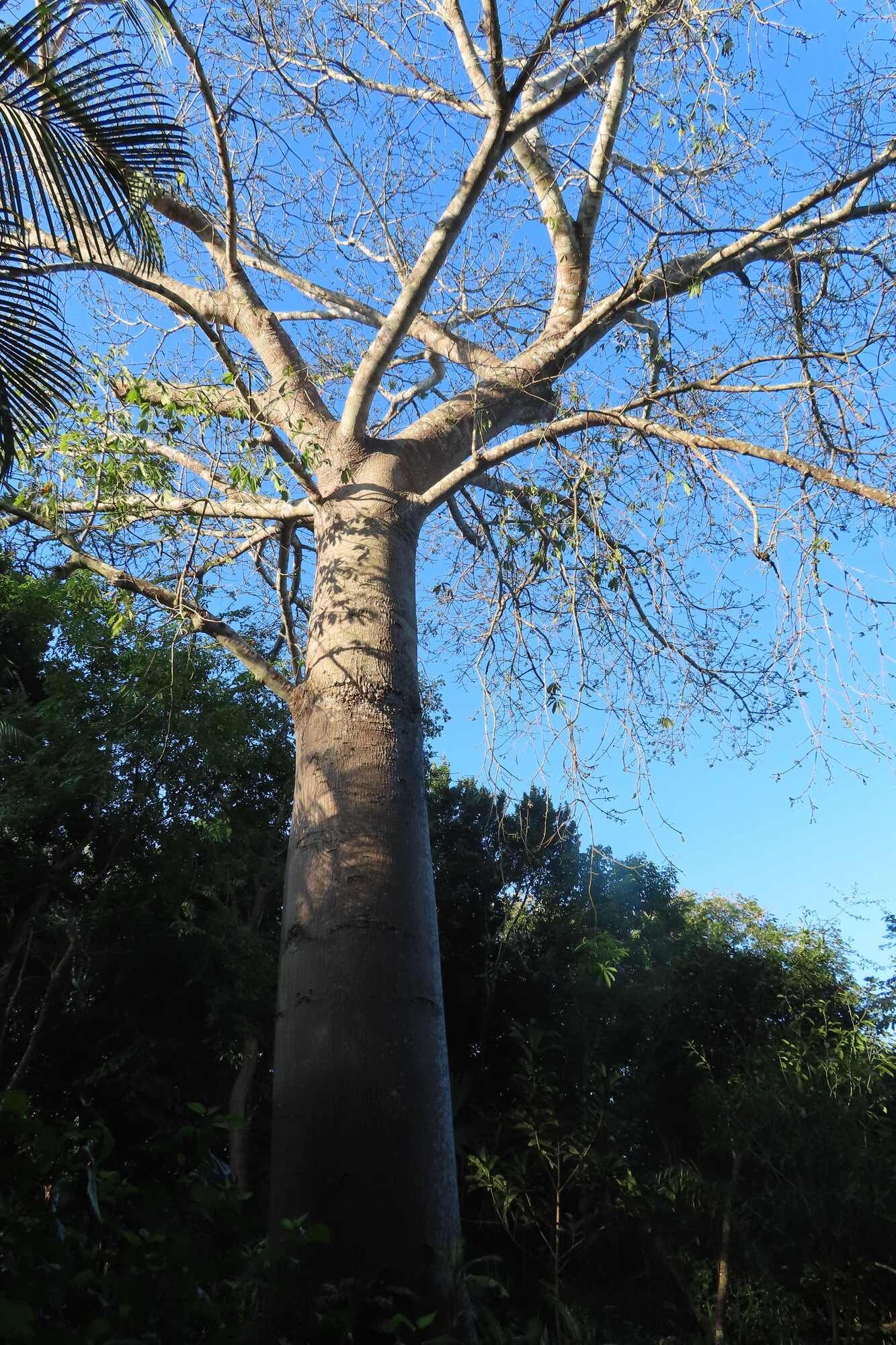
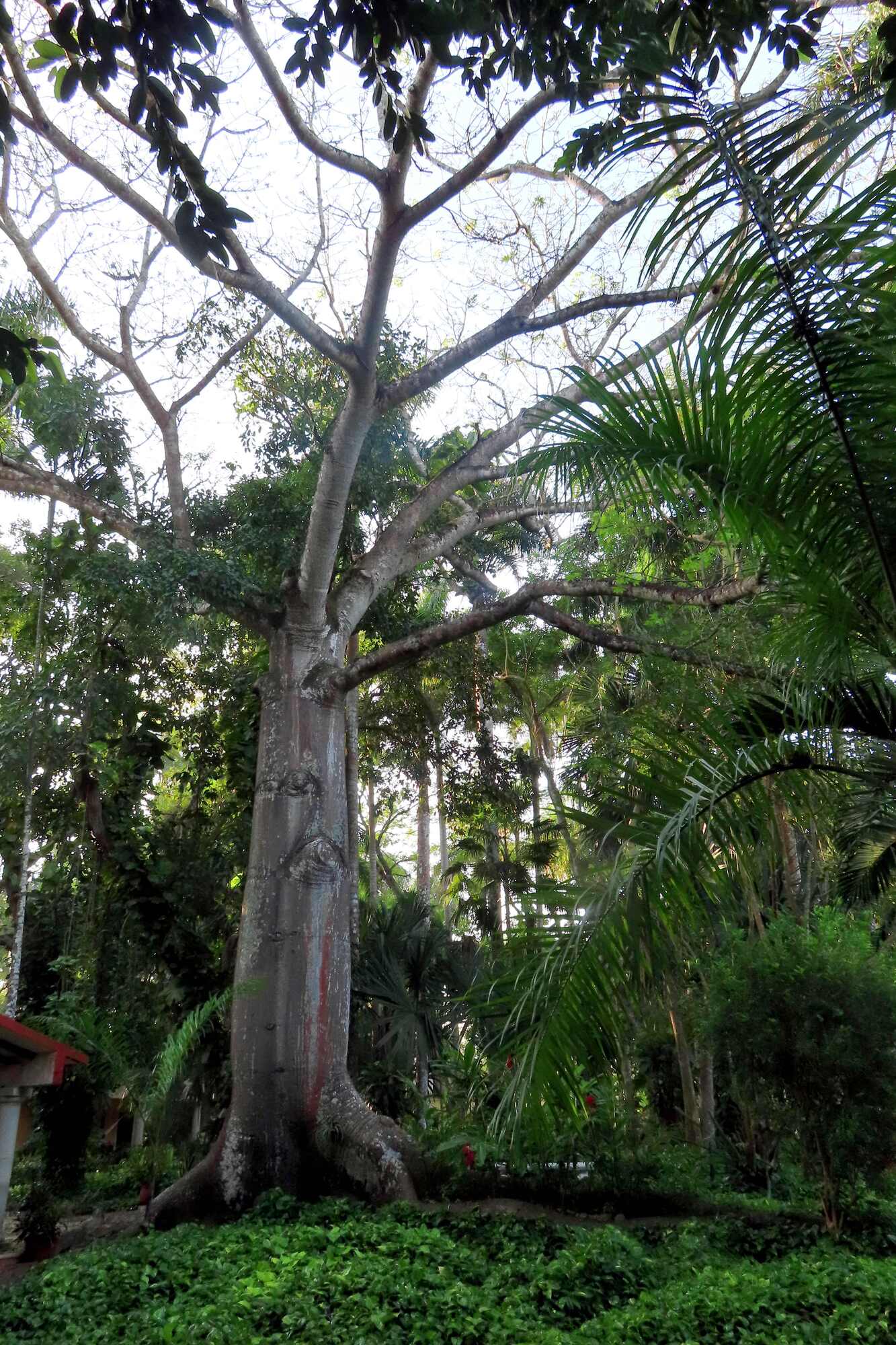
All of these are good spots for birds, of course, but our next bird was a little lower:
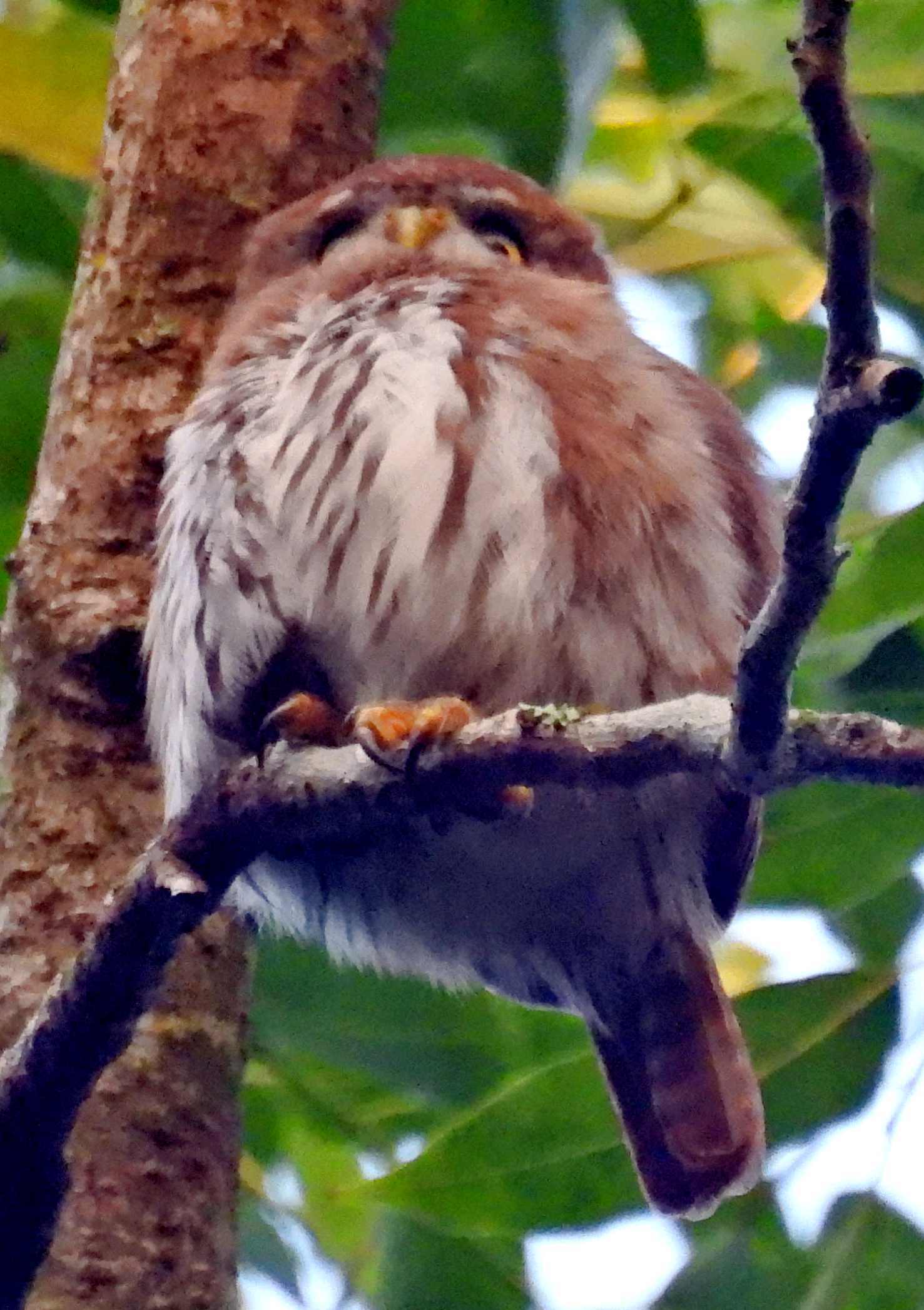
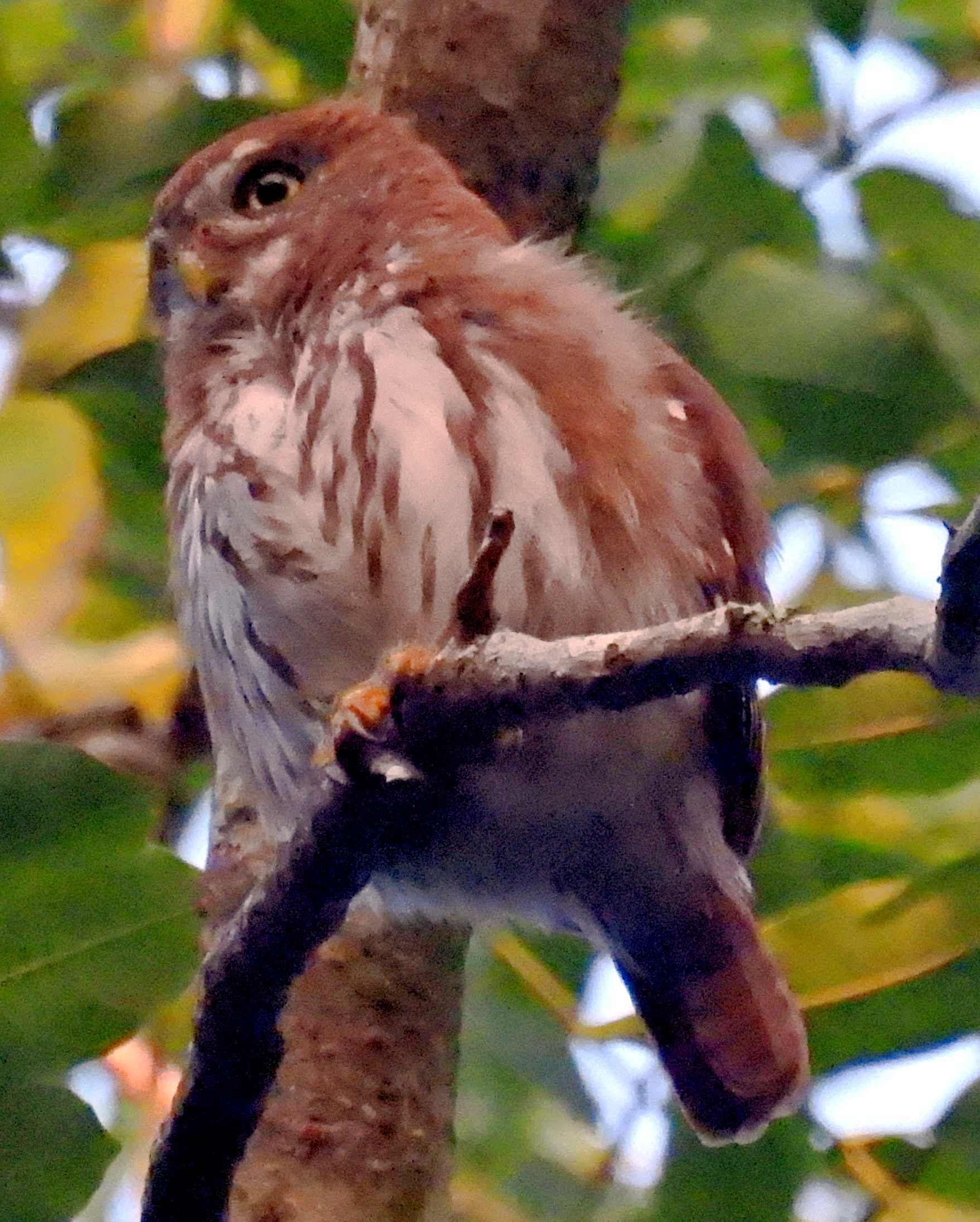
Viviano described the role of the owl in Mayan culture. Only he did not tell it as "this is the story the culture has for this", rather he told it as "this is how it is". AI tells it like this:
In Mayan culture, the pygmy owl was revered as a symbol of wisdom, a messenger of the underworld, and a spiritual guide associated with knowledge, mystery, and death. It often appeared in myths and art as a counsellor or intermediary between humans and divine forces.
🦉 Symbolism of the Owl in Mayan Culture
- Wisdom & Knowledge: Owls, including the pygmy owl, were seen as embodiments of intelligence and insight. They often served as advisors in myths, guiding rulers or deities with their foresight.
- Messenger of the Underworld: In Mayan cosmology, owls were linked to the afterlife. Their nocturnal nature made them natural symbols of death, darkness, and communication with spirits.
- Court Counsellor: A popular Yucatec Maya myth describes the owl as the wise counsellor to the bird-king Tunkuluchú (the peacock). The owl reluctantly attended banquets but was respected for its wisdom and authority.
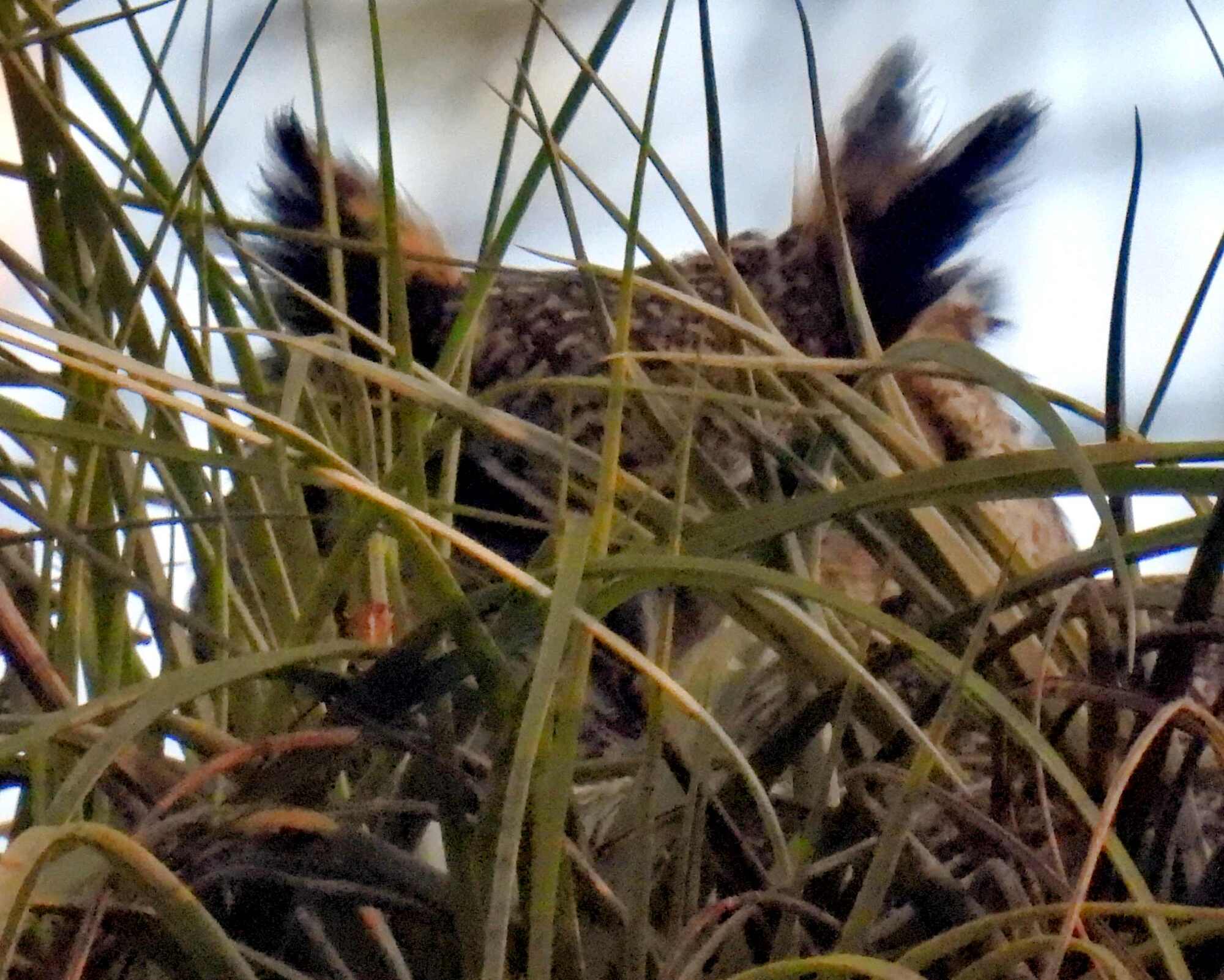
It wasn't long before Viviano turned up another owl - a female Great Horned Owl. It wasn't quite clear whether she is on a nest here:
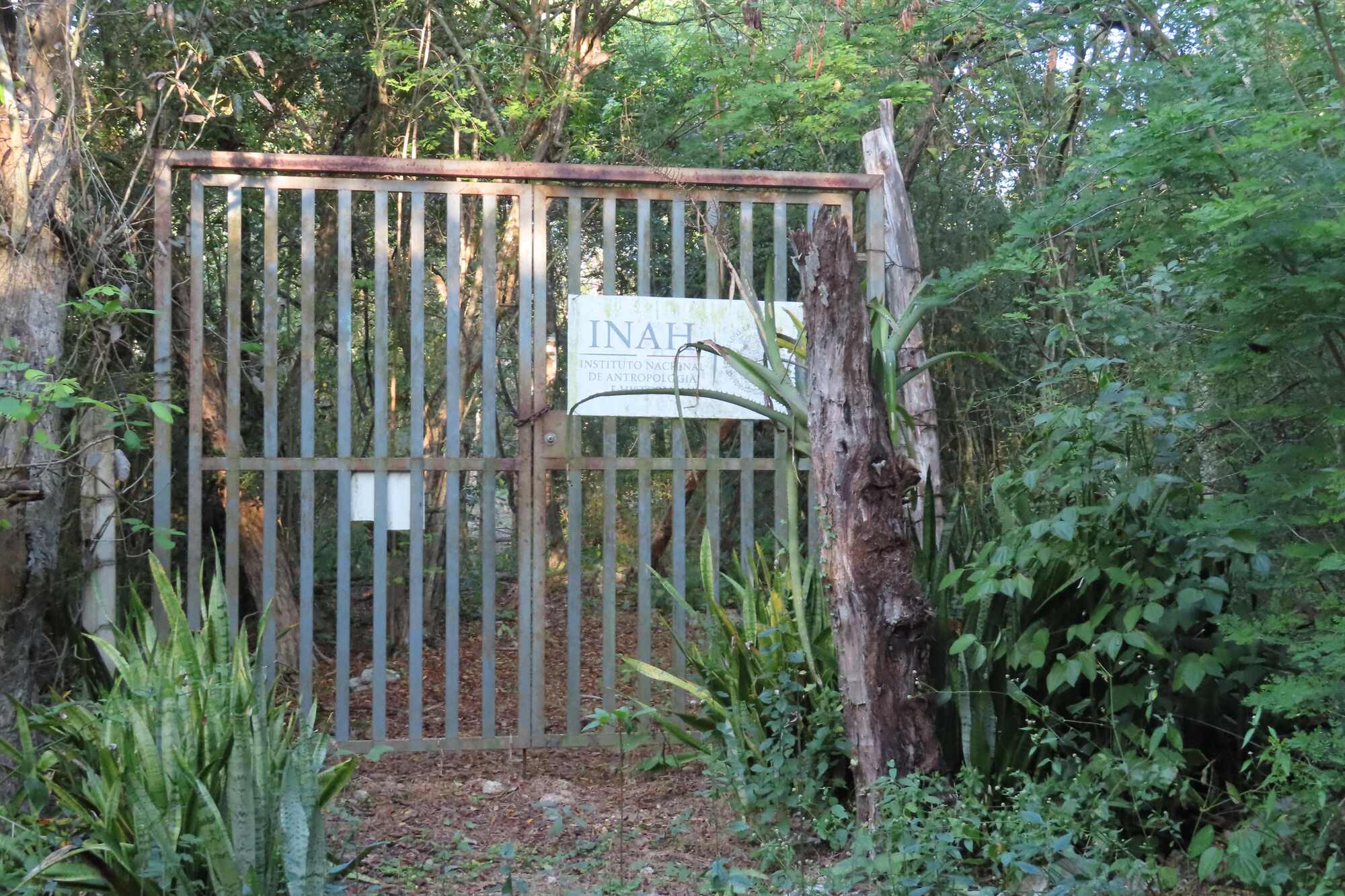
The walk did not penetrate into jungle to spot the birds, it only had to skirt the buildings and gardens. The closest we came was the now locked gate to the actual ruins site. It used to be possible to gain access from the hacienda and through here:
The shots below show just the normal areas, where anyone can go:
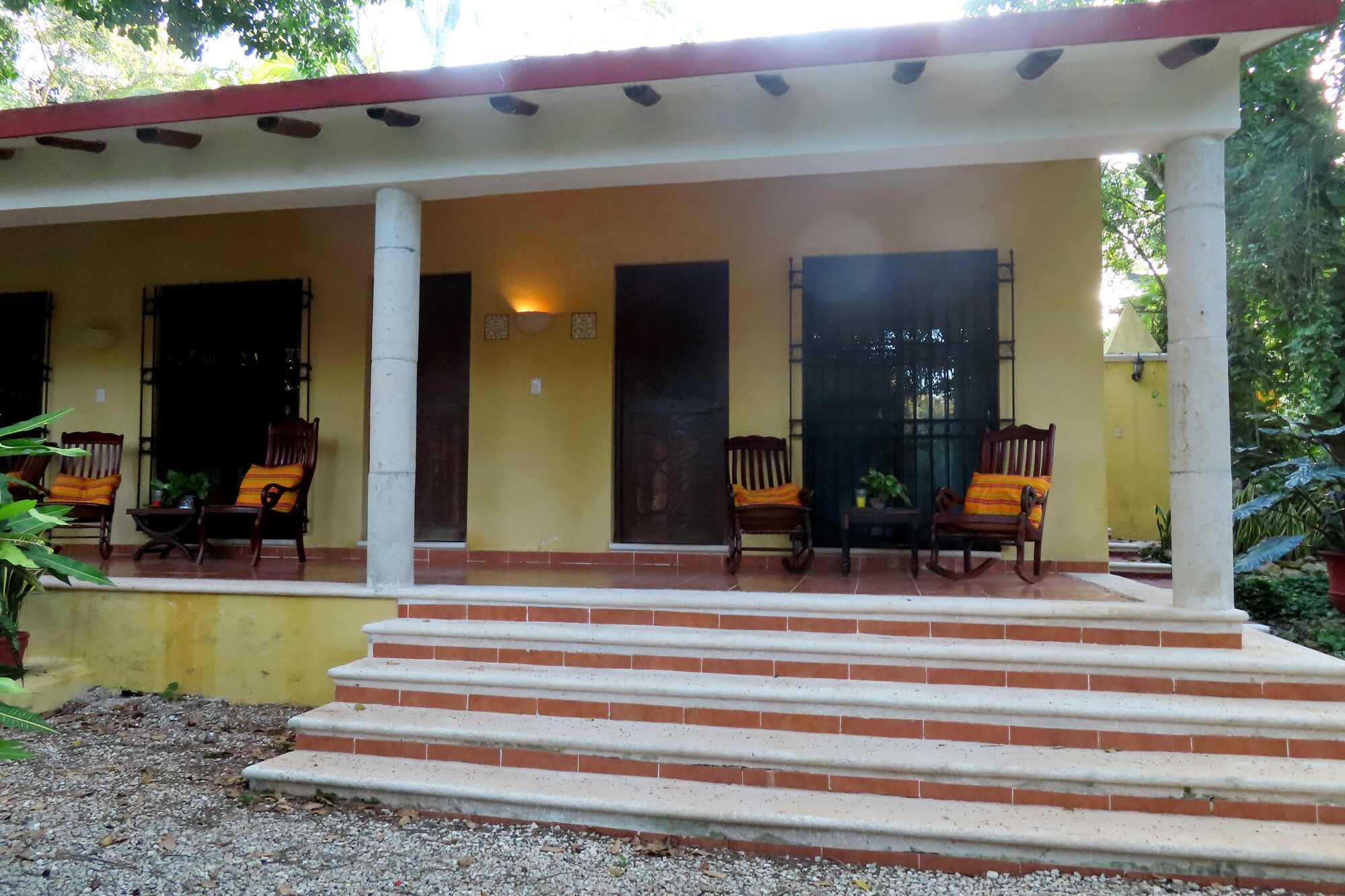
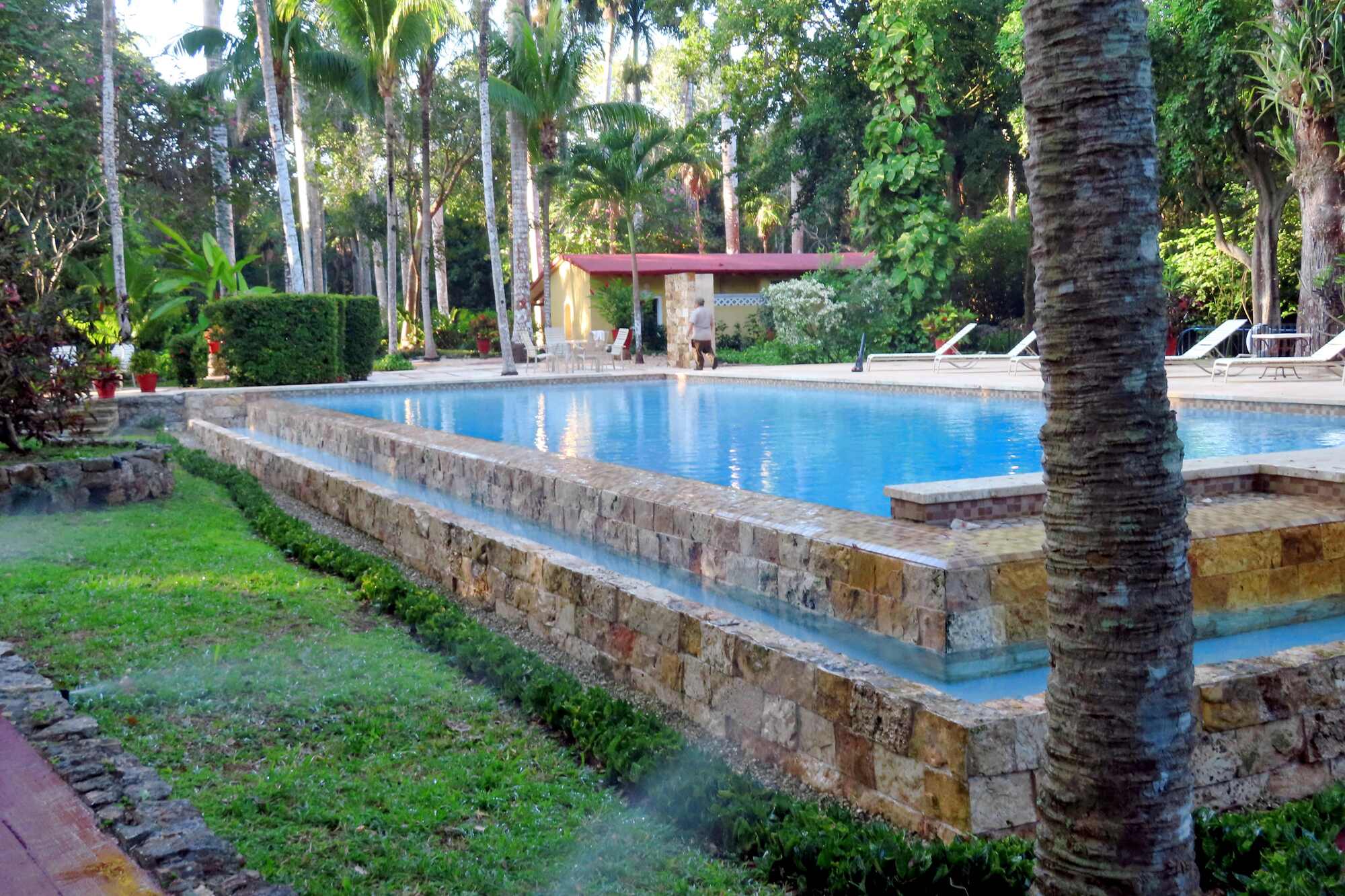
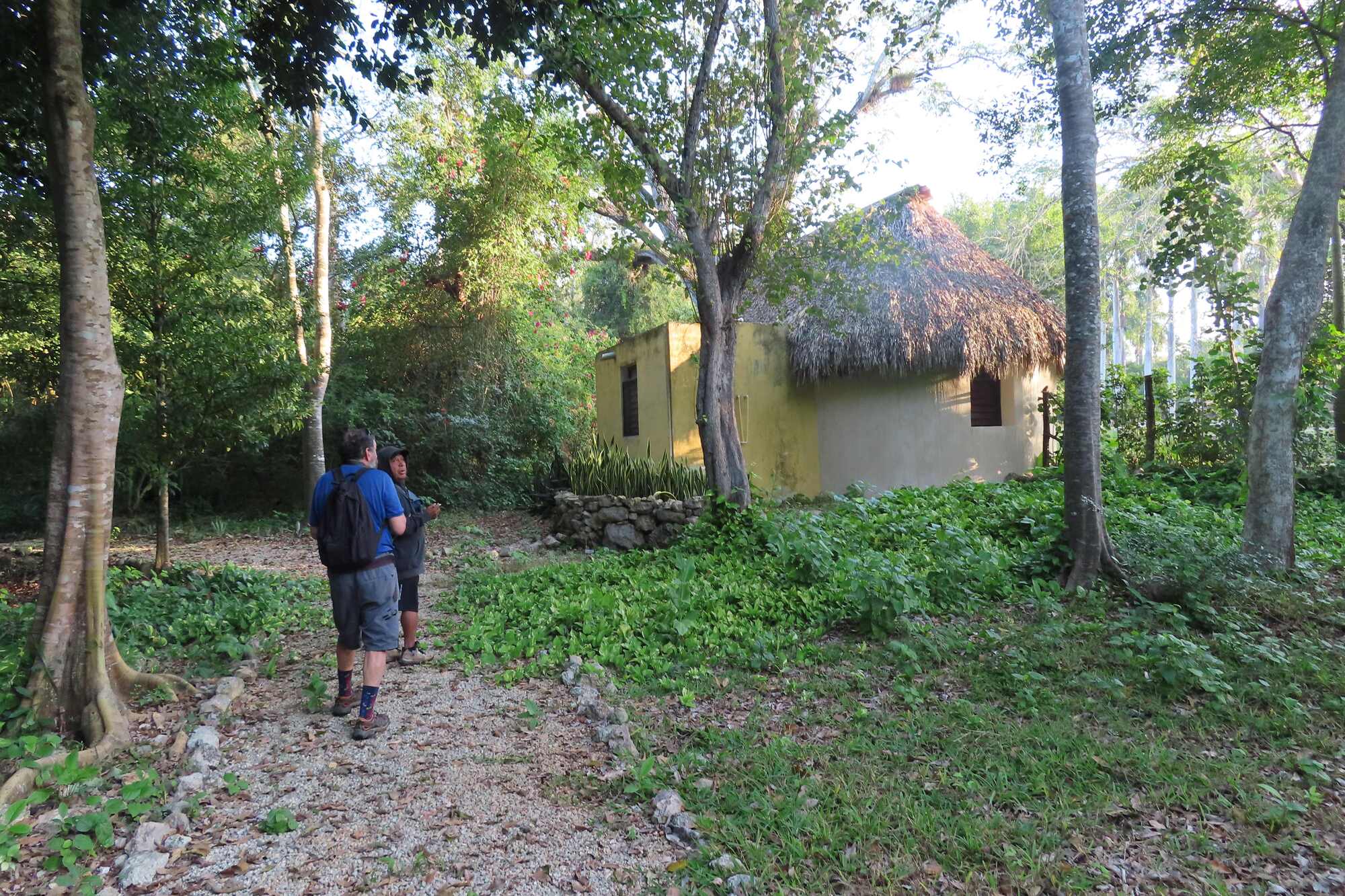
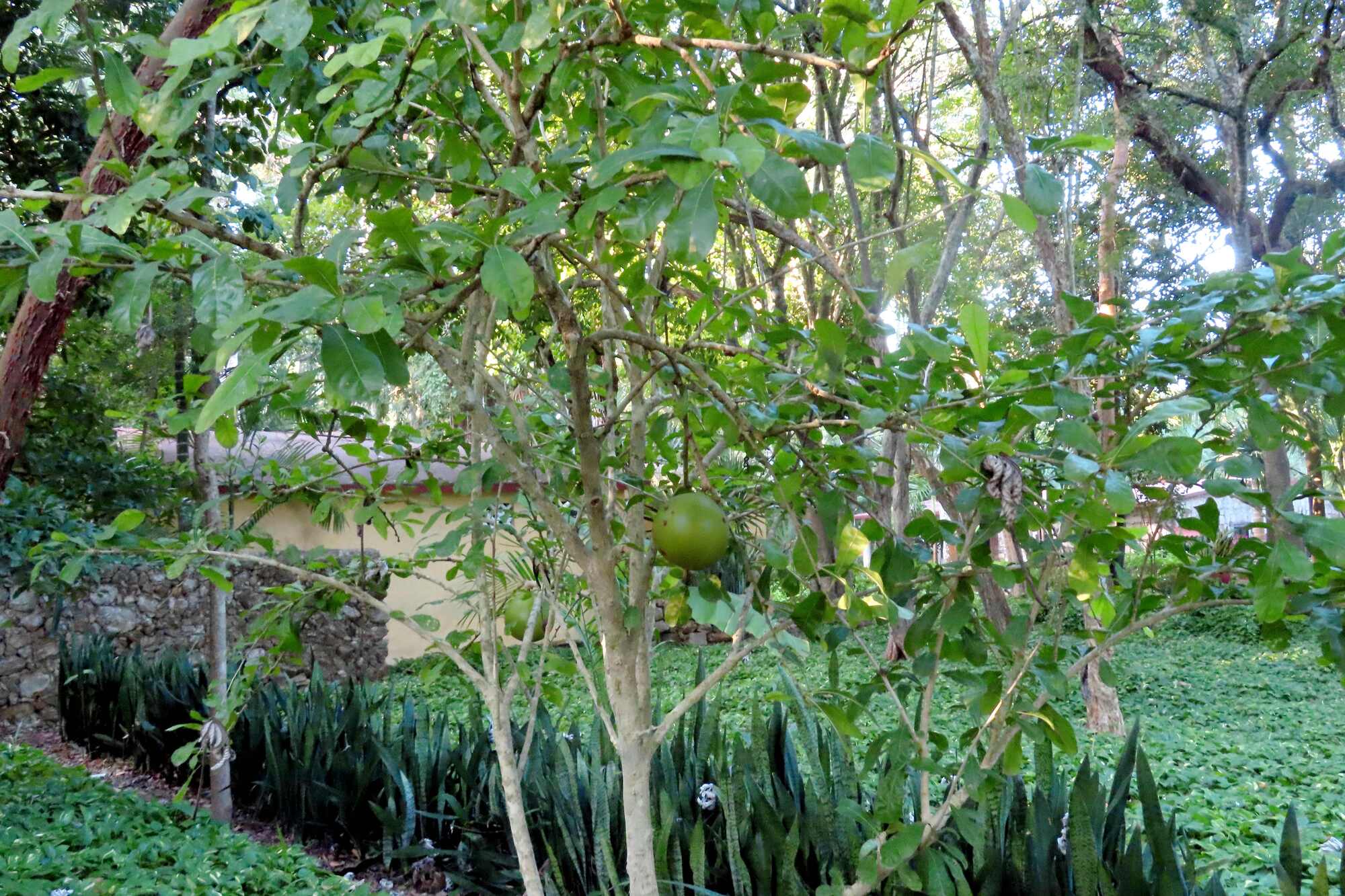
We passed by this rather sparse example of a calabash tree, which has large cannonball like fruits. Viviano told of his grandmother scraping these out for use as bowls. She would sing as she worked, he said, and it took me a while wake up and turn on the video, as he recited her song:
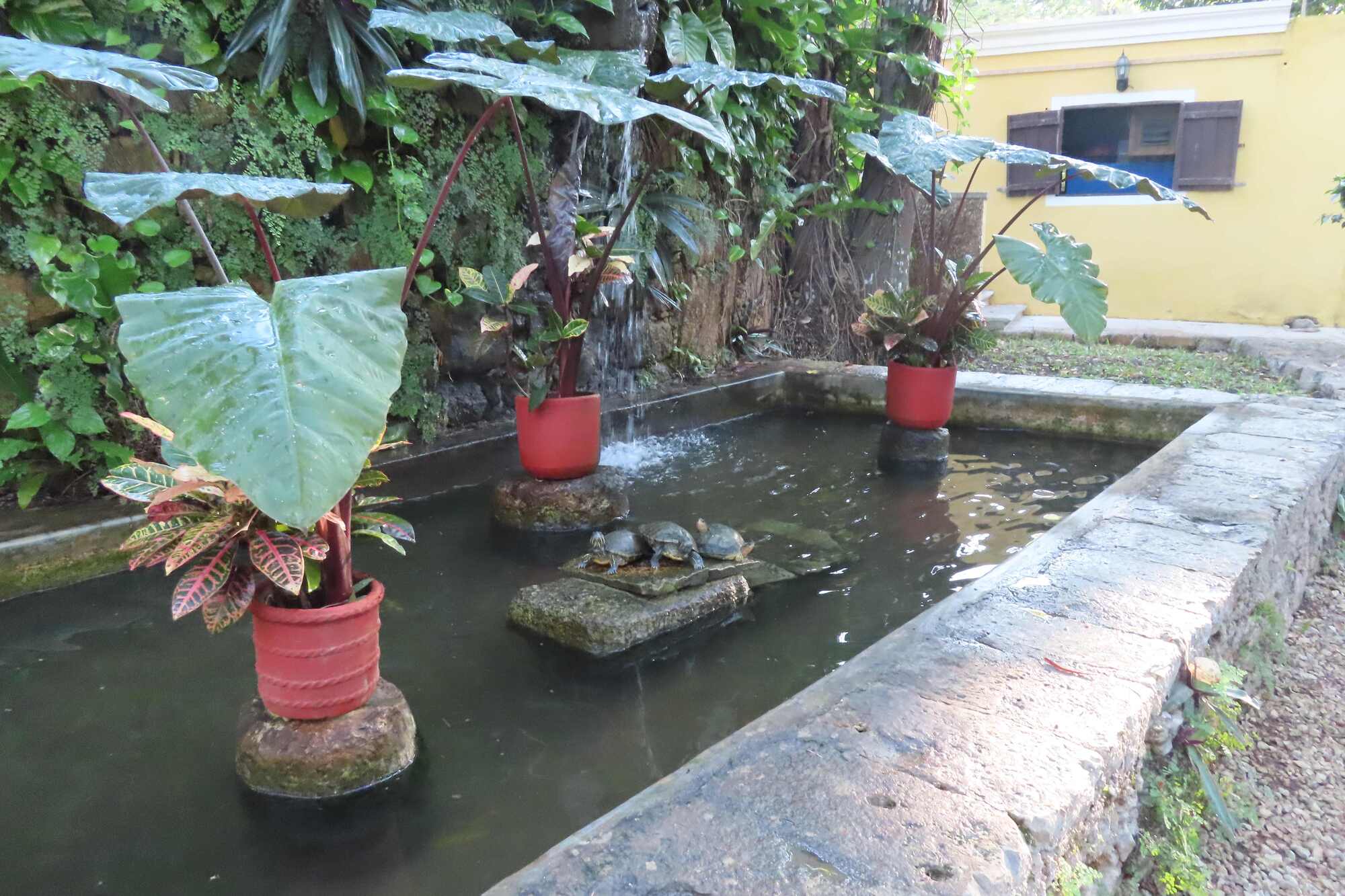
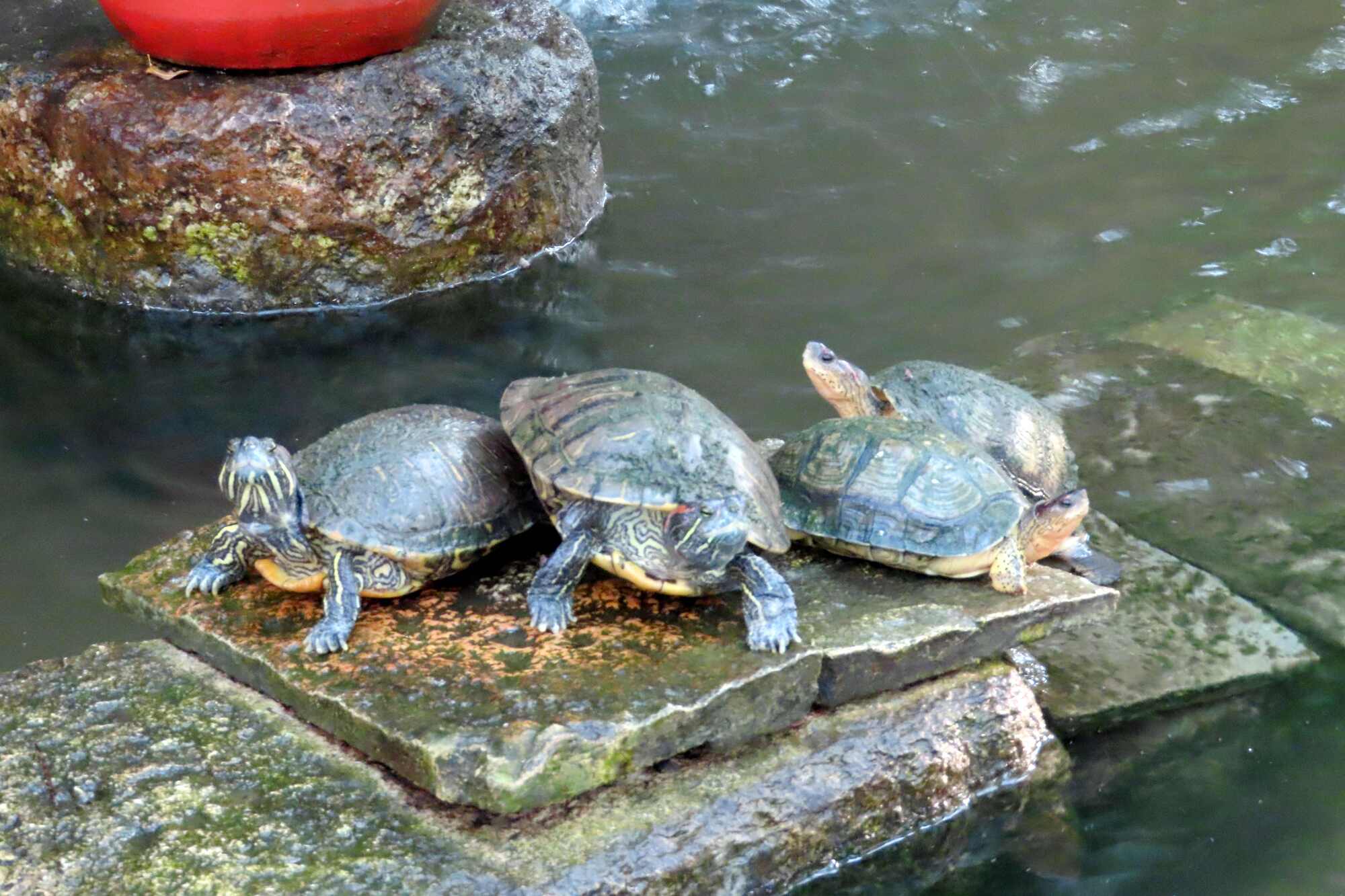
| Heart | 2 | Comment | 2 | Link |
https://www.inaturalist.org/taxa/39783-Trachemys-venusta
The one in the center looks like a red-eared slider.
https://www.inaturalist.org/taxa/51271-Trachemys-scripta-elegans
The 2 on the right might be furrowed wood turtles.
https://www.inaturalist.org/taxa/39941-Rhinoclemmys-areolata/browse_photos
2 days ago
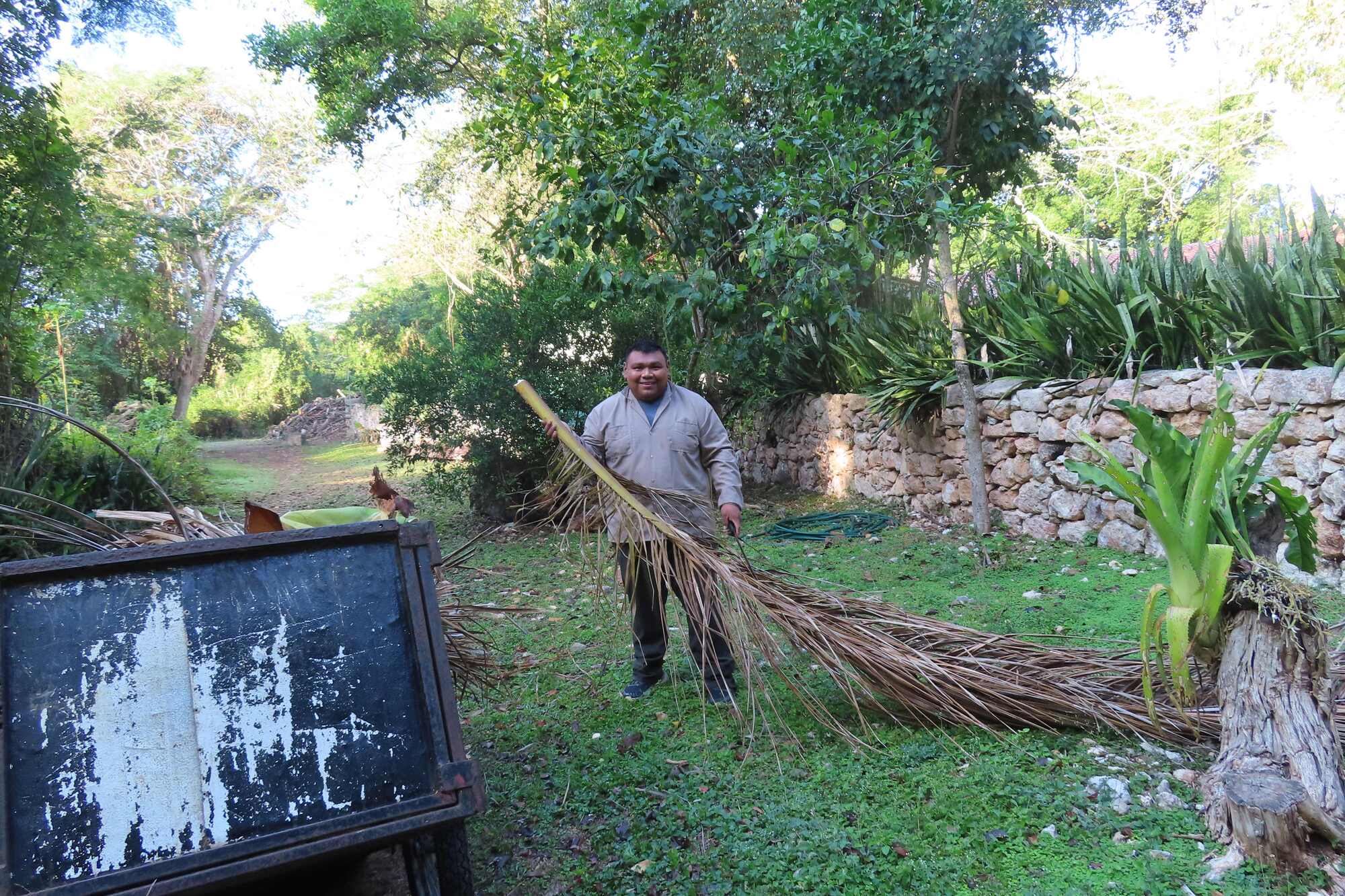
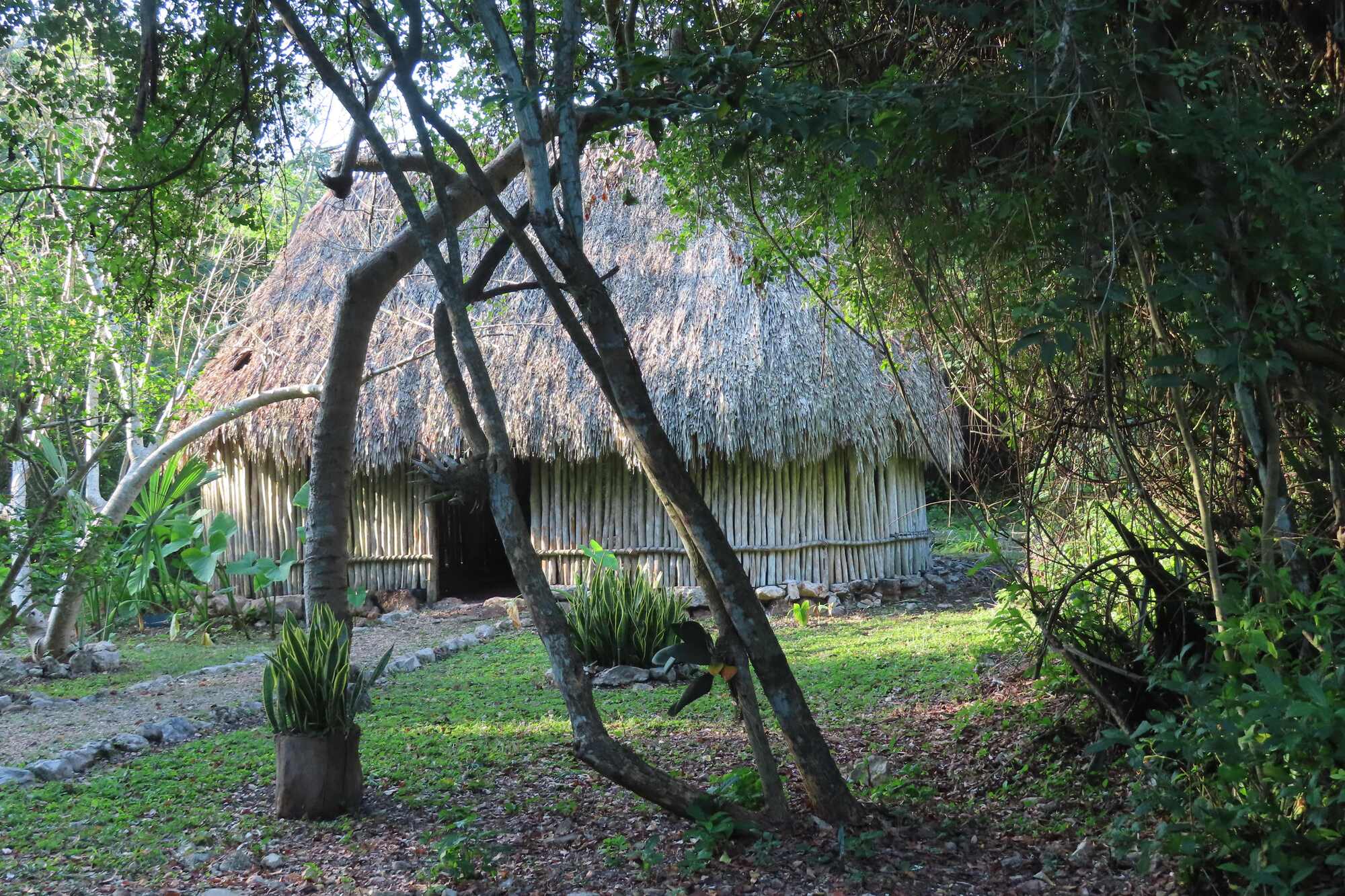
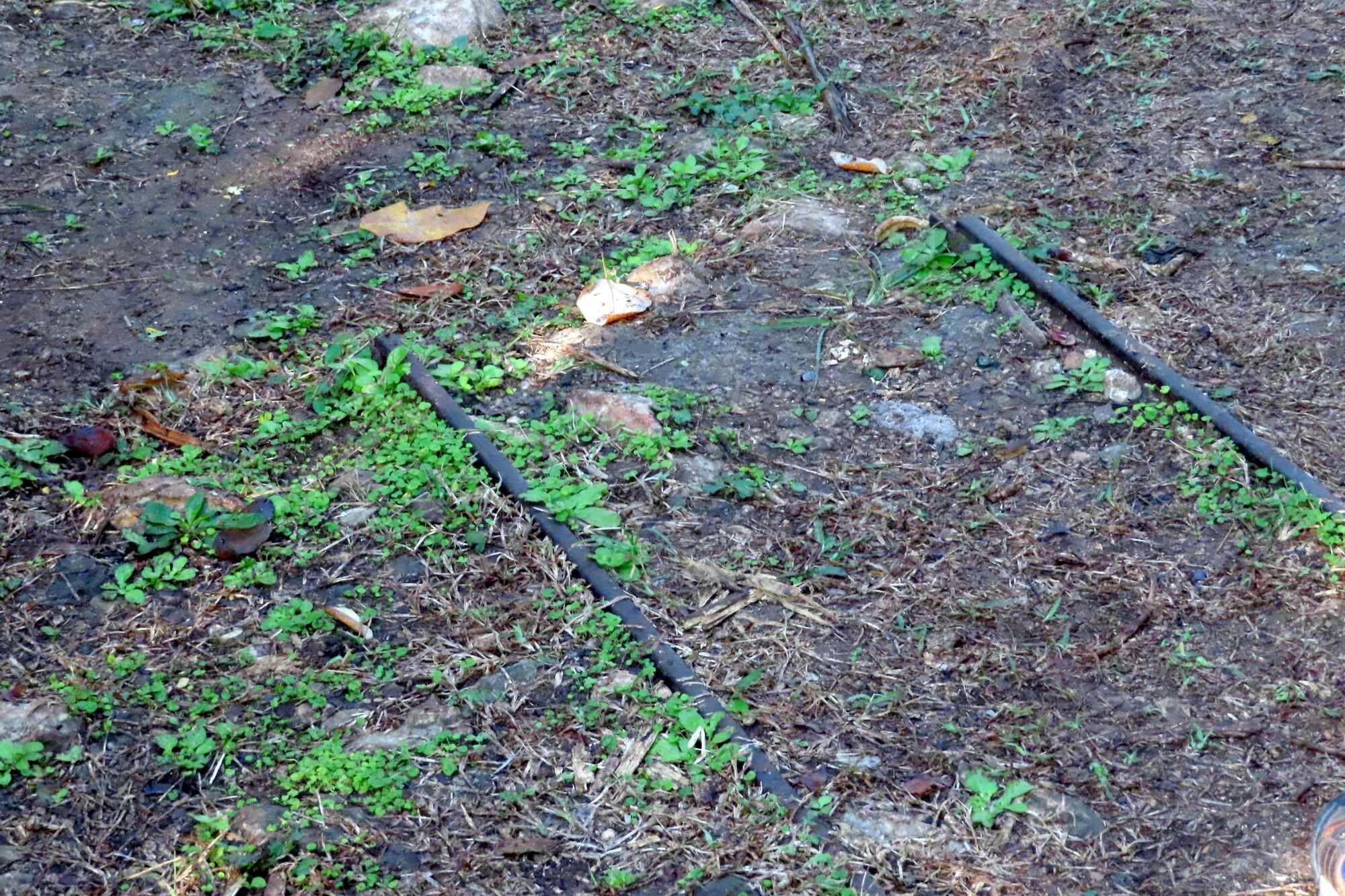
We passed by some abandoned small gauge railroad tracks. Apparently tourists were taken from here to the ruins on horse drawn rail carriages.
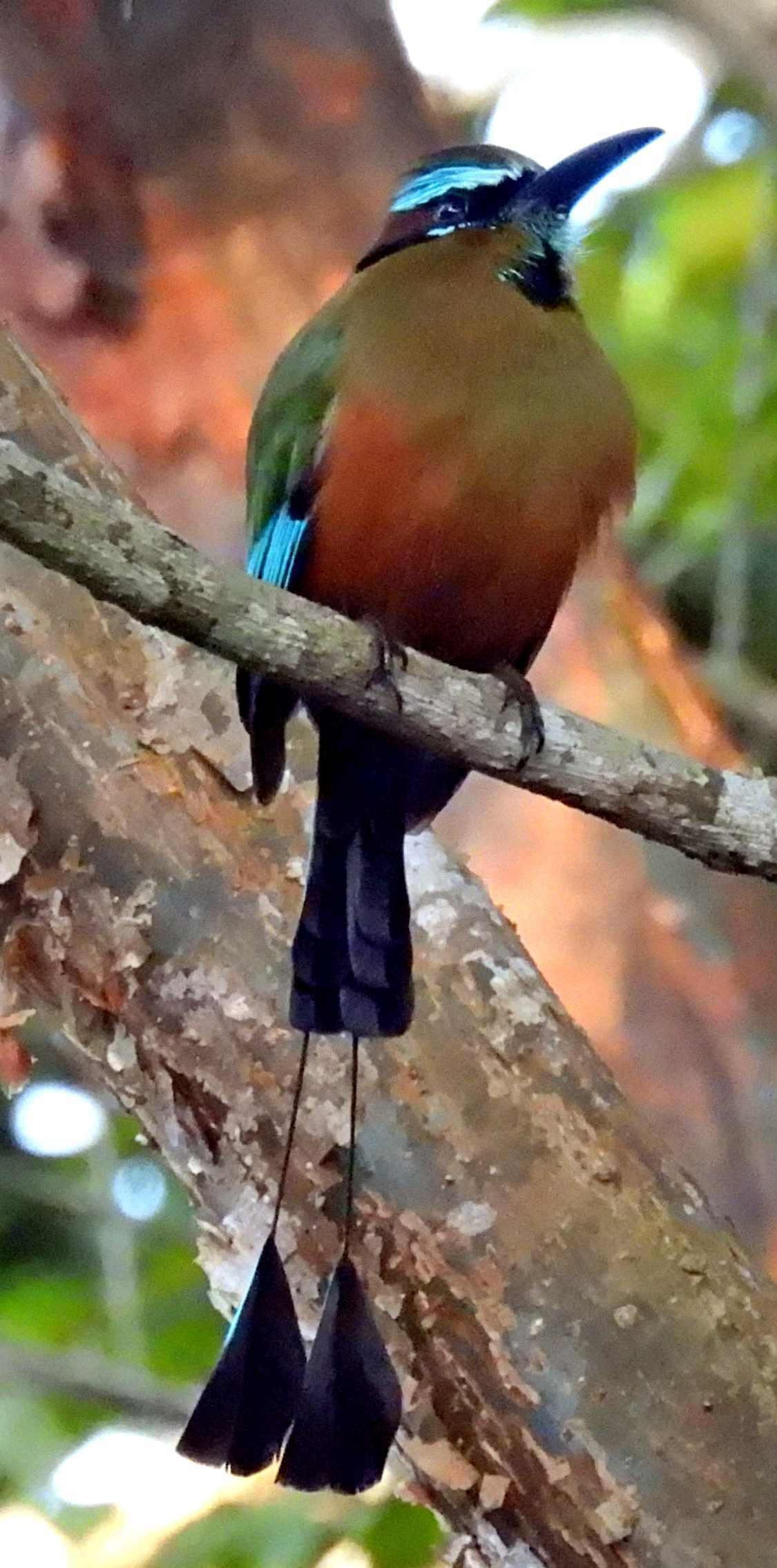
Dodie was actually the next one to spot something - a Motmot. We have been looking for the Lesson's Motmot and Viviano said this was one, but Merlin has overruled him, and we are having to call it a Turquoise Browed:
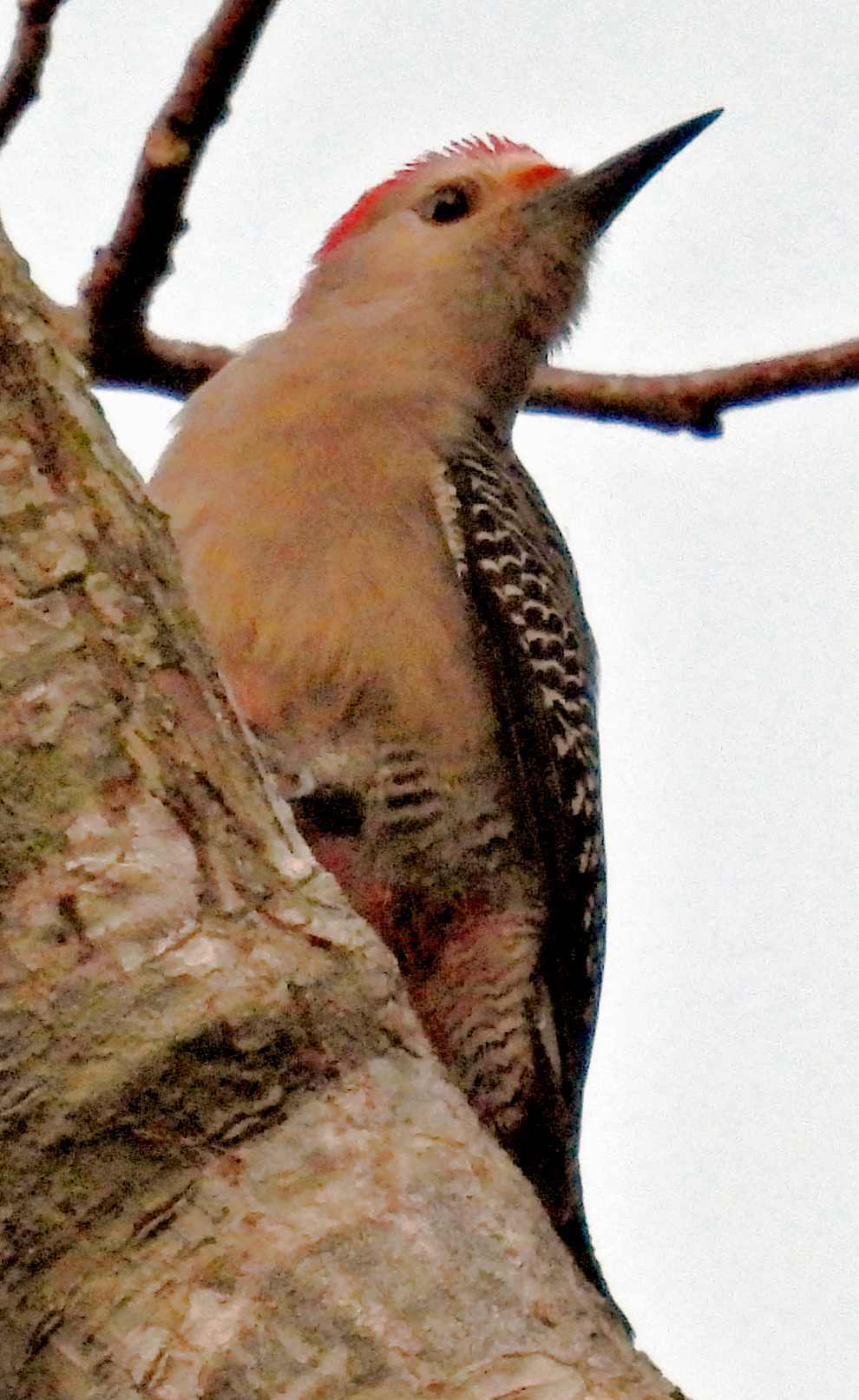
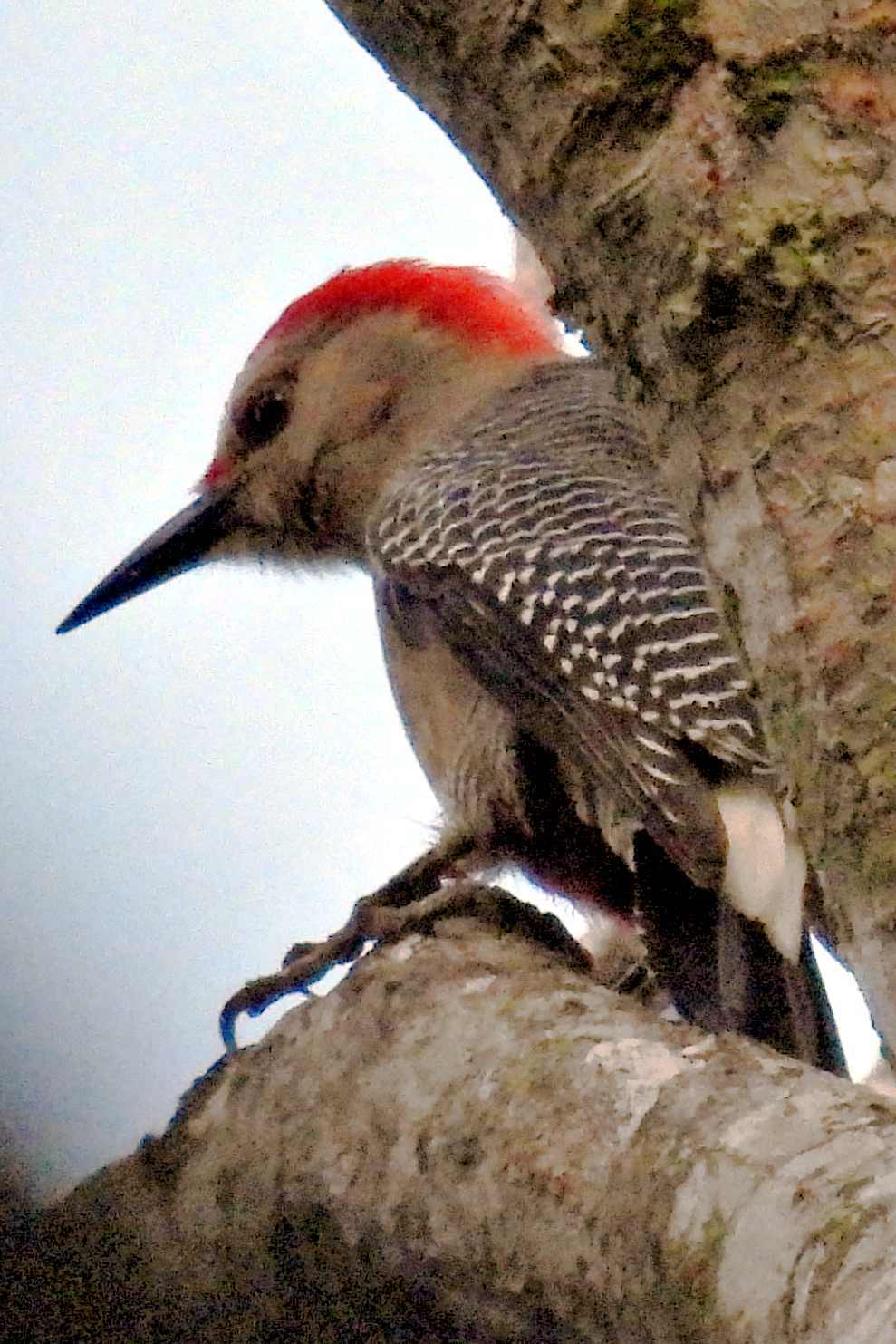
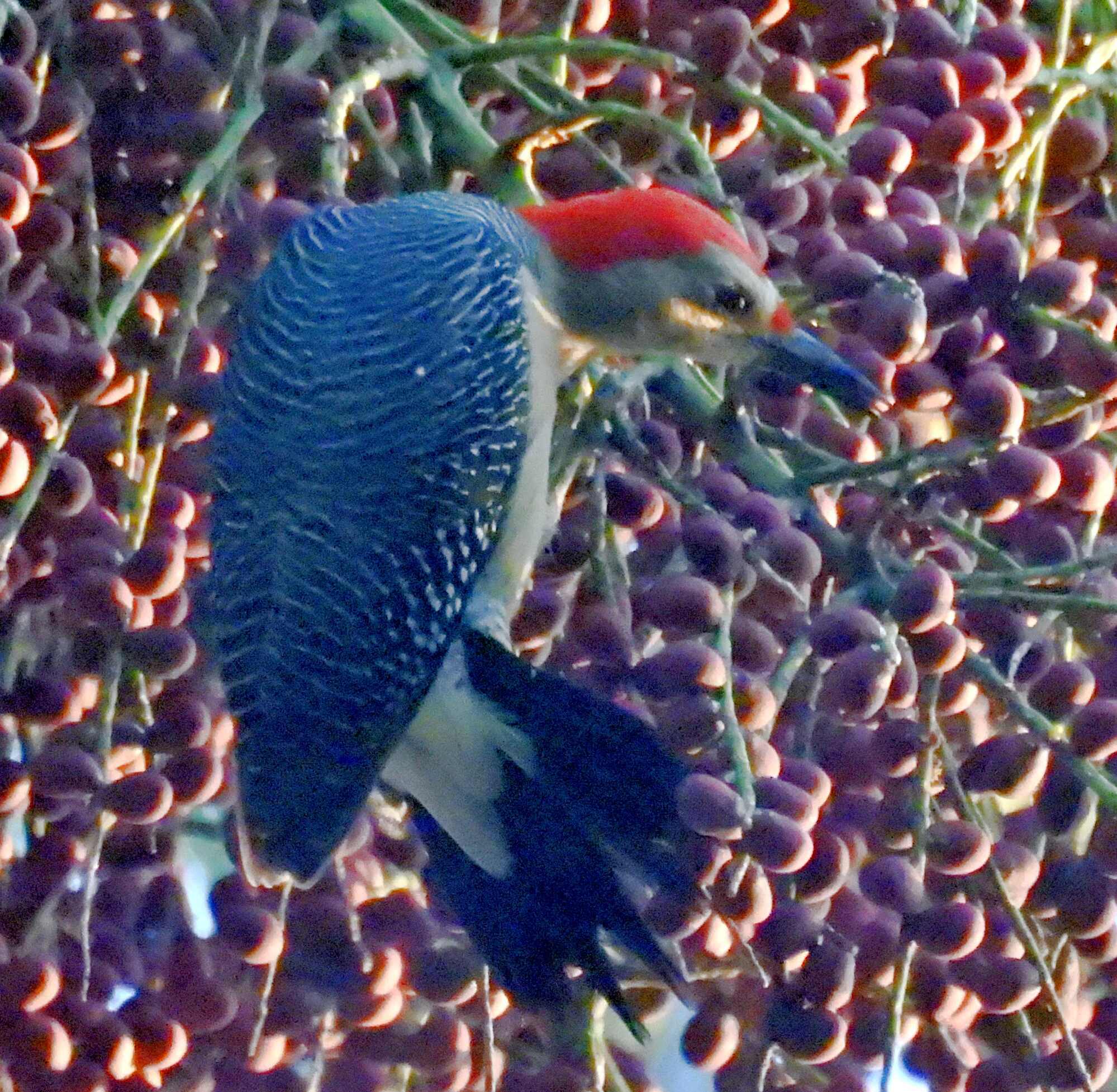
There were also lots of Woodpeckers about, and here we have been looking for the Yucatan Woodpecker, while Merlin insists all we see are Golden Fronted Woodpeckers. Here too, Viviano was willing to give us a Yucatan but evil Merlin was not having it:
Here is a bit of a stylized photoshopped one:
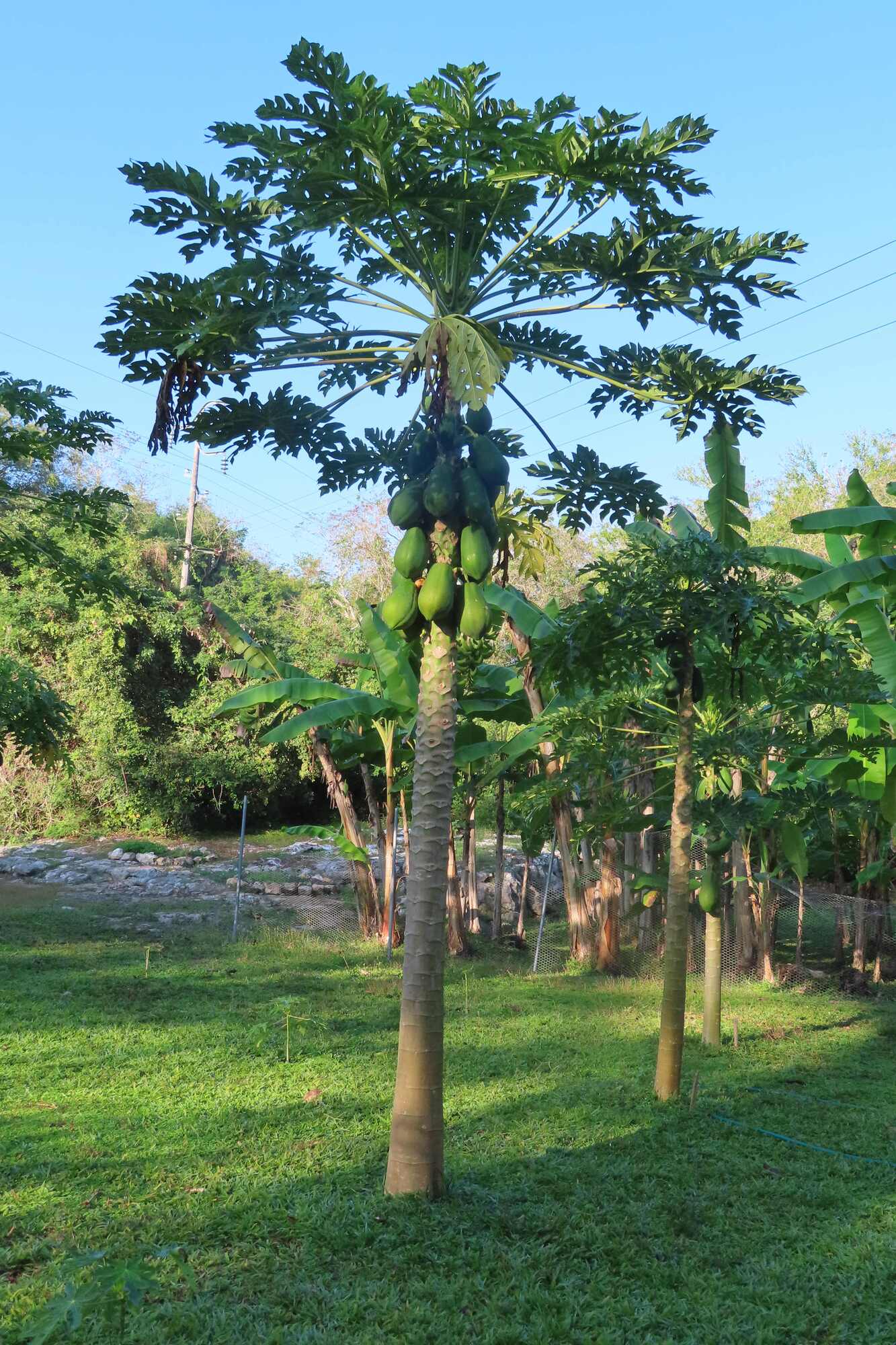
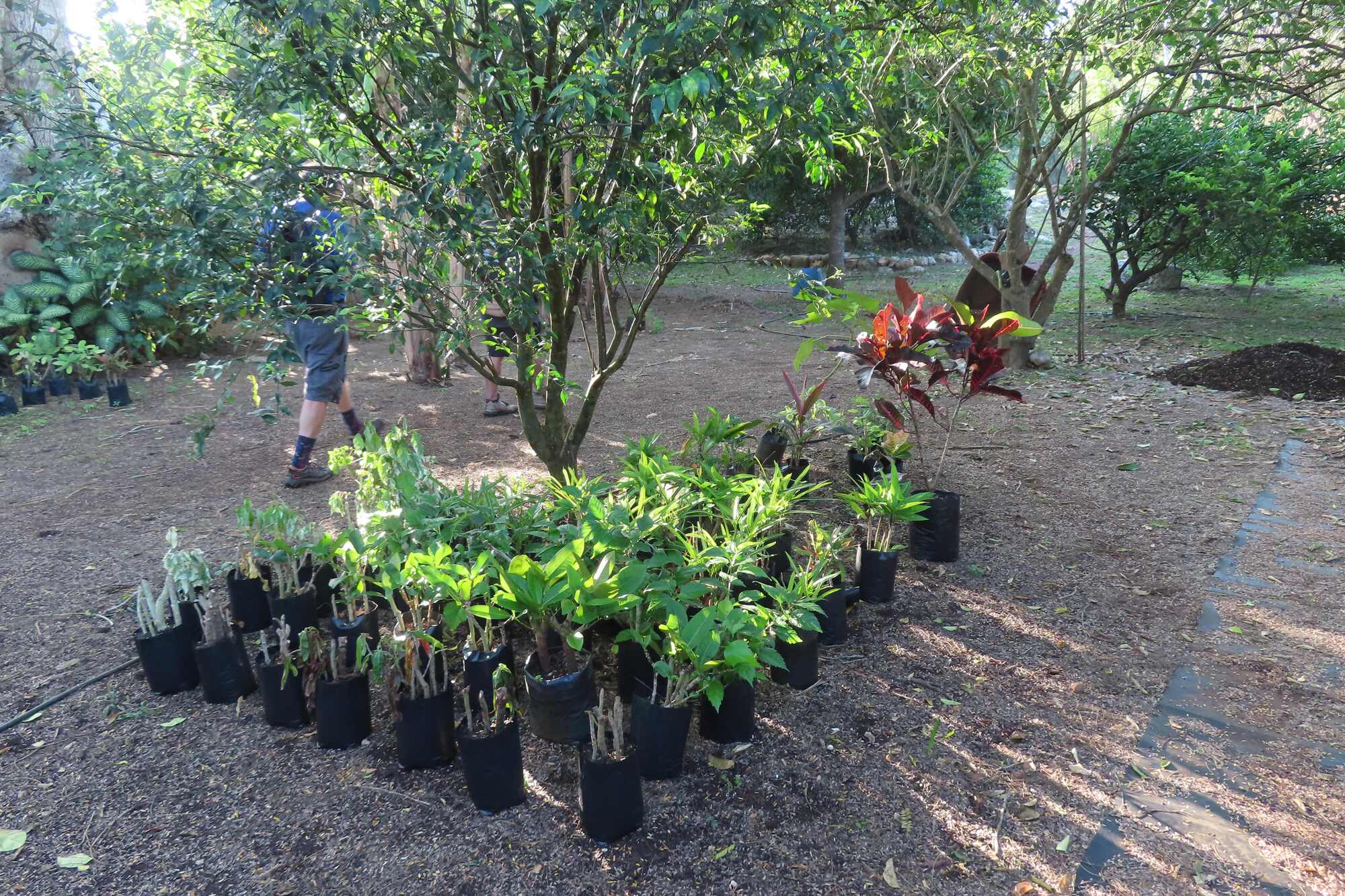
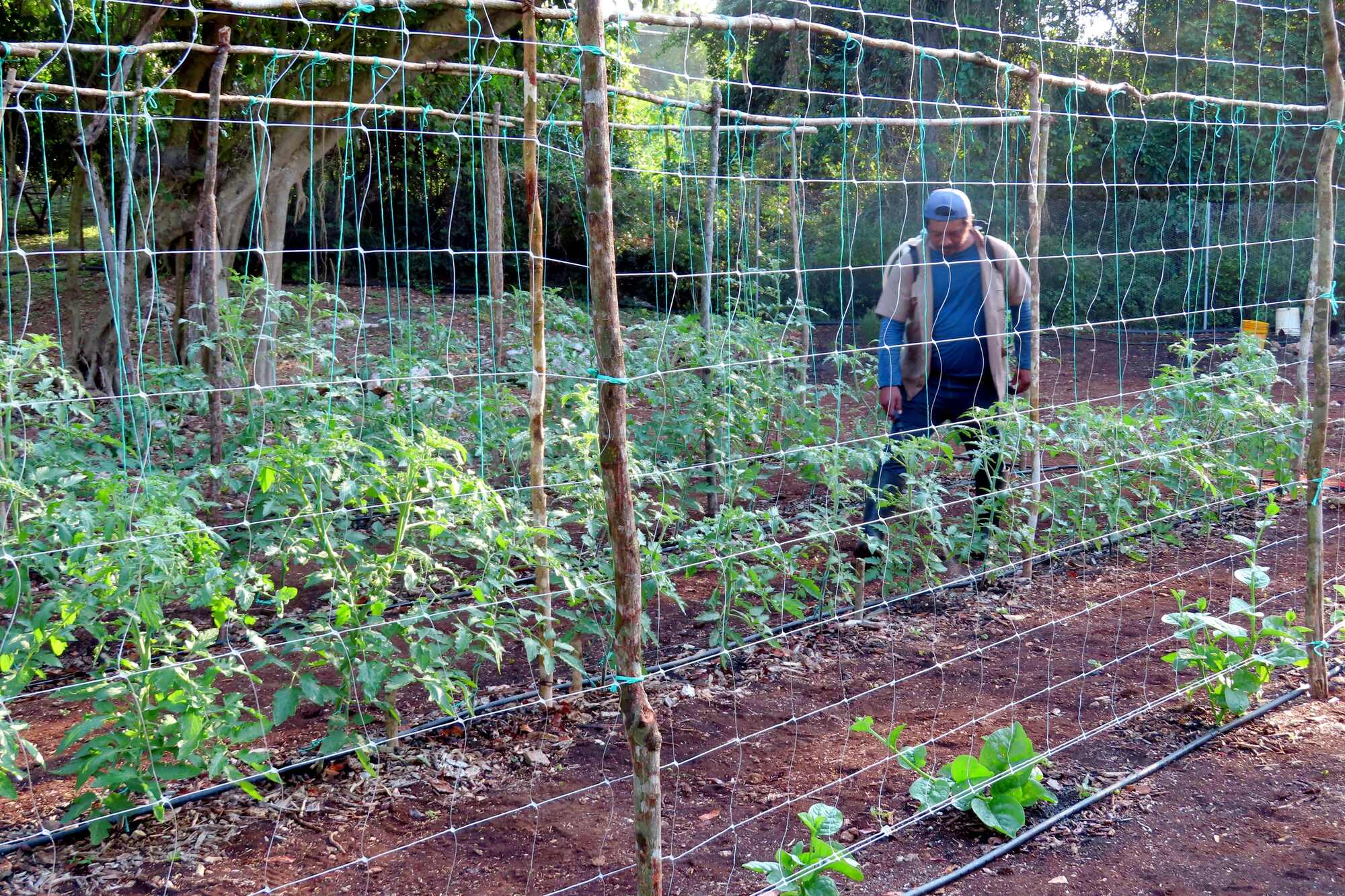
We walked into the garden area, where produce is raised for use in the restaurant.
| Heart | 0 | Comment | 0 | Link |
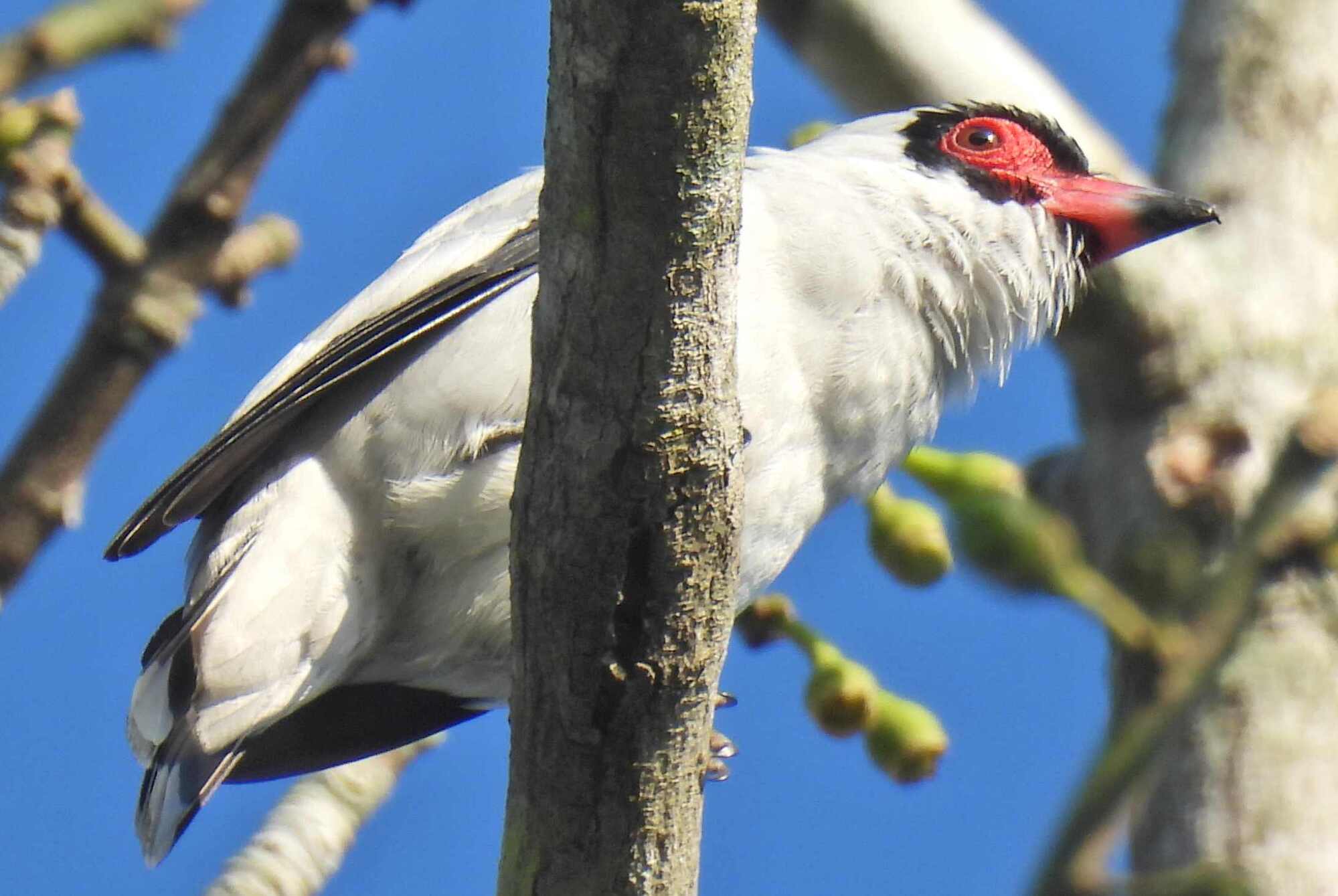
Ever since Jean Marc Strydom seemed to waltz in to Chichen Itza and come out with a great photo of a Masked Tityra a few years ago, I have been hoping to do the same. So with Viviano's help, here it is:
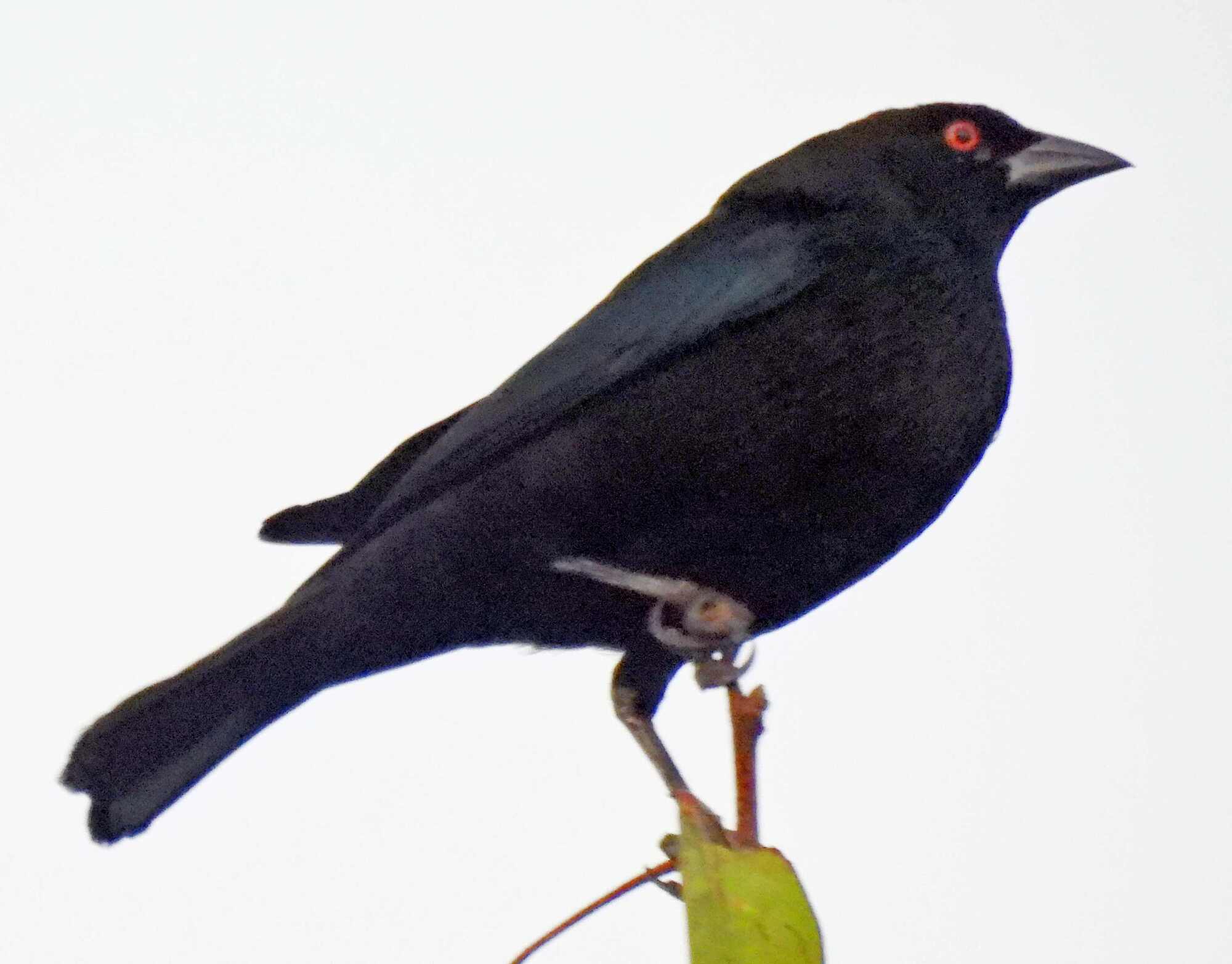
And how about these:
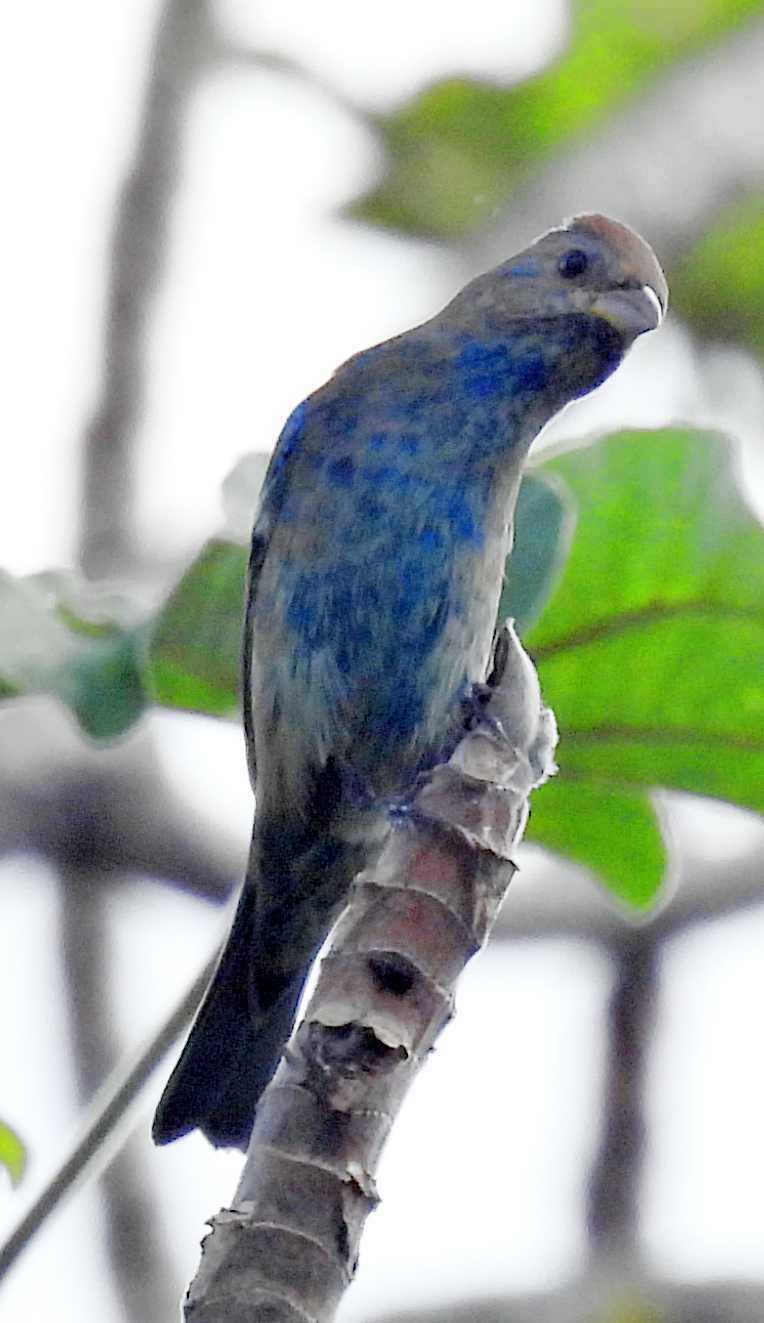
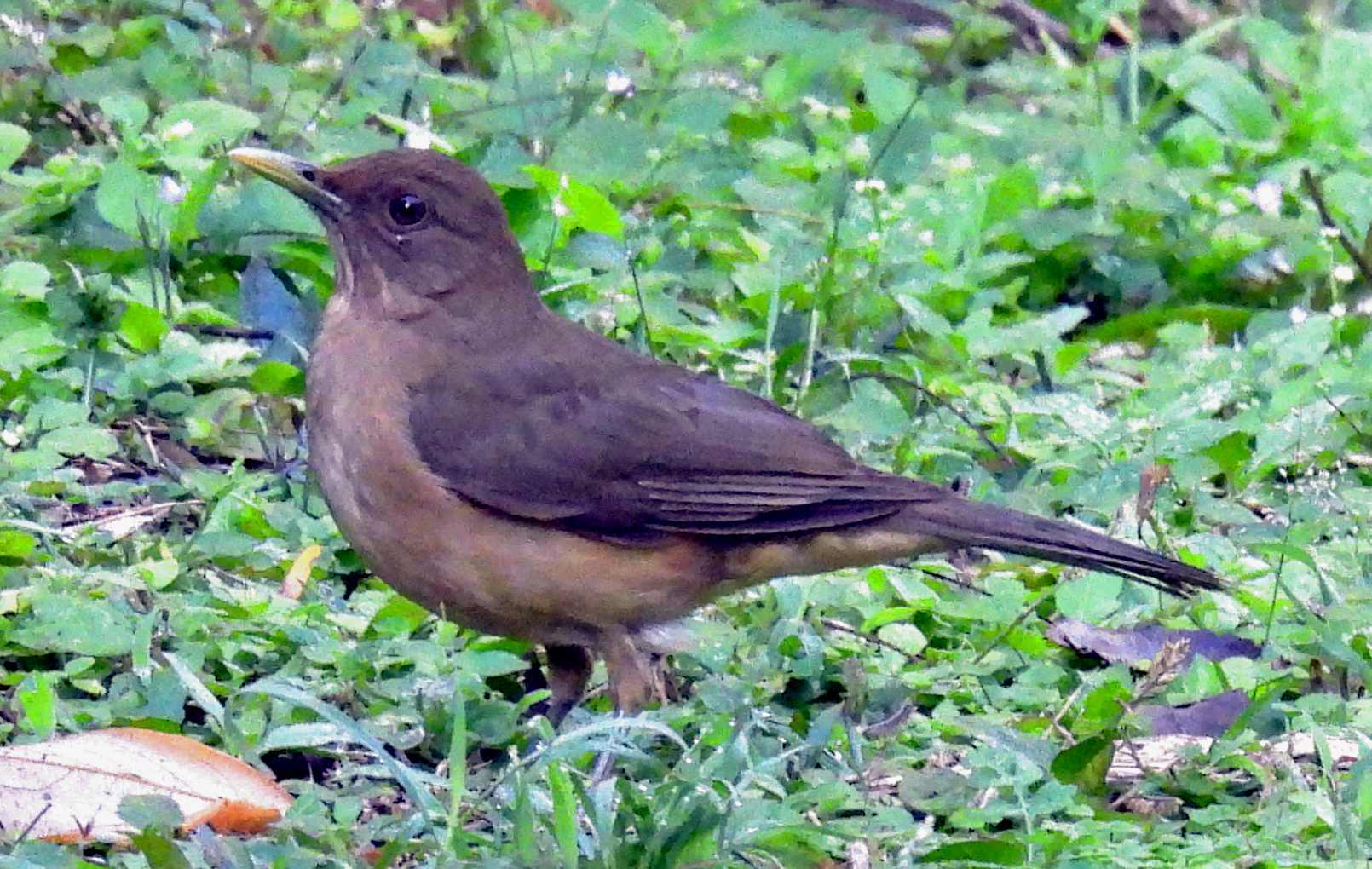
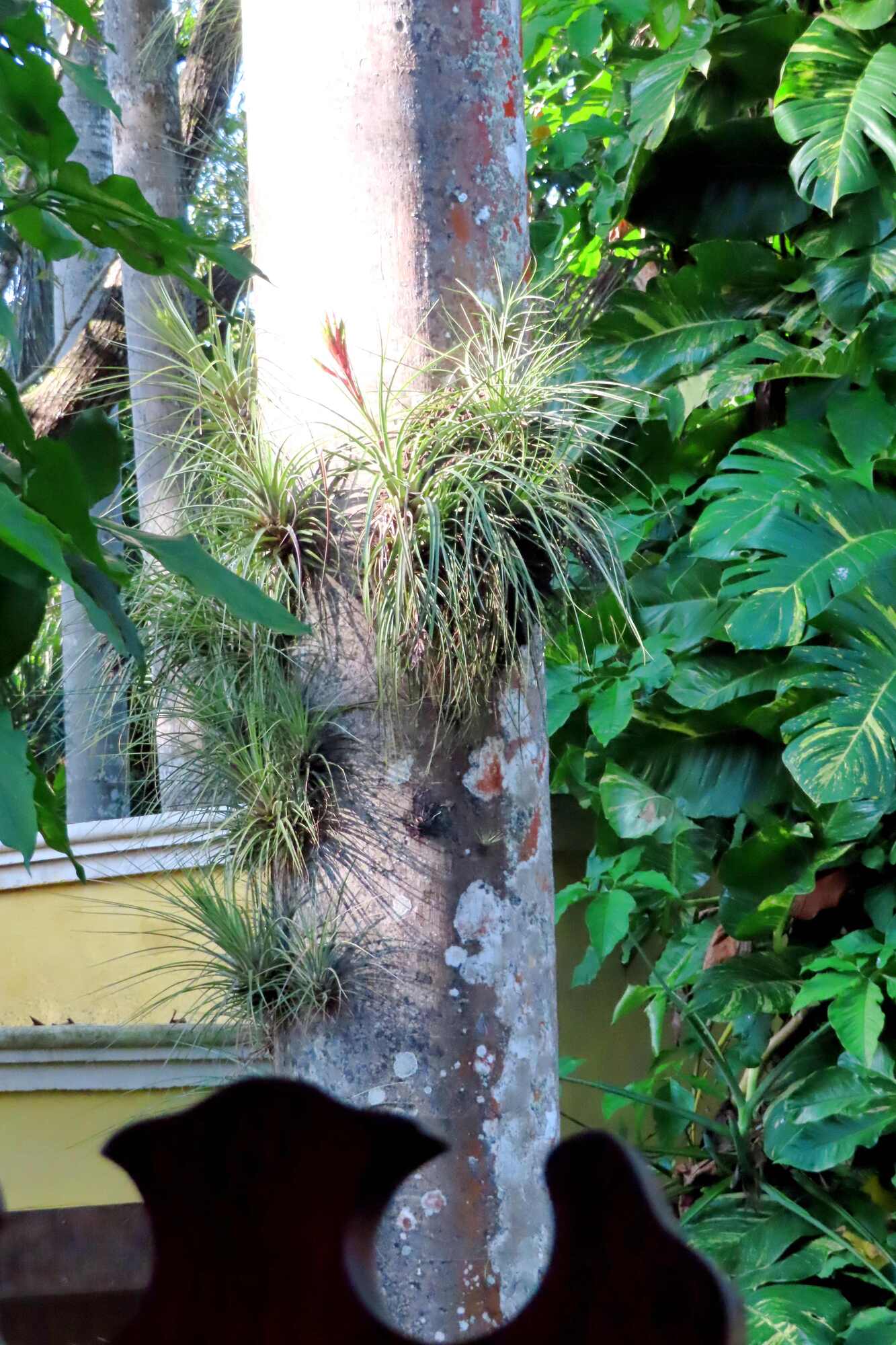
Viviano strolled us around to the front of the hacienda, and with that our walk was over. But the mind boggling fun carried on. We went in to the breakfast room, which is open to the grounds on one side. So we could sit as the very polite staff brought a great breakfast, still looking out for any birds, but mostly marveling at the trees and foliage.
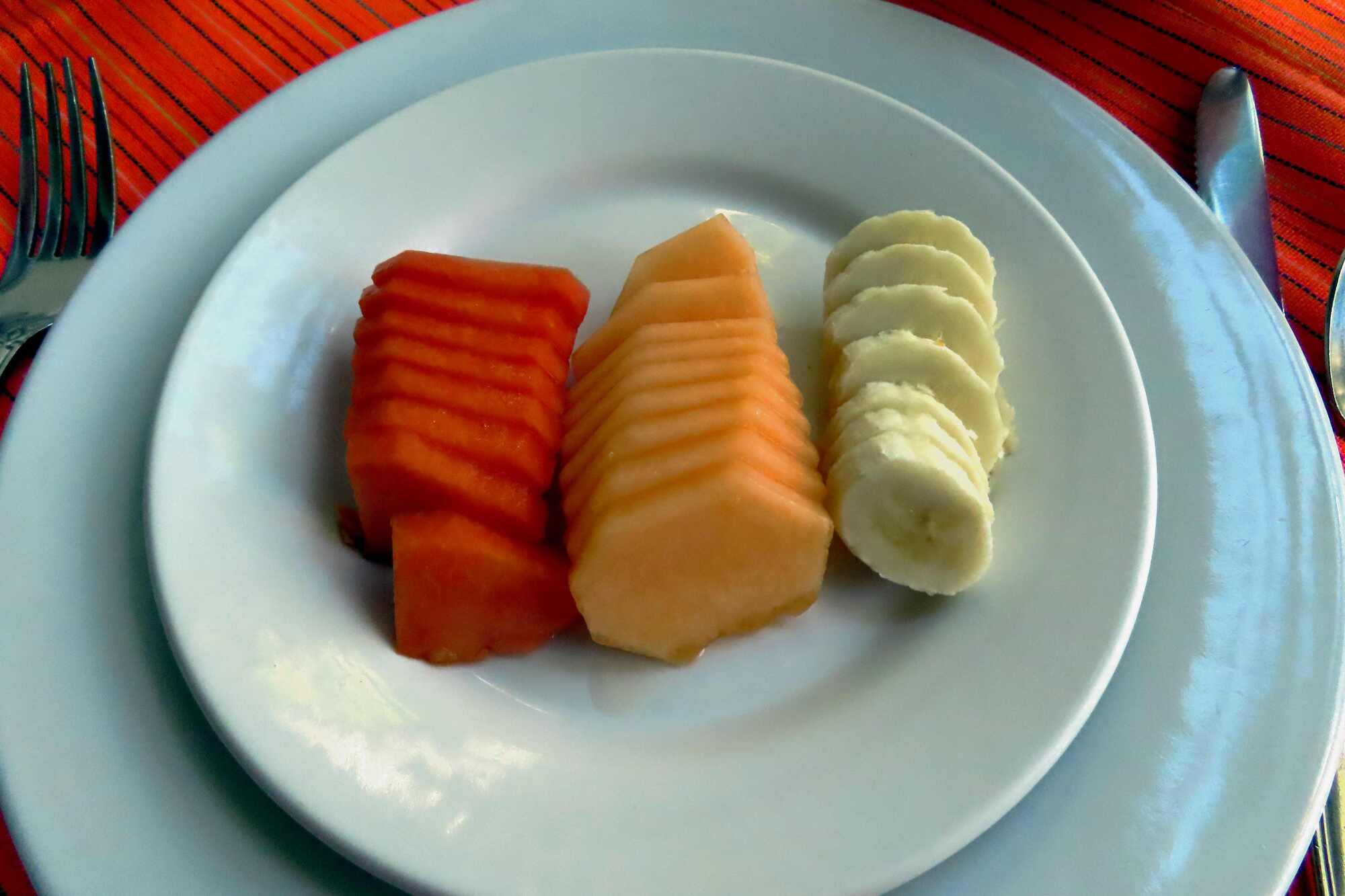
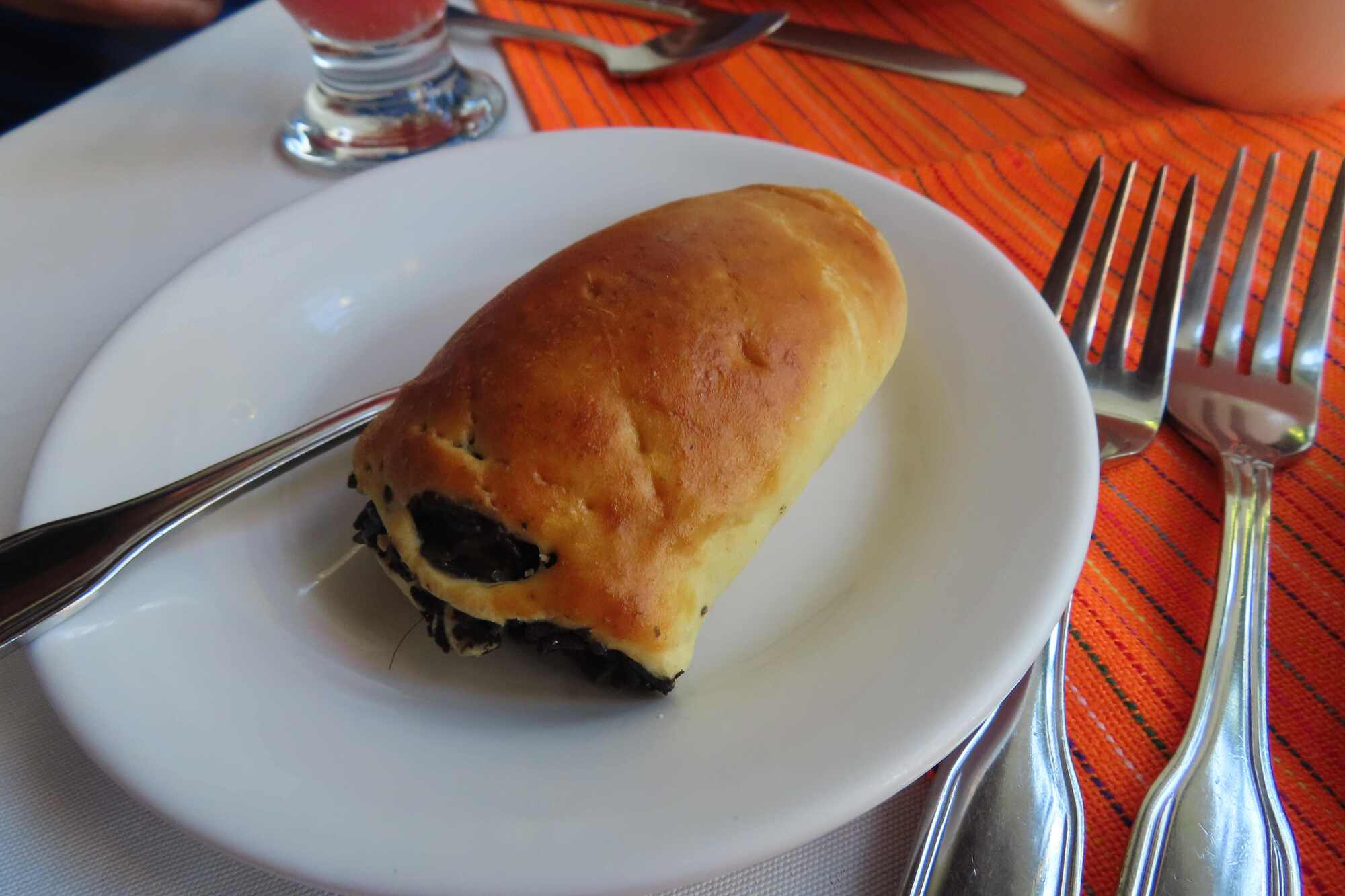
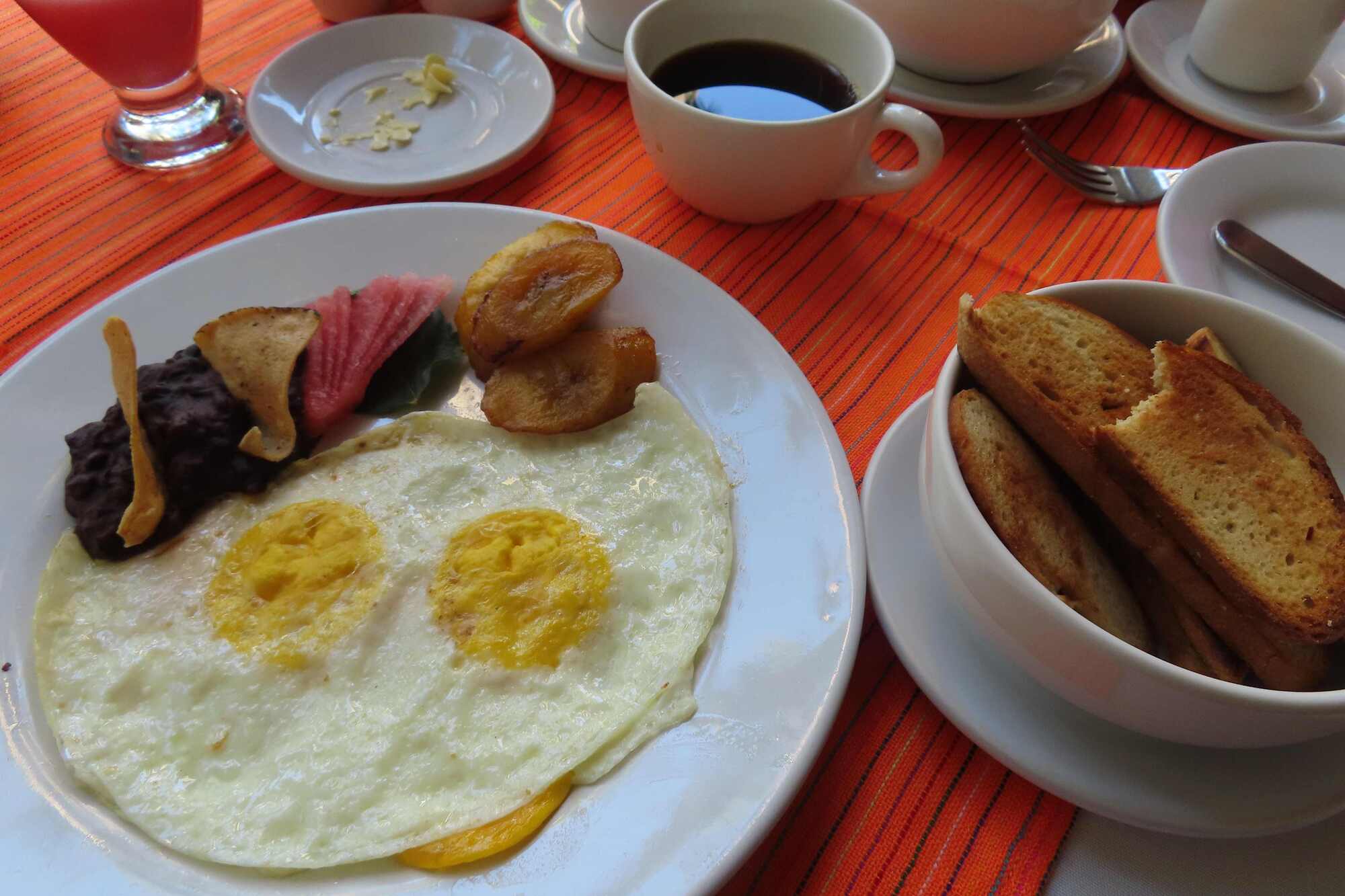
| Heart | 1 | Comment | 0 | Link |
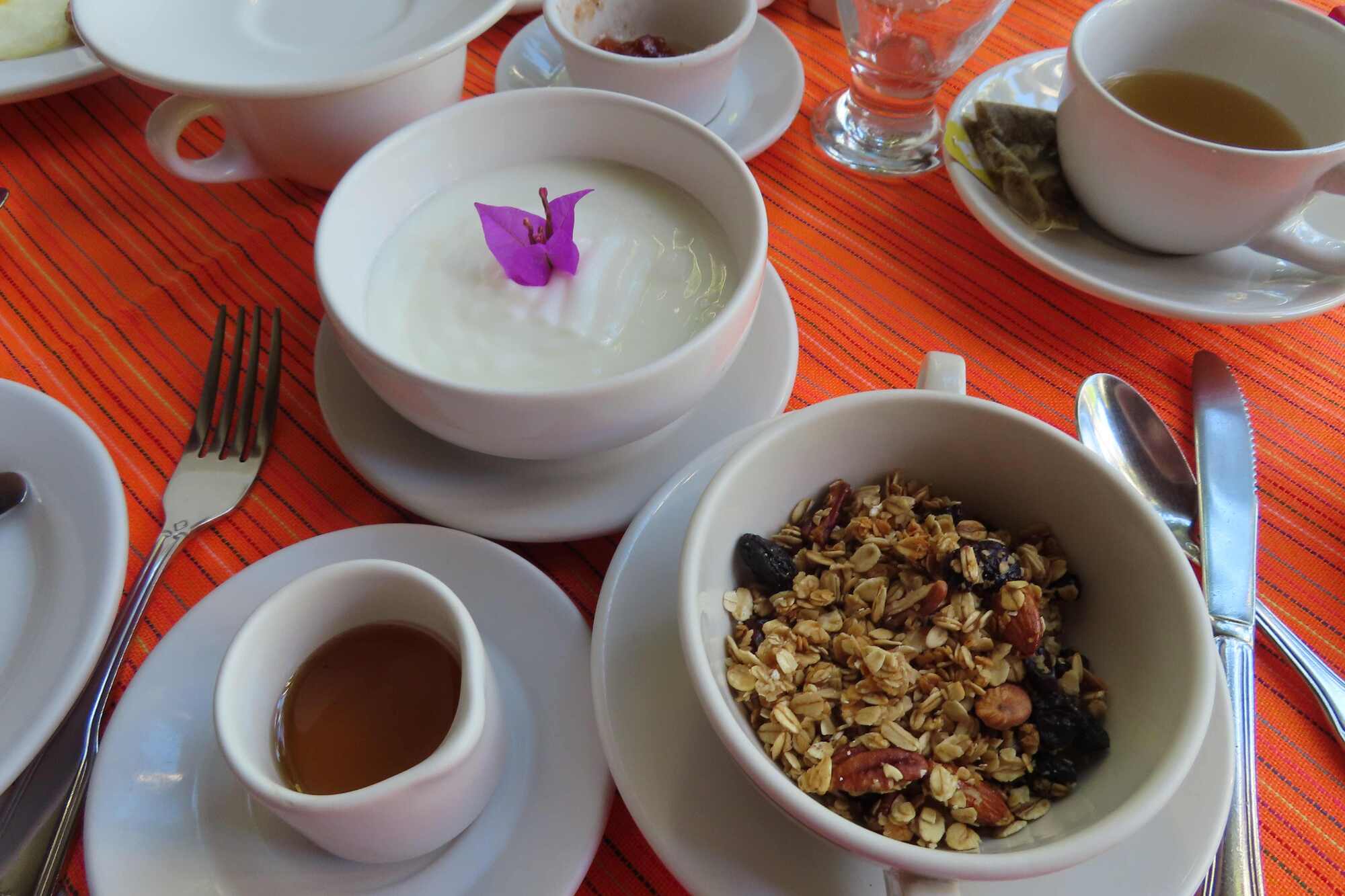
One of the standouts here was the honey that came with the granola. It was amazingly flavourful, clearly derived from jungle flowers.
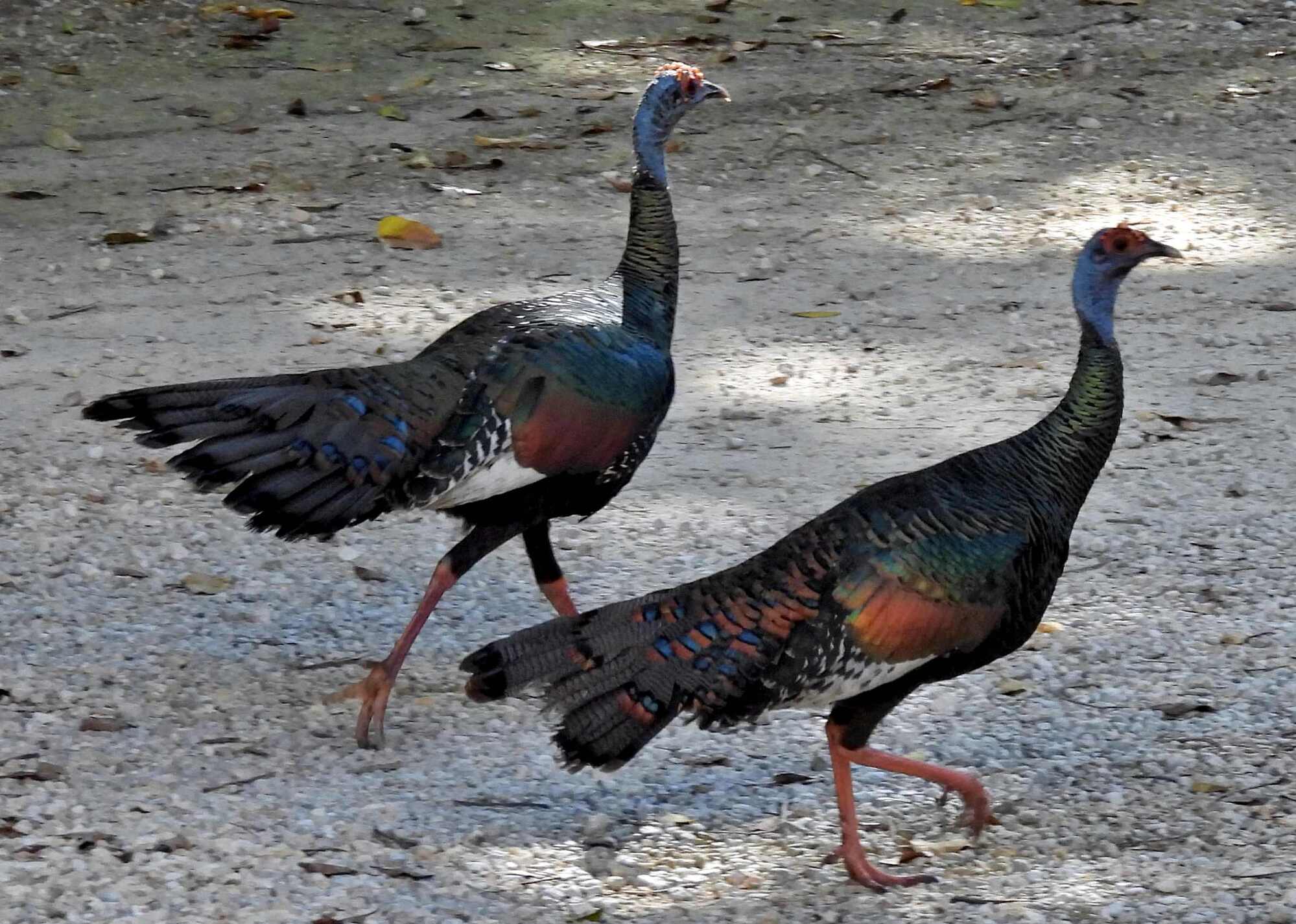
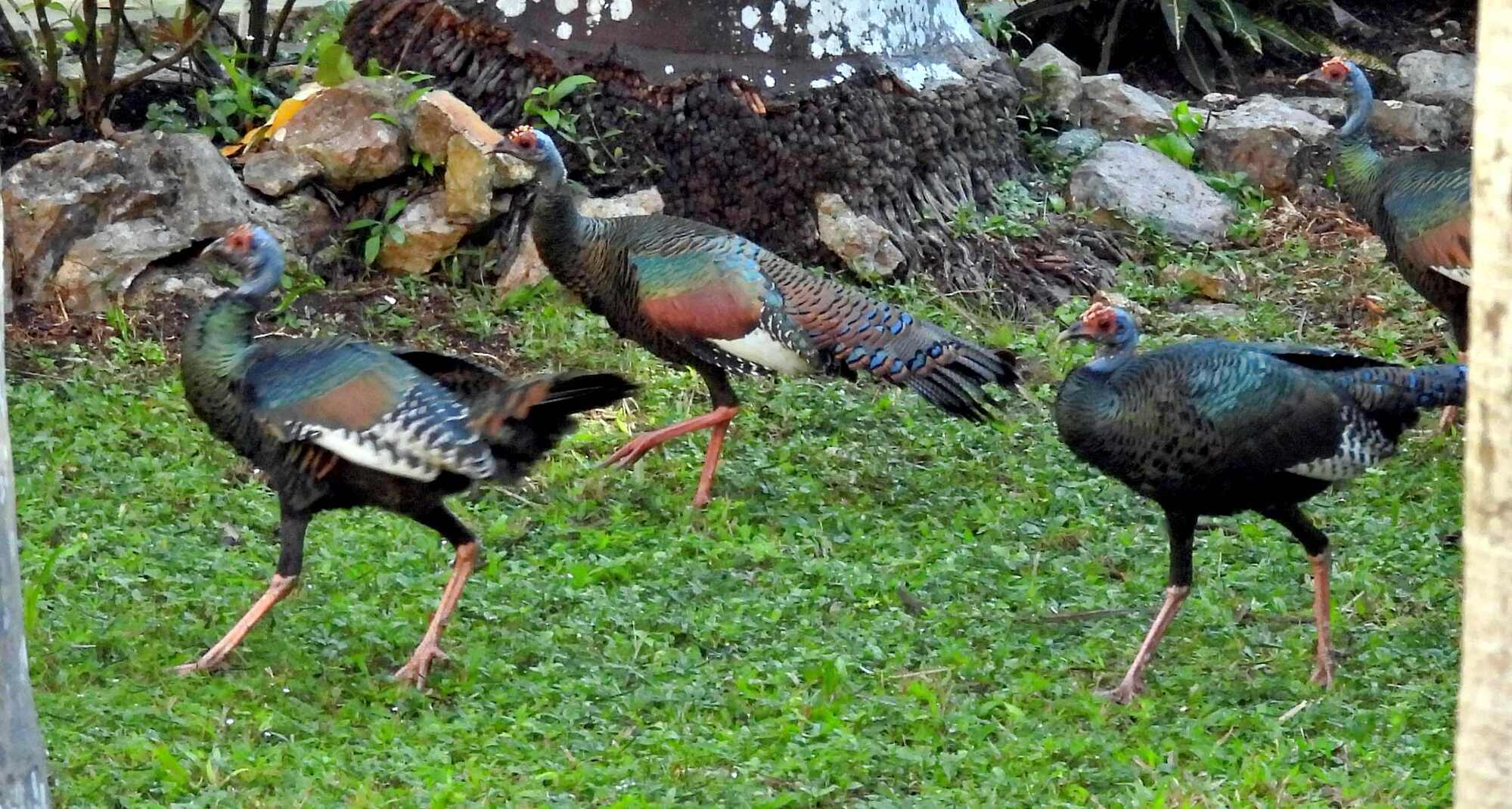
As we walked out the front door, there was one more surprise - a small flock of Ocelated Turkeys:
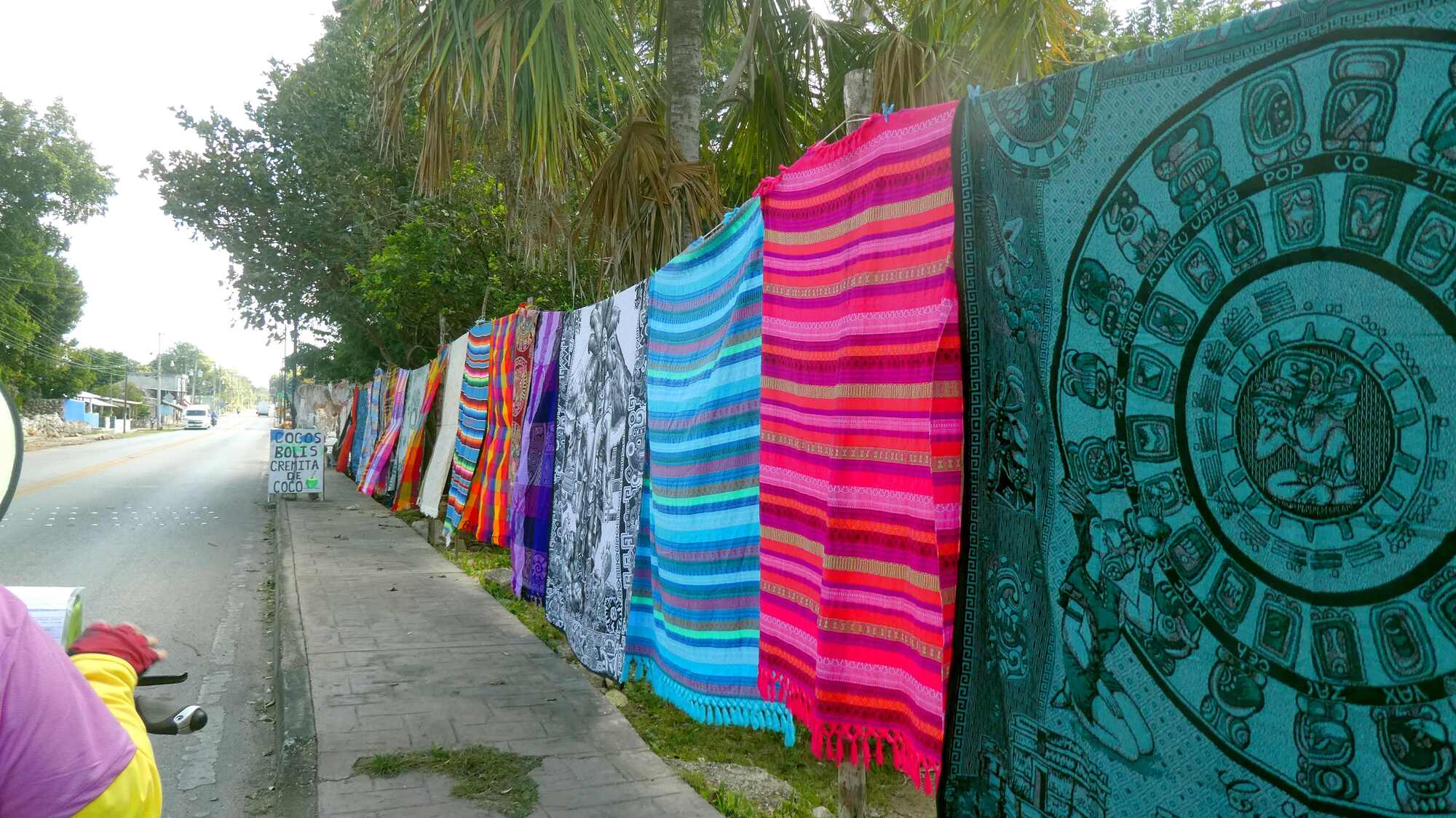
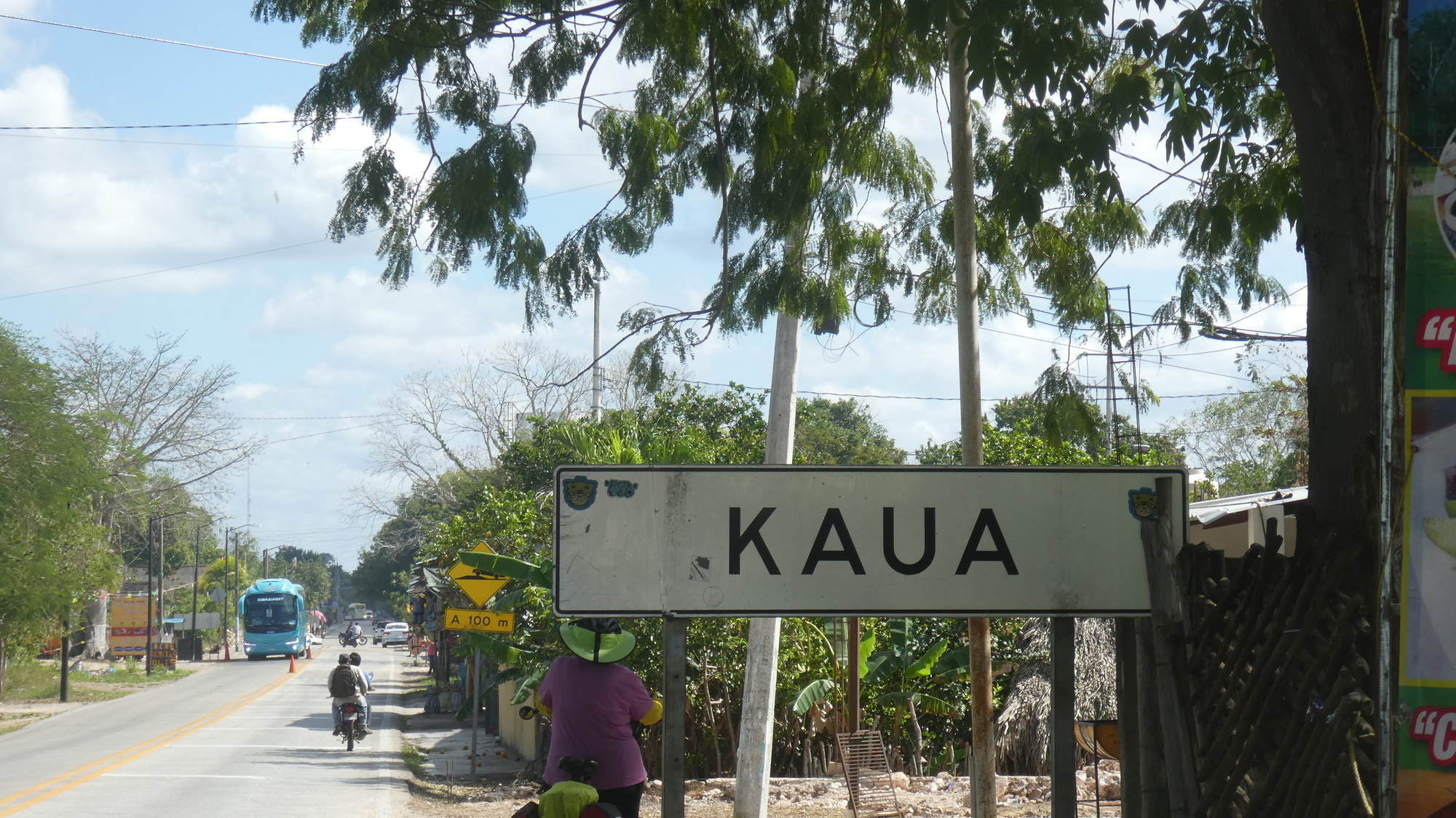
Pretty soon we were out on the highway, barreling down to Valledolid.
| Heart | 0 | Comment | 0 | Link |
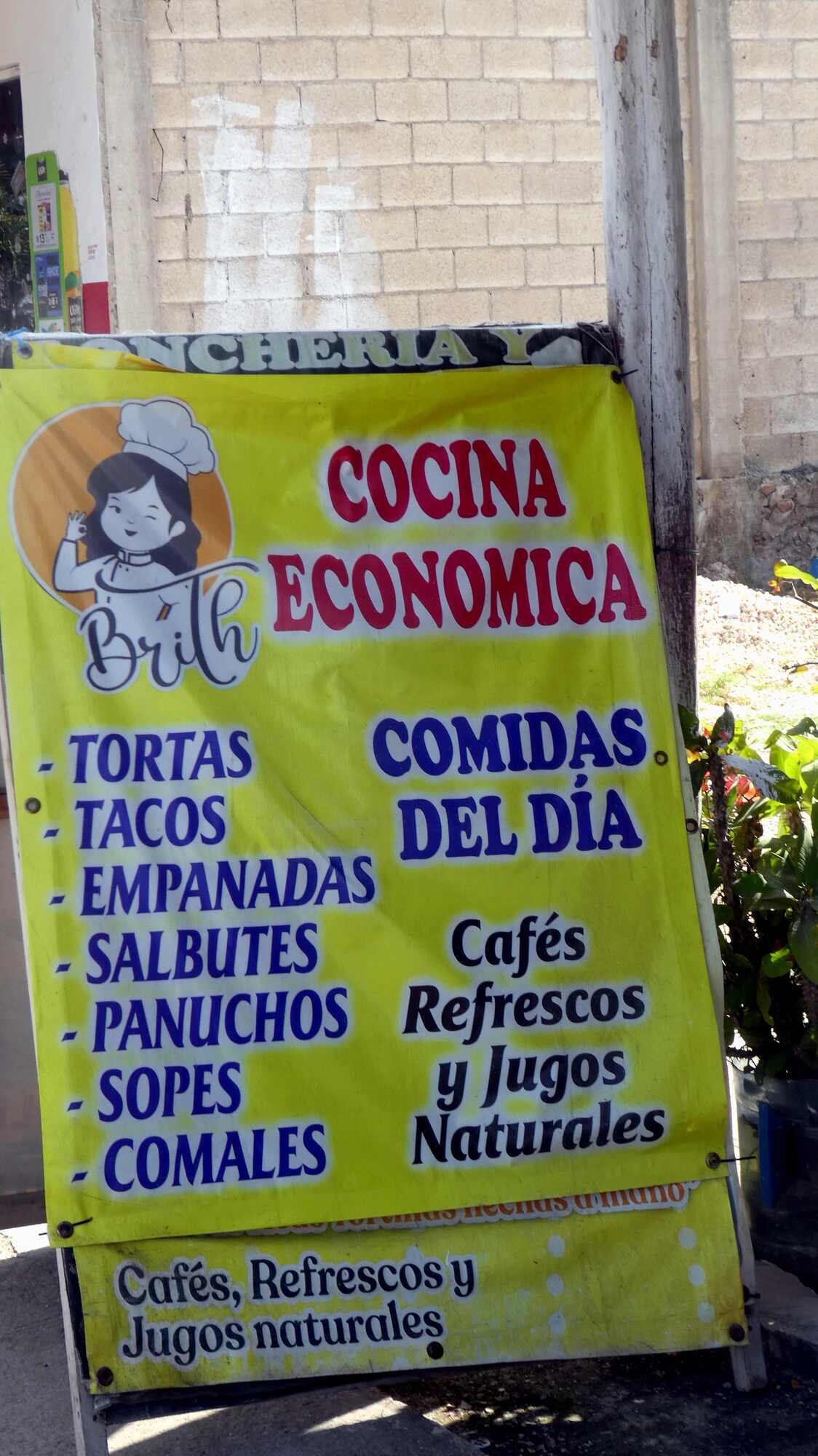
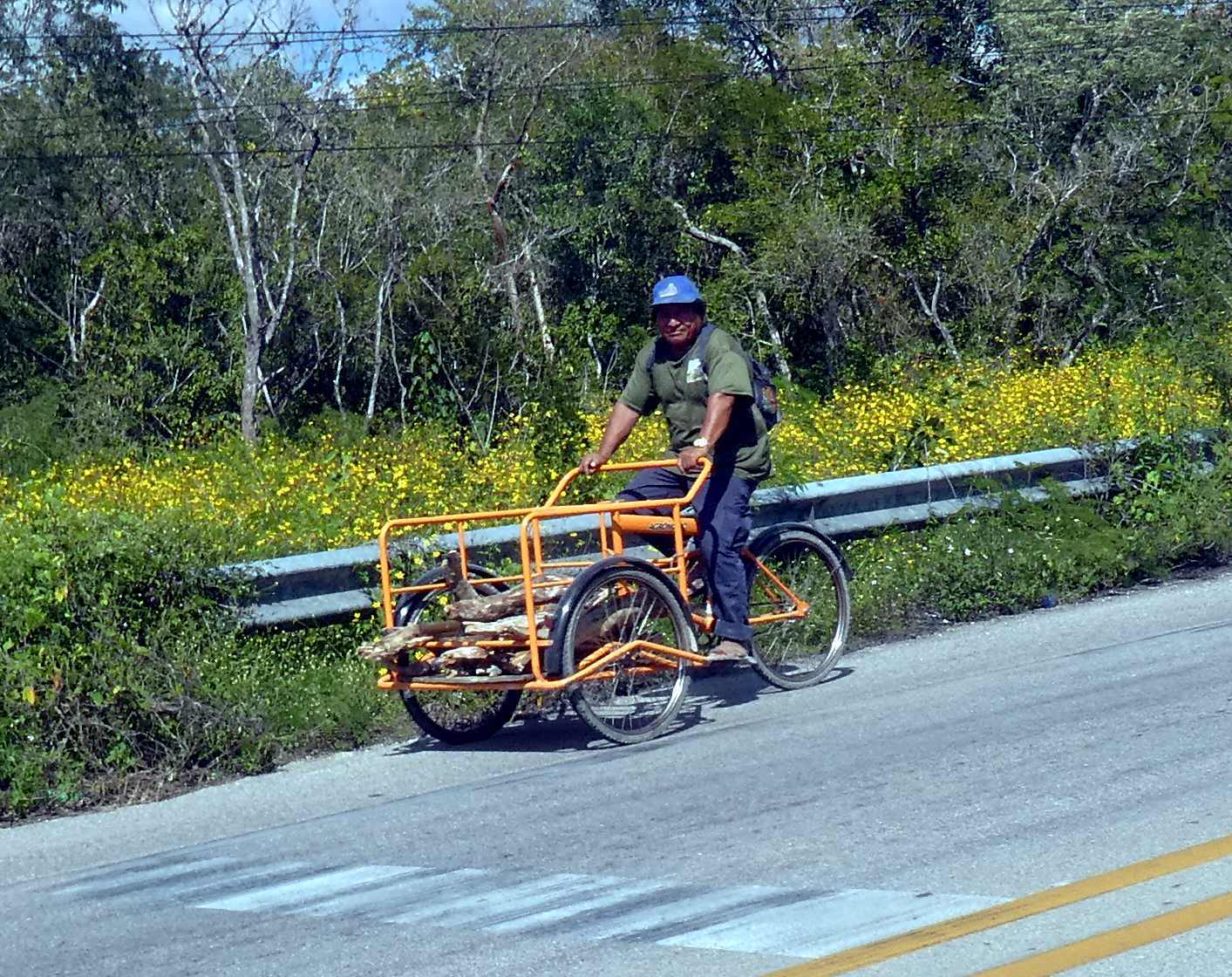
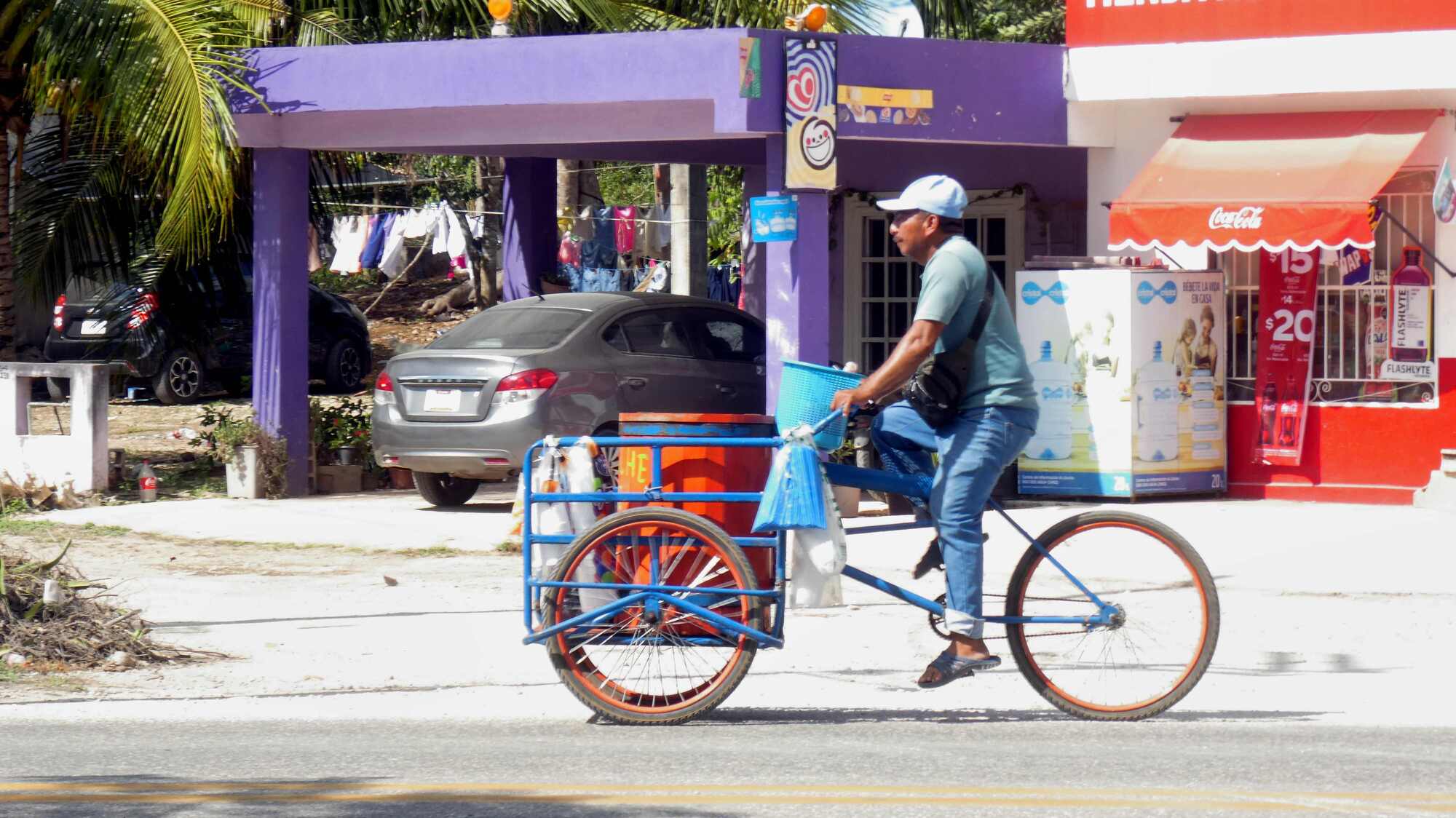
We love to see other cyclists along the road. In almost all cases, these will be people pedaling cargo bikes. These bikes have tremendous capacity.
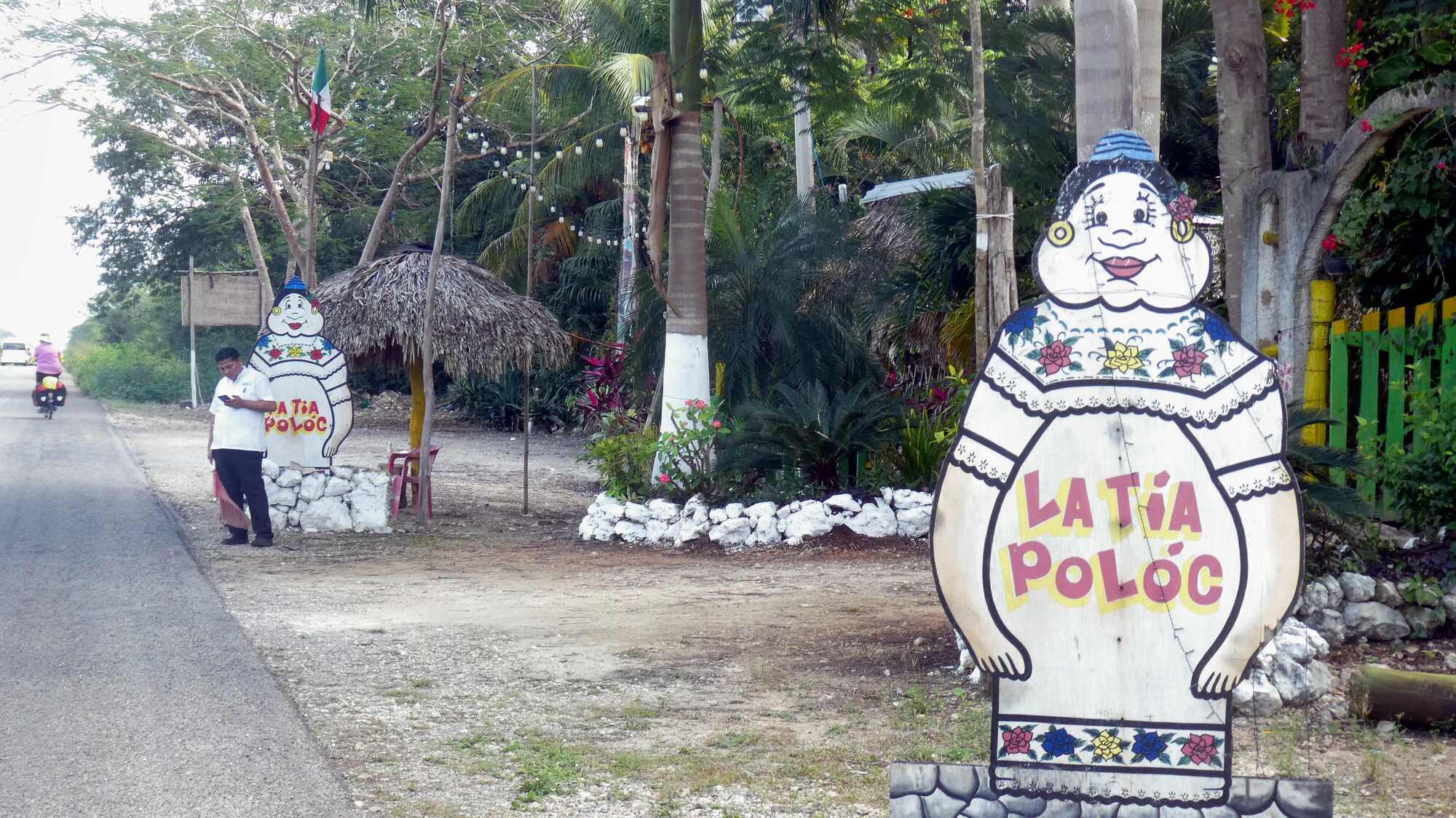
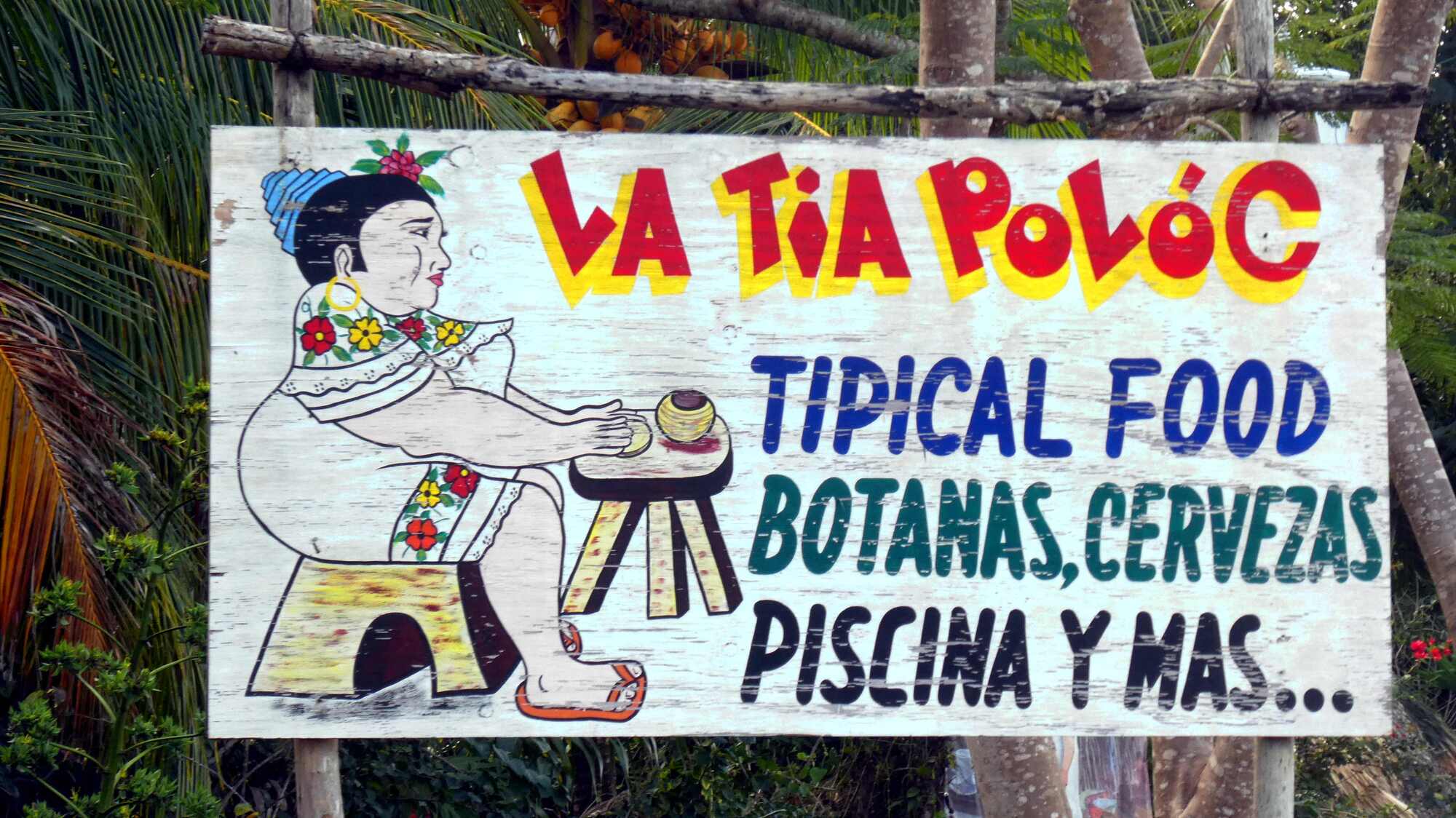
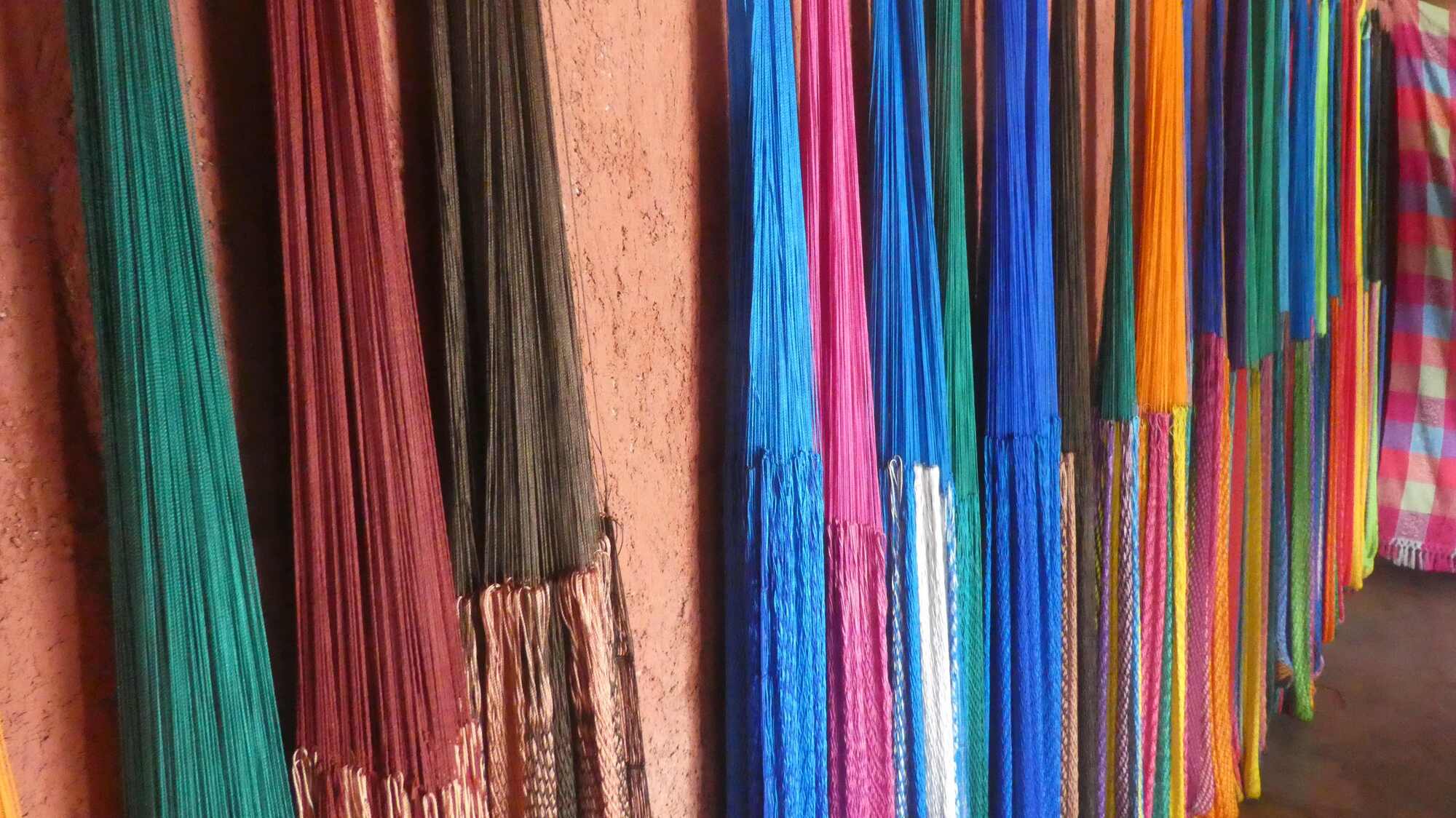
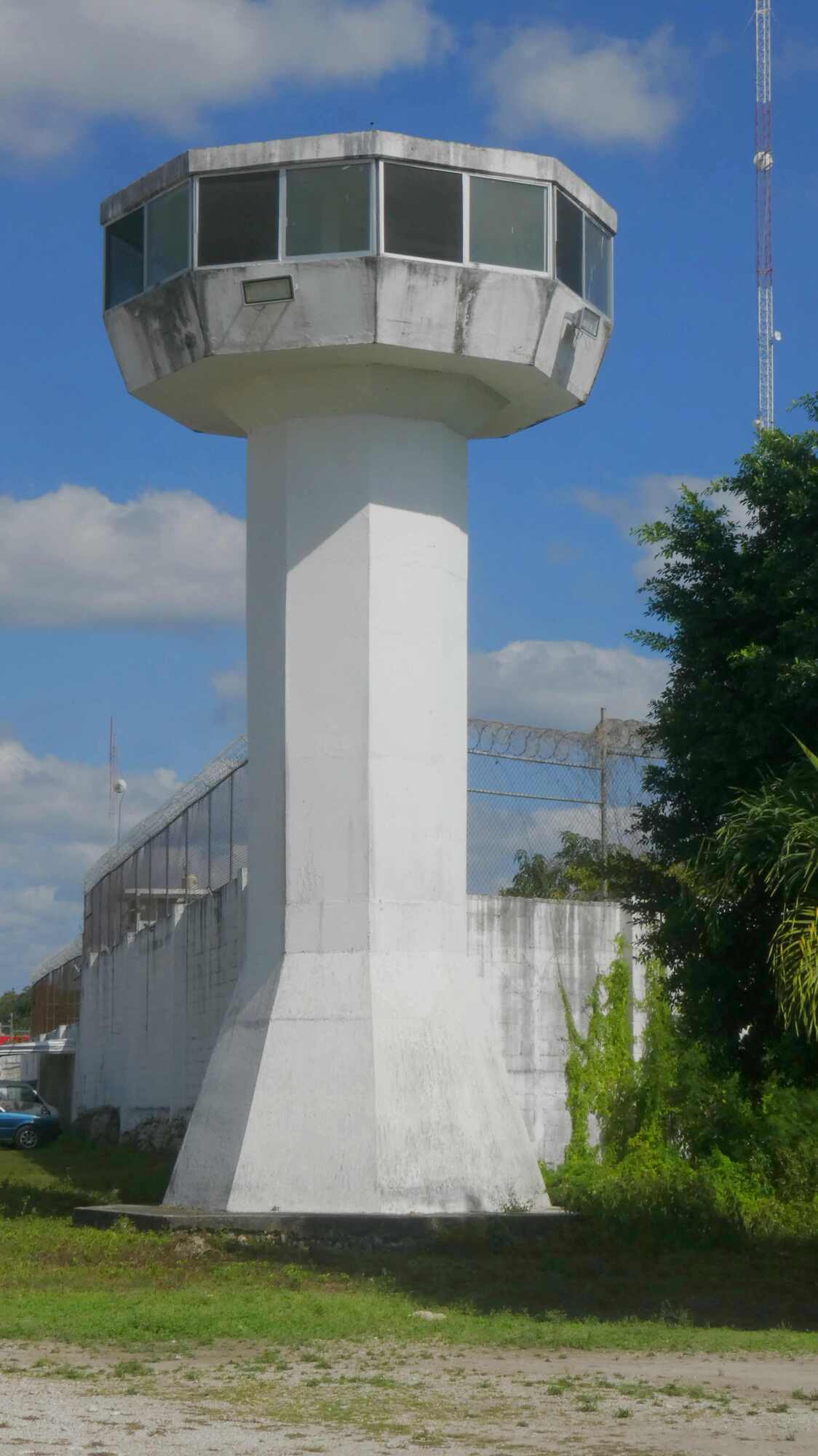
There is a jail part way along, distinguished for us by its craft shop.
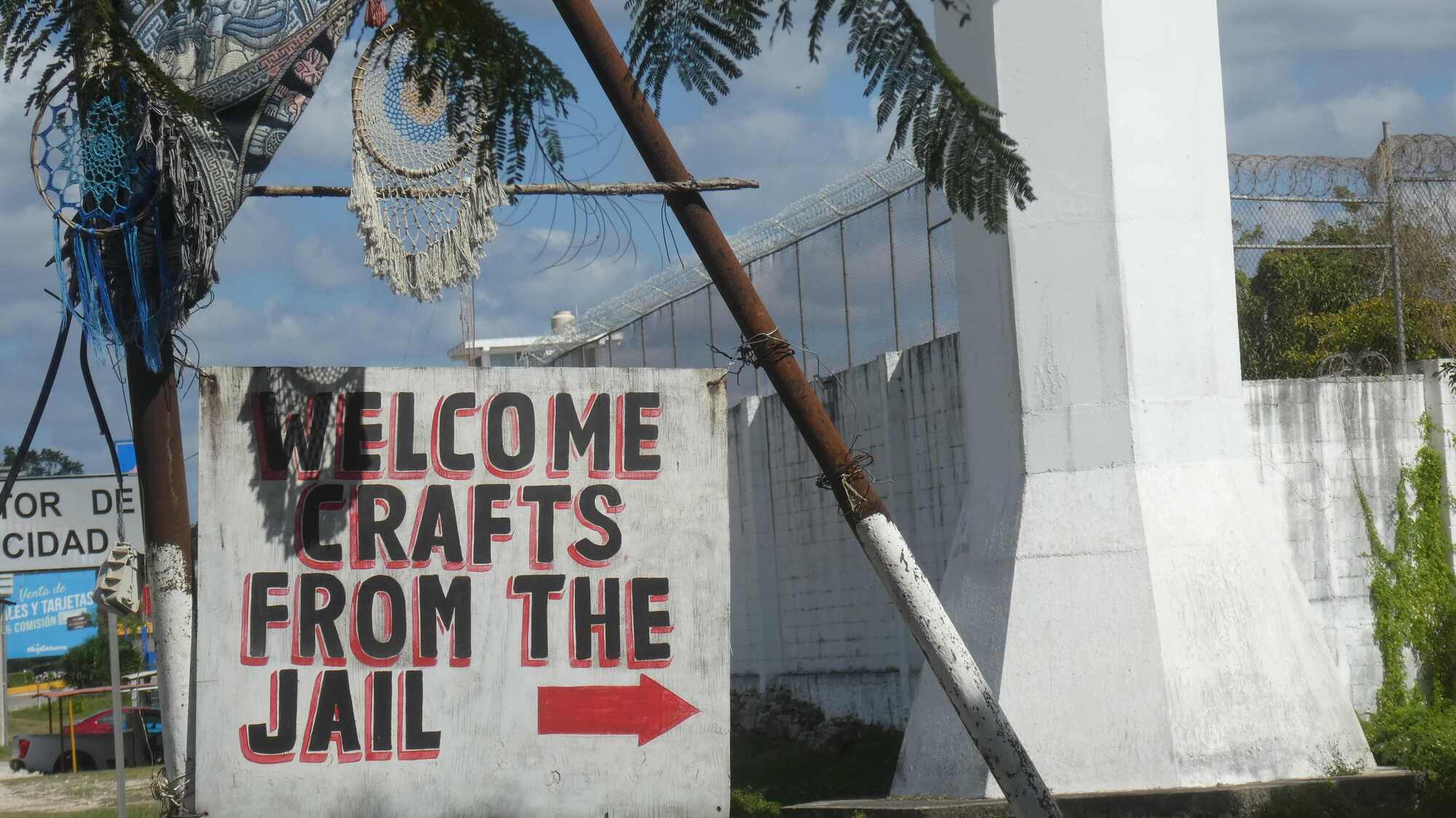
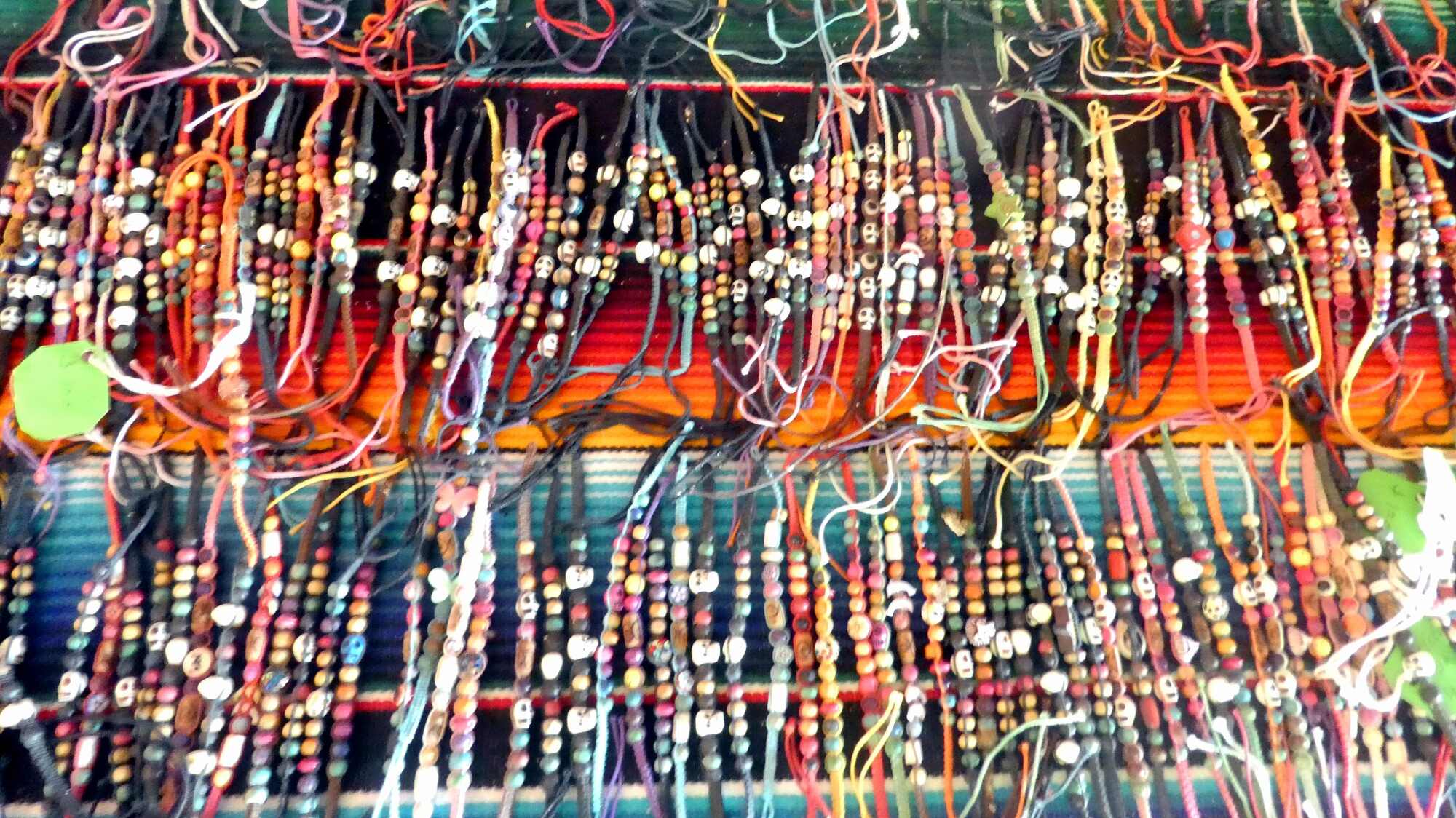
| Heart | 0 | Comment | 0 | Link |
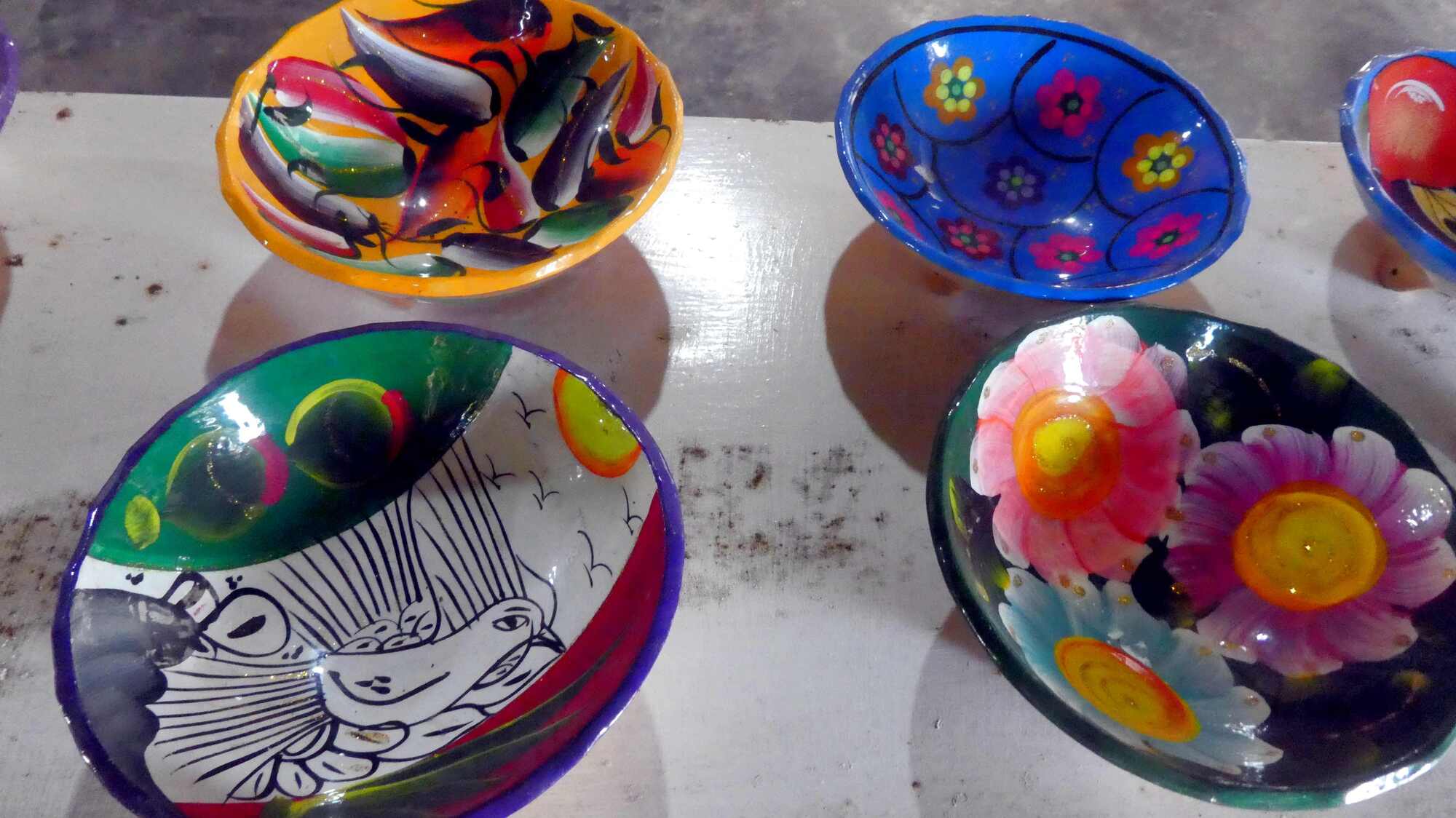
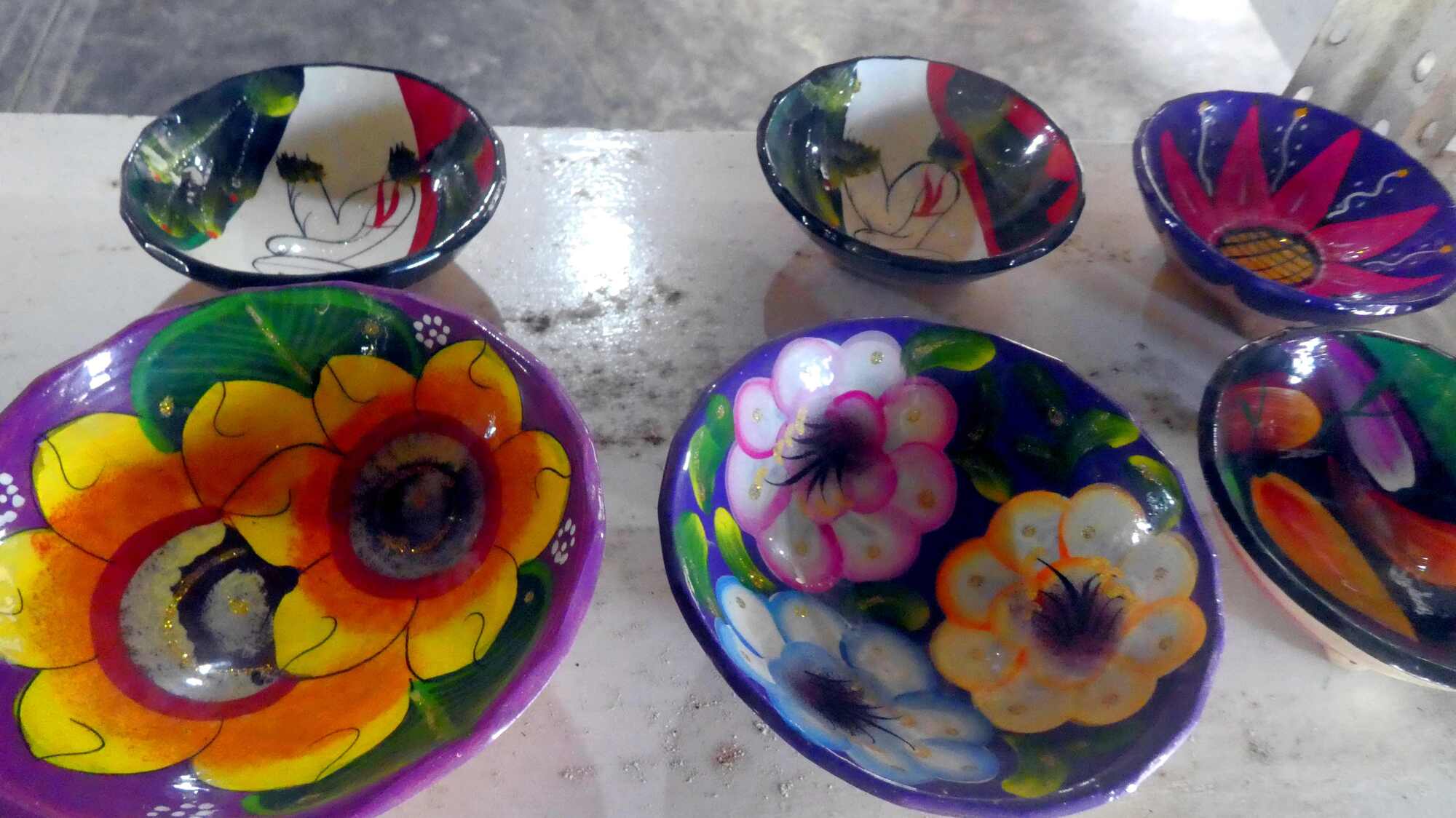
| Heart | 0 | Comment | 0 | Link |
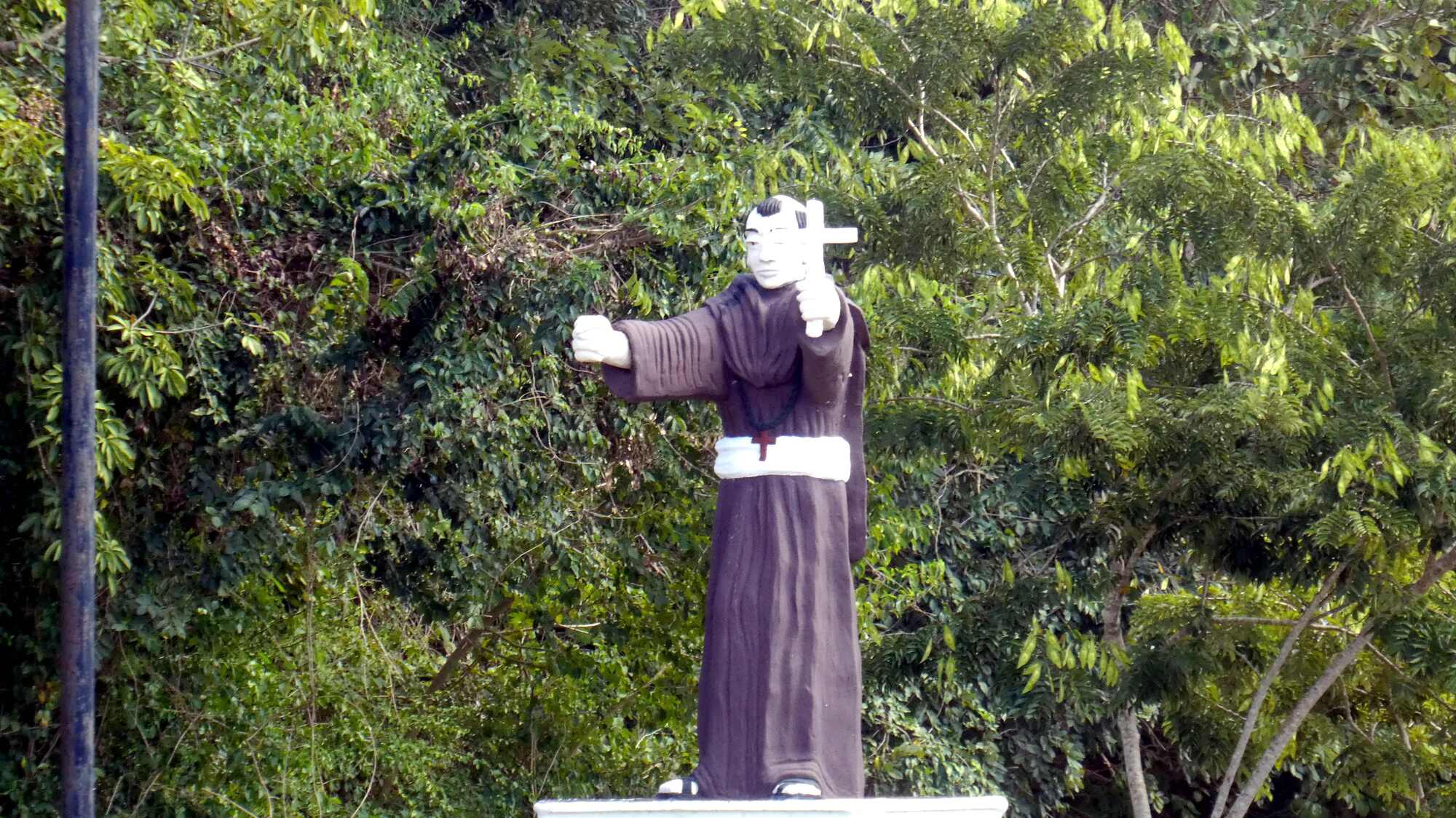
We passed an intersecting street with a line of Francis of Assisi statues. This is probably leading to the Convent and the Avenida de los Frailes.
| Heart | 1 | Comment | 2 | Link |
1 day ago

| Heart | 1 | Comment | 0 | Link |
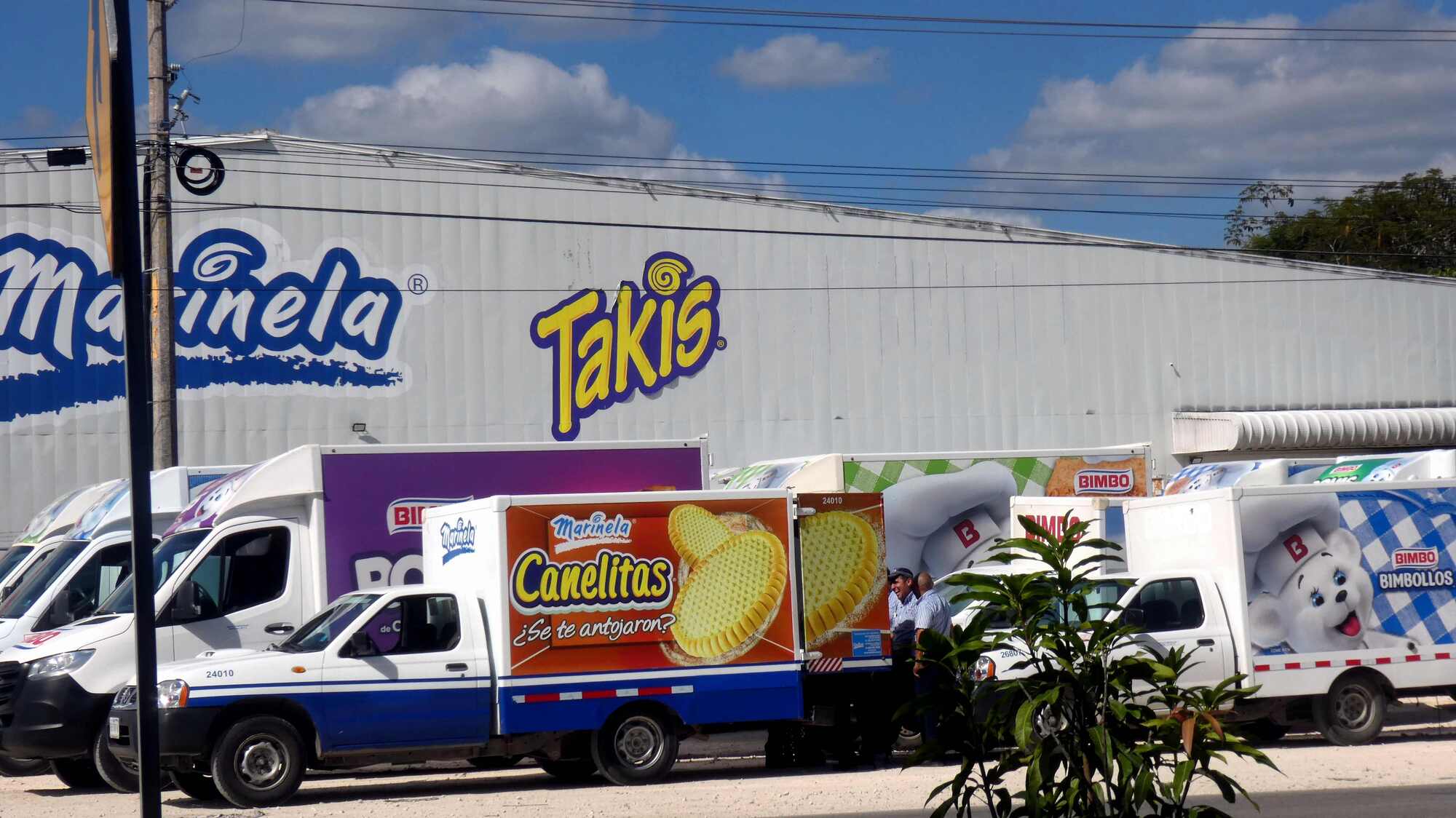
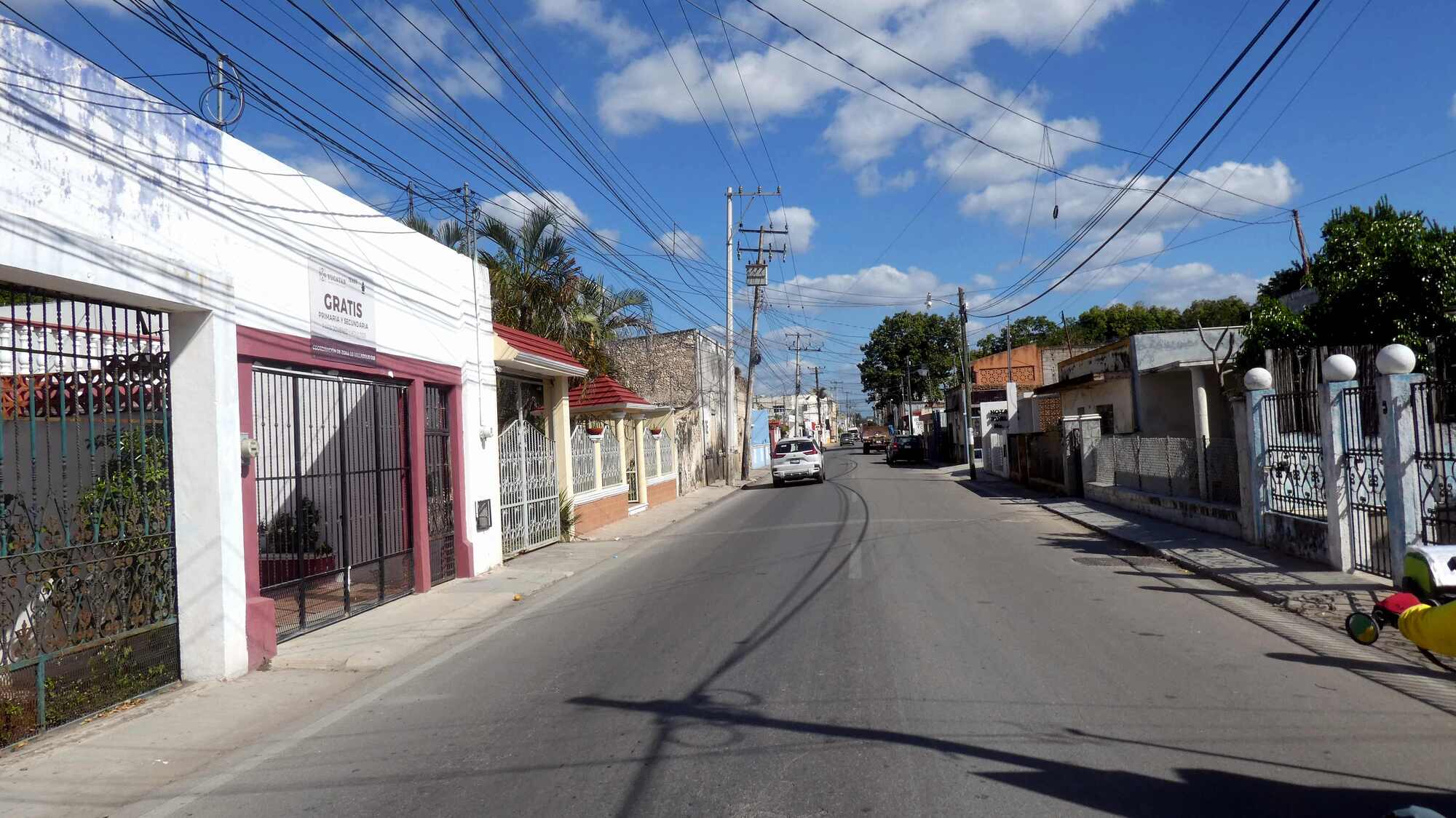
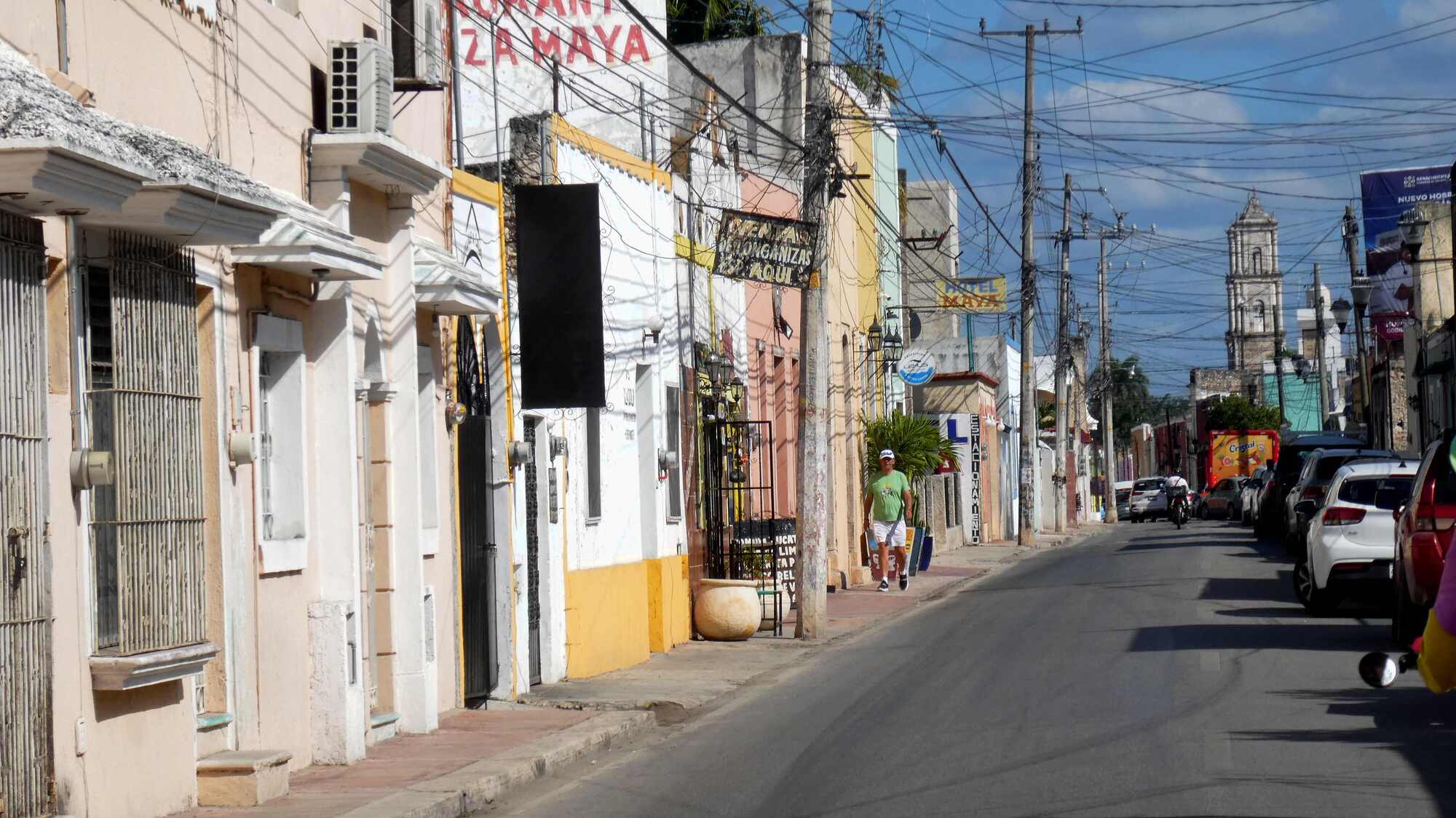
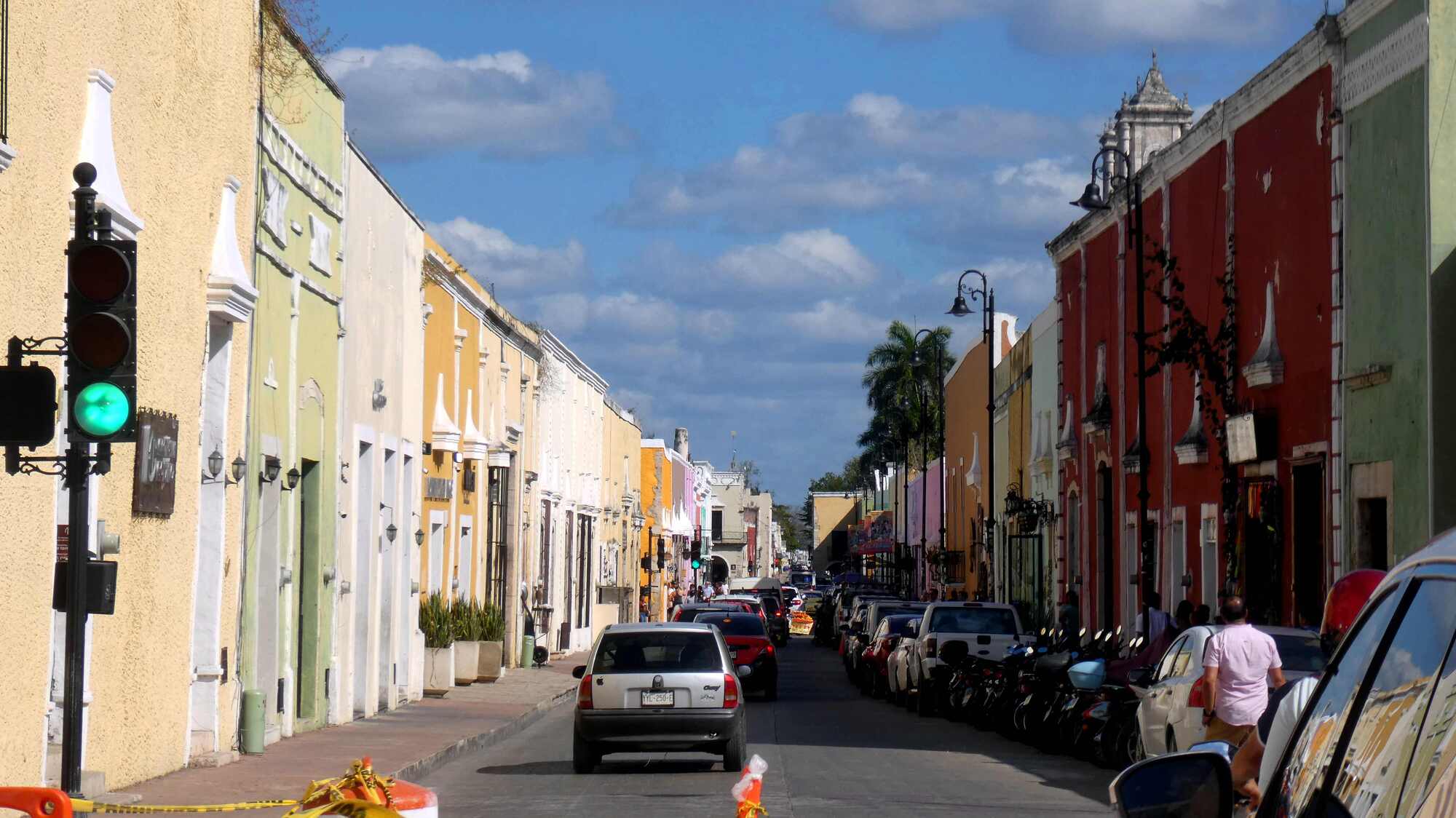
| Heart | 2 | Comment | 2 | Link |
5 hours ago
We arrived at our favourite hotel, the San Clemente, at 2. The man tried to tell the hot and tired couple that check in was not until 3. We were not having that! And he wanted to put us on the second floor - no way. So we are in room 108, almost the last of the good poolside ground floor choices, that begin with 101. 110 is the really bad one, close to the parking lot and the spot where staff like to sit, smoke, and talk loud.
By about 5, with darkness already arriving, we set out to find our favourite Chinese selections, at the "China" stall in the food fair. We crossed the square for this, and found not the Mayan drummers as last time, but Spanish/Mexican dancers:
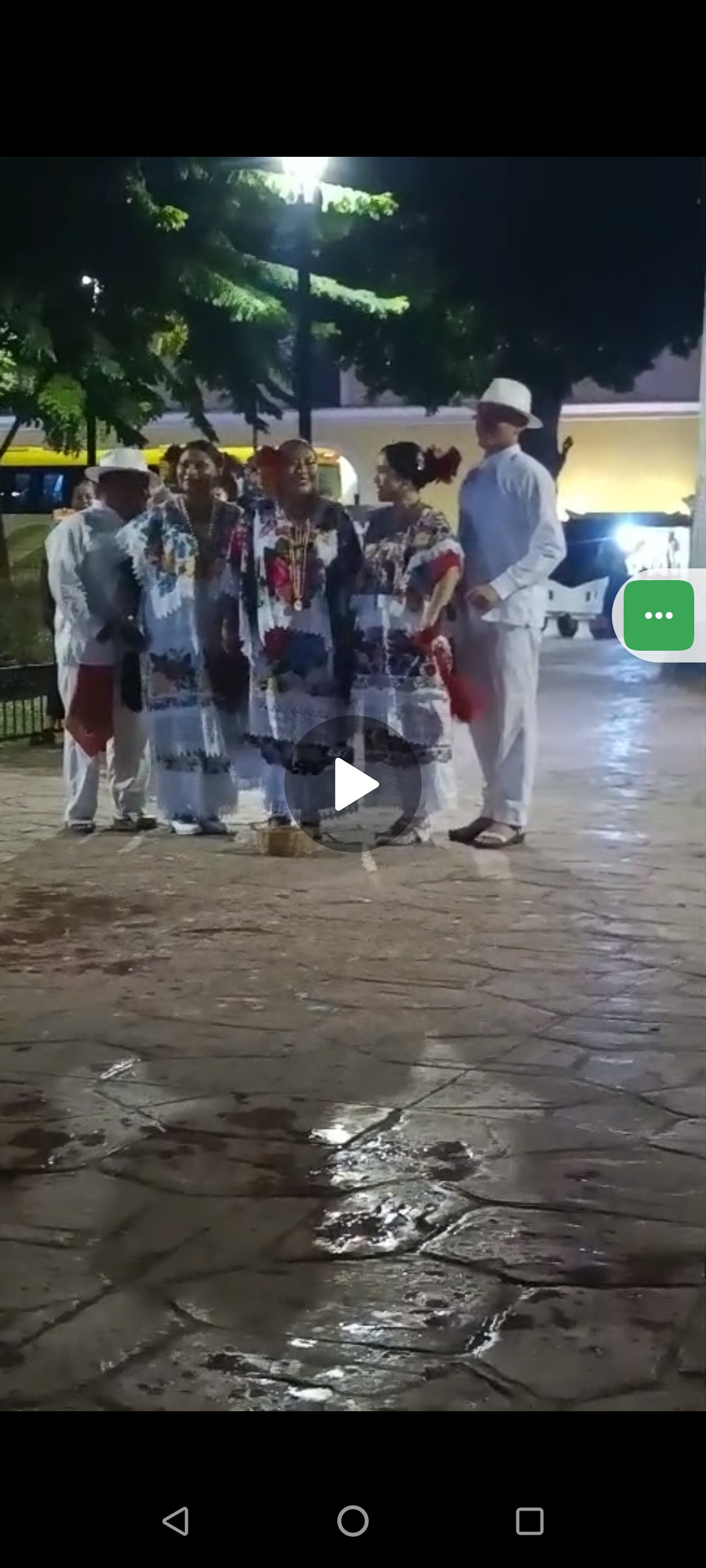
The above image is a screenshot from a video I made of the dance. Don't be deceived by the "play" button. It was rather noisy, actually.
We are going to bed a bit late, which is not so good because it will be a long and hot run tomorrow to Coba. But we have a litre of fresh squeezed orange juice in the fridge, and that should power us for quite a distance!
Today's ride: 47 km (29 miles)
Total: 965 km (599 miles)
| Rate this entry's writing | Heart | 7 |
| Comment on this entry | Comment | 0 |